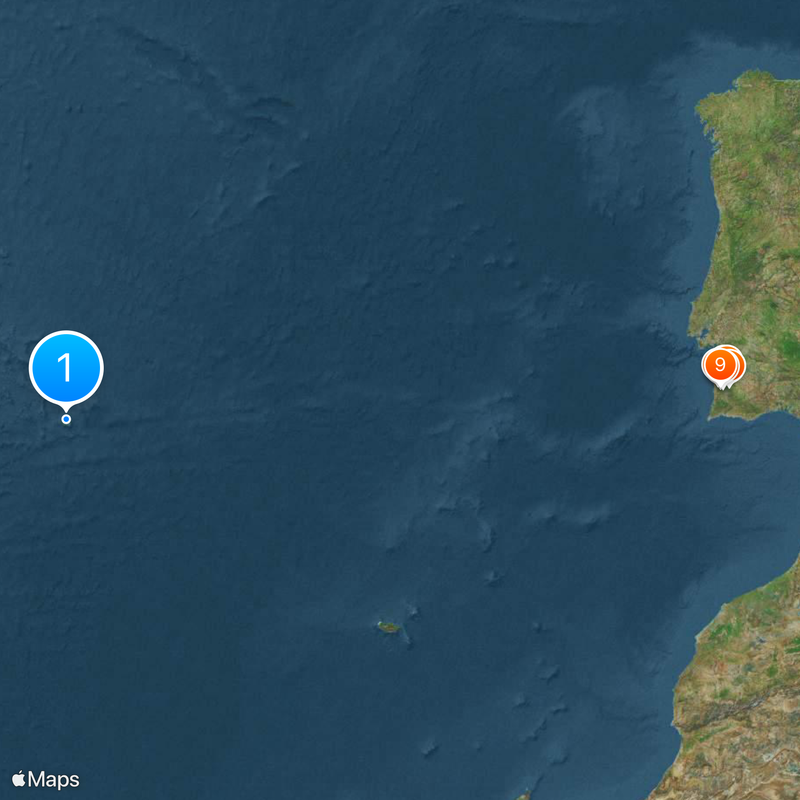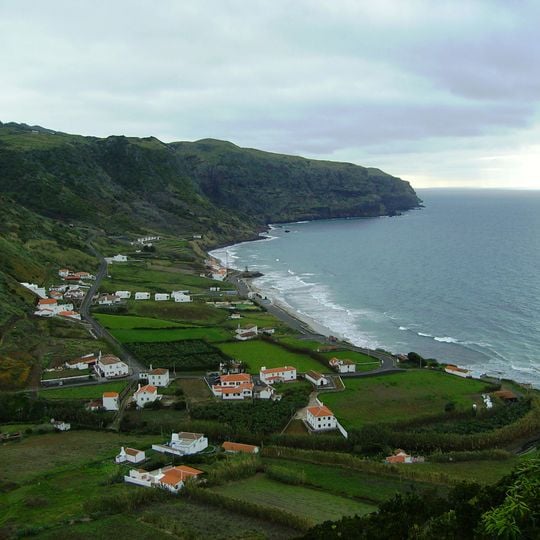
Santa Maria Island, Easternmost island of Azores archipelago, Portugal
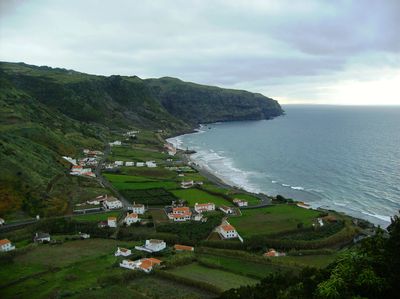
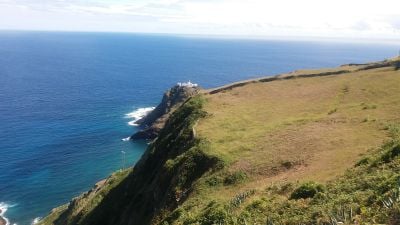
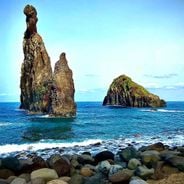
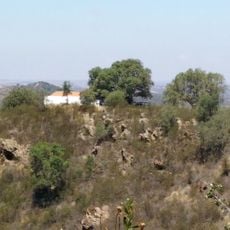
Santa Maria is an island in the Azores with sandy beaches, volcanic rock formations, and coastal cliffs shaped by ocean forces. The landscape features rolling hills and varied vegetation zones across its roughly 97 square kilometers (37 square miles).
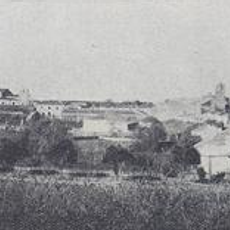
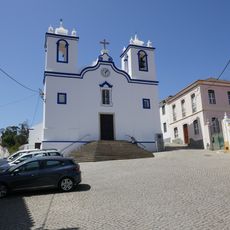
Portuguese navigator Diogo de Silves discovered the island in 1427, establishing the first human settlement across the Azores. Vila do Porto became the starting point for Portuguese expansion into this remote archipelago.
Local artisans practice traditional pottery and weaving techniques that remain visible in small workshops and markets. These crafts connect residents to island life and provide visitors a glimpse into how people have created useful and decorative items across generations.
An airport on the island connects to mainland Portugal, while ferries link it to other Azorean islands for exploring the wider region. Visitors should plan ahead as seasonal weather and transport schedules can change, making flexibility important for travel.
The island is the oldest in the archipelago with visible layers of rock from different geological periods exposed in coastal cliffs. These formations tell the story of volcanic activity spanning millions of years that shaped the landscape today.
The community of curious travelers
AroundUs brings together thousands of curated places, local tips, and hidden gems, enriched daily by 60,000 contributors worldwide.