Quinta da Regaleira, Palace and estate in Sintra, Portugal
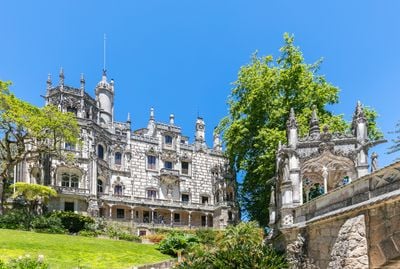
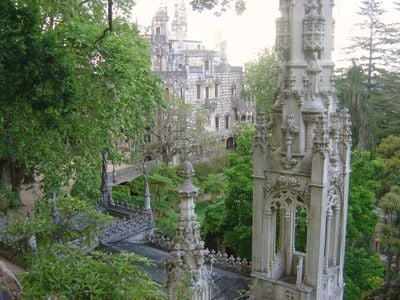
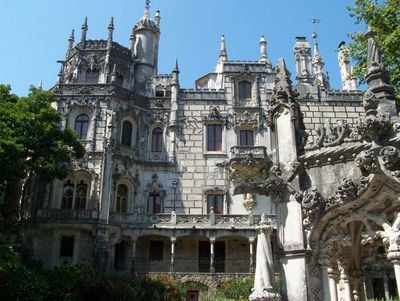
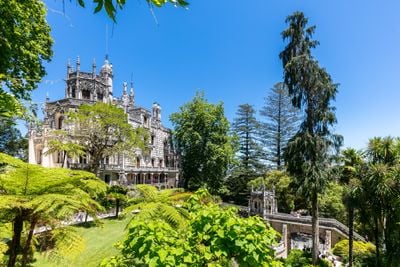
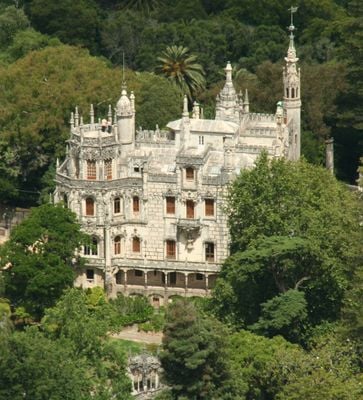
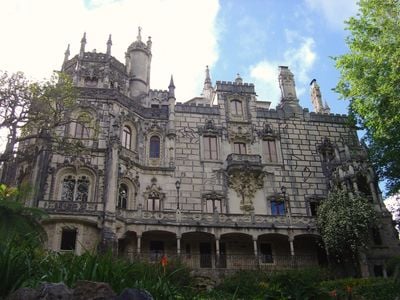
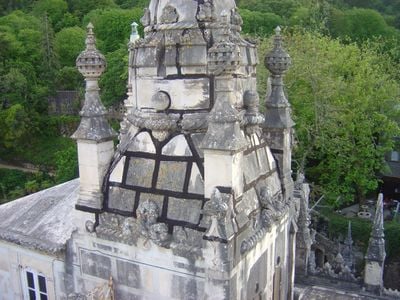
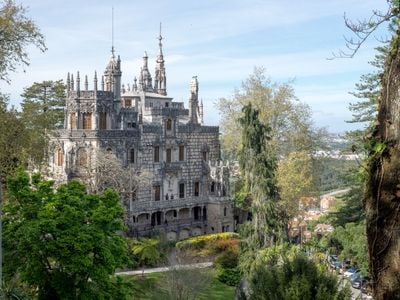
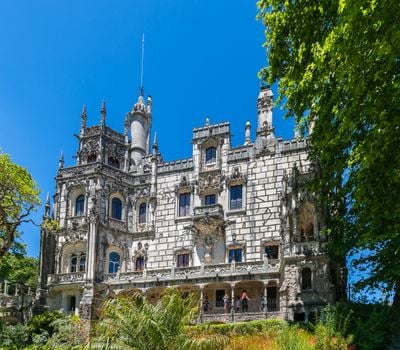
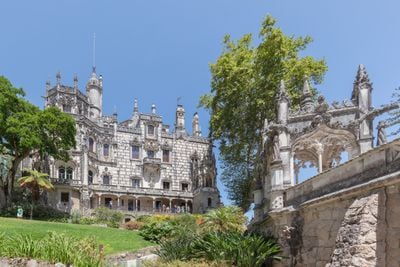
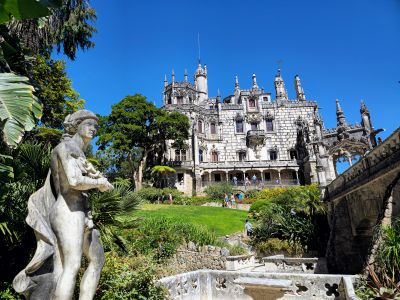
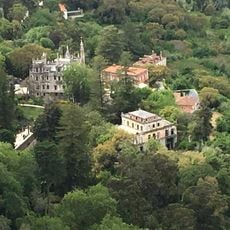
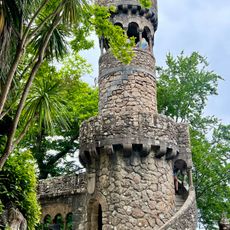
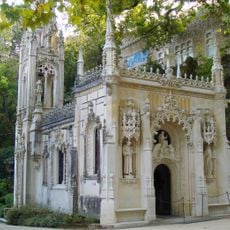
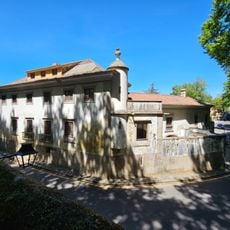
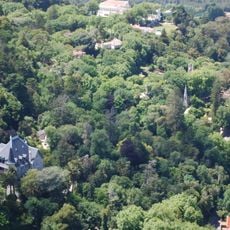
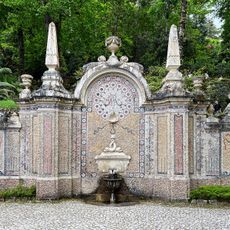
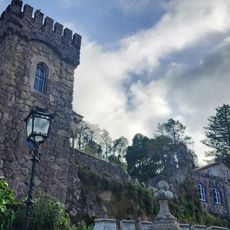
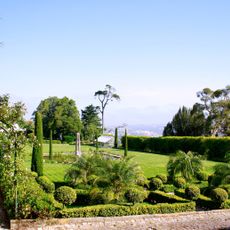
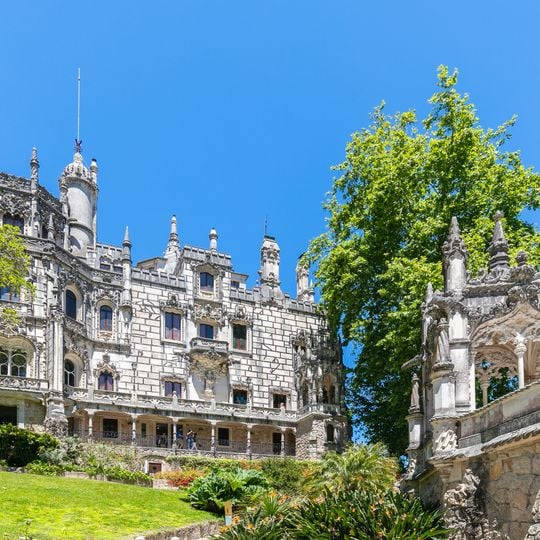
The estate extends across four hectares with winding paths through terraced gardens leading to chapels, grottoes, fountains, and artificial lakes, while the five-story palace in Romanesque and Gothic styles features towers, battlements, and ornately carved facades of local limestone.
Between nineteen hundred four and nineteen hundred ten, millionaire António Augusto Carvalho Monteiro worked with Italian architect Luigi Manini to transform an estate from the seventeenth century previously owned by the Baroness da Regaleira into an elaborate complex that hosted cultural events in nineteen seventeen and opened as a museum in nineteen ninety-nine.
The palace combines architectural references to the Templars, Rosicrucians, and Freemasons with Portuguese building traditions, creating a space for philosophical contemplation and esoteric studies that reflects intellectual currents of the early twentieth century.
The estate opens daily at nine thirty and closes at nineteen hundred during summer months and seventeen hundred during winter, with audio guides available at thirty locations, while tickets can be purchased online or at the entrance and comfortable shoes are recommended for the hilly terrain.
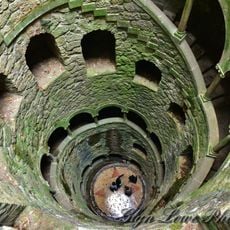
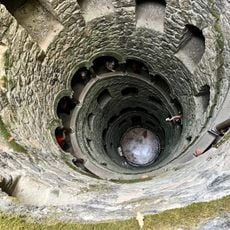
The grounds contain two initiation wells connected by underground passages, with the main well featuring a spiral stone staircase ninety feet deep divided into nine landings that symbolically reference Dante's Divine Comedy and the journey through underworld, purgatory, and paradise.
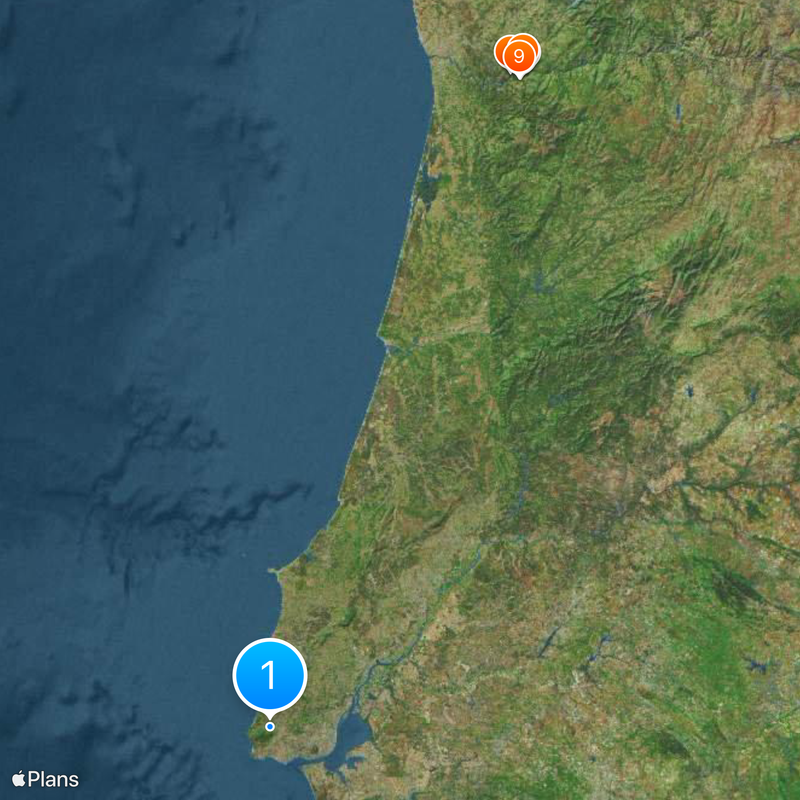
Location: Sintra (Santa Maria e São Miguel, São Martinho e São Pedro de Penaferrim)
Inception: 1697
Architects: Luigi Manini
Architectural style: Gothic Revival, Neo-Manueline
Fee: Yes
Operator: Sem afectação
Part of: Cultural Landscape of Sintra
Opening Hours: April 01-September 30 09:30-19:00; October 01-March 31 09:30-17:00; December 24-25 off
Phone: +351219106650
Website: http://regaleira.pt
GPS coordinates: 38.79635,-9.39603
Latest update: November 27, 2025 20:53
Medieval castles and fortresses span Europe, documenting defense systems and princely seats from the 9th through 16th centuries. These sites include mountaintop strongholds such as Montségur in the Pyrenees, island fortifications like Trakai in Lithuania, and coastal defenses such as Kronborg in Denmark. Construction methods range from Romanesque towers to late medieval artillery positions, from Moorish palaces like the Alhambra to Gothic defensive structures like Burg Eltz. Many of these sites feature multiple rings of fortifications, underground passages, and residential quarters that provide insights into both military and civil aspects of medieval life. The collection includes locations in varied geographical contexts. Predjama Castle in Slovenia is built into a cliff face, while Eilean Donan in Scotland occupies a tidal island. Fortresses such as Sant Ferran near Figueres demonstrate 18th century military architecture with star shaped bastions. Some sites like Neuschwanstein were constructed in the 19th century in historicist style, combining romantic ideals with engineering advances of their era. Further examples include Château de Chambord in the Loire Valley, Peles Castle in the Carpathian Mountains, and Bojnice in Slovakia. These sites document functions ranging from border fortresses to royal residences and show the evolution of European military architecture across several centuries.
This collection leads to places that remain outside standard tourist circuits. The selection includes natural landscapes and cultural sites that receive limited attention from international visitors. From the salt flats of Bolivia to ancient ruins in Turkish mountain terrain and the ice formations of Lake Baikal, the collection provides access to less frequented regions. Natural phenomena include the Benagil Cave along Portugal's Algarve coast, the Great Blue Hole off Belize, and the sandstone formations of The Wave in Arizona. Cultural sites such as Quinta da Regaleira near Lisbon, the abandoned nitrate town of Humberstone in Chile, and the fortified Berber village of Ait Benhaddou in Morocco show historical building methods and past ways of life. The Meteora monasteries in Greece and the Waitomo glowworm caves in New Zealand demonstrate the connection between human settlement and natural environment. The locations span all continents and climate zones. They range from tropical regions like the turquoise river at Hinatuan in the Philippines, through temperate zones like the Cinchado rock formation on Tenerife, to remote areas such as Pangong Lake in Indian Ladakh and the limestone pinnacles of Tsingy de Bemaraha in Madagascar. The collection allows travelers to experience regional characteristics without commercial tourism infrastructure.
This selection presents urban locations including historic churches, public gardens, libraries, museums, and markets. The sites range from underground salt mines to rooftop gardens, from historic bookstores to converted railway stations. Many of these places are situated away from regular tourist routes.
Portugal extends well beyond its main tourist centers. Away from the established routes lie medieval villages like Monsanto, where granite houses wedge themselves between massive boulders, or the fortified hilltop town of Marvão overlooking the Spanish border. Peneda-Gerês National Park spreads across forests, rivers and centuries-old settlements connected by hiking trails. The coastline varies considerably: Cabo Espichel with its cliffs and remote pilgrimage site, the rock formations at Ponta da Piedade near Lagos, the striped wooden houses of Costa Nova facing the ocean. The Azores offer crater lakes such as Lagoa das Sete Cidades, volcanic caves like Gruta das Torres and thermal springs at Caldeira Velha. Madeira presents the coastal village of Paul do Mar and the plateau of Fajã dos Padres, accessible only by cable car. The list includes religious structures such as Alcobaça Monastery, the bone chapel in Évora and Convento dos Capuchos in the forests near Sintra. Historic fortifications like Almourol Castle on a Tagus island or the fortress at Sagres on the continent's southwestern tip complete the picture.
Castle of the Moors
701 m
Sintra National Palace
478 m
Quinta da Regaleira Initiation Well
216 m
Quinta do Relógio
64 m
Seteais Palace
455 m
Museu de História Natural
561 m
Câmara Municipal de Sintra
750 m
Museu Anjos Teixeira
764 m
Villa Sassetti
448 m
Igreja de São Martinho (Sintra)
396 m
Pelourinho de Sintra
510 m
Casa dos Penedos
665 m
Linha do elétrico de Sintra, na totalidade do seu percurso atualmente subsistente, incluindo as respetivas estruturas de apoio e composições
657 m
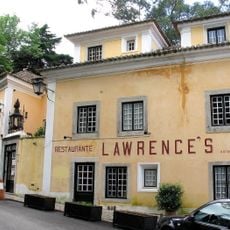
Hotel Lawrence's
278 m
Casa da Quinta dos Pisões
297 m
Mulher com Bebé ao Colo by Anjos Teixeira
698 m
Palácio Valenças
623 m
Hotel Netto
415 m
Igreja de Nossa Senhora da Misericórdia de Sintra
532 m
Antigo repuxo da vila de Sintra
456 m
Fonte dos Pisões
308 m
Igreja de São Martinho Bispo
397 m
Jardins de Seteais
278 m
Igreja Paroquial de São Pedro de Penaferrim
801 m
Igreja Paroquial de São Miguel
562 m
Penedo da Amizade
618 m
Casal de Santa Margarida
351 m
Casa Biester
312 mReviews
Visited this place? Tap the stars to rate it and share your experience / photos with the community! Try now! You can cancel it anytime.
Discover hidden gems everywhere you go!
From secret cafés to breathtaking viewpoints, skip the crowded tourist spots and find places that match your style. Our app makes it easy with voice search, smart filtering, route optimization, and insider tips from travelers worldwide. Download now for the complete mobile experience.
A unique approach to discovering new places❞
— Le Figaro
All the places worth exploring❞
— France Info
A tailor-made excursion in just a few clicks❞
— 20 Minutes