See the monuments around you in AROpen chests in the app
Around Us is built for your phone — point your camera at the streets and discover the monuments and places around you in augmented reality.Around Us is built for your phone — chests unlock when you walk, explore and capture nearby places.
Medieval castles and fortresses span Europe, documenting defense systems and princely seats from the 9th through 16th centuries. These sites include mountaintop strongholds such as Montségur in the Pyrenees, island fortifications like Trakai in Lithuania, and coastal defenses such as Kronborg in Denmark. Construction methods range from Romanesque towers to late medieval artillery positions, from Moorish palaces like the Alhambra to Gothic defensive structures like Burg Eltz. Many of these sites feature multiple rings of fortifications, underground passages, and residential quarters that provide insights into both military and civil aspects of medieval life.
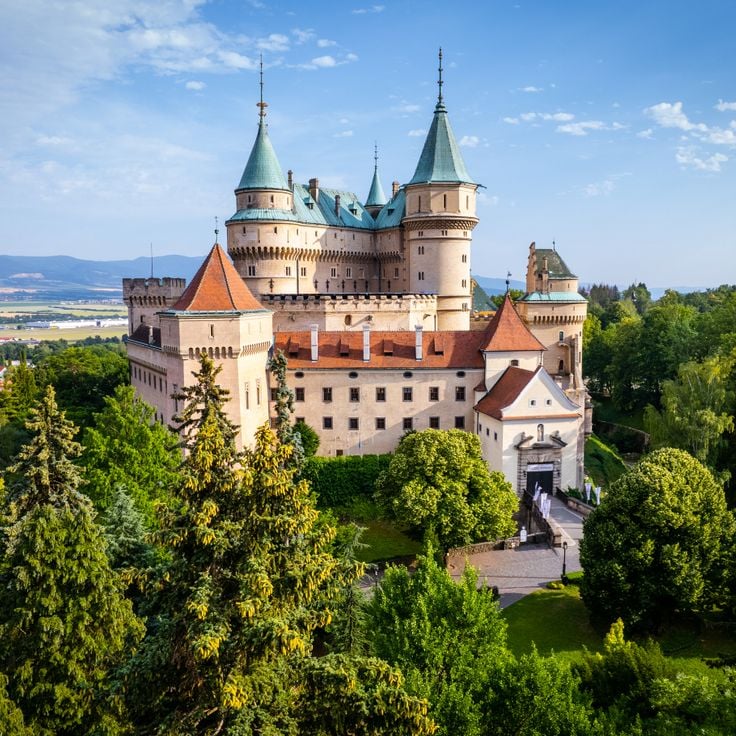
The collection includes locations in varied geographical contexts. Predjama Castle in Slovenia is built into a cliff face, while Eilean Donan in Scotland occupies a tidal island. Fortresses such as Sant Ferran near Figueres demonstrate 18th century military architecture with star shaped bastions. Some sites like Neuschwanstein were constructed in the 19th century in historicist style, combining romantic ideals with engineering advances of their era. Further examples include Château de Chambord in the Loire Valley, Peles Castle in the Carpathian Mountains, and Bojnice in Slovakia. These sites document functions ranging from border fortresses to royal residences and show the evolution of European military architecture across several centuries.
Medieval castles and fortresses span Europe, documenting defense systems and princely seats from the 9th through 16th centuries. These sites include mountaintop strongholds such as Montségur in the Pyrenees, island fortifications like Trakai in Lithuania, and coastal defenses such as Kronborg in Denmark. Construction methods range from Romanesque towers to late medieval artillery positions, from Moorish palaces like the Alhambra to Gothic defensive structures like Burg Eltz. Many of these sites feature multiple rings of fortifications, underground passages, and residential quarters that provide insights into both military and civil aspects of medieval life.
The collection includes locations in varied geographical contexts. Predjama Castle in Slovenia is built into a cliff face, while Eilean Donan in Scotland occupies a tidal island. Fortresses such as Sant Ferran near Figueres demonstrate 18th century military architecture with star shaped bastions. Some sites like Neuschwanstein were constructed in the 19th century in historicist style, combining romantic ideals with engineering advances of their era. Further examples include Château de Chambord in the Loire Valley, Peles Castle in the Carpathian Mountains, and Bojnice in Slovakia. These sites document functions ranging from border fortresses to royal residences and show the evolution of European military architecture across several centuries.
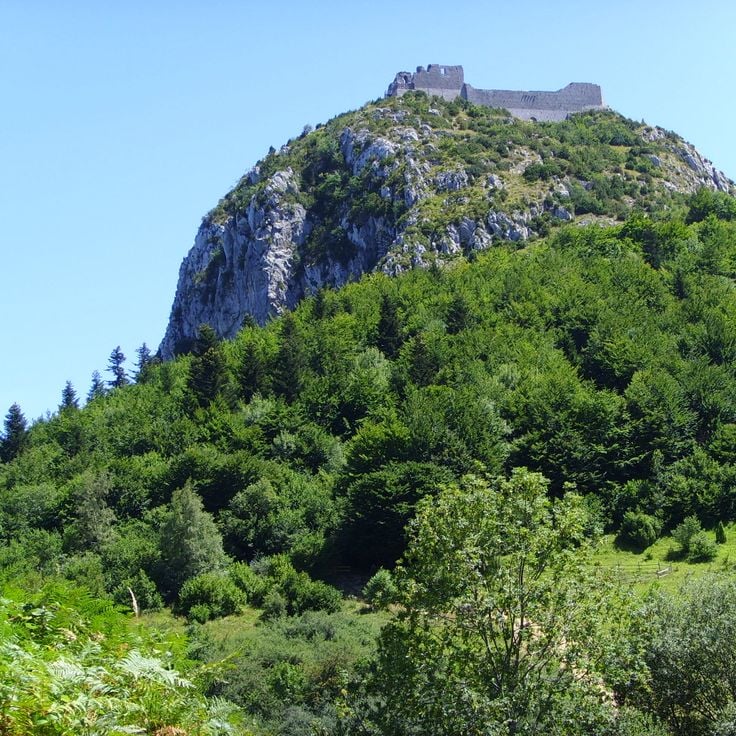
This medieval fortress built on a 3960-foot (1207-meter) limestone rock served as a refuge for Cathars in the 13th century and demonstrates defense systems of that era, making Château de Montségur an important example of European castle architecture.
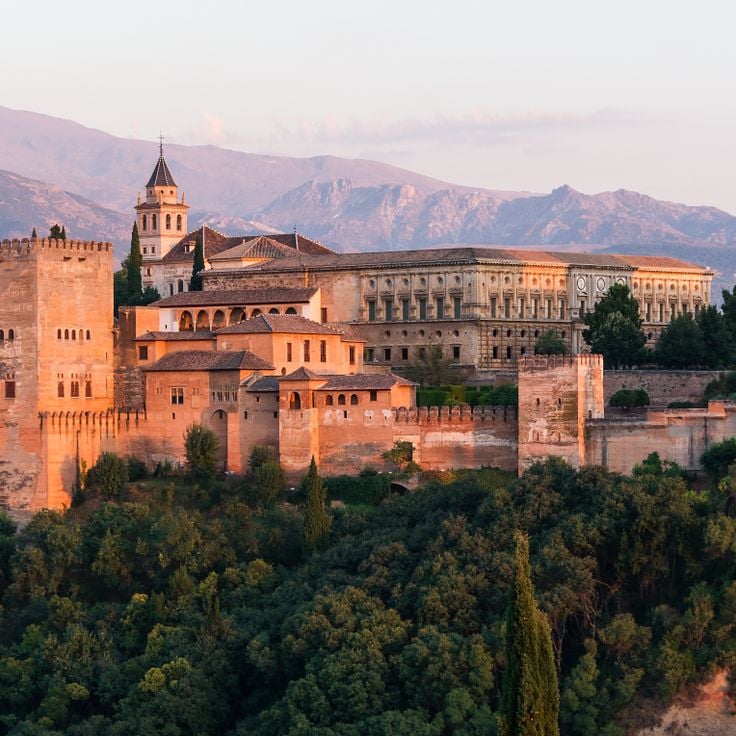
This 13th-century Arabic palace complex combines residential buildings, military structures and gardens on a hill above Granada. The red walls enclose decorated halls and courtyards with water features, offering insights into Moorish architecture and defense systems within this European fortress collection.
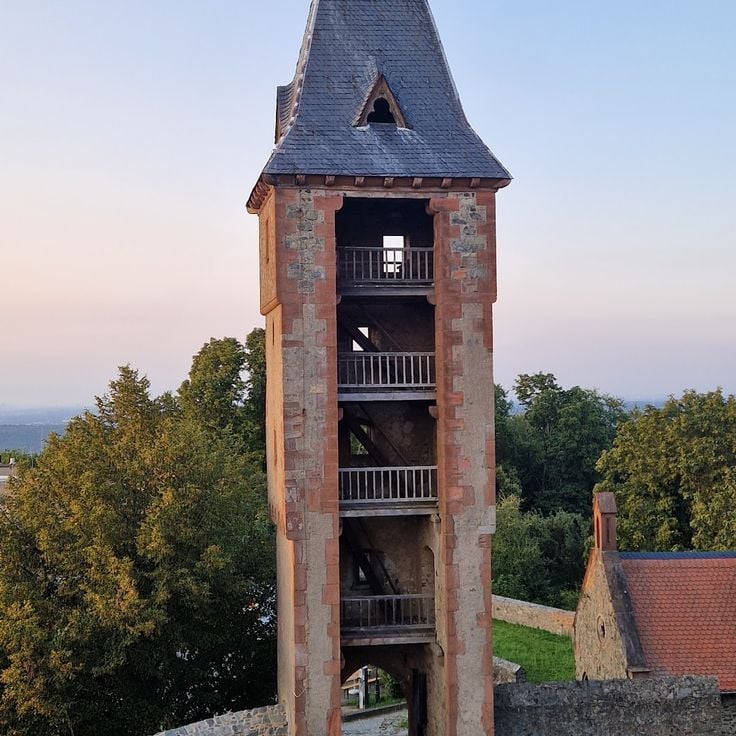
Castle Frankenstein has stood on a 1,214-foot (370-meter) hill in the Odenwald forest since the 13th century. This medieval fortress displays typical hilltop castle construction with its two towers and castle chapel. The structure provides insight into defensive architecture and life at a border fortress between competing territories. The preserved walls and towers demonstrate the strategic importance of this castle in southern Hesse.
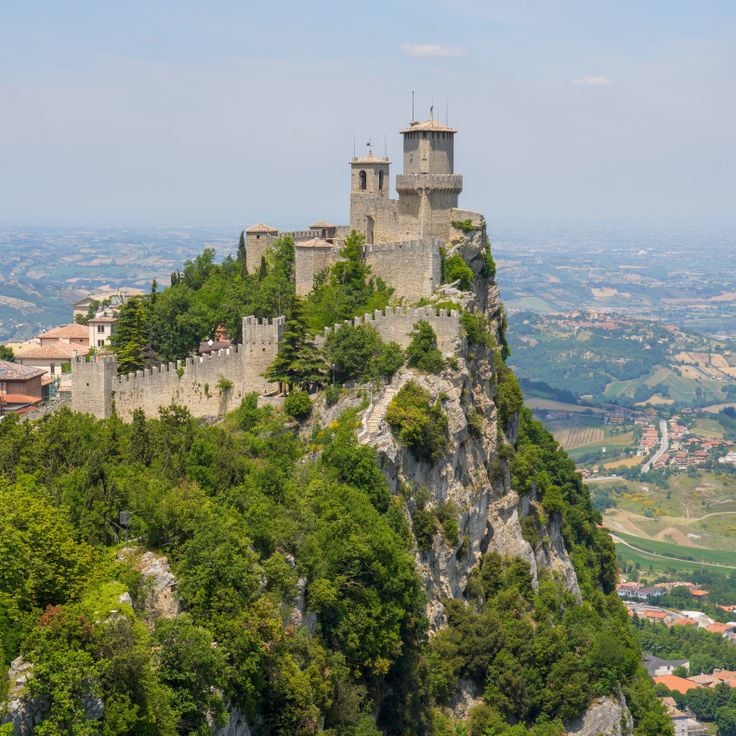
This 11th-century fortress stands on Mount Titano and demonstrates the defensive architecture of the early Republic of San Marino. The Guaita served for centuries as a watchtower and prison, forming with its walls and towers one of three characteristic fortifications along the mountain ridge. The ramparts offer views across the surrounding landscape to the Adriatic coast.
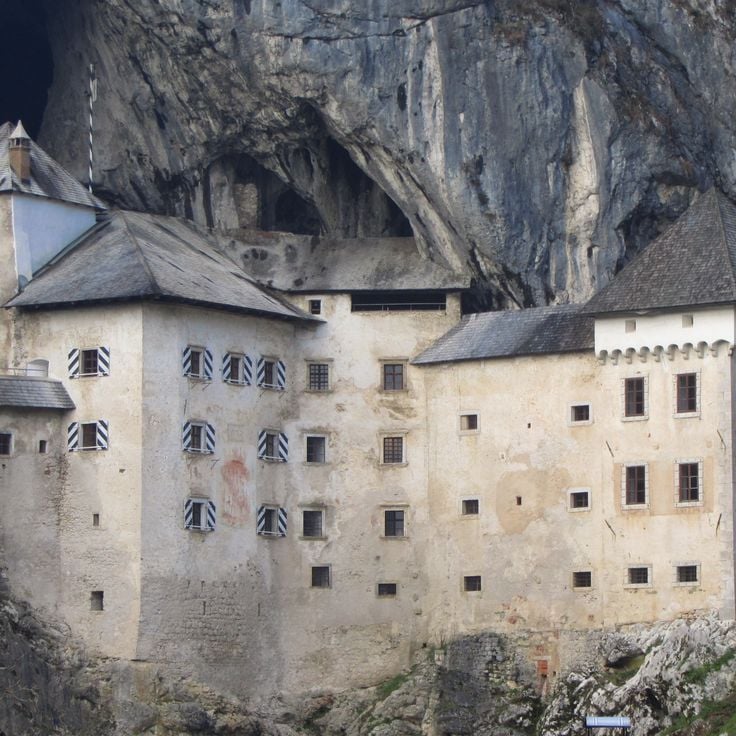
This Renaissance castle from the 16th century was built into a 123-meter (404-foot) high cliff face and connects to a cave system. Predjama Castle demonstrates medieval defense strategies through the integration of natural rock formations, with underground passages linking the fortress to the caves behind. The complex combines fortification elements with residential quarters and shows how castle builders used geographic features for protection and strategic advantage.
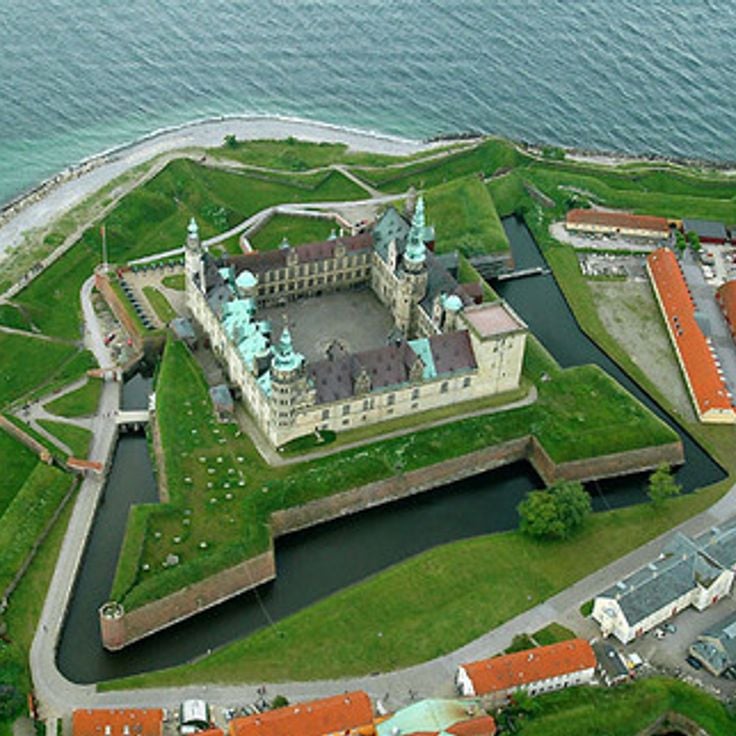
This Renaissance fortress from the 16th century once controlled the Øresund strait and served as the setting for Shakespeare's Hamlet. Kronborg Castle presents fortifications, casemates and royal chambers that offer insights into Danish defense architecture and princely residences of the period.
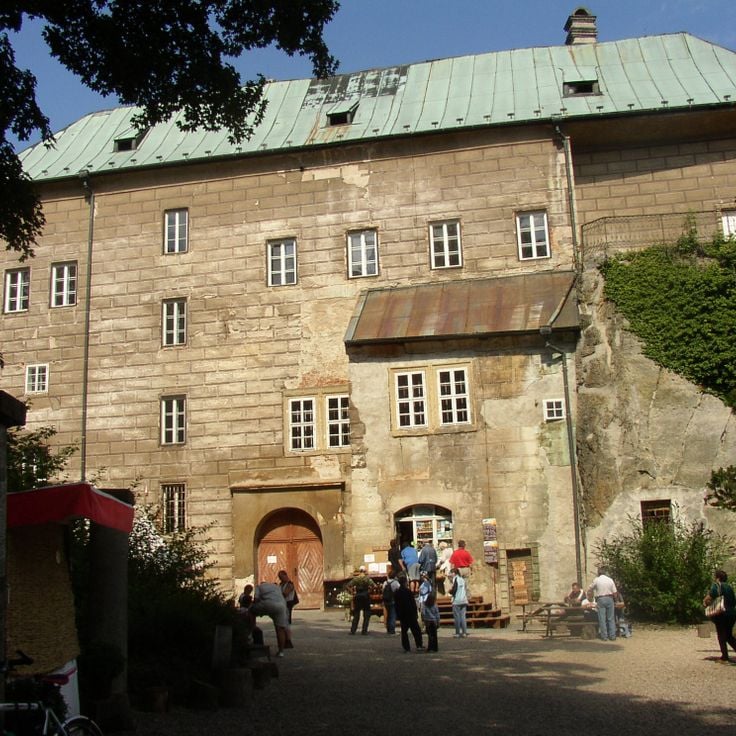
This castle from the 13th century stands on a sandstone formation in the Bohemian countryside. The fortress complex displays Gothic architectural elements and several defensive towers. Local legends describe a deep shaft beneath the chapel that was sealed during construction. The walls and interior spaces document various building phases between the medieval period and the Baroque era.
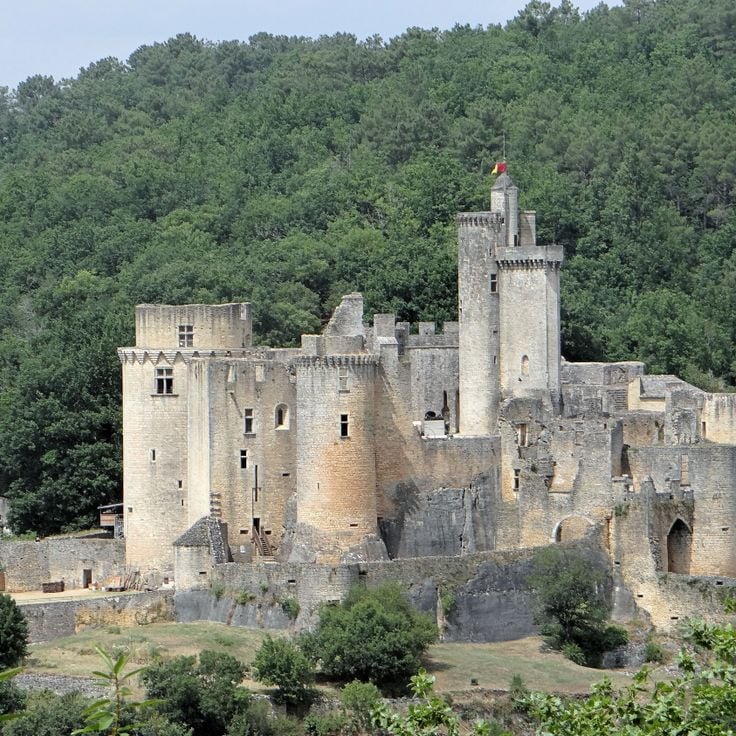
This medieval structure from the 13th century rises from a limestone outcrop and demonstrates the evolution of defensive architecture across several centuries. Château de Bonaguil features seven towers and three barbicans that illustrate the strategic complexity of late medieval fortifications. The fortress stands among the significant examples of European defensive works and documents the transition from medieval defense systems to early artillery fortifications.
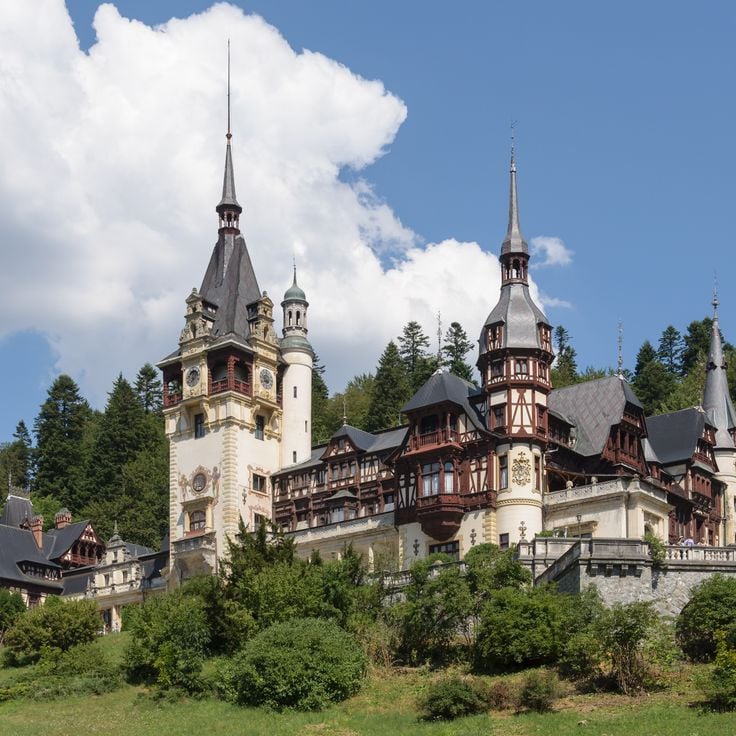
This castle was built in the 19th century and contains 160 rooms with German architecture. The halls display a large collection of European art and historical furniture. As part of Europe's medieval castles and fortresses, Peles Castle offers insights into princely residences and their architectural development through the centuries.
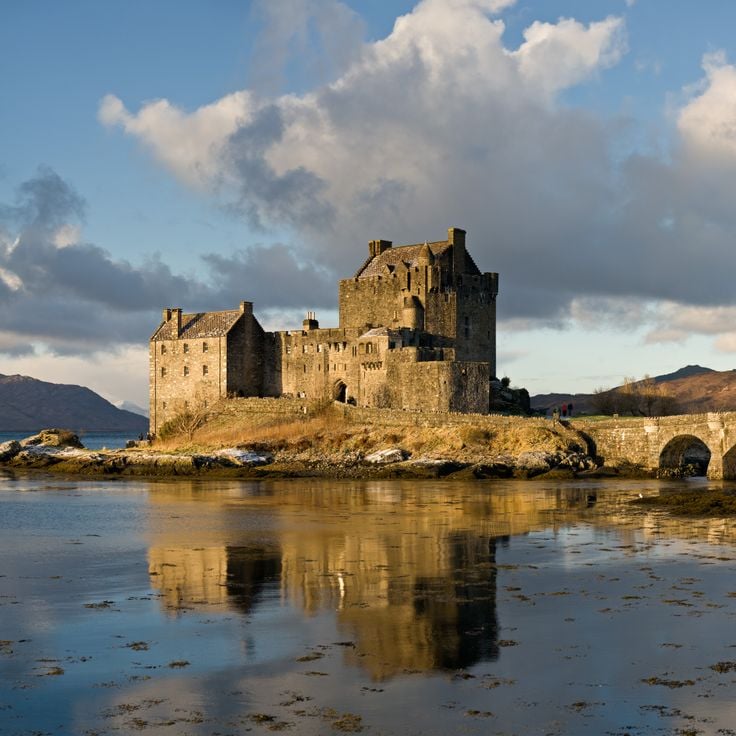
This medieval fortress occupies an island between three sea lochs: Loch Duich, Loch Long and Loch Alsh. A stone bridge connects Eilean Donan to the mainland. The complex represents Scottish fortress architecture and displays characteristic defense structures including towers and reinforced walls from several building periods between the 13th and 20th centuries.
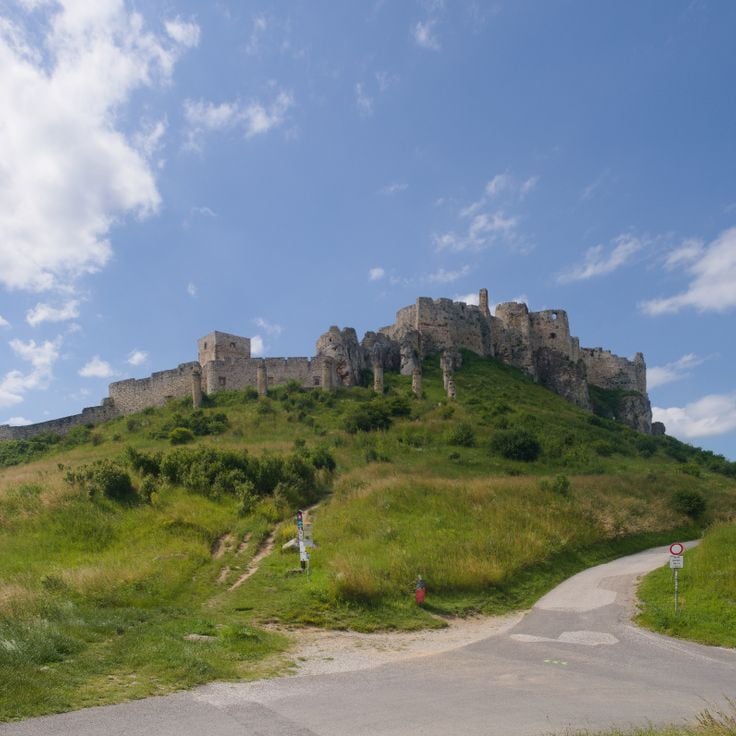
This 12th century castle complex occupies 41,000 square meters (4 hectares) on a limestone outcrop above Spišské Podhradie. Spiš Castle ranks among the most extensive fortified sites in Europe, displaying multiple defensive towers, fortification walls and courtyards that illustrate the evolution of military architecture from medieval times through the early modern period. The fortress served for centuries as a strategic control point over trade routes through the Carpathian foothills.
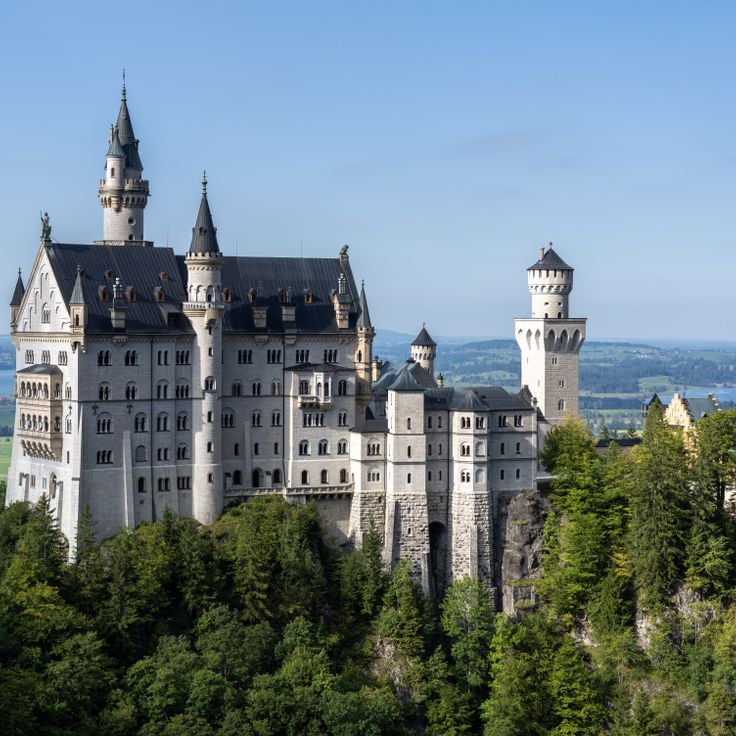
This 19th-century royal residence stands on a mountain peak in Hohenschwangau and ranks among Europe's most recognized medieval-style castle structures. The limestone facade and Romanesque towers rise above the Alpine valley. King Ludwig II commissioned the residence based on historical models, combining medieval architectural elements with contemporary construction techniques. The complex includes multiple floors with state rooms, a chapel and a throne hall that provide insights into princely living quarters of the late 19th century.
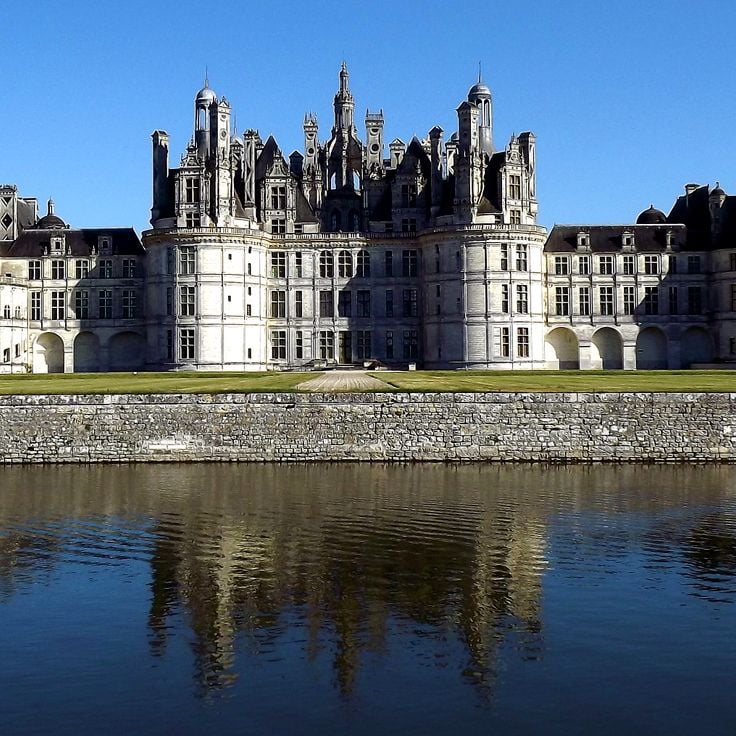
This Renaissance château in the Loire Valley stands among the largest of its kind in France and demonstrates the architectural ambitions of King Francis I. Château de Chambord contains 440 rooms and 365 fireplaces, while the central double helix staircase showcases technical sophistication with its two intertwined spirals. Originally built as a royal hunting lodge, the estate combines French medieval construction with Italian Renaissance design elements across extensive parkland spanning 13,000 acres (5,260 hectares).
This 14th-century castle rises from an island in Lake Galvė and ranks among the most important fortresses in Lithuania. Trakai Island Castle served as a residence for Lithuanian Grand Dukes and displays defensive walls of red brick, several towers and a central residential palace. The complex was restored in the 20th century and now presents historical exhibitions on the history of the Grand Duchy of Lithuania and late medieval military architecture.
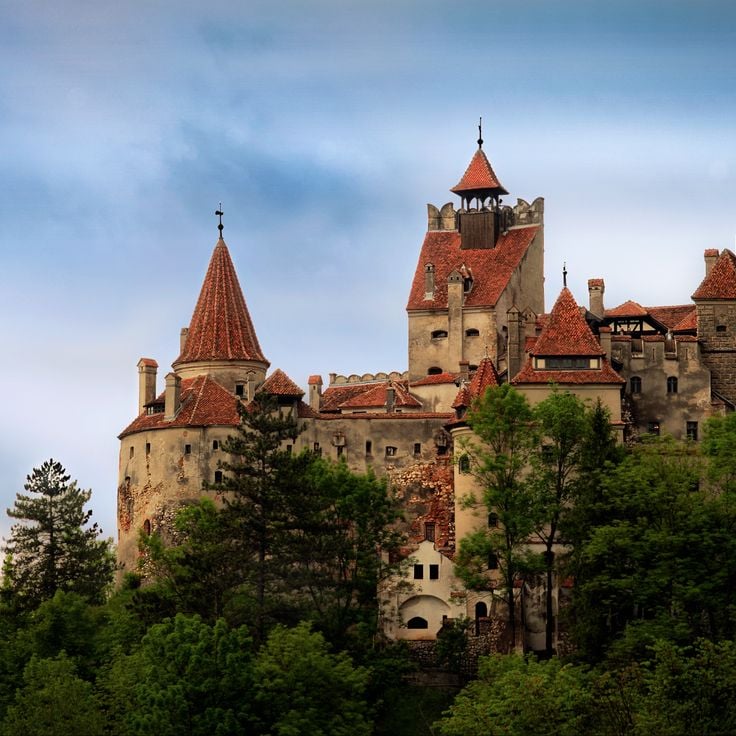
This 14th-century fortress rises from a 200-foot (60-meter) limestone outcrop in the Carpathian Mountains and presents the fortifications built to secure trade routes between Transylvania and Wallachia. The structure contains 57 rooms connected by spiral staircases, along with inner courtyards, towers and underground passages that provide insights into European medieval defense systems.
This 12th-century castle was the birthplace of William the Conqueror and ranks among Europe's important Norman fortifications. The Château de Falaise rises on a high rock above the town and demonstrates the architectural evolution of medieval defensive structures through its three massive towers, thick ramparts and a large rectangular keep. The complex documents the transition from early medieval to late medieval fortress architecture.
This medieval castle was built in the 12th century and displays Romanesque and Gothic architecture with large round towers and pointed arches. The complex documents the development of European fortifications across several centuries and served as a princely residence.
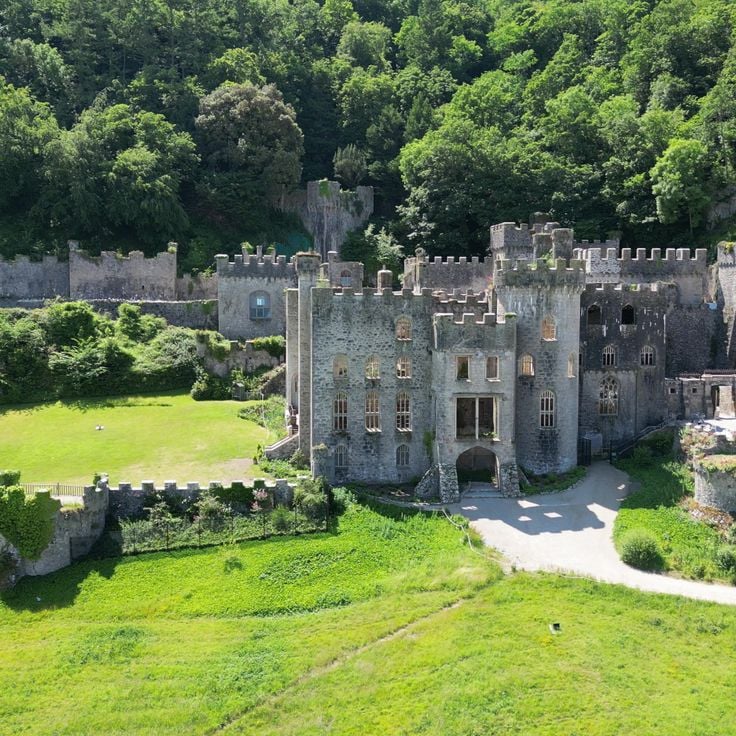
This 19th century fortress features 820 feet (250 meters) of exterior walls, multiple towers and a large garden facing the coastline. Gwrych Castle demonstrates the architectural characteristics of Welsh fortifications from this period and adds to the European collection of medieval defense structures and princely residences.
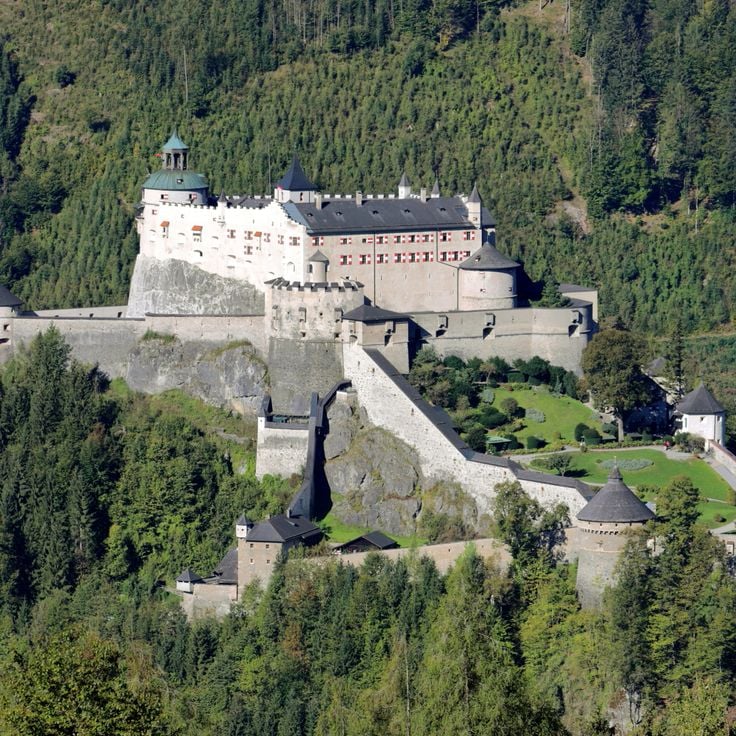
This medieval fortress rises from a rock formation 2,045 feet (623 meters) above the Salzach Valley and served for centuries as a military stronghold of the prince-archbishops of Salzburg. The complex preserves Austrian defensive architecture with fortification walls, towers and defensive installations. Hohenwerfen Castle offers insight into the strategic importance of alpine fortifications and their role in controlling major trade routes through the region.
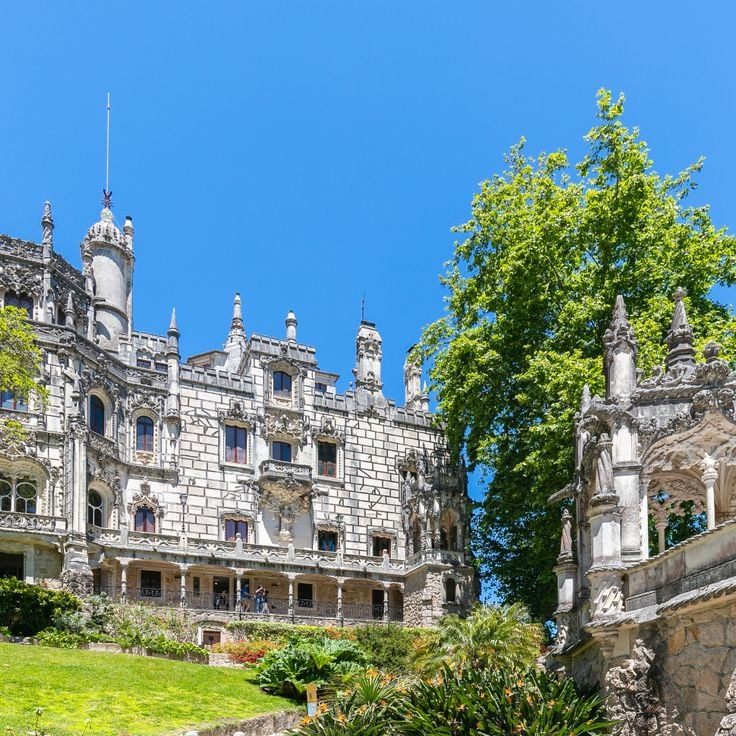
Quinta da Regaleira was built between 1904 and 1910 and incorporates Roman, Gothic and Renaissance elements in its architecture, along with references to alchemy and Masonry. While the estate falls outside the medieval period, the towers, battlements and underground passages demonstrate similar defense principles as European castles and fortresses from past centuries. The property covers approximately 10 acres (4 hectares) and includes gardens, fountains and a spiral initiation well.
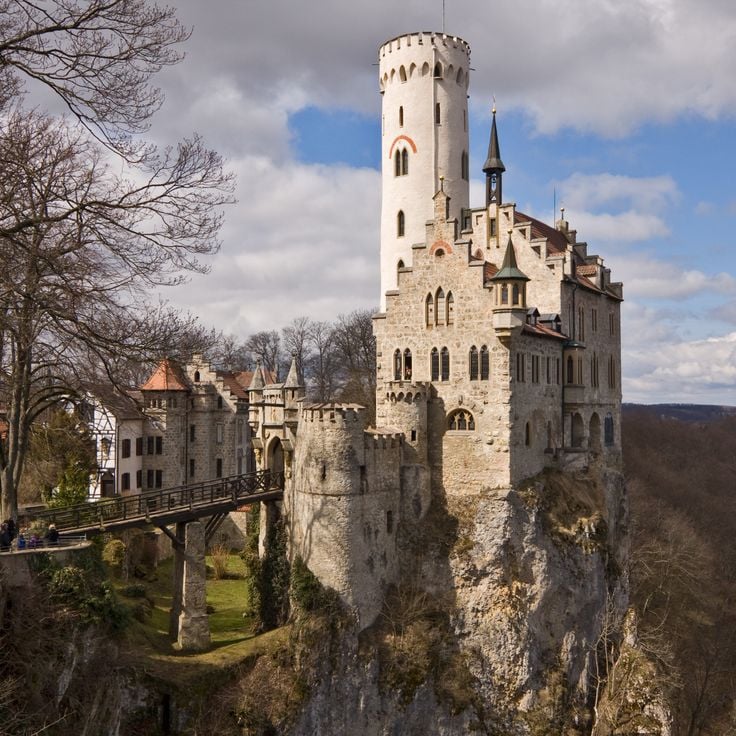
This Gothic Revival castle stands on a limestone outcrop in the Swabian Alps and represents a 19th century interpretation of medieval European castles and fortresses. Lichtenstein Castle was built in 1842 following designs by Carl Alexander Heideloff for Count Wilhelm of Württemberg. The structure includes several towers, battlements and a keep. From its ramparts, visitors can observe the Echaz valley and surrounding ridges. Inside, collections of historical weapons and armor from different centuries are on display. Access is gained via a fortified path and a stone bridge.
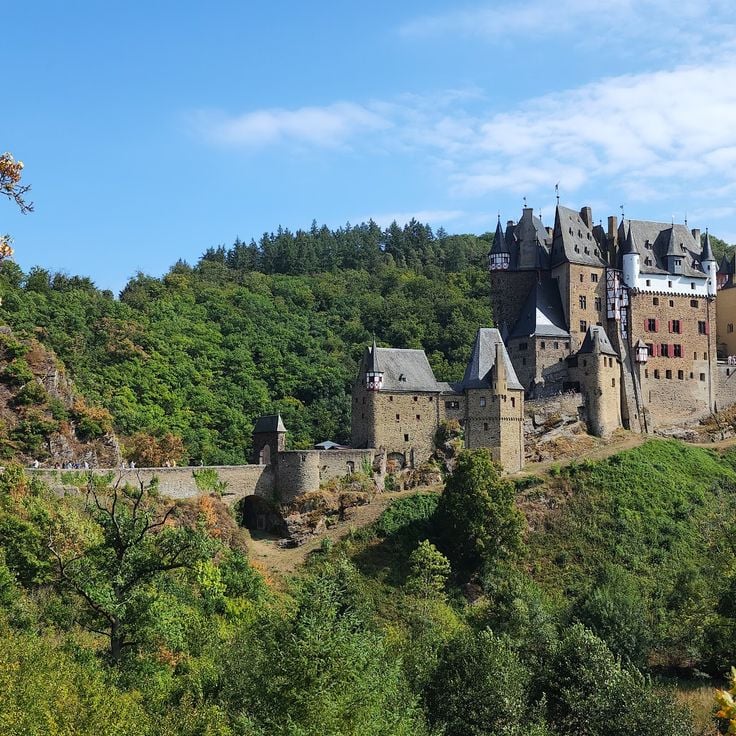
Burg Eltz rises from a rock spur 70 meters (230 feet) above the Moselle valley and stands among the notable examples of medieval fortification architecture in Europe. Built in the 12th century, the complex comprises eight towers and three separate residential houses that together form an intricate compound. The castle demonstrates characteristic elements of medieval defensive structures and princely residences.
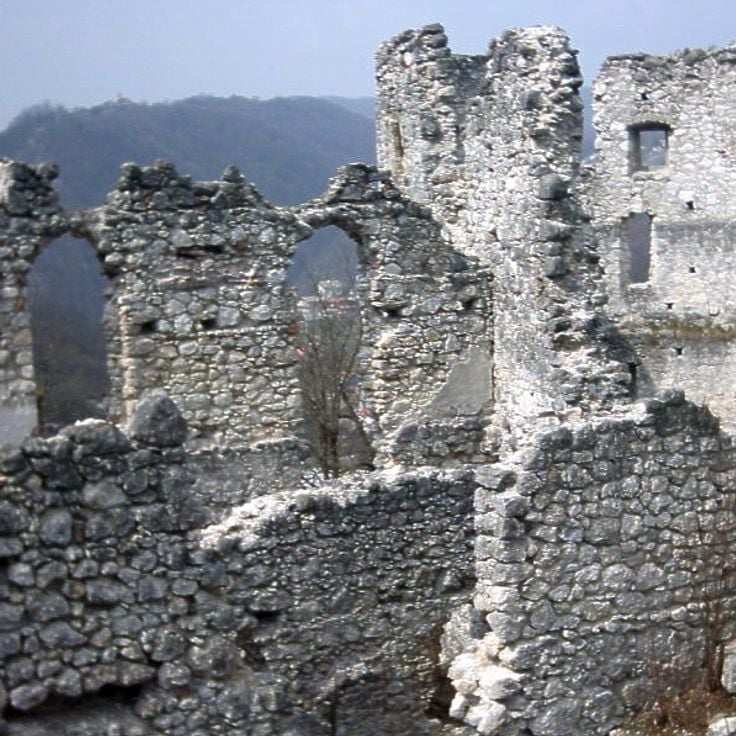
This 13th-century castle stands on Tepec hill and presents partially preserved stone walls and towers of medieval fortification architecture. The site offers insight into Croatia's historical defense systems and provides views across Samobor and the surrounding valley.
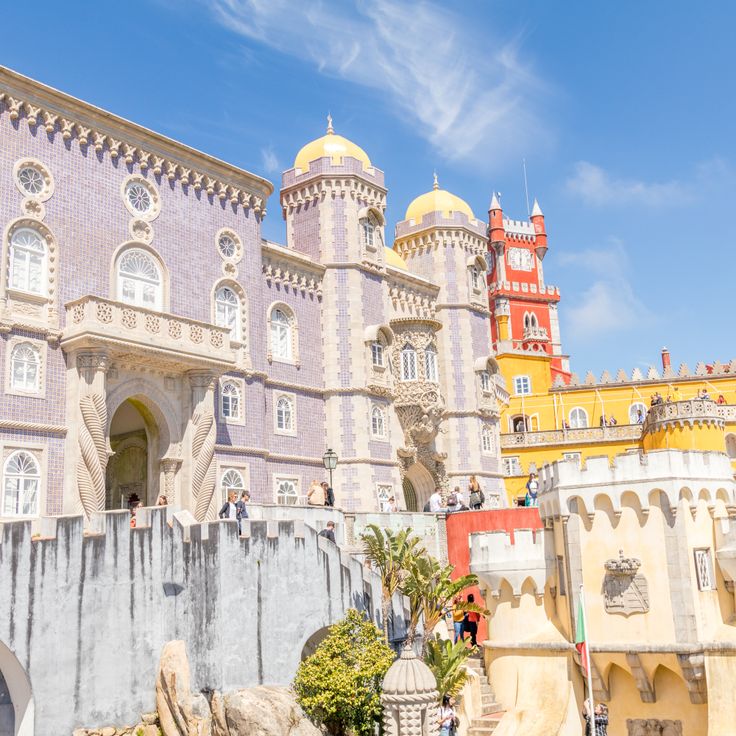
This palace combines Neo-Gothic, Manueline and Moorish architectural elements in a complex dating from 1854. The colored facades feature azulejo decoration, while the buildings are surrounded by extensive gardens. Pena Palace represents 19th-century Romantic architecture and demonstrates how European princely residences reinterpreted historical styles.
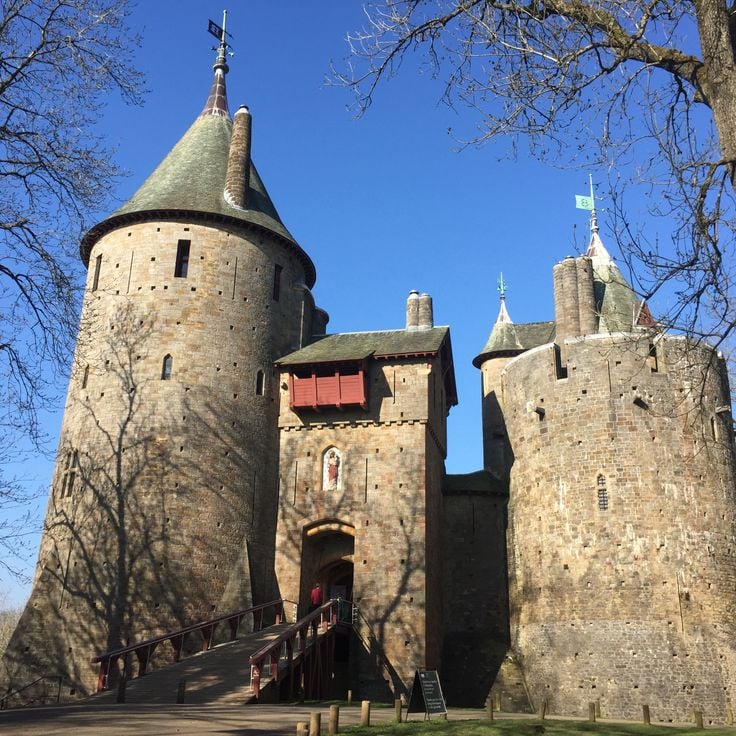
This castle was built in the 19th century following medieval designs, demonstrating how Victorian architects reinterpreted historical fortifications. The red towers of Castell Coch rise above the Taff Valley, combining Gothic elements with period craftsmanship. The interiors present decorative paintings and carved woodwork that illustrate late 19th-century aristocratic retreats.
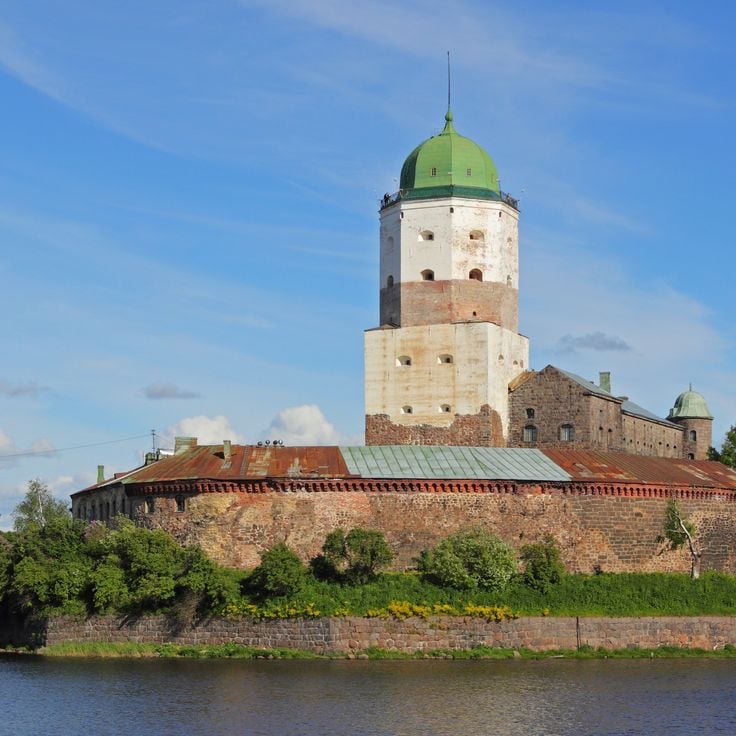
This 13th-century fortress stands on an island in the Vyborg archipelago. The castle was built by the Swedes as a border stronghold against Novgorod and demonstrates medieval northern European military architecture through its massive stone walls, central tower and defensive installations that document the strategic value of this position on the Gulf of Finland.
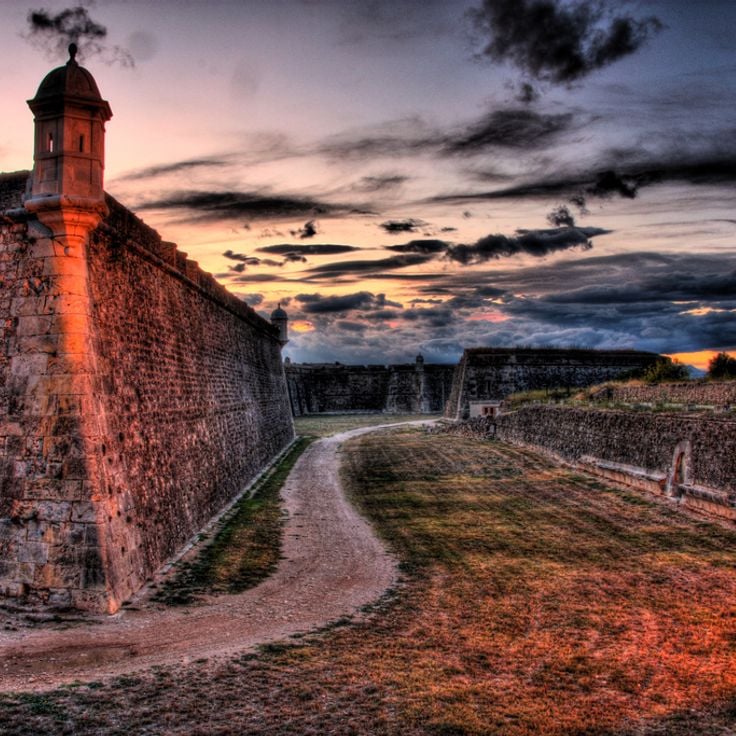
This 18th century fortress spans 80 acres (32 hectares) with five main bastions and extensive underground military facilities. Sant Ferran Castle demonstrates the evolution of European defense architecture into the modern era and complements the collection of medieval fortifications with an example of later military engineering.
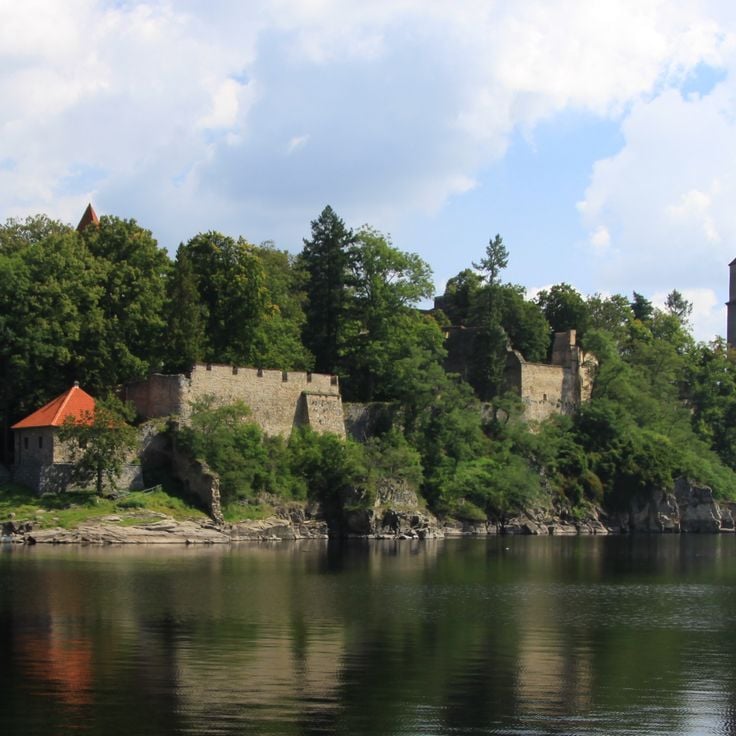
This thirteenth-century fortress guards the confluence of the Vltava and Otava rivers from a rocky cliff. The complex includes several defensive towers, thick fortification walls and preserved living quarters. Zvikov Castle originally belonged to the Bohemian Crown and served as a strategic control point over important trade routes. The preserved defensive structures provide insight into medieval fortification systems.
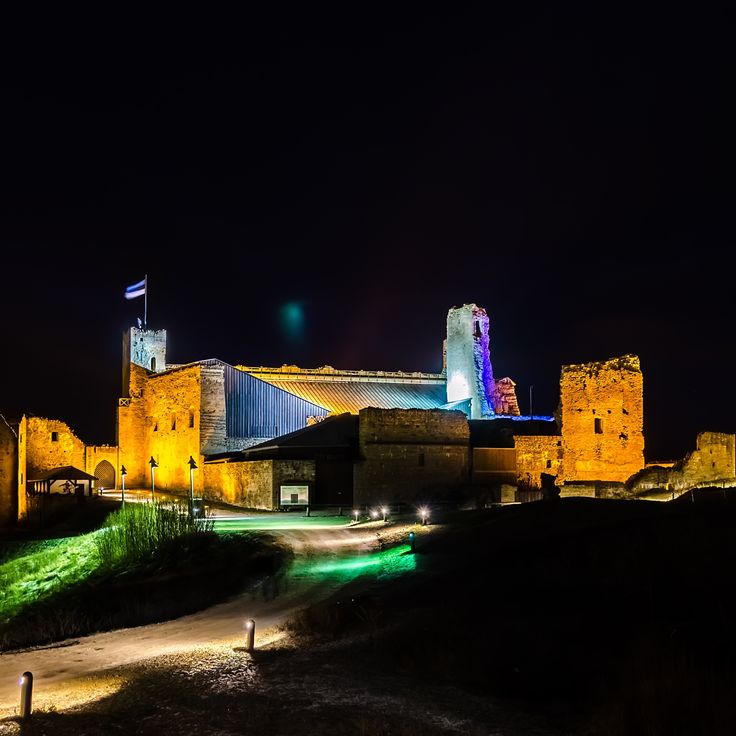
This 13th-century fortress forms part of Europe's medieval defensive architecture in Estonia. Visitors can participate in demonstrations of medieval life and examine historical weapons. The complex presents towers and fortification walls that provide insights into past defense systems.
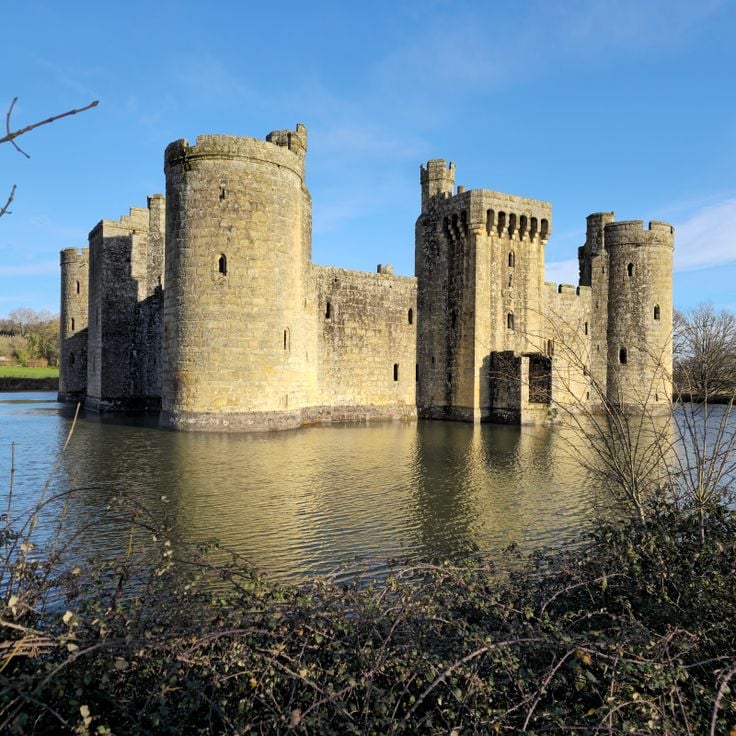
This medieval fortress was built in 1385 and represents one of England's preserved late fourteenth-century fortifications. Bodiam Castle demonstrates typical late medieval defensive architecture with its rectangular layout, four round corner towers and wide water-filled moat. The combination of drawbridge and water defenses illustrates the fortification systems of the period, designed to provide protection against attacks.
This medieval fortress built on a 3960-foot (1207-meter) limestone rock served as a refuge for Cathars in the 13th century and demonstrates defense systems of that era, making Château de Montségur an important example of European castle architecture.
This 13th-century Arabic palace complex combines residential buildings, military structures and gardens on a hill above Granada. The red walls enclose decorated halls and courtyards with water features, offering insights into Moorish architecture and defense systems within this European fortress collection.
Castle Frankenstein has stood on a 1,214-foot (370-meter) hill in the Odenwald forest since the 13th century. This medieval fortress displays typical hilltop castle construction with its two towers and castle chapel. The structure provides insight into defensive architecture and life at a border fortress between competing territories. The preserved walls and towers demonstrate the strategic importance of this castle in southern Hesse.
This 11th-century fortress stands on Mount Titano and demonstrates the defensive architecture of the early Republic of San Marino. The Guaita served for centuries as a watchtower and prison, forming with its walls and towers one of three characteristic fortifications along the mountain ridge. The ramparts offer views across the surrounding landscape to the Adriatic coast.
This Renaissance castle from the 16th century was built into a 123-meter (404-foot) high cliff face and connects to a cave system. Predjama Castle demonstrates medieval defense strategies through the integration of natural rock formations, with underground passages linking the fortress to the caves behind. The complex combines fortification elements with residential quarters and shows how castle builders used geographic features for protection and strategic advantage.
This Renaissance fortress from the 16th century once controlled the Øresund strait and served as the setting for Shakespeare's Hamlet. Kronborg Castle presents fortifications, casemates and royal chambers that offer insights into Danish defense architecture and princely residences of the period.
This castle from the 13th century stands on a sandstone formation in the Bohemian countryside. The fortress complex displays Gothic architectural elements and several defensive towers. Local legends describe a deep shaft beneath the chapel that was sealed during construction. The walls and interior spaces document various building phases between the medieval period and the Baroque era.
This medieval structure from the 13th century rises from a limestone outcrop and demonstrates the evolution of defensive architecture across several centuries. Château de Bonaguil features seven towers and three barbicans that illustrate the strategic complexity of late medieval fortifications. The fortress stands among the significant examples of European defensive works and documents the transition from medieval defense systems to early artillery fortifications.
This castle was built in the 19th century and contains 160 rooms with German architecture. The halls display a large collection of European art and historical furniture. As part of Europe's medieval castles and fortresses, Peles Castle offers insights into princely residences and their architectural development through the centuries.
This medieval fortress occupies an island between three sea lochs: Loch Duich, Loch Long and Loch Alsh. A stone bridge connects Eilean Donan to the mainland. The complex represents Scottish fortress architecture and displays characteristic defense structures including towers and reinforced walls from several building periods between the 13th and 20th centuries.
This 12th century castle complex occupies 41,000 square meters (4 hectares) on a limestone outcrop above Spišské Podhradie. Spiš Castle ranks among the most extensive fortified sites in Europe, displaying multiple defensive towers, fortification walls and courtyards that illustrate the evolution of military architecture from medieval times through the early modern period. The fortress served for centuries as a strategic control point over trade routes through the Carpathian foothills.
This 19th-century royal residence stands on a mountain peak in Hohenschwangau and ranks among Europe's most recognized medieval-style castle structures. The limestone facade and Romanesque towers rise above the Alpine valley. King Ludwig II commissioned the residence based on historical models, combining medieval architectural elements with contemporary construction techniques. The complex includes multiple floors with state rooms, a chapel and a throne hall that provide insights into princely living quarters of the late 19th century.
This Renaissance château in the Loire Valley stands among the largest of its kind in France and demonstrates the architectural ambitions of King Francis I. Château de Chambord contains 440 rooms and 365 fireplaces, while the central double helix staircase showcases technical sophistication with its two intertwined spirals. Originally built as a royal hunting lodge, the estate combines French medieval construction with Italian Renaissance design elements across extensive parkland spanning 13,000 acres (5,260 hectares).
This 14th-century castle rises from an island in Lake Galvė and ranks among the most important fortresses in Lithuania. Trakai Island Castle served as a residence for Lithuanian Grand Dukes and displays defensive walls of red brick, several towers and a central residential palace. The complex was restored in the 20th century and now presents historical exhibitions on the history of the Grand Duchy of Lithuania and late medieval military architecture.
This 14th-century fortress rises from a 200-foot (60-meter) limestone outcrop in the Carpathian Mountains and presents the fortifications built to secure trade routes between Transylvania and Wallachia. The structure contains 57 rooms connected by spiral staircases, along with inner courtyards, towers and underground passages that provide insights into European medieval defense systems.
This 12th-century castle was the birthplace of William the Conqueror and ranks among Europe's important Norman fortifications. The Château de Falaise rises on a high rock above the town and demonstrates the architectural evolution of medieval defensive structures through its three massive towers, thick ramparts and a large rectangular keep. The complex documents the transition from early medieval to late medieval fortress architecture.
This medieval castle was built in the 12th century and displays Romanesque and Gothic architecture with large round towers and pointed arches. The complex documents the development of European fortifications across several centuries and served as a princely residence.
This 19th century fortress features 820 feet (250 meters) of exterior walls, multiple towers and a large garden facing the coastline. Gwrych Castle demonstrates the architectural characteristics of Welsh fortifications from this period and adds to the European collection of medieval defense structures and princely residences.
This medieval fortress rises from a rock formation 2,045 feet (623 meters) above the Salzach Valley and served for centuries as a military stronghold of the prince-archbishops of Salzburg. The complex preserves Austrian defensive architecture with fortification walls, towers and defensive installations. Hohenwerfen Castle offers insight into the strategic importance of alpine fortifications and their role in controlling major trade routes through the region.
Quinta da Regaleira was built between 1904 and 1910 and incorporates Roman, Gothic and Renaissance elements in its architecture, along with references to alchemy and Masonry. While the estate falls outside the medieval period, the towers, battlements and underground passages demonstrate similar defense principles as European castles and fortresses from past centuries. The property covers approximately 10 acres (4 hectares) and includes gardens, fountains and a spiral initiation well.
This Gothic Revival castle stands on a limestone outcrop in the Swabian Alps and represents a 19th century interpretation of medieval European castles and fortresses. Lichtenstein Castle was built in 1842 following designs by Carl Alexander Heideloff for Count Wilhelm of Württemberg. The structure includes several towers, battlements and a keep. From its ramparts, visitors can observe the Echaz valley and surrounding ridges. Inside, collections of historical weapons and armor from different centuries are on display. Access is gained via a fortified path and a stone bridge.
Burg Eltz rises from a rock spur 70 meters (230 feet) above the Moselle valley and stands among the notable examples of medieval fortification architecture in Europe. Built in the 12th century, the complex comprises eight towers and three separate residential houses that together form an intricate compound. The castle demonstrates characteristic elements of medieval defensive structures and princely residences.
This 13th-century castle stands on Tepec hill and presents partially preserved stone walls and towers of medieval fortification architecture. The site offers insight into Croatia's historical defense systems and provides views across Samobor and the surrounding valley.
This palace combines Neo-Gothic, Manueline and Moorish architectural elements in a complex dating from 1854. The colored facades feature azulejo decoration, while the buildings are surrounded by extensive gardens. Pena Palace represents 19th-century Romantic architecture and demonstrates how European princely residences reinterpreted historical styles.
This castle was built in the 19th century following medieval designs, demonstrating how Victorian architects reinterpreted historical fortifications. The red towers of Castell Coch rise above the Taff Valley, combining Gothic elements with period craftsmanship. The interiors present decorative paintings and carved woodwork that illustrate late 19th-century aristocratic retreats.
This 13th-century fortress stands on an island in the Vyborg archipelago. The castle was built by the Swedes as a border stronghold against Novgorod and demonstrates medieval northern European military architecture through its massive stone walls, central tower and defensive installations that document the strategic value of this position on the Gulf of Finland.
This 18th century fortress spans 80 acres (32 hectares) with five main bastions and extensive underground military facilities. Sant Ferran Castle demonstrates the evolution of European defense architecture into the modern era and complements the collection of medieval fortifications with an example of later military engineering.
This thirteenth-century fortress guards the confluence of the Vltava and Otava rivers from a rocky cliff. The complex includes several defensive towers, thick fortification walls and preserved living quarters. Zvikov Castle originally belonged to the Bohemian Crown and served as a strategic control point over important trade routes. The preserved defensive structures provide insight into medieval fortification systems.
This 13th-century fortress forms part of Europe's medieval defensive architecture in Estonia. Visitors can participate in demonstrations of medieval life and examine historical weapons. The complex presents towers and fortification walls that provide insights into past defense systems.
This medieval fortress was built in 1385 and represents one of England's preserved late fourteenth-century fortifications. Bodiam Castle demonstrates typical late medieval defensive architecture with its rectangular layout, four round corner towers and wide water-filled moat. The combination of drawbridge and water defenses illustrates the fortification systems of the period, designed to provide protection against attacks.
This medieval fortress built on a 3960-foot (1207-meter) limestone rock served as a refuge for Cathars in the 13th century and demonstrates defense systems of that era, making Château de Montségur an important example of European castle architecture.
This 13th-century Arabic palace complex combines residential buildings, military structures and gardens on a hill above Granada. The red walls enclose decorated halls and courtyards with water features, offering insights into Moorish architecture and defense systems within this European fortress collection.
Castle Frankenstein has stood on a 1,214-foot (370-meter) hill in the Odenwald forest since the 13th century. This medieval fortress displays typical hilltop castle construction with its two towers and castle chapel. The structure provides insight into defensive architecture and life at a border fortress between competing territories. The preserved walls and towers demonstrate the strategic importance of this castle in southern Hesse.
This 11th-century fortress stands on Mount Titano and demonstrates the defensive architecture of the early Republic of San Marino. The Guaita served for centuries as a watchtower and prison, forming with its walls and towers one of three characteristic fortifications along the mountain ridge. The ramparts offer views across the surrounding landscape to the Adriatic coast.
This Renaissance castle from the 16th century was built into a 123-meter (404-foot) high cliff face and connects to a cave system. Predjama Castle demonstrates medieval defense strategies through the integration of natural rock formations, with underground passages linking the fortress to the caves behind. The complex combines fortification elements with residential quarters and shows how castle builders used geographic features for protection and strategic advantage.
This Renaissance fortress from the 16th century once controlled the Øresund strait and served as the setting for Shakespeare's Hamlet. Kronborg Castle presents fortifications, casemates and royal chambers that offer insights into Danish defense architecture and princely residences of the period.
This castle from the 13th century stands on a sandstone formation in the Bohemian countryside. The fortress complex displays Gothic architectural elements and several defensive towers. Local legends describe a deep shaft beneath the chapel that was sealed during construction. The walls and interior spaces document various building phases between the medieval period and the Baroque era.
This medieval structure from the 13th century rises from a limestone outcrop and demonstrates the evolution of defensive architecture across several centuries. Château de Bonaguil features seven towers and three barbicans that illustrate the strategic complexity of late medieval fortifications. The fortress stands among the significant examples of European defensive works and documents the transition from medieval defense systems to early artillery fortifications.
This castle was built in the 19th century and contains 160 rooms with German architecture. The halls display a large collection of European art and historical furniture. As part of Europe's medieval castles and fortresses, Peles Castle offers insights into princely residences and their architectural development through the centuries.
This medieval fortress occupies an island between three sea lochs: Loch Duich, Loch Long and Loch Alsh. A stone bridge connects Eilean Donan to the mainland. The complex represents Scottish fortress architecture and displays characteristic defense structures including towers and reinforced walls from several building periods between the 13th and 20th centuries.
This 12th century castle complex occupies 41,000 square meters (4 hectares) on a limestone outcrop above Spišské Podhradie. Spiš Castle ranks among the most extensive fortified sites in Europe, displaying multiple defensive towers, fortification walls and courtyards that illustrate the evolution of military architecture from medieval times through the early modern period. The fortress served for centuries as a strategic control point over trade routes through the Carpathian foothills.
This 19th-century royal residence stands on a mountain peak in Hohenschwangau and ranks among Europe's most recognized medieval-style castle structures. The limestone facade and Romanesque towers rise above the Alpine valley. King Ludwig II commissioned the residence based on historical models, combining medieval architectural elements with contemporary construction techniques. The complex includes multiple floors with state rooms, a chapel and a throne hall that provide insights into princely living quarters of the late 19th century.
This Renaissance château in the Loire Valley stands among the largest of its kind in France and demonstrates the architectural ambitions of King Francis I. Château de Chambord contains 440 rooms and 365 fireplaces, while the central double helix staircase showcases technical sophistication with its two intertwined spirals. Originally built as a royal hunting lodge, the estate combines French medieval construction with Italian Renaissance design elements across extensive parkland spanning 13,000 acres (5,260 hectares).
This 14th-century castle rises from an island in Lake Galvė and ranks among the most important fortresses in Lithuania. Trakai Island Castle served as a residence for Lithuanian Grand Dukes and displays defensive walls of red brick, several towers and a central residential palace. The complex was restored in the 20th century and now presents historical exhibitions on the history of the Grand Duchy of Lithuania and late medieval military architecture.
This 14th-century fortress rises from a 200-foot (60-meter) limestone outcrop in the Carpathian Mountains and presents the fortifications built to secure trade routes between Transylvania and Wallachia. The structure contains 57 rooms connected by spiral staircases, along with inner courtyards, towers and underground passages that provide insights into European medieval defense systems.
This 12th-century castle was the birthplace of William the Conqueror and ranks among Europe's important Norman fortifications. The Château de Falaise rises on a high rock above the town and demonstrates the architectural evolution of medieval defensive structures through its three massive towers, thick ramparts and a large rectangular keep. The complex documents the transition from early medieval to late medieval fortress architecture.
This medieval castle was built in the 12th century and displays Romanesque and Gothic architecture with large round towers and pointed arches. The complex documents the development of European fortifications across several centuries and served as a princely residence.
This 19th century fortress features 820 feet (250 meters) of exterior walls, multiple towers and a large garden facing the coastline. Gwrych Castle demonstrates the architectural characteristics of Welsh fortifications from this period and adds to the European collection of medieval defense structures and princely residences.
This medieval fortress rises from a rock formation 2,045 feet (623 meters) above the Salzach Valley and served for centuries as a military stronghold of the prince-archbishops of Salzburg. The complex preserves Austrian defensive architecture with fortification walls, towers and defensive installations. Hohenwerfen Castle offers insight into the strategic importance of alpine fortifications and their role in controlling major trade routes through the region.
Quinta da Regaleira was built between 1904 and 1910 and incorporates Roman, Gothic and Renaissance elements in its architecture, along with references to alchemy and Masonry. While the estate falls outside the medieval period, the towers, battlements and underground passages demonstrate similar defense principles as European castles and fortresses from past centuries. The property covers approximately 10 acres (4 hectares) and includes gardens, fountains and a spiral initiation well.
This Gothic Revival castle stands on a limestone outcrop in the Swabian Alps and represents a 19th century interpretation of medieval European castles and fortresses. Lichtenstein Castle was built in 1842 following designs by Carl Alexander Heideloff for Count Wilhelm of Württemberg. The structure includes several towers, battlements and a keep. From its ramparts, visitors can observe the Echaz valley and surrounding ridges. Inside, collections of historical weapons and armor from different centuries are on display. Access is gained via a fortified path and a stone bridge.
Burg Eltz rises from a rock spur 70 meters (230 feet) above the Moselle valley and stands among the notable examples of medieval fortification architecture in Europe. Built in the 12th century, the complex comprises eight towers and three separate residential houses that together form an intricate compound. The castle demonstrates characteristic elements of medieval defensive structures and princely residences.
This 13th-century castle stands on Tepec hill and presents partially preserved stone walls and towers of medieval fortification architecture. The site offers insight into Croatia's historical defense systems and provides views across Samobor and the surrounding valley.
This palace combines Neo-Gothic, Manueline and Moorish architectural elements in a complex dating from 1854. The colored facades feature azulejo decoration, while the buildings are surrounded by extensive gardens. Pena Palace represents 19th-century Romantic architecture and demonstrates how European princely residences reinterpreted historical styles.
This castle was built in the 19th century following medieval designs, demonstrating how Victorian architects reinterpreted historical fortifications. The red towers of Castell Coch rise above the Taff Valley, combining Gothic elements with period craftsmanship. The interiors present decorative paintings and carved woodwork that illustrate late 19th-century aristocratic retreats.
This 13th-century fortress stands on an island in the Vyborg archipelago. The castle was built by the Swedes as a border stronghold against Novgorod and demonstrates medieval northern European military architecture through its massive stone walls, central tower and defensive installations that document the strategic value of this position on the Gulf of Finland.
This 18th century fortress spans 80 acres (32 hectares) with five main bastions and extensive underground military facilities. Sant Ferran Castle demonstrates the evolution of European defense architecture into the modern era and complements the collection of medieval fortifications with an example of later military engineering.
This thirteenth-century fortress guards the confluence of the Vltava and Otava rivers from a rocky cliff. The complex includes several defensive towers, thick fortification walls and preserved living quarters. Zvikov Castle originally belonged to the Bohemian Crown and served as a strategic control point over important trade routes. The preserved defensive structures provide insight into medieval fortification systems.
This 13th-century fortress forms part of Europe's medieval defensive architecture in Estonia. Visitors can participate in demonstrations of medieval life and examine historical weapons. The complex presents towers and fortification walls that provide insights into past defense systems.
This medieval fortress was built in 1385 and represents one of England's preserved late fourteenth-century fortifications. Bodiam Castle demonstrates typical late medieval defensive architecture with its rectangular layout, four round corner towers and wide water-filled moat. The combination of drawbridge and water defenses illustrates the fortification systems of the period, designed to provide protection against attacks.