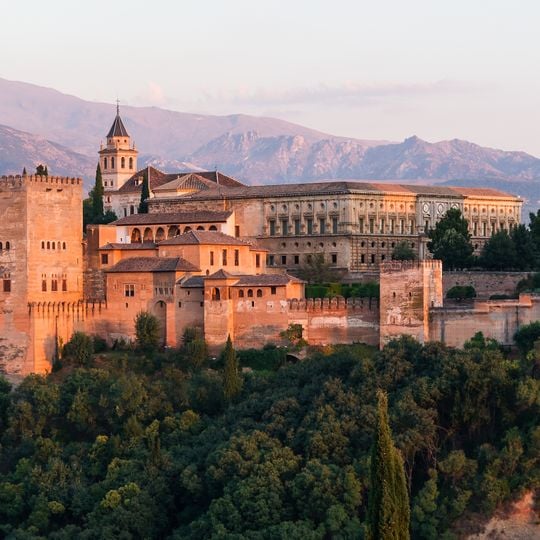
Alhambra, Palace complex in Granada, Spain
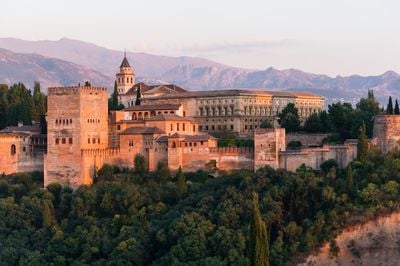
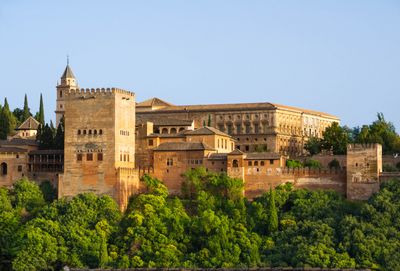
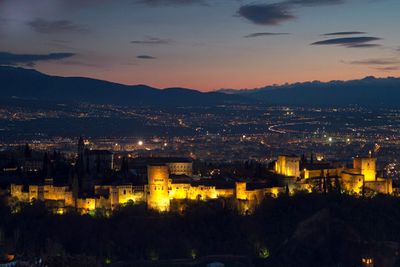
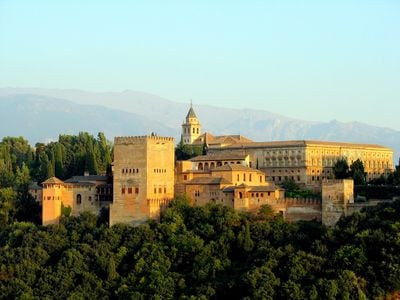
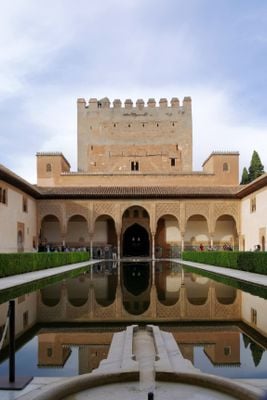
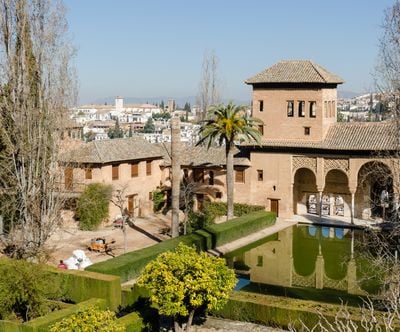
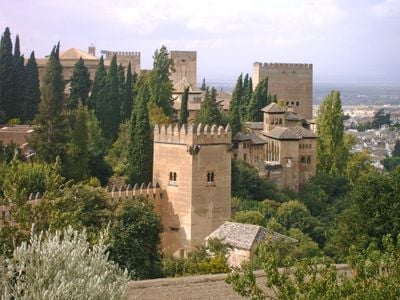
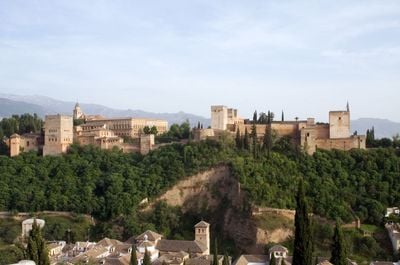
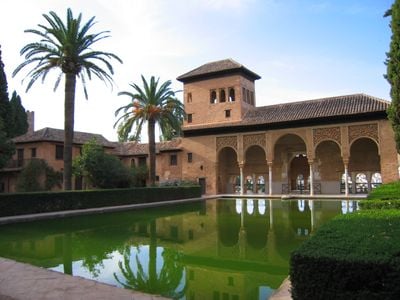
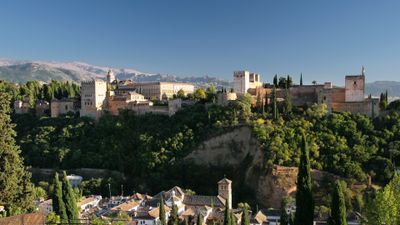
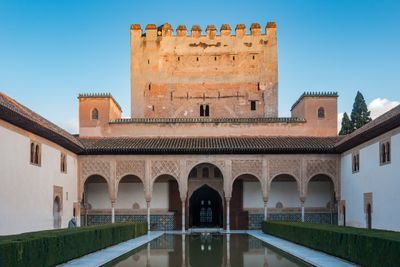
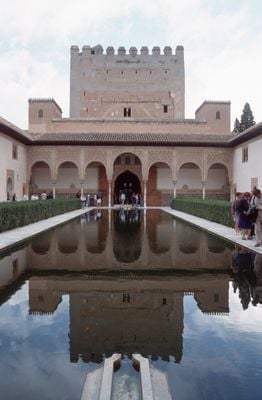
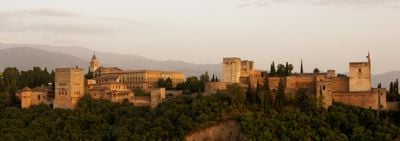
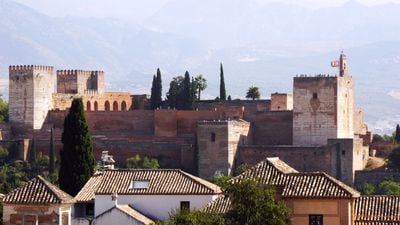
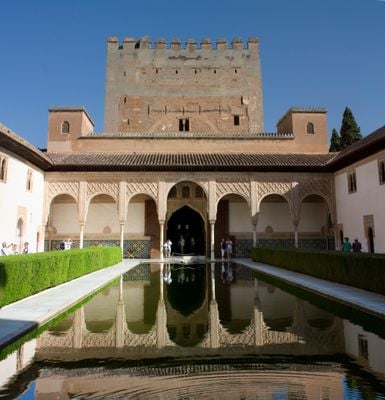
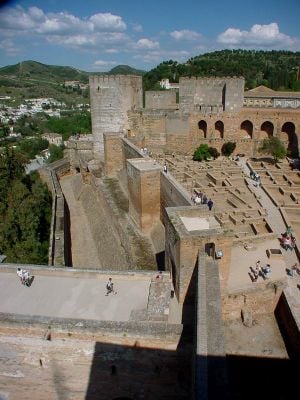
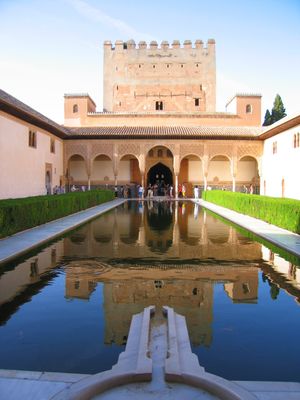
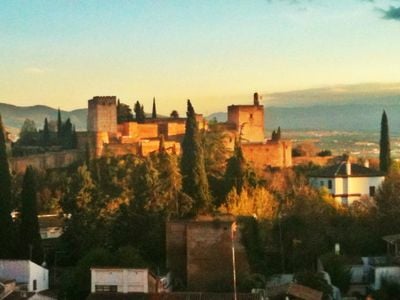
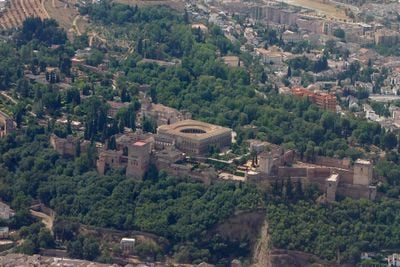
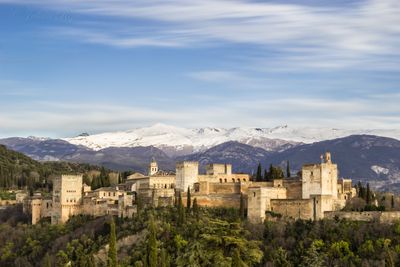
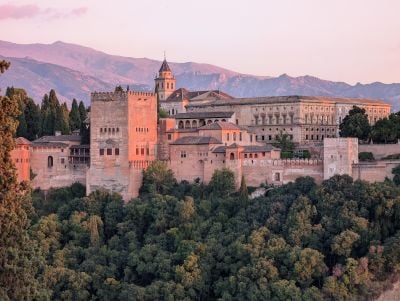
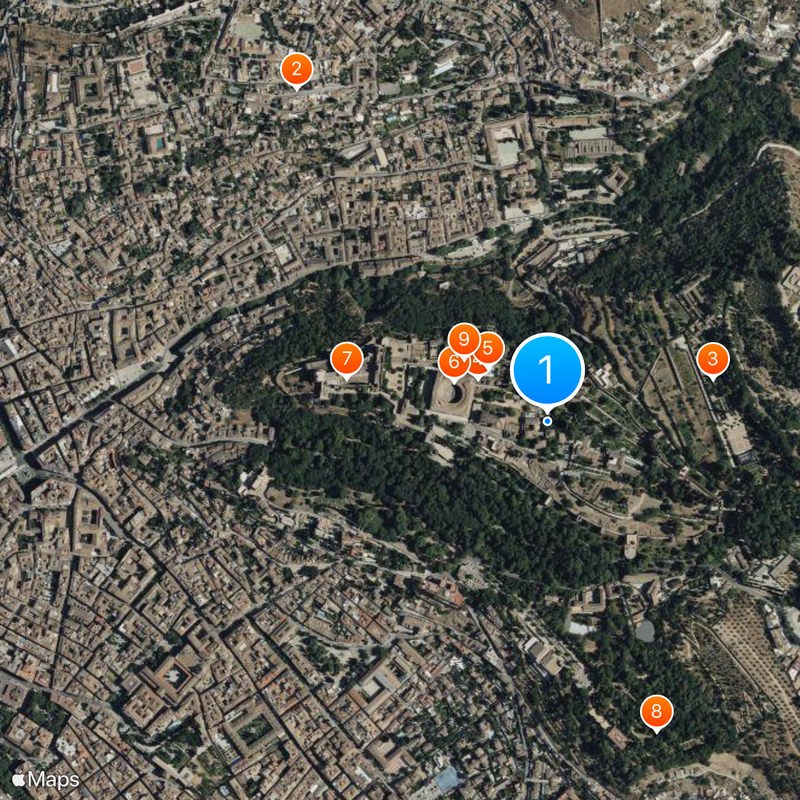
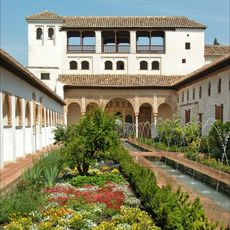
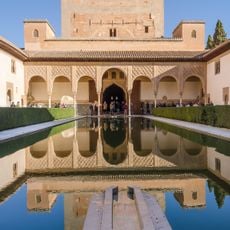
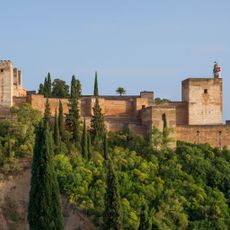
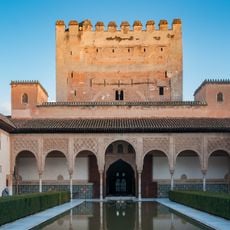
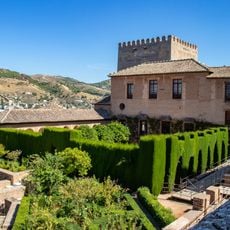
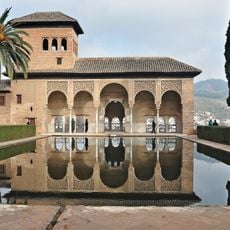
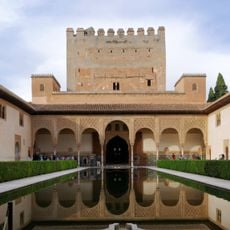
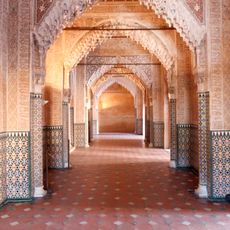
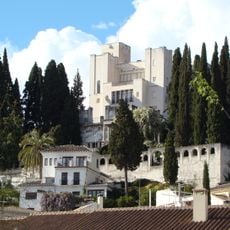
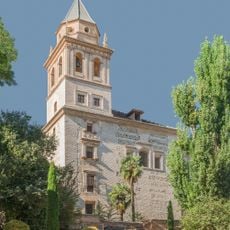
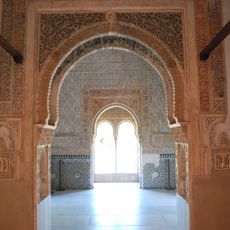
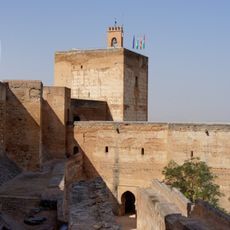
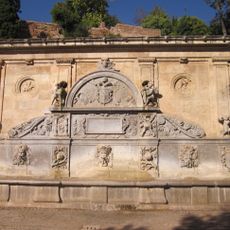
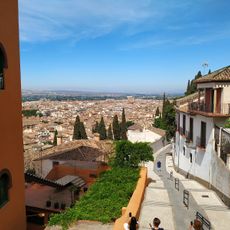
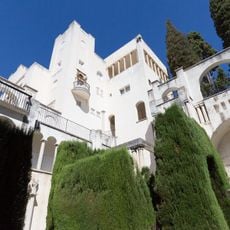
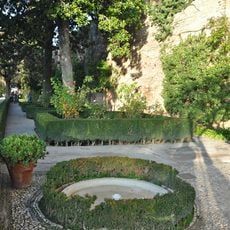
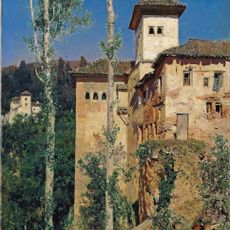
The Alhambra is a palace and fortress complex on the Sabika hill, begun in 1238 by Muhammad I Ibn al-Ahmar. Its Nasrid palaces, including the Mexuar, Comares, and Palace of the Lions, are arranged around courtyards with central pools or fountains, decorated with tile mosaics below and carved stucco above. The Alcazaba fortress stands at the western tip, and the Generalife lies outside the walls to the east.
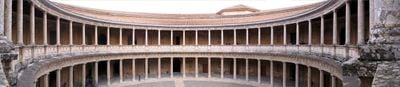
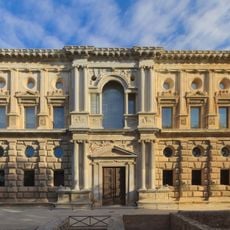
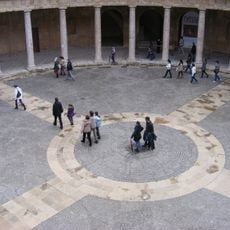
Muhammad I Ibn al-Ahmar initiated construction of the fortress in 1238, which his successors transformed into a royal residence throughout the next two centuries. Following the Catholic Monarchs' conquest of Granada in 1492, Christian elements were incorporated including the Palace of Charles V, while the grounds continued functioning as a royal seat.
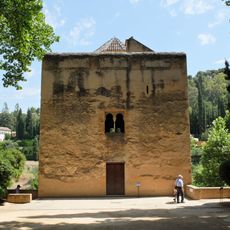
The name Alhambra comes from the Arabic al-Ḥamrāʼ, "the red one", after the reddish rammed-earth walls coloured by iron oxide in the local clay. Most names used today for its halls and courtyards were coined after the medieval period, often in the 19th century, so the original Nasrid names are largely unknown. Washington Irving's Tales of the Alhambra (1832) drew European Romantic travellers to the site.
Timed entry tickets are required for different sections, with morning hours providing better lighting conditions for photography. Access to the Nasrid Palaces is limited to a specific number of visitors per time slot, making advance booking several weeks ahead advisable. Comfortable footwear is necessary as paths between sections involve uphill walking and uneven surfaces.
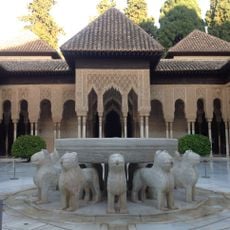
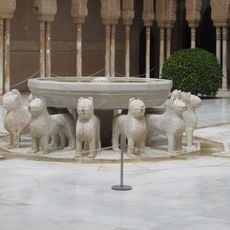
The Court of the Lions features a central fountain supported by twelve marble lions that deliver water through their mouths. The hydraulic system uses a network of underground channels to ensure even water distribution and still operates following centuries-old engineering principles.
The community of curious travelers
AroundUs brings together thousands of curated places, local tips, and hidden gems, enriched daily by 92,192 contributors worldwide.