See the monuments around you in AROpen chests in the app
Around Us is built for your phone — point your camera at the streets and discover the monuments and places around you in augmented reality.Around Us is built for your phone — chests unlock when you walk, explore and capture nearby places.
Stone mosaics tell the story of empires, religions, and daily life through patterns and images that have survived for centuries.
Stone mosaics adorn buildings across continents, offering insights into the artistic traditions of different eras. Roman floor mosaics feature mythological scenes and geometric patterns in villas and public baths. Byzantine wall mosaics in churches depict religious figures using gold tesserae, while Islamic mosaics in mosques and palaces showcase intricate geometric and floral compositions.
Examples of this art form can be found at Hagia Sophia in Istanbul, where Christian and Islamic elements coexist, in the early Christian basilicas of Ravenna with their detailed biblical narratives, and at the Dome of the Rock in Jerusalem with its elaborate arabesques. Modern interpretations appear in subway stations, public squares, and contemporary buildings, demonstrating the continued relevance of this technique.
Stone mosaics tell the story of empires, religions, and daily life through patterns and images that have survived for centuries.
Stone mosaics adorn buildings across continents, offering insights into the artistic traditions of different eras. Roman floor mosaics feature mythological scenes and geometric patterns in villas and public baths. Byzantine wall mosaics in churches depict religious figures using gold tesserae, while Islamic mosaics in mosques and palaces showcase intricate geometric and floral compositions.
Examples of this art form can be found at Hagia Sophia in Istanbul, where Christian and Islamic elements coexist, in the early Christian basilicas of Ravenna with their detailed biblical narratives, and at the Dome of the Rock in Jerusalem with its elaborate arabesques. Modern interpretations appear in subway stations, public squares, and contemporary buildings, demonstrating the continued relevance of this technique.
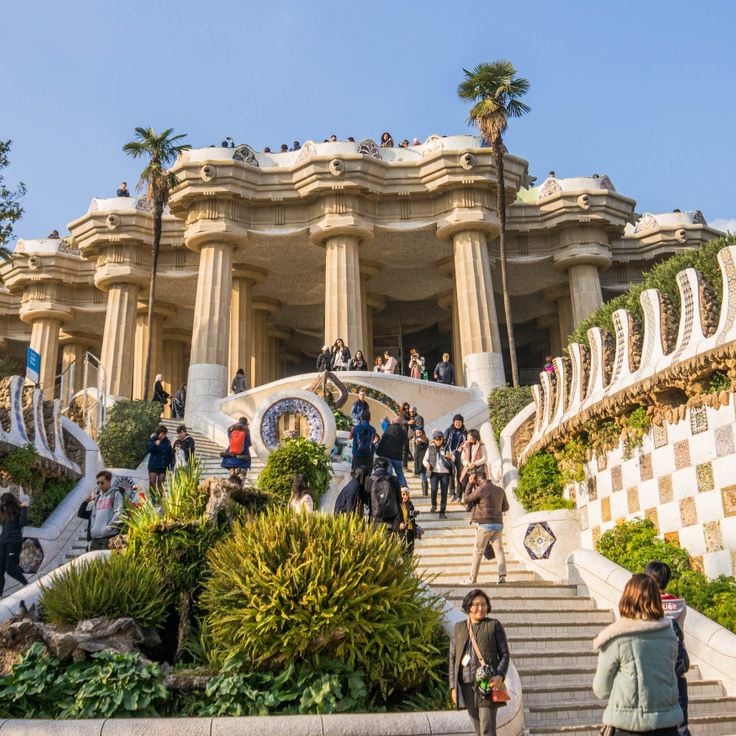
Park Güell in Barcelona is one of Antoni Gaudí's most recognized works. Designed between 1900 and 1914, it features mosaics made from broken ceramic tiles assembled using the trencadís technique. On the main terrace, a long serpentine bench is covered with ceramic fragments showing botanical and geometric motifs. At the entrance, a salamander figure greets visitors, entirely clad in colorful ceramic pieces. In the hall below, the ceilings are decorated with round mosaic medallions.
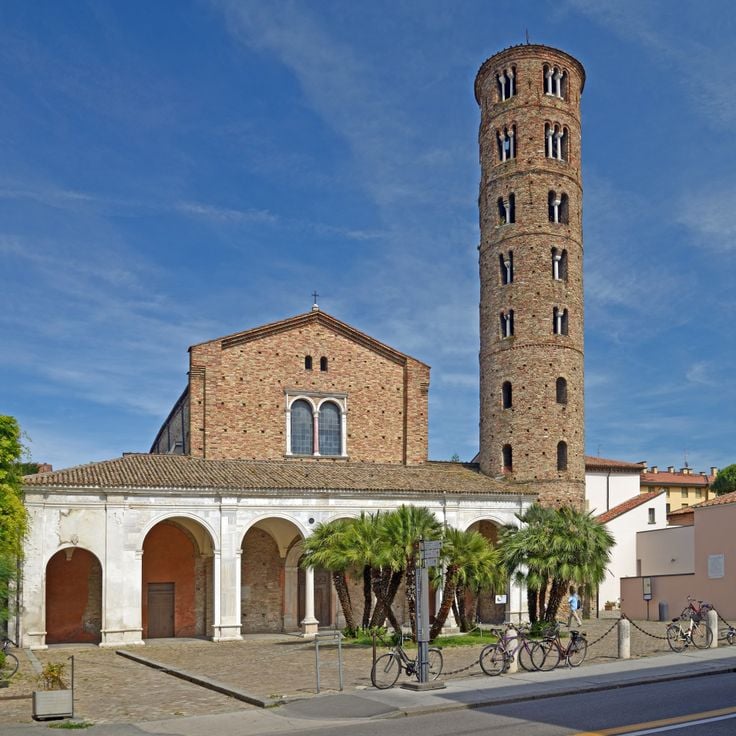
Sant'Apollinare Nuovo in Ravenna was built in the early 6th century. The mosaic bands along the nave walls show two long processions: on the left, 26 male martyrs walking from the port of Classe toward Christ, and on the right, 22 female martyrs moving toward the enthroned Virgin Mary with the Christ Child. Above them are rows of prophets, apostles, and scenes from the life of Jesus. This basilica stands as one of the finest examples of early Christian mosaic art anywhere in the world.
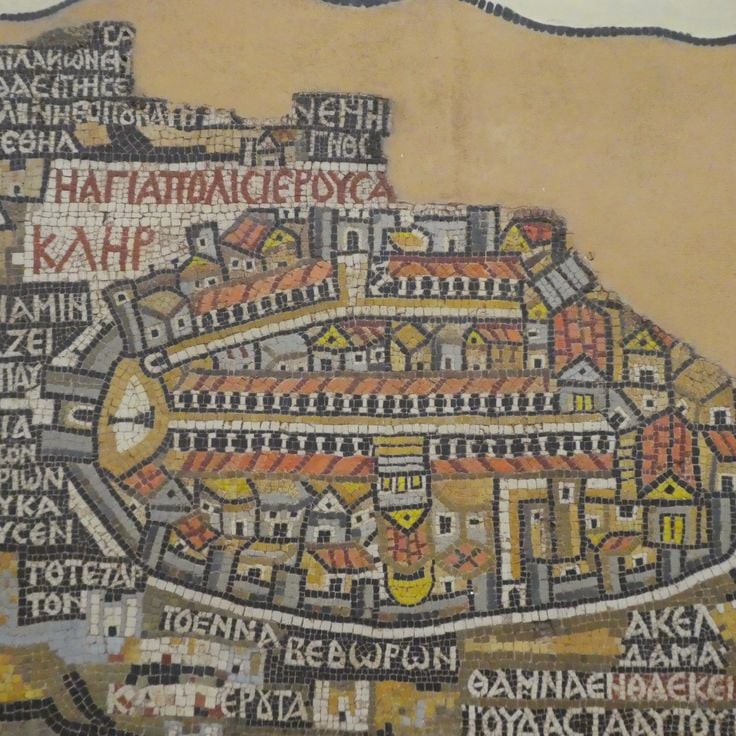
The Madaba Map in St. George's Church is a sixth-century mosaic floor showing a geographical view of the Holy Land. This map depicts Jerusalem, the Dead Sea, the Jordan River, and many biblical sites. It carries Greek inscriptions that name places and geographical details, and is considered the oldest surviving cartographic representation of Palestine.
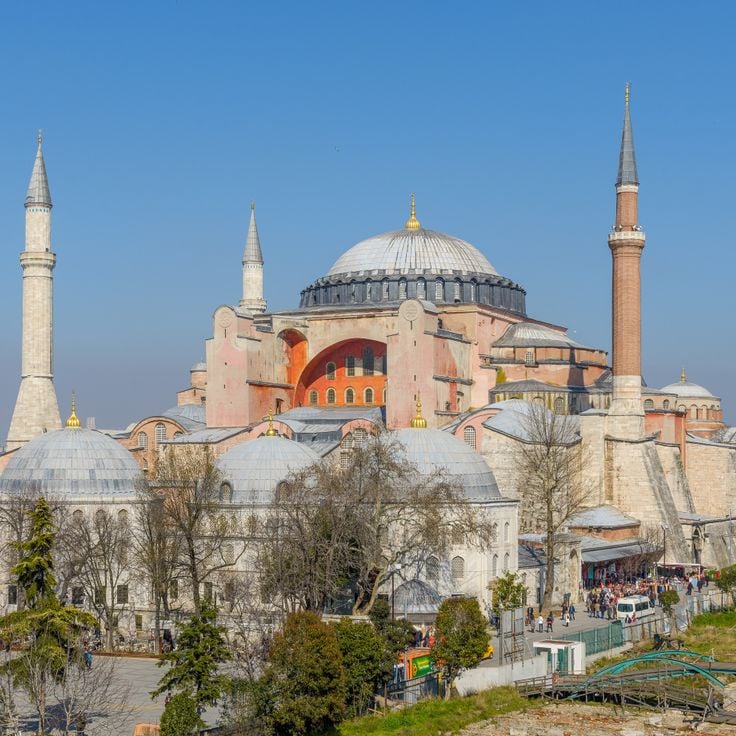
Hagia Sophia in Istanbul holds mosaics from two major artistic traditions side by side. The Byzantine mosaics, made between the 6th and 13th centuries, show religious scenes and portraits of emperors and empresses. When the building was later converted into a mosque, new elements were added that reflect Islamic visual language. This makes Hagia Sophia a rare place where the story of two faiths can be read directly from the walls.
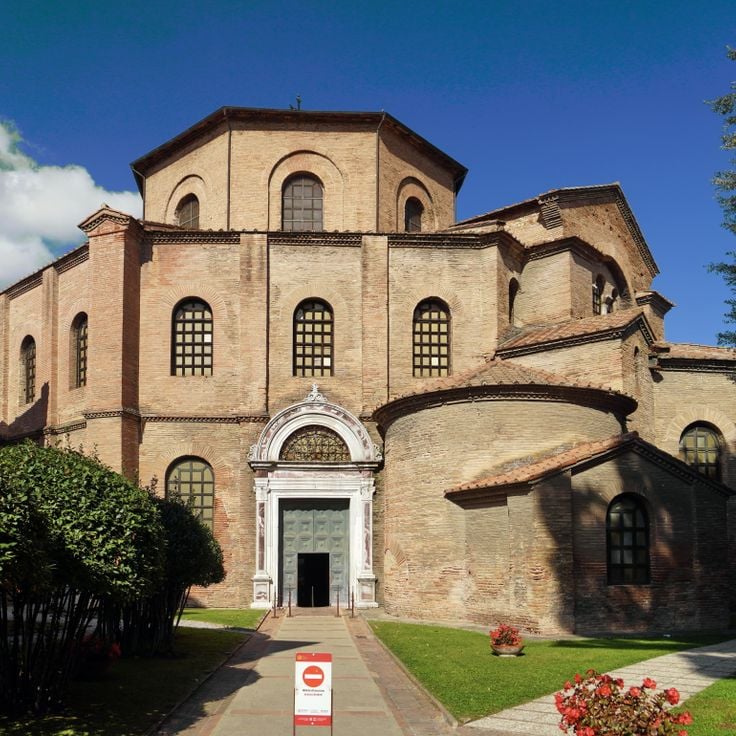
The Basilica of San Vitale in Ravenna was built in the 6th century and is one of the finest examples of Byzantine architecture in Western Europe. Its wall mosaics show biblical scenes, saints, and imperial figures. The panels depicting Emperor Justinian I and Empress Theodora with their courts are among the most celebrated in the world. The octagonal layout and building techniques reflect the direct influence of Constantinople. This basilica is a key stop for anyone tracing the story of stone mosaics across history.
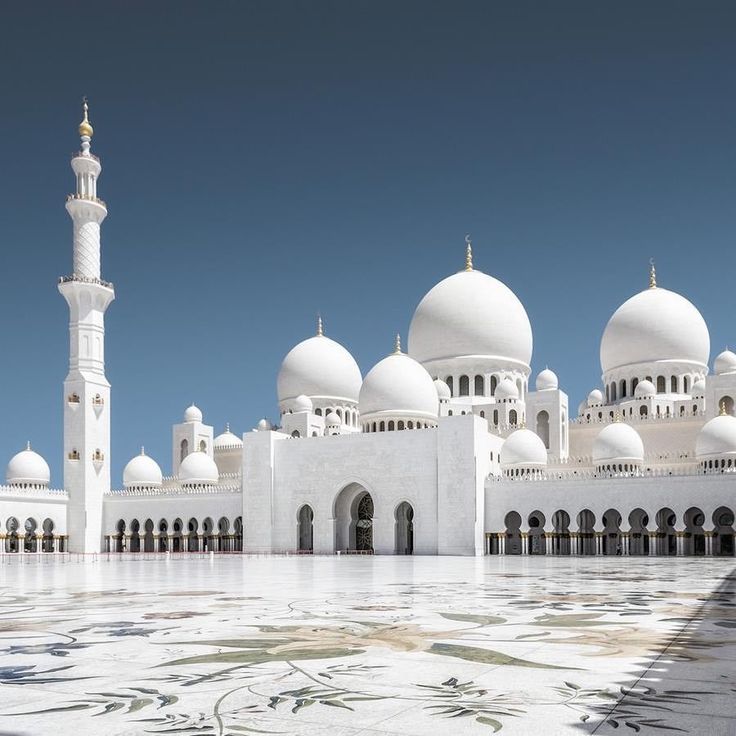
The Sheikh Zayed Grand Mosque in Abu Dhabi shows how stone mosaic continues in modern architecture. The prayer hall floors and walls are covered in marble mosaics featuring floral motifs. These works bring together traditional Islamic ornamentation and contemporary craftsmanship, running through every interior space of the mosque.
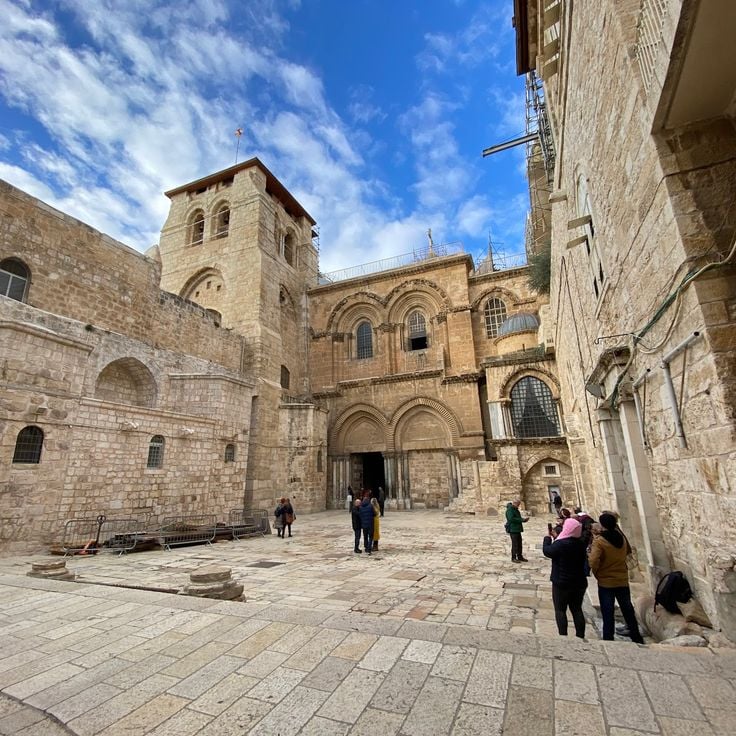
The Church of the Holy Sepulchre in Jerusalem is one of the most sacred sites in Christianity. Its walls are covered with stone mosaics showing scenes of the crucifixion, the resurrection, and other episodes from the New Testament. These images bring together religious storytelling and careful craftsmanship, shaping the feel of the church interior.
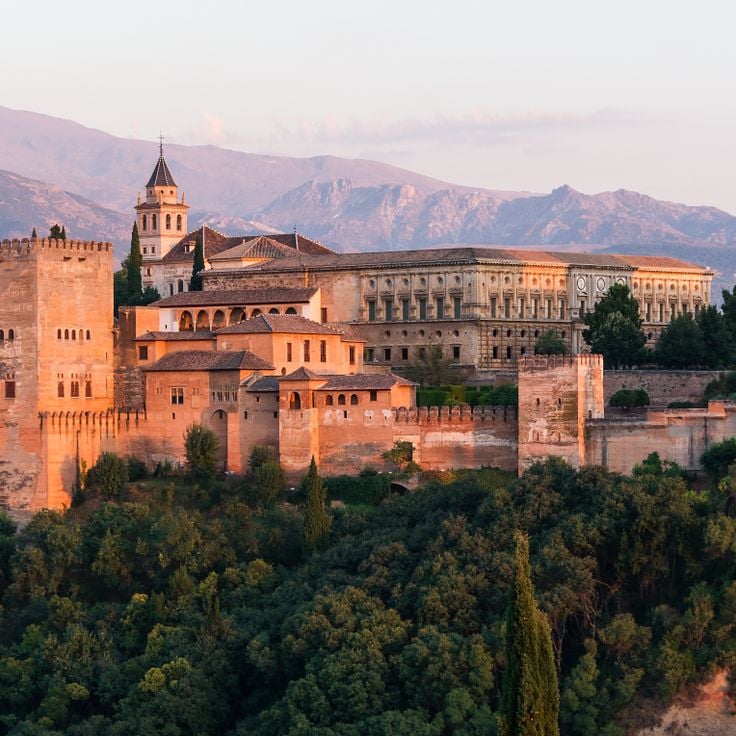
The Alhambra in Granada features stone mosaics with symmetrical patterns in blue, red and gold. The decoration combines mathematically exact stars with intertwined plant ornaments. These works were created by Nasrid artisans in the 13th and 14th centuries and show how geometry and color can work in close dialogue with each other.
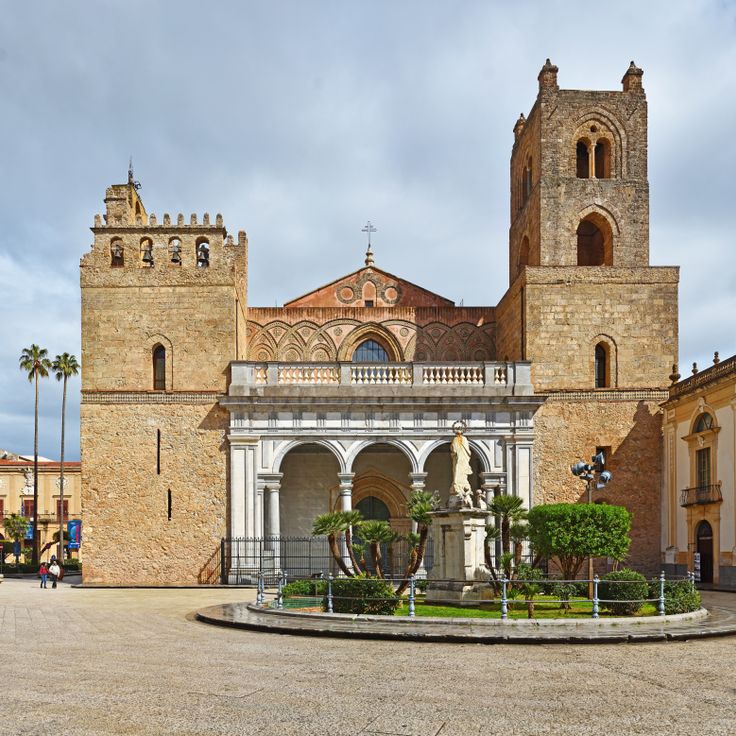
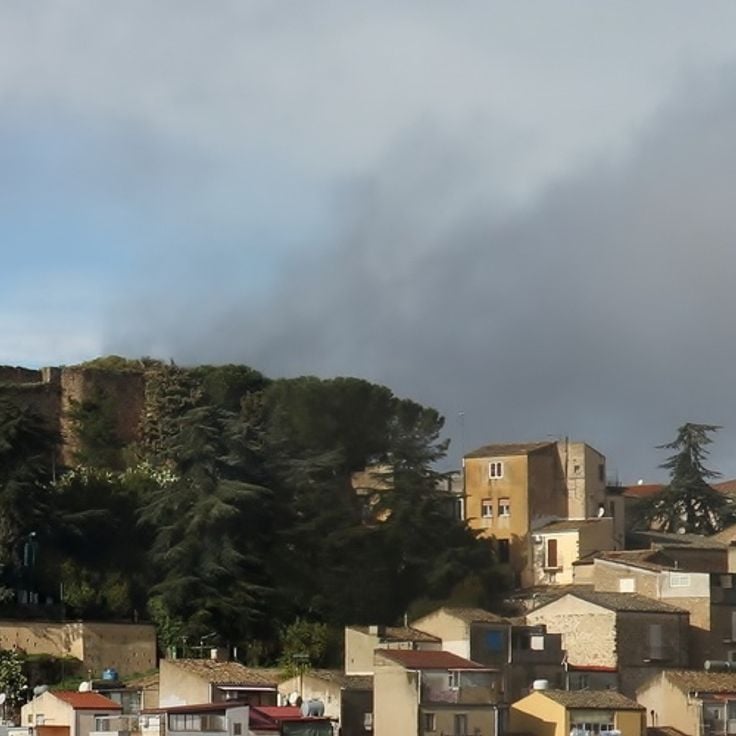
Monreale Cathedral houses one of the largest surviving collections of Byzantine mosaics from the 12th century. The gold-ground mosaics cover nearly every wall of the interior, showing scenes from the Old and New Testament: the story of Genesis, the life of Christ, and figures of saints. King William II of Sicily commissioned the cathedral, and the mix of Norman architecture with Byzantine mosaic art gives it a character unlike most churches of its time.
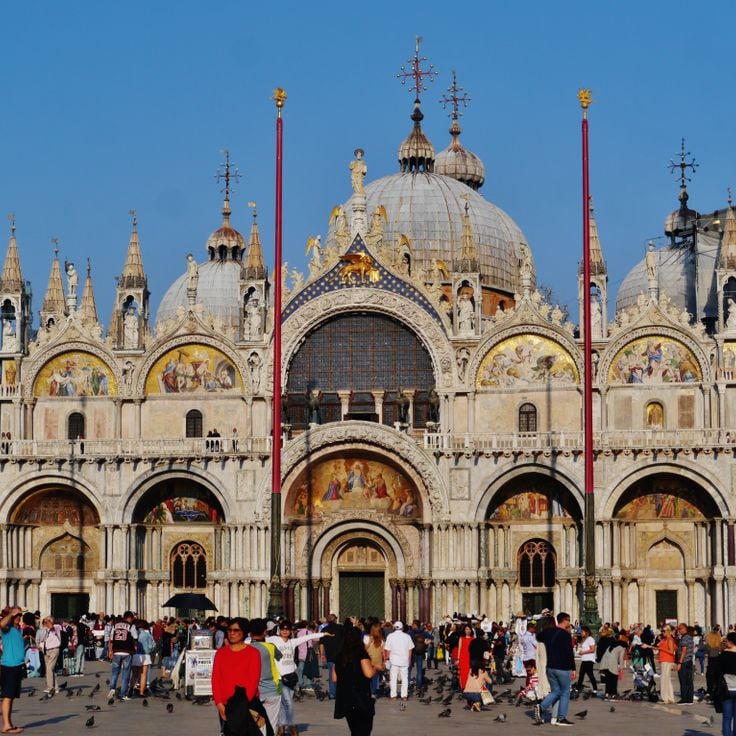
The mosaics of St Mark's Basilica cover walls, floors, and ceilings with gold, depicting scenes from the Bible and the lives of saints. Created from the 11th to the 19th century, they show how Byzantine mosaic art changed and grew over time in Venice.
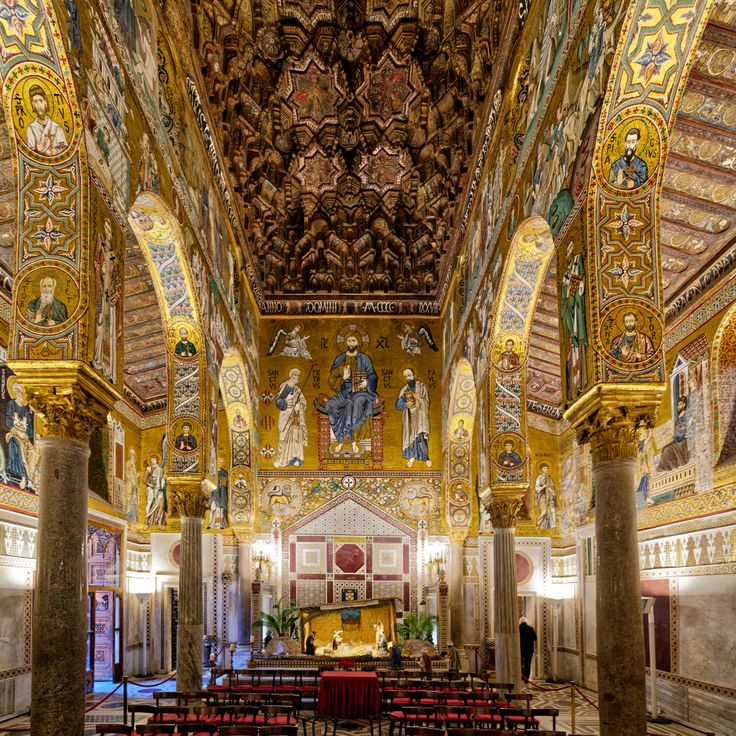
The Palatine Chapel in Palermo was built in the 12th century as the royal chapel of the Norman kings. Its walls and ceilings are covered in golden mosaics showing scenes from the Old and New Testaments. In the dome, Christ Pantocrator appears surrounded by angels and prophets. Arabic wooden carvings on the ceiling come together with Byzantine mosaic work and Romanesque architecture, making this chapel one of the most layered examples of medieval craftsmanship in Sicily.
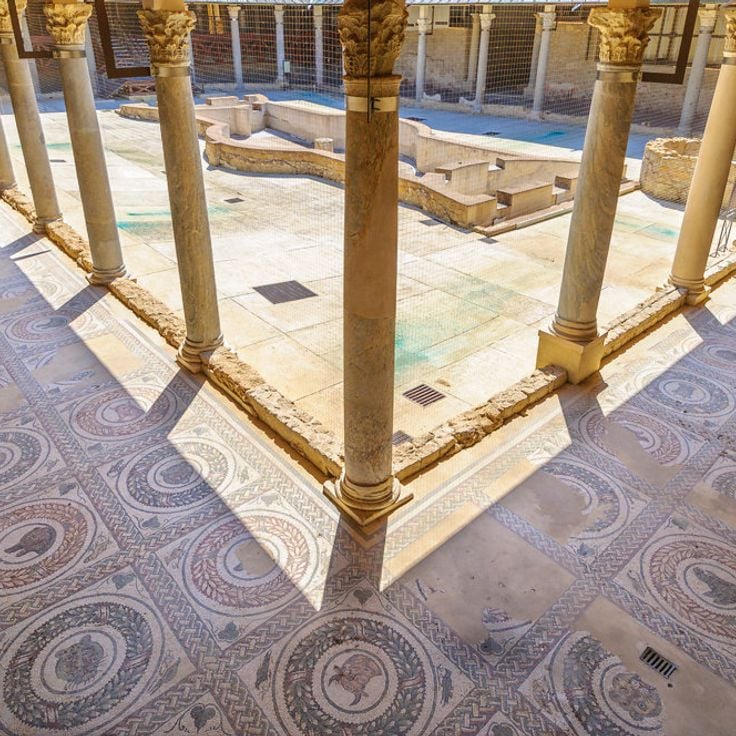
The floor mosaics of the Villa Romana del Casale near Piazza Armerina date from the 4th century and show scenes of daily life, athletic contests, hunting expeditions, and figures from Greek mythology. Among the most striking images are chariot races in the Circus Maximus and hunts for exotic animals. These mosaics form one of the most complete Roman mosaic cycles known today.
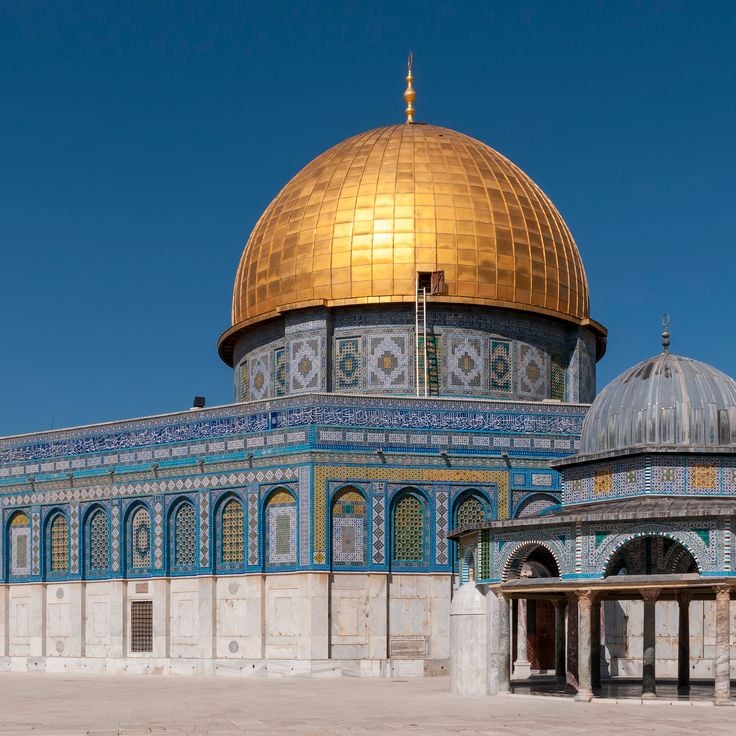
The Dome of the Rock holds some of the oldest mosaics in Islamic art, dating to the 7th century. Inside, the walls are covered with glass tesserae in gold, green and blue, along with mother-of-pearl. The patterns draw on geometric forms and plant motifs, paired with Arabic calligraphy carrying Quranic verses and dedications from the builders. This work in the Byzantine tradition runs across the octagonal arcades and the drum beneath the golden dome.
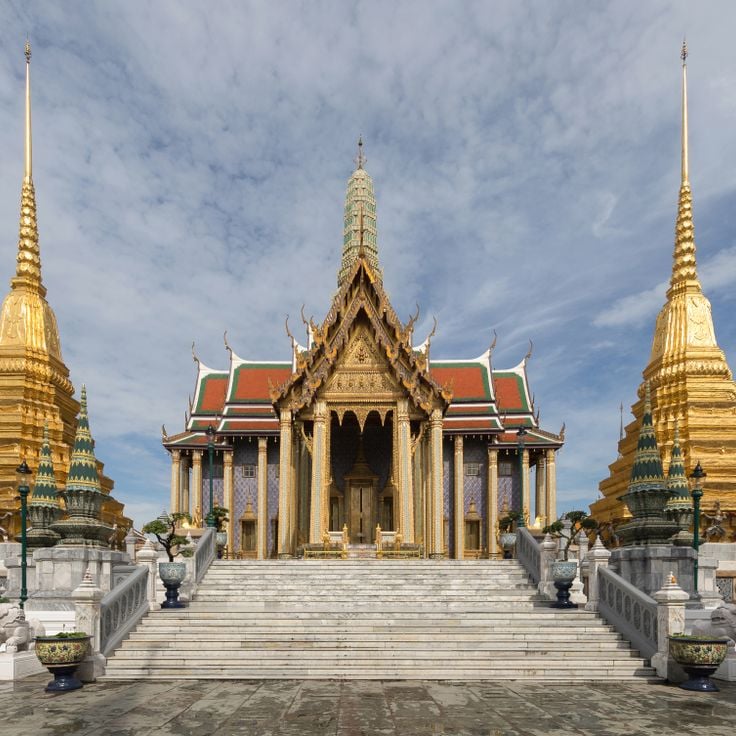
Wat Phra Kaew, also known as the Temple of the Emerald Buddha, is one of the most visited religious sites in Bangkok. Its outer walls are covered in glass mosaics of green and gold tones, forming traditional Thai patterns, religious scenes, and mythological figures. The colored glass pieces are combined with mirror elements that catch the sunlight, giving the royal temple compound a particular glow. This temple is a vivid example of how mosaic art continues to thrive in the religious architecture of Southeast Asia.
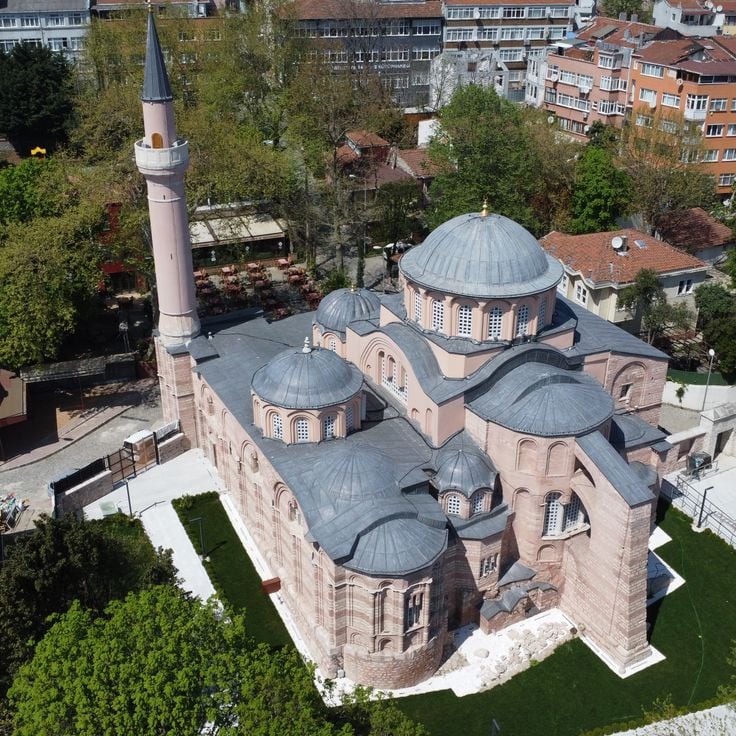
The Chora Church in Istanbul was built in the 5th century as a Byzantine place of worship. Its walls and ceilings are covered with golden mosaics showing scenes from the lives of Christ and Mary, alongside depictions of saints. Most of these works date from the 14th century and are among the finest examples of Byzantine mosaic art.
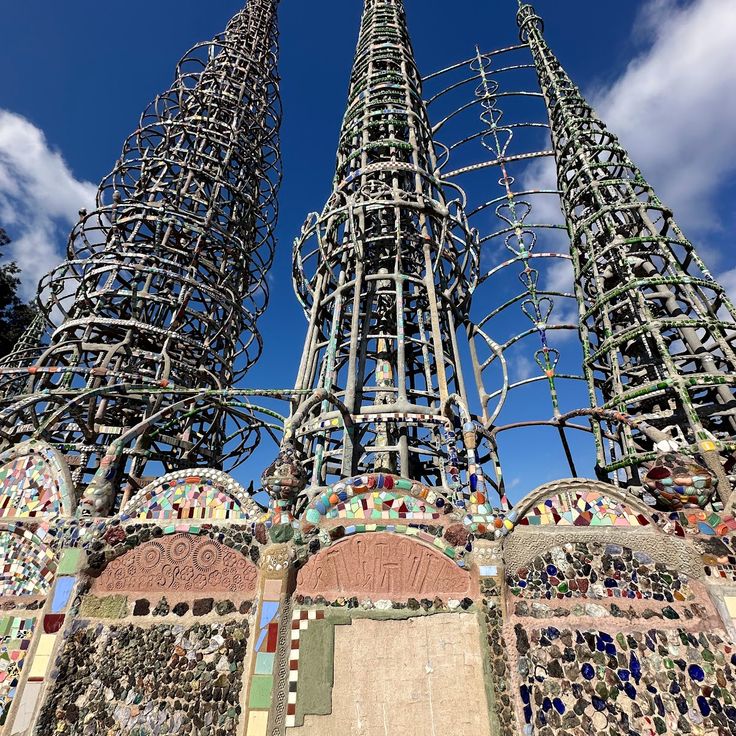
The Watts Towers in Los Angeles are a group of seventeen interconnected steel structures built by a single man, Italian immigrant Simon Rodia, over 33 years in his own backyard in the Watts neighborhood. He used no welding, bolts, or machinery. Instead, he covered the frames with mosaic pieces made from bottle bottoms, broken ceramics, and seashells. The towers stand as a testament to what one person can build by hand, and they show how mosaic art can thrive far outside the walls of churches or palaces.
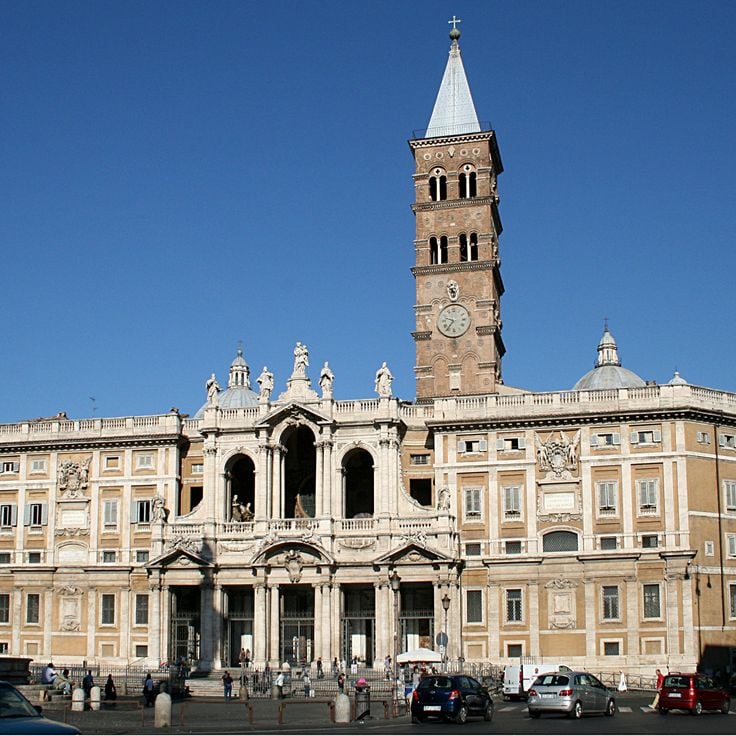
The Basilica di Santa Maria Maggiore is one of the oldest Christian churches in Rome, and its mosaics tell the story of how this art form changed over many centuries. The walls and ceiling carry biblical scenes made from colored stone and gold tesserae, created by craftsmen from different periods of history. Walking through this basilica, you can see how mosaic techniques shifted from early Christianity through the Renaissance, all within a single building that has been a place of worship for over 1,600 years.
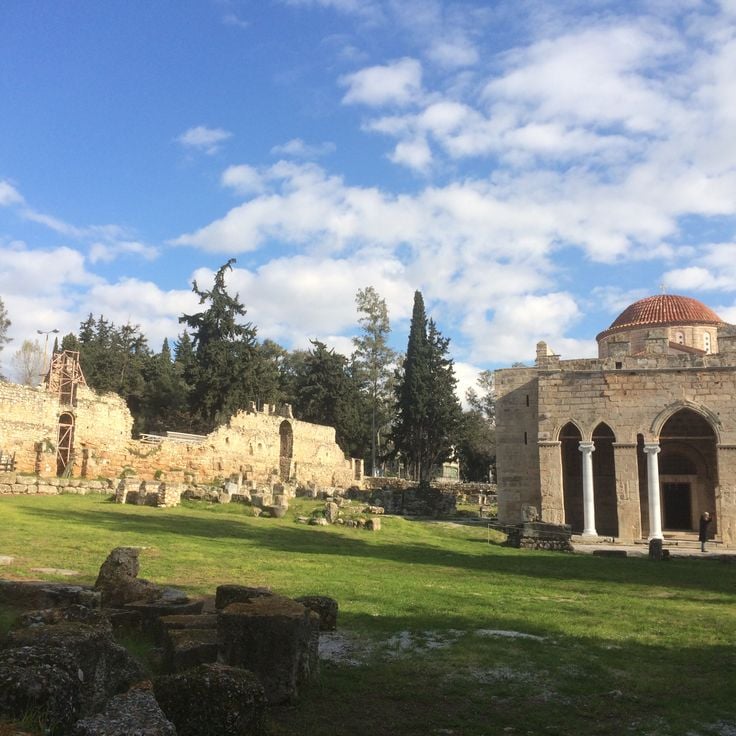
The Daphni Monastery sits just west of Athens and holds a set of Byzantine mosaics that rank among the oldest in Greece. Made from small stone and glass tiles, these mosaics cover the interior walls with scenes from the life of Jesus and the saints. They were created during the middle Byzantine period and show how artists of that time used color and line to tell religious stories with great care.
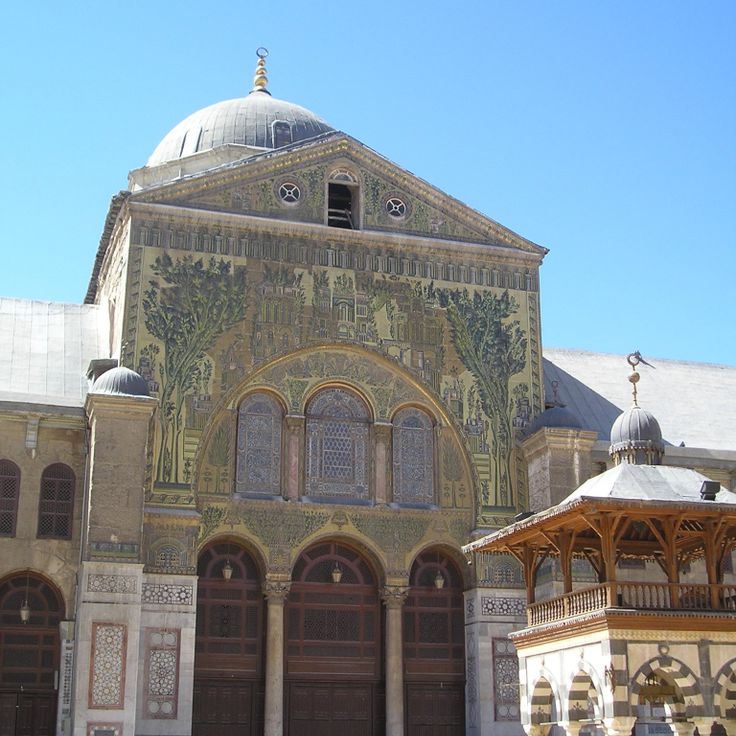
The Umayyad Mosque in Damascus is one of the oldest mosques still in use today. Its interior walls are covered with stone mosaics featuring floral and geometric motifs. Dating from the early 8th century, these mosaics are among the earliest examples of Islamic mosaic art. They show how craftsmen of that era turned stone into carefully composed images that gave religious spaces a distinct visual character.
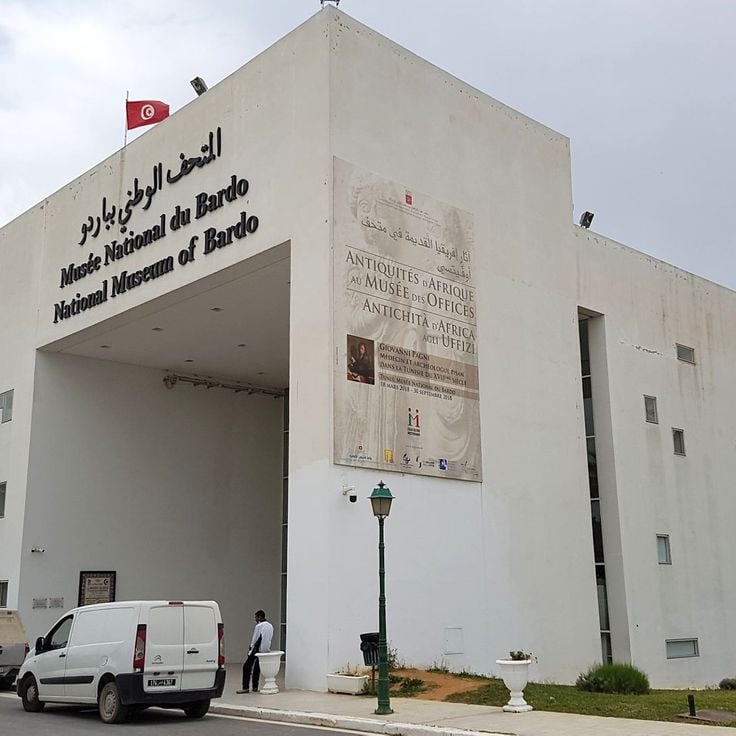
The Bardo National Museum, located in Le Bardo on the edge of Tunis, holds one of the most important collections of ancient stone mosaics in the world. Most of the works come from Roman villas and public buildings across North Africa, showing mythological scenes and geometric patterns. Walking through the rooms, visitors can follow how mosaic styles changed from Roman antiquity through later periods.
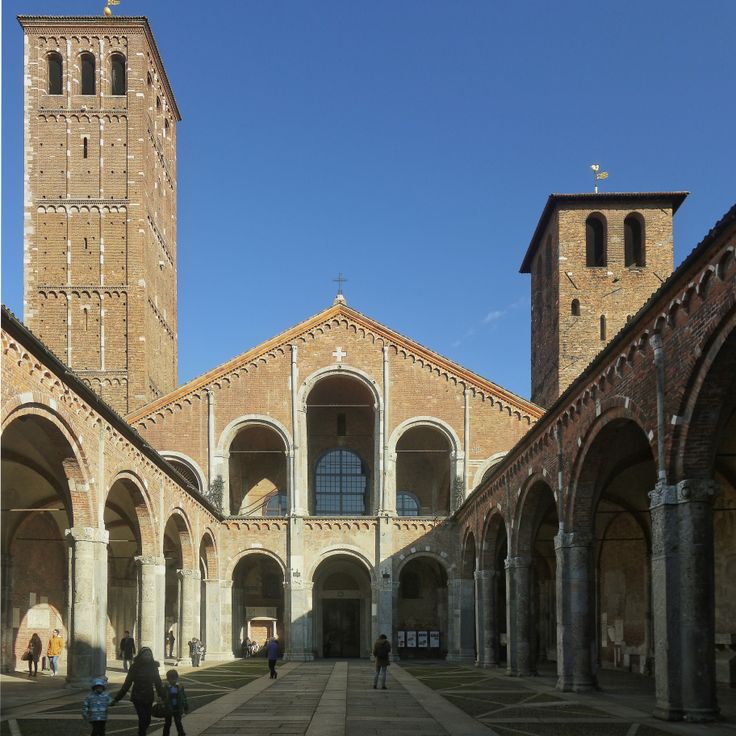
The Basilica of Sant'Ambrogio in Milan is one of the oldest churches in the city, and it holds mosaics from several different periods. Stone mosaics appear in the atrium and along the church aisles, where Byzantine influences meet local Lombard traditions. This basilica shows how mosaics were used in Christian architecture over many centuries, and gives a direct sense of how craftsmen worked across different eras.
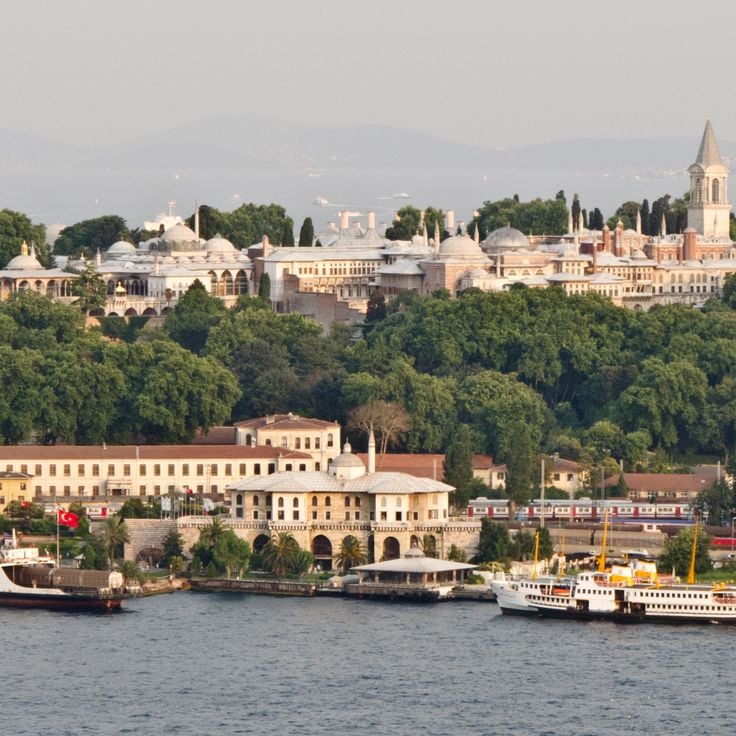
Topkapı Palace served as the home of Ottoman sultans for centuries and is now a museum in the Eminönü district of Istanbul. Stone mosaics cover its walls and floors throughout the complex. The geometric patterns and floral motifs on display here draw from several artistic traditions that shaped the Ottoman world over time, making the palace a good place to see how mosaic art evolved across cultures.
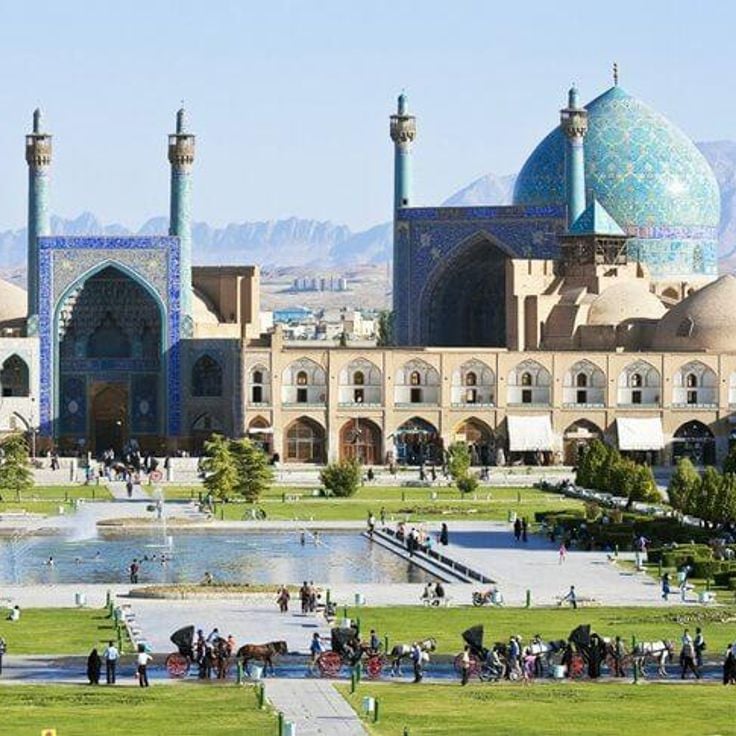
The Shah Mosque in Isfahan is one of the clearest examples of Islamic stone mosaics. Its walls and dome are covered with geometric and floral patterns made from small colored stone pieces, a technique central to Safavid architecture of the 17th century. Walking through it, you can see how this tradition turns surfaces into fields of color and pattern, connecting this building to a long history that runs from Roman floor mosaics to modern public spaces.
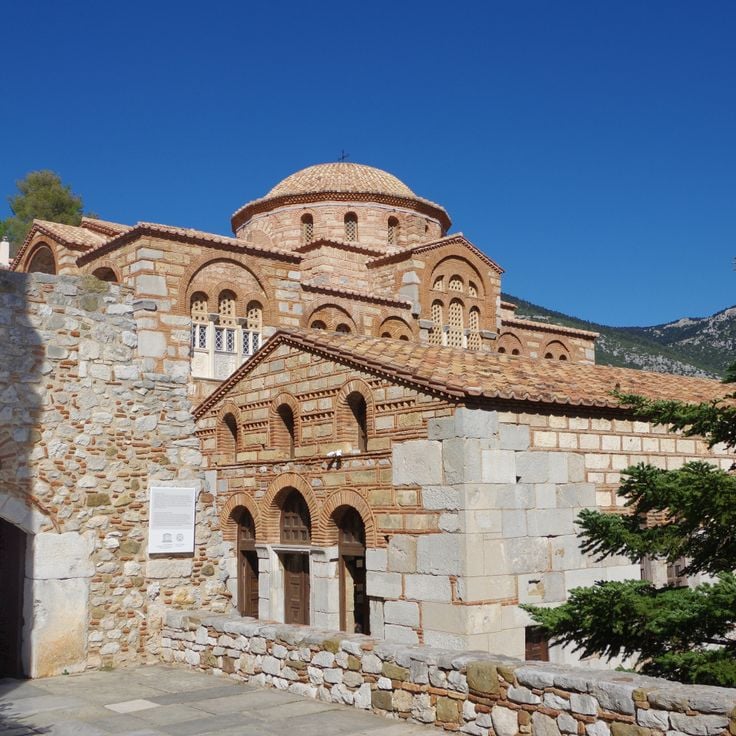
Hosios Loukas Monastery in Greece is home to some of the finest medieval Byzantine mosaics still visible today. Across the walls and vaults of its churches, religious figures and biblical scenes are built from small pieces of stone and glass, often set against gold backgrounds. The images feel solemn and direct, in the way that Byzantine art was meant to speak to those who entered.
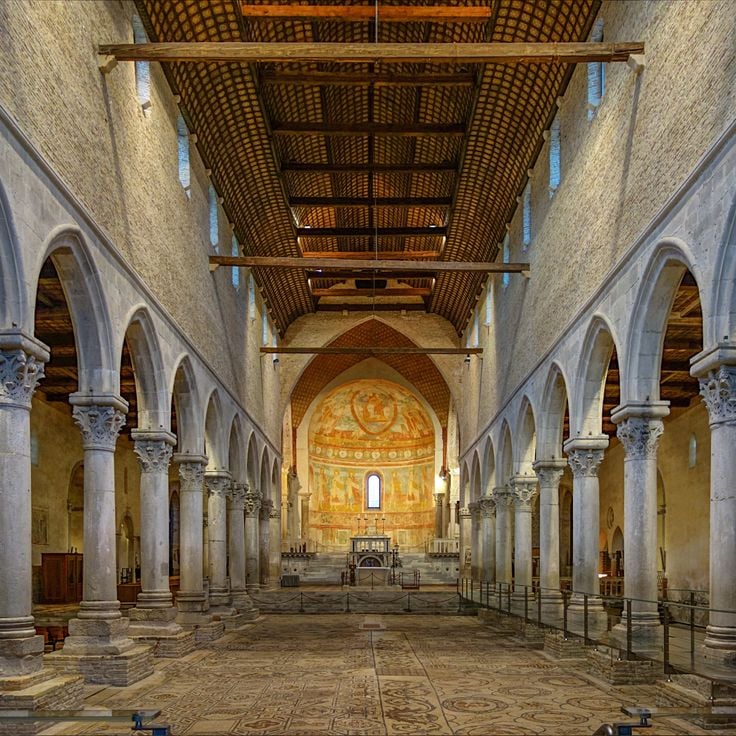
The floor of the Basilica of Aquileia is covered with one of the oldest surviving early Christian mosaic pavements. Laid in the 4th century, these mosaics show biblical scenes and geometric patterns made from small pieces of stone set side by side. Walking through the basilica, you can see how early Christians decorated their places of worship with images that told stories of faith. This basilica is one of the central examples in this collection tracing the long history of stone mosaics.
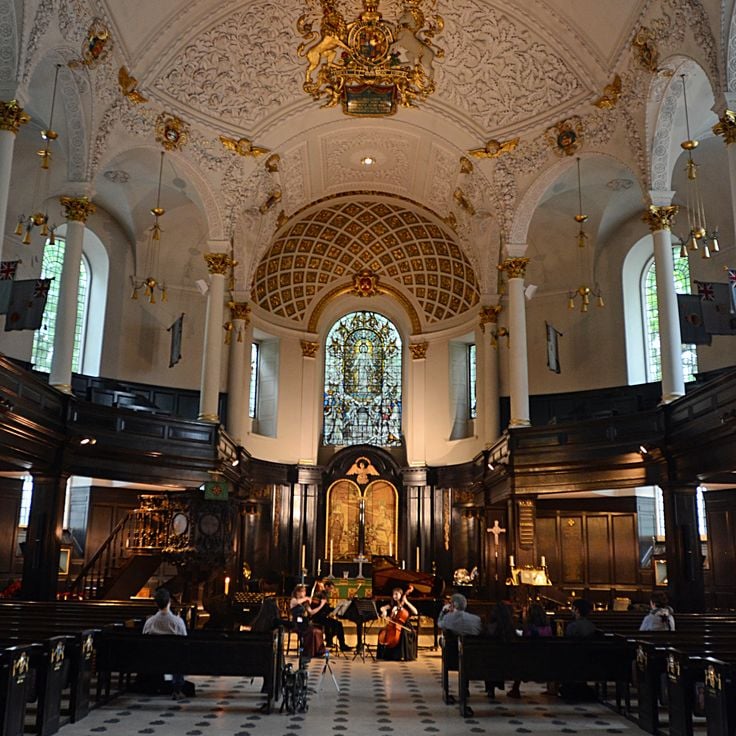
St. Clement Danes is an Anglican church on the Strand in Westminster. Its interior is decorated with stone mosaics that connect to a long tradition of religious decorative art, from early Christian basilicas to later periods of craftsmanship. The mosaics inside this church show how this technique has moved through centuries of artistic practice in religious buildings around the world.
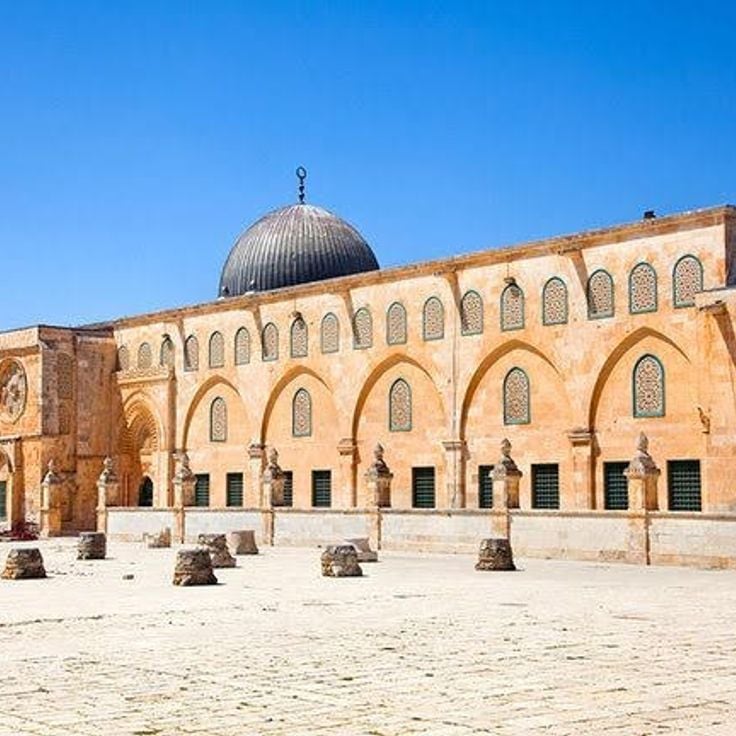
The Al-Aqsa Mosque in Jerusalem is one of the holiest sites in Islam. Its interior walls and floors are decorated with stone mosaics featuring geometric patterns and floral ornaments that reflect centuries of Islamic artistic tradition. This mosque shows how stone mosaics have long been used in religious buildings to give spaces a strong visual and spiritual character.
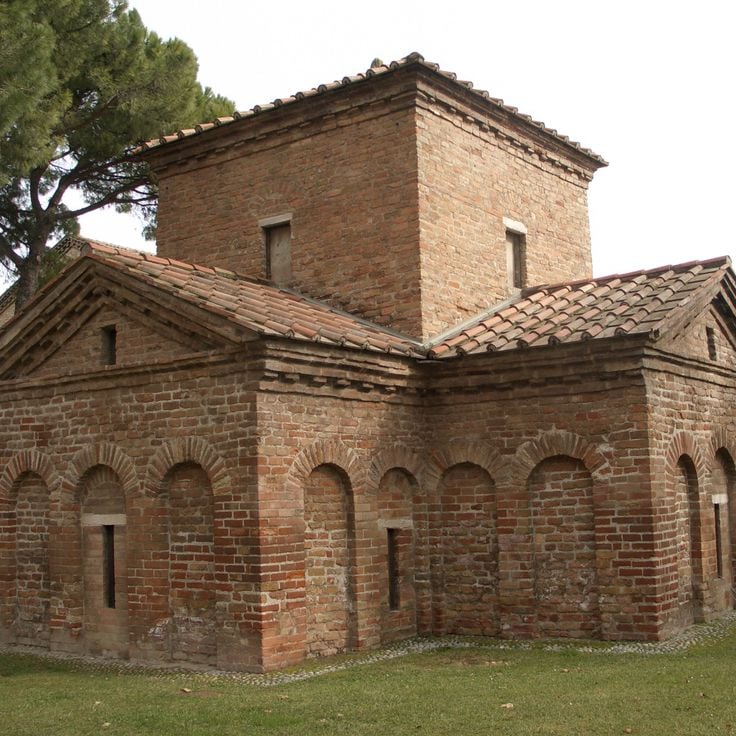
The Mausoleum of Galla Placidia in Ravenna is one of the earliest Christian buildings decorated with stone mosaics. Its walls and vaults are covered with biblical scenes rendered in deep blues, golds, and earth tones that seem to glow depending on the light. The tiny stone tiles were laid over 1600 years ago and tell of a time when mosaics were not just decoration but a way of carrying meaning. This building shows how early Christians used images to make faith visible.
The Villa Romana del Casale, near Piazza Armerina in Sicily, holds some of the finest Roman floor mosaics still in existence. Dating from the 4th century AD, the floors of this ancient residence cover room after room with colorful scenes of hunting, mythology, and daily life. Walking through the villa gives a direct sense of how Roman elite households looked and felt during that era.
Park Güell in Barcelona is one of Antoni Gaudí's most recognized works. Designed between 1900 and 1914, it features mosaics made from broken ceramic tiles assembled using the trencadís technique. On the main terrace, a long serpentine bench is covered with ceramic fragments showing botanical and geometric motifs. At the entrance, a salamander figure greets visitors, entirely clad in colorful ceramic pieces. In the hall below, the ceilings are decorated with round mosaic medallions.
Sant'Apollinare Nuovo in Ravenna was built in the early 6th century. The mosaic bands along the nave walls show two long processions: on the left, 26 male martyrs walking from the port of Classe toward Christ, and on the right, 22 female martyrs moving toward the enthroned Virgin Mary with the Christ Child. Above them are rows of prophets, apostles, and scenes from the life of Jesus. This basilica stands as one of the finest examples of early Christian mosaic art anywhere in the world.
The Madaba Map in St. George's Church is a sixth-century mosaic floor showing a geographical view of the Holy Land. This map depicts Jerusalem, the Dead Sea, the Jordan River, and many biblical sites. It carries Greek inscriptions that name places and geographical details, and is considered the oldest surviving cartographic representation of Palestine.
Hagia Sophia in Istanbul holds mosaics from two major artistic traditions side by side. The Byzantine mosaics, made between the 6th and 13th centuries, show religious scenes and portraits of emperors and empresses. When the building was later converted into a mosque, new elements were added that reflect Islamic visual language. This makes Hagia Sophia a rare place where the story of two faiths can be read directly from the walls.
The Basilica of San Vitale in Ravenna was built in the 6th century and is one of the finest examples of Byzantine architecture in Western Europe. Its wall mosaics show biblical scenes, saints, and imperial figures. The panels depicting Emperor Justinian I and Empress Theodora with their courts are among the most celebrated in the world. The octagonal layout and building techniques reflect the direct influence of Constantinople. This basilica is a key stop for anyone tracing the story of stone mosaics across history.
The Sheikh Zayed Grand Mosque in Abu Dhabi shows how stone mosaic continues in modern architecture. The prayer hall floors and walls are covered in marble mosaics featuring floral motifs. These works bring together traditional Islamic ornamentation and contemporary craftsmanship, running through every interior space of the mosque.
The Church of the Holy Sepulchre in Jerusalem is one of the most sacred sites in Christianity. Its walls are covered with stone mosaics showing scenes of the crucifixion, the resurrection, and other episodes from the New Testament. These images bring together religious storytelling and careful craftsmanship, shaping the feel of the church interior.
The Alhambra in Granada features stone mosaics with symmetrical patterns in blue, red and gold. The decoration combines mathematically exact stars with intertwined plant ornaments. These works were created by Nasrid artisans in the 13th and 14th centuries and show how geometry and color can work in close dialogue with each other.
Monreale Cathedral houses one of the largest surviving collections of Byzantine mosaics from the 12th century. The gold-ground mosaics cover nearly every wall of the interior, showing scenes from the Old and New Testament: the story of Genesis, the life of Christ, and figures of saints. King William II of Sicily commissioned the cathedral, and the mix of Norman architecture with Byzantine mosaic art gives it a character unlike most churches of its time.
The mosaics of St Mark's Basilica cover walls, floors, and ceilings with gold, depicting scenes from the Bible and the lives of saints. Created from the 11th to the 19th century, they show how Byzantine mosaic art changed and grew over time in Venice.
The Palatine Chapel in Palermo was built in the 12th century as the royal chapel of the Norman kings. Its walls and ceilings are covered in golden mosaics showing scenes from the Old and New Testaments. In the dome, Christ Pantocrator appears surrounded by angels and prophets. Arabic wooden carvings on the ceiling come together with Byzantine mosaic work and Romanesque architecture, making this chapel one of the most layered examples of medieval craftsmanship in Sicily.
The floor mosaics of the Villa Romana del Casale near Piazza Armerina date from the 4th century and show scenes of daily life, athletic contests, hunting expeditions, and figures from Greek mythology. Among the most striking images are chariot races in the Circus Maximus and hunts for exotic animals. These mosaics form one of the most complete Roman mosaic cycles known today.
The Dome of the Rock holds some of the oldest mosaics in Islamic art, dating to the 7th century. Inside, the walls are covered with glass tesserae in gold, green and blue, along with mother-of-pearl. The patterns draw on geometric forms and plant motifs, paired with Arabic calligraphy carrying Quranic verses and dedications from the builders. This work in the Byzantine tradition runs across the octagonal arcades and the drum beneath the golden dome.
Wat Phra Kaew, also known as the Temple of the Emerald Buddha, is one of the most visited religious sites in Bangkok. Its outer walls are covered in glass mosaics of green and gold tones, forming traditional Thai patterns, religious scenes, and mythological figures. The colored glass pieces are combined with mirror elements that catch the sunlight, giving the royal temple compound a particular glow. This temple is a vivid example of how mosaic art continues to thrive in the religious architecture of Southeast Asia.
The Chora Church in Istanbul was built in the 5th century as a Byzantine place of worship. Its walls and ceilings are covered with golden mosaics showing scenes from the lives of Christ and Mary, alongside depictions of saints. Most of these works date from the 14th century and are among the finest examples of Byzantine mosaic art.
The Watts Towers in Los Angeles are a group of seventeen interconnected steel structures built by a single man, Italian immigrant Simon Rodia, over 33 years in his own backyard in the Watts neighborhood. He used no welding, bolts, or machinery. Instead, he covered the frames with mosaic pieces made from bottle bottoms, broken ceramics, and seashells. The towers stand as a testament to what one person can build by hand, and they show how mosaic art can thrive far outside the walls of churches or palaces.
The Basilica di Santa Maria Maggiore is one of the oldest Christian churches in Rome, and its mosaics tell the story of how this art form changed over many centuries. The walls and ceiling carry biblical scenes made from colored stone and gold tesserae, created by craftsmen from different periods of history. Walking through this basilica, you can see how mosaic techniques shifted from early Christianity through the Renaissance, all within a single building that has been a place of worship for over 1,600 years.
The Daphni Monastery sits just west of Athens and holds a set of Byzantine mosaics that rank among the oldest in Greece. Made from small stone and glass tiles, these mosaics cover the interior walls with scenes from the life of Jesus and the saints. They were created during the middle Byzantine period and show how artists of that time used color and line to tell religious stories with great care.
The Umayyad Mosque in Damascus is one of the oldest mosques still in use today. Its interior walls are covered with stone mosaics featuring floral and geometric motifs. Dating from the early 8th century, these mosaics are among the earliest examples of Islamic mosaic art. They show how craftsmen of that era turned stone into carefully composed images that gave religious spaces a distinct visual character.
The Bardo National Museum, located in Le Bardo on the edge of Tunis, holds one of the most important collections of ancient stone mosaics in the world. Most of the works come from Roman villas and public buildings across North Africa, showing mythological scenes and geometric patterns. Walking through the rooms, visitors can follow how mosaic styles changed from Roman antiquity through later periods.
The Basilica of Sant'Ambrogio in Milan is one of the oldest churches in the city, and it holds mosaics from several different periods. Stone mosaics appear in the atrium and along the church aisles, where Byzantine influences meet local Lombard traditions. This basilica shows how mosaics were used in Christian architecture over many centuries, and gives a direct sense of how craftsmen worked across different eras.
Topkapı Palace served as the home of Ottoman sultans for centuries and is now a museum in the Eminönü district of Istanbul. Stone mosaics cover its walls and floors throughout the complex. The geometric patterns and floral motifs on display here draw from several artistic traditions that shaped the Ottoman world over time, making the palace a good place to see how mosaic art evolved across cultures.
The Shah Mosque in Isfahan is one of the clearest examples of Islamic stone mosaics. Its walls and dome are covered with geometric and floral patterns made from small colored stone pieces, a technique central to Safavid architecture of the 17th century. Walking through it, you can see how this tradition turns surfaces into fields of color and pattern, connecting this building to a long history that runs from Roman floor mosaics to modern public spaces.
Hosios Loukas Monastery in Greece is home to some of the finest medieval Byzantine mosaics still visible today. Across the walls and vaults of its churches, religious figures and biblical scenes are built from small pieces of stone and glass, often set against gold backgrounds. The images feel solemn and direct, in the way that Byzantine art was meant to speak to those who entered.
The floor of the Basilica of Aquileia is covered with one of the oldest surviving early Christian mosaic pavements. Laid in the 4th century, these mosaics show biblical scenes and geometric patterns made from small pieces of stone set side by side. Walking through the basilica, you can see how early Christians decorated their places of worship with images that told stories of faith. This basilica is one of the central examples in this collection tracing the long history of stone mosaics.
St. Clement Danes is an Anglican church on the Strand in Westminster. Its interior is decorated with stone mosaics that connect to a long tradition of religious decorative art, from early Christian basilicas to later periods of craftsmanship. The mosaics inside this church show how this technique has moved through centuries of artistic practice in religious buildings around the world.
The Al-Aqsa Mosque in Jerusalem is one of the holiest sites in Islam. Its interior walls and floors are decorated with stone mosaics featuring geometric patterns and floral ornaments that reflect centuries of Islamic artistic tradition. This mosque shows how stone mosaics have long been used in religious buildings to give spaces a strong visual and spiritual character.
The Mausoleum of Galla Placidia in Ravenna is one of the earliest Christian buildings decorated with stone mosaics. Its walls and vaults are covered with biblical scenes rendered in deep blues, golds, and earth tones that seem to glow depending on the light. The tiny stone tiles were laid over 1600 years ago and tell of a time when mosaics were not just decoration but a way of carrying meaning. This building shows how early Christians used images to make faith visible.
The Villa Romana del Casale, near Piazza Armerina in Sicily, holds some of the finest Roman floor mosaics still in existence. Dating from the 4th century AD, the floors of this ancient residence cover room after room with colorful scenes of hunting, mythology, and daily life. Walking through the villa gives a direct sense of how Roman elite households looked and felt during that era.
Park Güell in Barcelona is one of Antoni Gaudí's most recognized works. Designed between 1900 and 1914, it features mosaics made from broken ceramic tiles assembled using the trencadís technique. On the main terrace, a long serpentine bench is covered with ceramic fragments showing botanical and geometric motifs. At the entrance, a salamander figure greets visitors, entirely clad in colorful ceramic pieces. In the hall below, the ceilings are decorated with round mosaic medallions.
Sant'Apollinare Nuovo in Ravenna was built in the early 6th century. The mosaic bands along the nave walls show two long processions: on the left, 26 male martyrs walking from the port of Classe toward Christ, and on the right, 22 female martyrs moving toward the enthroned Virgin Mary with the Christ Child. Above them are rows of prophets, apostles, and scenes from the life of Jesus. This basilica stands as one of the finest examples of early Christian mosaic art anywhere in the world.
The Madaba Map in St. George's Church is a sixth-century mosaic floor showing a geographical view of the Holy Land. This map depicts Jerusalem, the Dead Sea, the Jordan River, and many biblical sites. It carries Greek inscriptions that name places and geographical details, and is considered the oldest surviving cartographic representation of Palestine.
Hagia Sophia in Istanbul holds mosaics from two major artistic traditions side by side. The Byzantine mosaics, made between the 6th and 13th centuries, show religious scenes and portraits of emperors and empresses. When the building was later converted into a mosque, new elements were added that reflect Islamic visual language. This makes Hagia Sophia a rare place where the story of two faiths can be read directly from the walls.
The Basilica of San Vitale in Ravenna was built in the 6th century and is one of the finest examples of Byzantine architecture in Western Europe. Its wall mosaics show biblical scenes, saints, and imperial figures. The panels depicting Emperor Justinian I and Empress Theodora with their courts are among the most celebrated in the world. The octagonal layout and building techniques reflect the direct influence of Constantinople. This basilica is a key stop for anyone tracing the story of stone mosaics across history.
The Sheikh Zayed Grand Mosque in Abu Dhabi shows how stone mosaic continues in modern architecture. The prayer hall floors and walls are covered in marble mosaics featuring floral motifs. These works bring together traditional Islamic ornamentation and contemporary craftsmanship, running through every interior space of the mosque.
The Church of the Holy Sepulchre in Jerusalem is one of the most sacred sites in Christianity. Its walls are covered with stone mosaics showing scenes of the crucifixion, the resurrection, and other episodes from the New Testament. These images bring together religious storytelling and careful craftsmanship, shaping the feel of the church interior.
The Alhambra in Granada features stone mosaics with symmetrical patterns in blue, red and gold. The decoration combines mathematically exact stars with intertwined plant ornaments. These works were created by Nasrid artisans in the 13th and 14th centuries and show how geometry and color can work in close dialogue with each other.
Monreale Cathedral houses one of the largest surviving collections of Byzantine mosaics from the 12th century. The gold-ground mosaics cover nearly every wall of the interior, showing scenes from the Old and New Testament: the story of Genesis, the life of Christ, and figures of saints. King William II of Sicily commissioned the cathedral, and the mix of Norman architecture with Byzantine mosaic art gives it a character unlike most churches of its time.
The mosaics of St Mark's Basilica cover walls, floors, and ceilings with gold, depicting scenes from the Bible and the lives of saints. Created from the 11th to the 19th century, they show how Byzantine mosaic art changed and grew over time in Venice.
The Palatine Chapel in Palermo was built in the 12th century as the royal chapel of the Norman kings. Its walls and ceilings are covered in golden mosaics showing scenes from the Old and New Testaments. In the dome, Christ Pantocrator appears surrounded by angels and prophets. Arabic wooden carvings on the ceiling come together with Byzantine mosaic work and Romanesque architecture, making this chapel one of the most layered examples of medieval craftsmanship in Sicily.
The floor mosaics of the Villa Romana del Casale near Piazza Armerina date from the 4th century and show scenes of daily life, athletic contests, hunting expeditions, and figures from Greek mythology. Among the most striking images are chariot races in the Circus Maximus and hunts for exotic animals. These mosaics form one of the most complete Roman mosaic cycles known today.
The Dome of the Rock holds some of the oldest mosaics in Islamic art, dating to the 7th century. Inside, the walls are covered with glass tesserae in gold, green and blue, along with mother-of-pearl. The patterns draw on geometric forms and plant motifs, paired with Arabic calligraphy carrying Quranic verses and dedications from the builders. This work in the Byzantine tradition runs across the octagonal arcades and the drum beneath the golden dome.
Wat Phra Kaew, also known as the Temple of the Emerald Buddha, is one of the most visited religious sites in Bangkok. Its outer walls are covered in glass mosaics of green and gold tones, forming traditional Thai patterns, religious scenes, and mythological figures. The colored glass pieces are combined with mirror elements that catch the sunlight, giving the royal temple compound a particular glow. This temple is a vivid example of how mosaic art continues to thrive in the religious architecture of Southeast Asia.
The Chora Church in Istanbul was built in the 5th century as a Byzantine place of worship. Its walls and ceilings are covered with golden mosaics showing scenes from the lives of Christ and Mary, alongside depictions of saints. Most of these works date from the 14th century and are among the finest examples of Byzantine mosaic art.
The Watts Towers in Los Angeles are a group of seventeen interconnected steel structures built by a single man, Italian immigrant Simon Rodia, over 33 years in his own backyard in the Watts neighborhood. He used no welding, bolts, or machinery. Instead, he covered the frames with mosaic pieces made from bottle bottoms, broken ceramics, and seashells. The towers stand as a testament to what one person can build by hand, and they show how mosaic art can thrive far outside the walls of churches or palaces.
The Basilica di Santa Maria Maggiore is one of the oldest Christian churches in Rome, and its mosaics tell the story of how this art form changed over many centuries. The walls and ceiling carry biblical scenes made from colored stone and gold tesserae, created by craftsmen from different periods of history. Walking through this basilica, you can see how mosaic techniques shifted from early Christianity through the Renaissance, all within a single building that has been a place of worship for over 1,600 years.
The Daphni Monastery sits just west of Athens and holds a set of Byzantine mosaics that rank among the oldest in Greece. Made from small stone and glass tiles, these mosaics cover the interior walls with scenes from the life of Jesus and the saints. They were created during the middle Byzantine period and show how artists of that time used color and line to tell religious stories with great care.
The Umayyad Mosque in Damascus is one of the oldest mosques still in use today. Its interior walls are covered with stone mosaics featuring floral and geometric motifs. Dating from the early 8th century, these mosaics are among the earliest examples of Islamic mosaic art. They show how craftsmen of that era turned stone into carefully composed images that gave religious spaces a distinct visual character.
The Bardo National Museum, located in Le Bardo on the edge of Tunis, holds one of the most important collections of ancient stone mosaics in the world. Most of the works come from Roman villas and public buildings across North Africa, showing mythological scenes and geometric patterns. Walking through the rooms, visitors can follow how mosaic styles changed from Roman antiquity through later periods.
The Basilica of Sant'Ambrogio in Milan is one of the oldest churches in the city, and it holds mosaics from several different periods. Stone mosaics appear in the atrium and along the church aisles, where Byzantine influences meet local Lombard traditions. This basilica shows how mosaics were used in Christian architecture over many centuries, and gives a direct sense of how craftsmen worked across different eras.
Topkapı Palace served as the home of Ottoman sultans for centuries and is now a museum in the Eminönü district of Istanbul. Stone mosaics cover its walls and floors throughout the complex. The geometric patterns and floral motifs on display here draw from several artistic traditions that shaped the Ottoman world over time, making the palace a good place to see how mosaic art evolved across cultures.
The Shah Mosque in Isfahan is one of the clearest examples of Islamic stone mosaics. Its walls and dome are covered with geometric and floral patterns made from small colored stone pieces, a technique central to Safavid architecture of the 17th century. Walking through it, you can see how this tradition turns surfaces into fields of color and pattern, connecting this building to a long history that runs from Roman floor mosaics to modern public spaces.
Hosios Loukas Monastery in Greece is home to some of the finest medieval Byzantine mosaics still visible today. Across the walls and vaults of its churches, religious figures and biblical scenes are built from small pieces of stone and glass, often set against gold backgrounds. The images feel solemn and direct, in the way that Byzantine art was meant to speak to those who entered.
The floor of the Basilica of Aquileia is covered with one of the oldest surviving early Christian mosaic pavements. Laid in the 4th century, these mosaics show biblical scenes and geometric patterns made from small pieces of stone set side by side. Walking through the basilica, you can see how early Christians decorated their places of worship with images that told stories of faith. This basilica is one of the central examples in this collection tracing the long history of stone mosaics.
St. Clement Danes is an Anglican church on the Strand in Westminster. Its interior is decorated with stone mosaics that connect to a long tradition of religious decorative art, from early Christian basilicas to later periods of craftsmanship. The mosaics inside this church show how this technique has moved through centuries of artistic practice in religious buildings around the world.
The Al-Aqsa Mosque in Jerusalem is one of the holiest sites in Islam. Its interior walls and floors are decorated with stone mosaics featuring geometric patterns and floral ornaments that reflect centuries of Islamic artistic tradition. This mosque shows how stone mosaics have long been used in religious buildings to give spaces a strong visual and spiritual character.
The Mausoleum of Galla Placidia in Ravenna is one of the earliest Christian buildings decorated with stone mosaics. Its walls and vaults are covered with biblical scenes rendered in deep blues, golds, and earth tones that seem to glow depending on the light. The tiny stone tiles were laid over 1600 years ago and tell of a time when mosaics were not just decoration but a way of carrying meaning. This building shows how early Christians used images to make faith visible.
The Villa Romana del Casale, near Piazza Armerina in Sicily, holds some of the finest Roman floor mosaics still in existence. Dating from the 4th century AD, the floors of this ancient residence cover room after room with colorful scenes of hunting, mythology, and daily life. Walking through the villa gives a direct sense of how Roman elite households looked and felt during that era.
When visiting places with stone mosaics, take time to look up and around - many of the most striking works are on walls and ceilings, not just floors. Your eyes will adjust to the light and reveal details you missed on first glance.