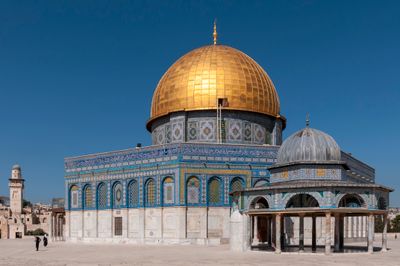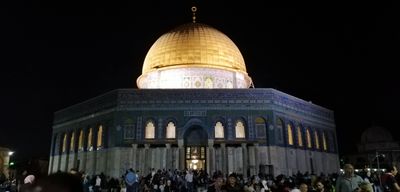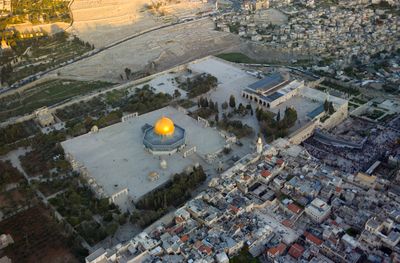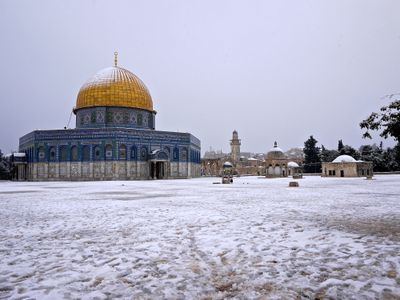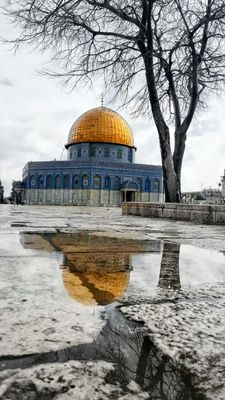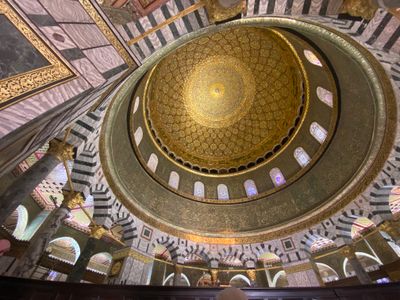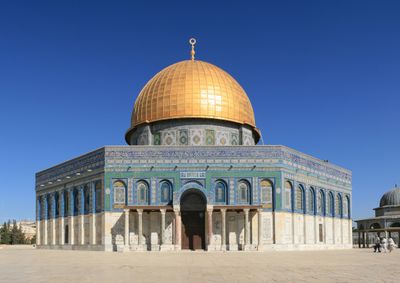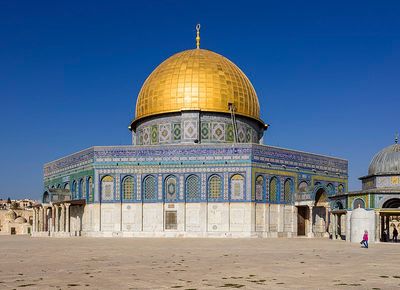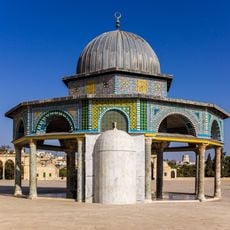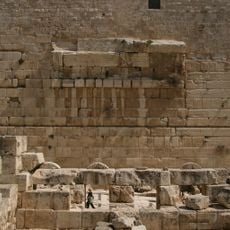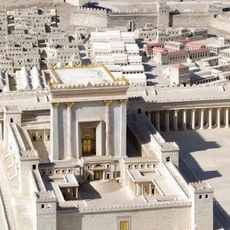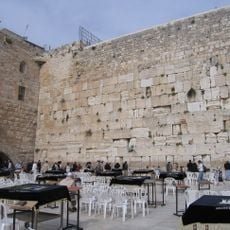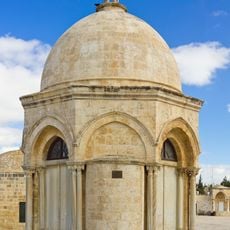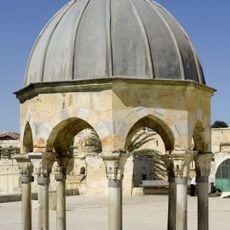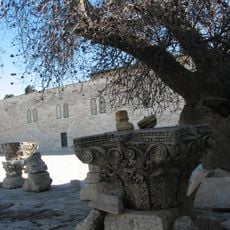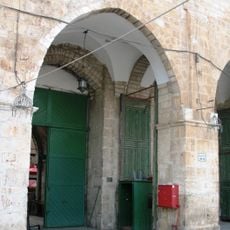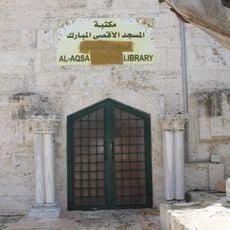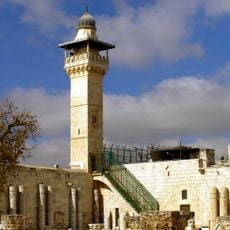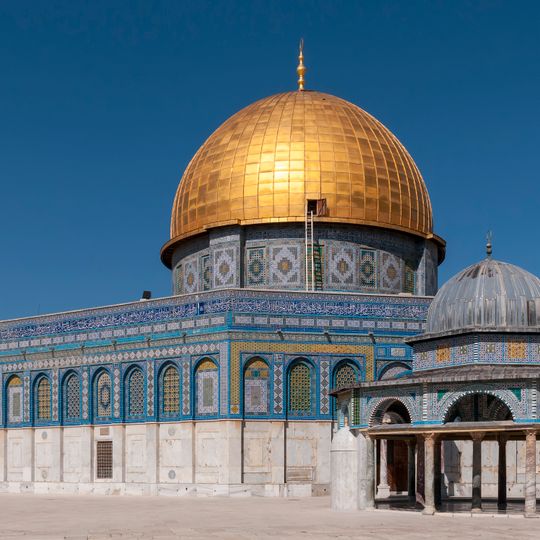
Dome of the Rock, Islamic shrine in the Old City, Jerusalem, Palestine
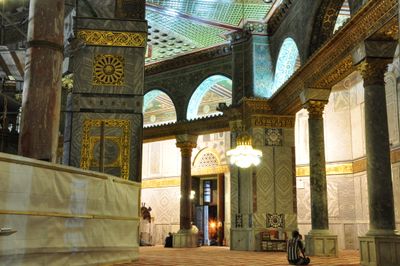
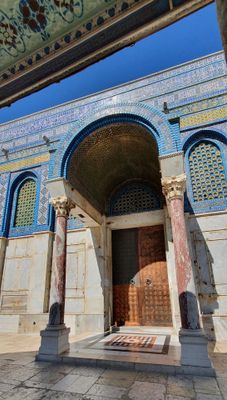
The Dome of the Rock is an octagonal shrine with an outer wall about 60 m wide and 36 m high, pierced by 36 windows and four entrances facing the cardinal directions. Its golden dome, roughly 20 m in diameter, rests on a drum of 16 supports (4 piers and 12 columns) above the rock. Inside, an octagonal arcade of 24 piers and columns and a circular arcade of 4 piers and 12 columns form two ambulatories; the interior has marble inlay, gold and black panels, and painted wooden ceilings.
The Umayyad caliph Abd al-Malik ibn Marwan built the shrine between 685 and 691 CE, completing it in 72 AH; the architects were Raja ibn Haywa al-Kindi and Yazid ibn Salam. The original dome collapsed in 1015 and was rebuilt in 1022–23. The exterior was re-clad in blue-and-white Iznik-style tiles under the early Ottomans, and the gold-plated roof was added in 1959–64 and again in the 1990s.
This sanctuary marks one of Islam's holiest places, where Prophet Muhammad ascended to heaven during the Night Journey. Jews regard the rock as the Foundation Stone of the world and the location where Abraham prepared to sacrifice his son. Christians associate it with Old Testament accounts involving Abraham. These overlapping religious claims establish the compound as among the most revered destinations on Earth and a symbol of Jerusalem's status as a holy city to three major monotheistic religions, fueling ongoing religious and political discourse throughout the region.
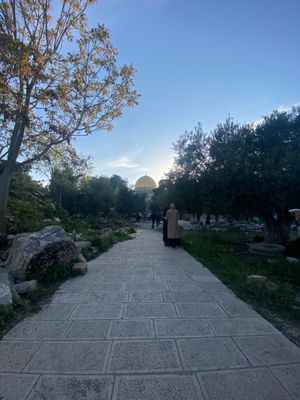
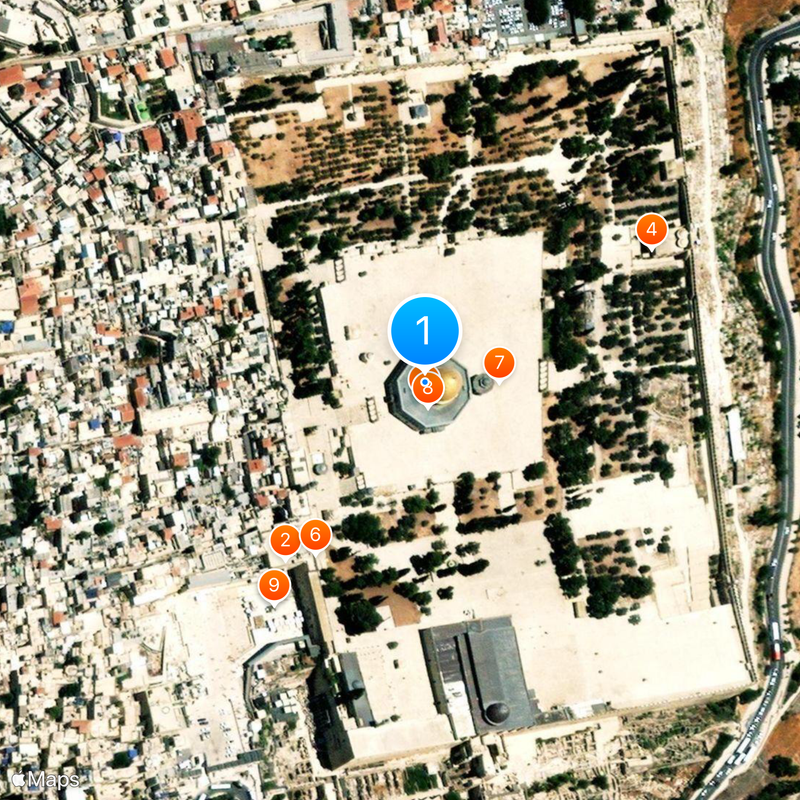
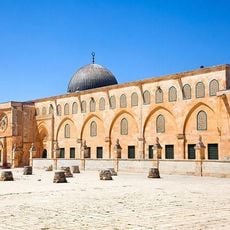
Non-Muslims enter the Al-Aqsa compound through the Maghreb Gate on the western wall, pass a security check, and may walk the outdoor platform but not enter the shrine itself. Dress modestly, covering shoulders and knees. The platform is usually open to non-Muslims on weekday mornings and early afternoons, and closed on Fridays, Saturdays and Islamic holidays.
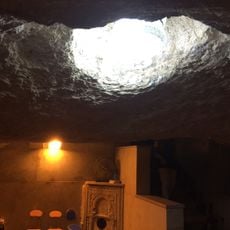
The rock itself is about 18 m long north to south and 14 m wide east to west, rising roughly 1.5 m above the floor. Beneath it a cave called the Cave of the Spirits is reached by eleven steps from the south and has a ceiling 3 m high with a one-metre opening. A carved wooden screen around the rock was renewed under Sultan al-Nasir Muhammad ibn Qalawun in 725 AH.
The community of curious travelers
AroundUs brings together thousands of curated places, local tips, and hidden gems, enriched daily by 92,135 contributors worldwide.