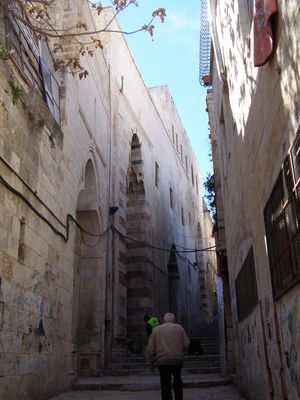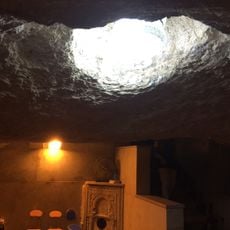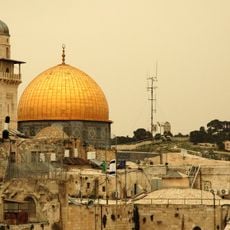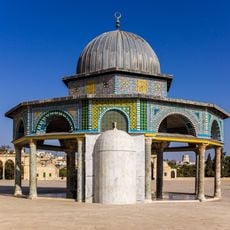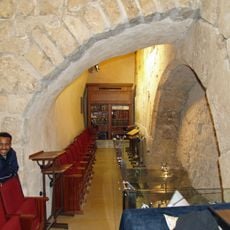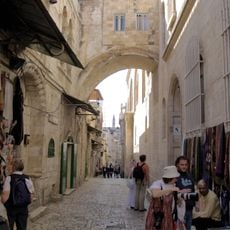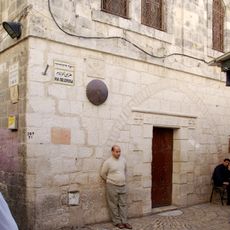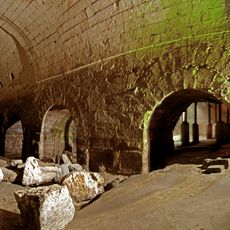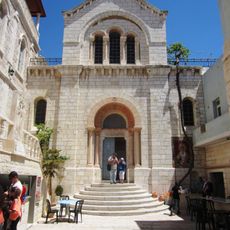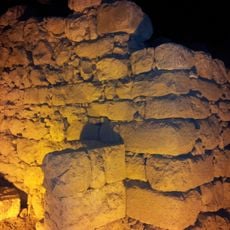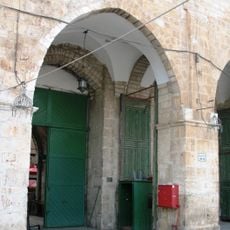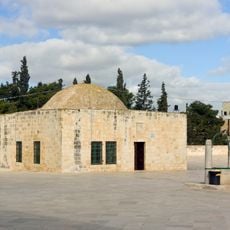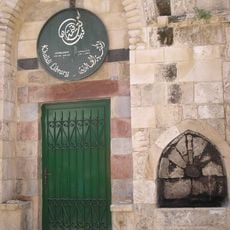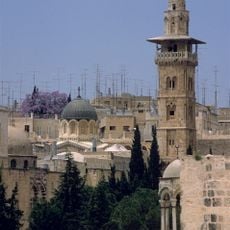
Palais de la dame Tunshuq, 14th-century Mamluke palace in Muslim Quarter, Jerusalem.
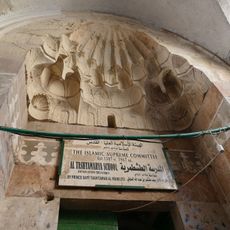
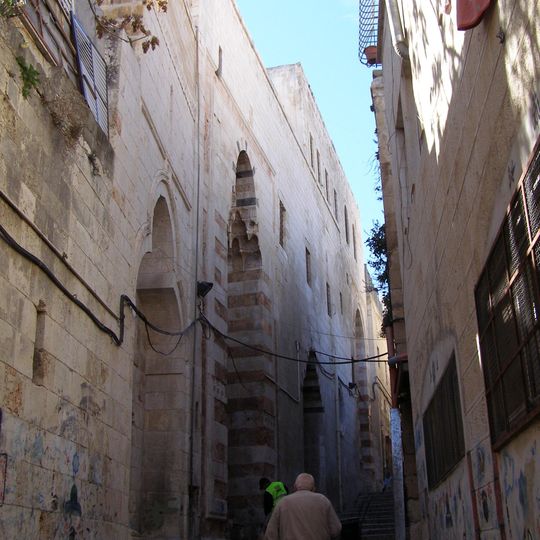
Palais de la dame Tunshuq is a 14th-century Mamluk residential building in Jerusalem's Old City, distinguished by three grand doorways decorated with marble inlays and intricate muqarnas vault patterns. The structure spans multiple levels with twenty-five rooms connected by four internal staircases.
Lady Tunshuq, wife of a Kurdish nobleman, commissioned this building in 1391 as her residence during the Mamluk era. In 1552, it became incorporated into the Khassaki Sultan complex, which altered its original role and function.
The palace reflects how wealthy Mamluk families lived, with rooms designed as private retreats and common areas for household use. The layout and placement of windows show how social customs emphasizing privacy and separation of spaces shaped the daily movement through the building.
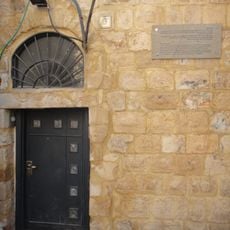
The building now operates as an orphanage with workshops, so visitors cannot enter the interior. You can view and study the decorative external facades and doorway details from the street level outside.
Lady Tunshuq's decorated marble tomb sits directly opposite the main entrance, making this site serve both residential and funerary purposes simultaneously. This arrangement was uncommon and merged private family life with a public memorial.
The community of curious travelers
AroundUs brings together thousands of curated places, local tips, and hidden gems, enriched daily by 92,008 contributors worldwide.