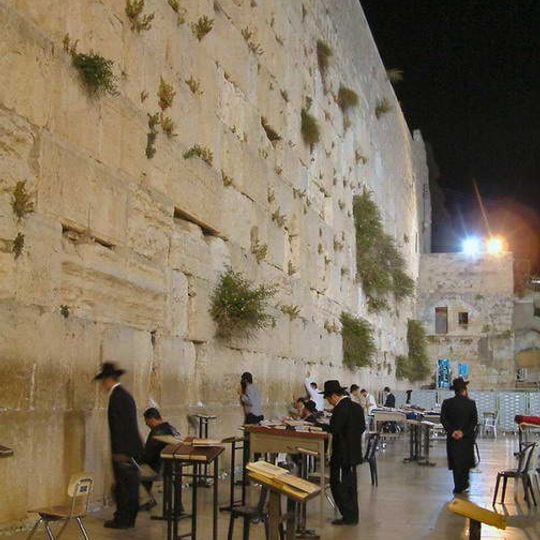
Western Wall, Ancient limestone retaining wall in the Old City of Jerusalem, Israel
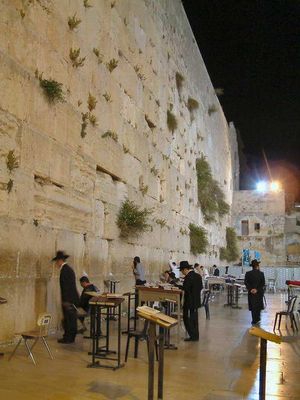
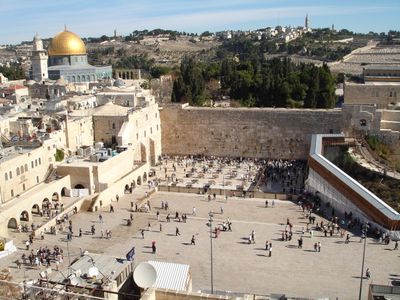
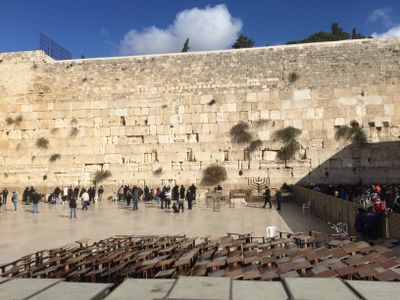
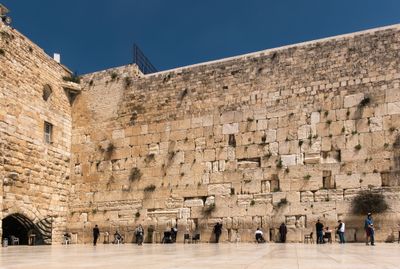
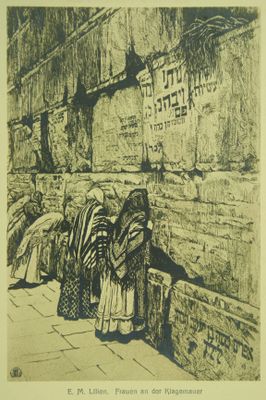
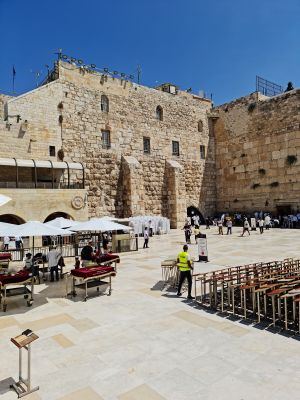
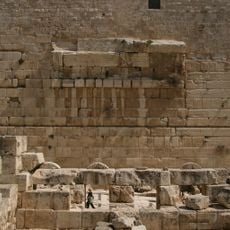
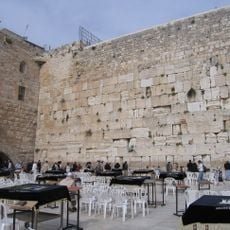
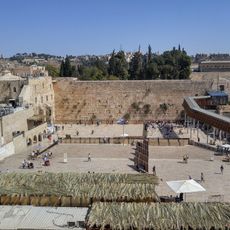
The Western Wall is a section of the ancient retaining wall that surrounds the Temple Mount, and the exposed surface displays large limestone blocks. Above the lower rows, the structure continues with narrower layers added in later centuries.
Herod commissioned this wall in the 1st century BCE to expand and stabilize the Temple Mount platform. When Roman forces destroyed the temple, the retaining wall remained standing and later became a gathering place.
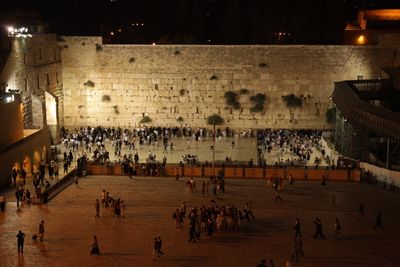
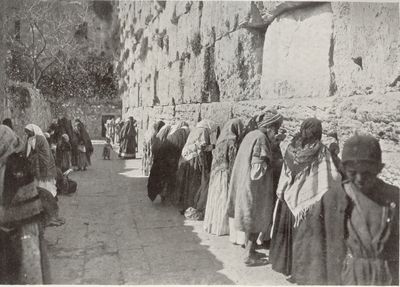
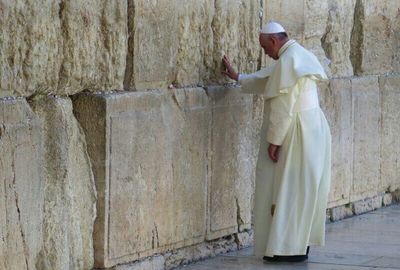
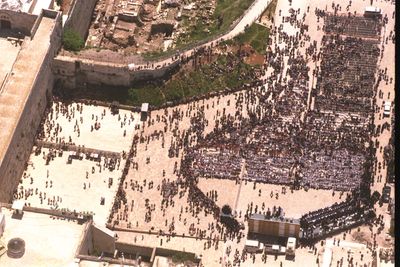
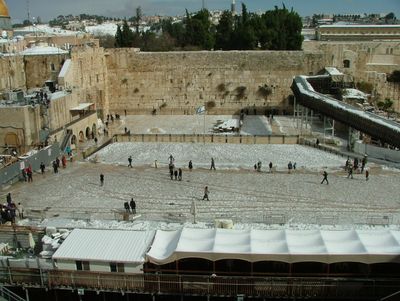
Worshippers tuck folded prayer notes between the stone blocks, and these papers are later buried on the Mount of Olives. The plaza in front divides into two areas so men and women can pray separately.
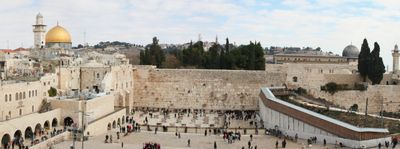
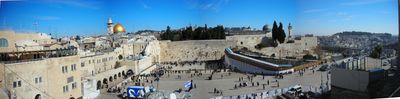
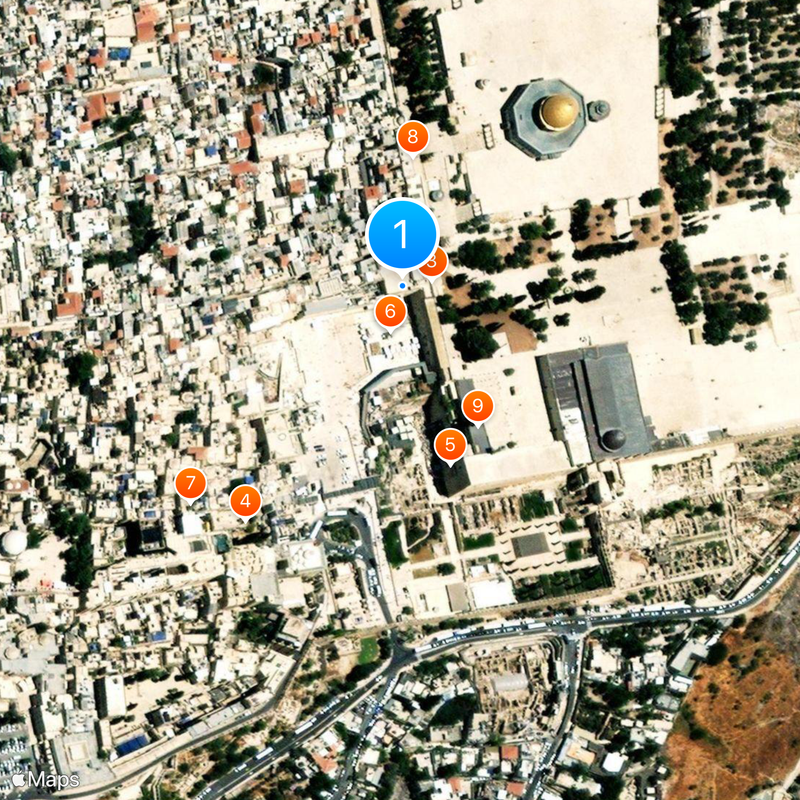
The prayer section faces a broad paved plaza in the Jewish Quarter, near the southwestern corner of the Temple Mount; the rest of the 488-metre wall is hidden behind buildings of the Muslim Quarter. Men and women use separate areas, and the plaza fills up especially on Fridays and during Jewish festivals.
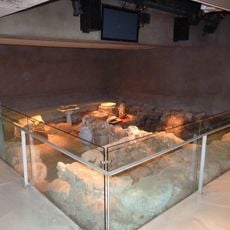
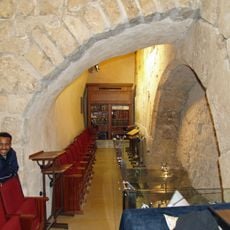
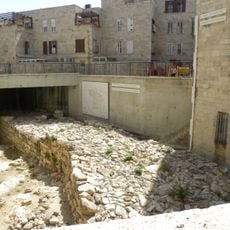
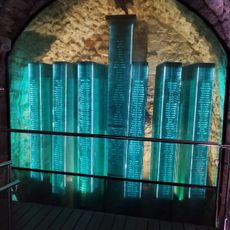
Below the plaza run tunnels where visitors can see deeper layers of stonework, including blocks weighing several hundred tons. These hidden sections show how far the original construction extended underground.
The community of curious travelers
AroundUs brings together thousands of curated places, local tips, and hidden gems, enriched daily by 92,127 contributors worldwide.