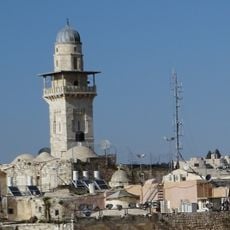
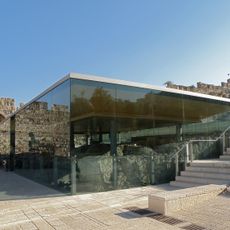
Islamic Museum, Islamic art museum in Old City, Jerusalem
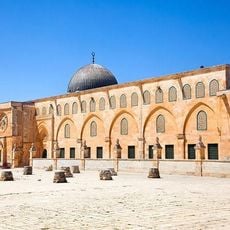
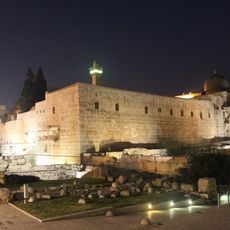
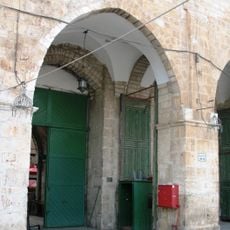
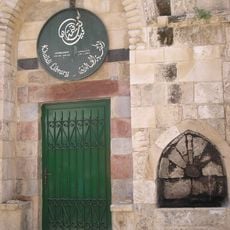
The Islamic Museum is an art museum dedicated to Islamic heritage located in the Old City of Jerusalem near Al-Aqsa Mosque. It houses artifacts spanning ten historical periods within a restored medieval building.
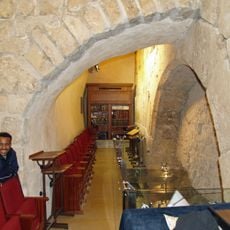
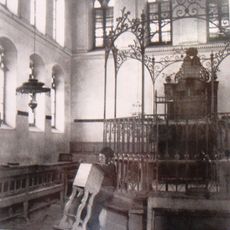
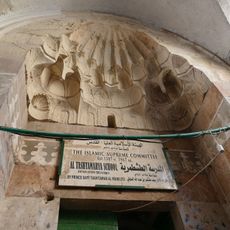
The building was first erected by the Knights Templar as an annex to their headquarters at Al-Aqsa. After the Muslim reconquest it served as an assembly hall for the al-Fakhriya madrasa built by al-Mansur Qalawun in 1282, and it housed the Mosque of the Maghrebis. The Supreme Muslim Council founded the museum in 1923, and by 1927 the Maghrebi mosque had been converted into the Islamic Museum.
The museum displays Quranic manuscripts featuring varied calligraphy styles and decorative techniques from different Islamic periods and regions. Visitors can observe how writing traditions and artistic approaches evolved across these centuries.
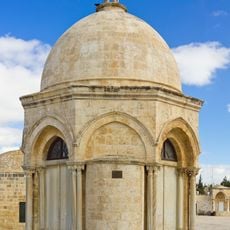
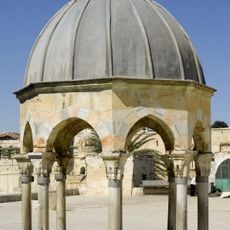
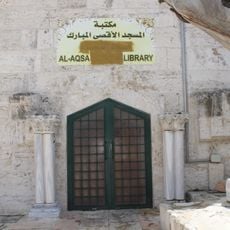
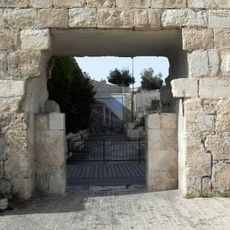
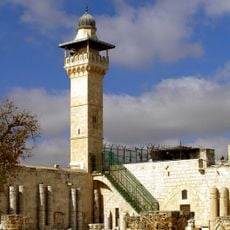
The museum occupies the southwestern corner of the Al-Aqsa compound, west of al-Aqsa Mosque across a small courtyard; the Moors' Gate (Maghrebi Gate) lies to its north and the al-Aqsa Library adjoins it to the south. The Dome of Yusuf Agha and many column capitals stand in the courtyard to the east. Entry follows the compound's visiting conditions.
The minbar burned in 1969 was made for Nur ad-Din Zangi around 1170, not Saladin, and an Australian visitor set the fire. The museum keeps its charred remains beside a 14th-century Qur'an measuring 100 by 90 cm.
The community of curious travelers
AroundUs brings together thousands of curated places, local tips, and hidden gems, enriched daily by 93,128 contributors worldwide.