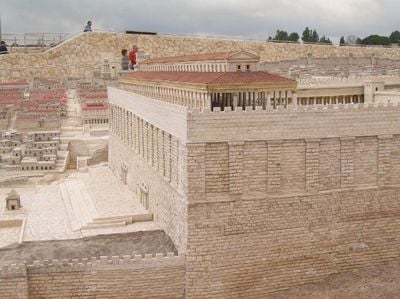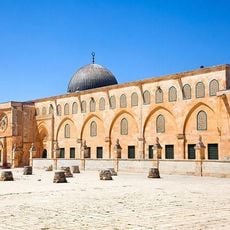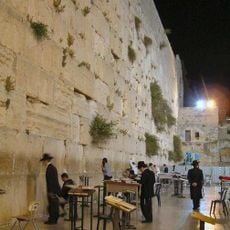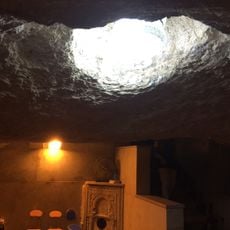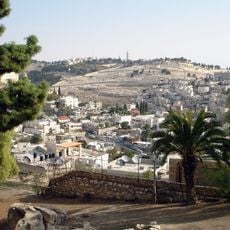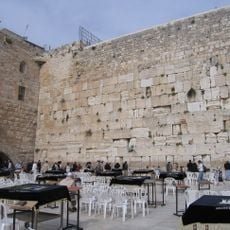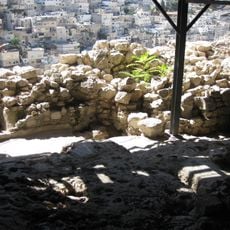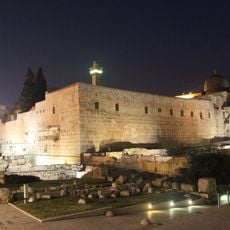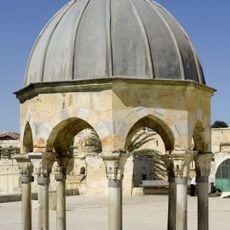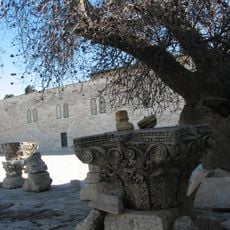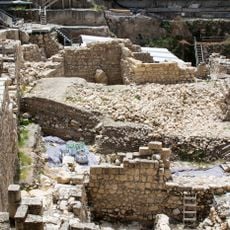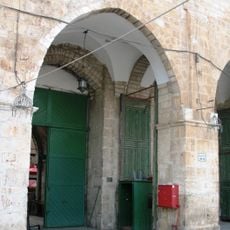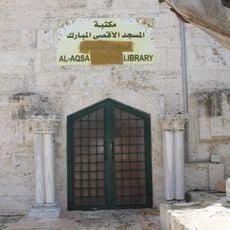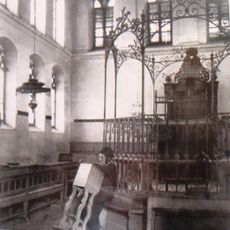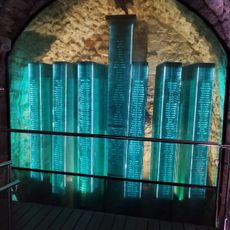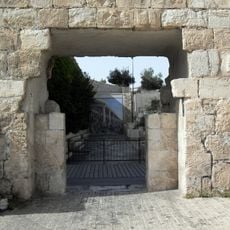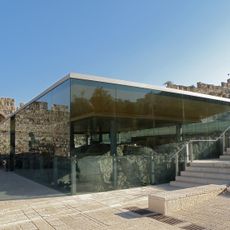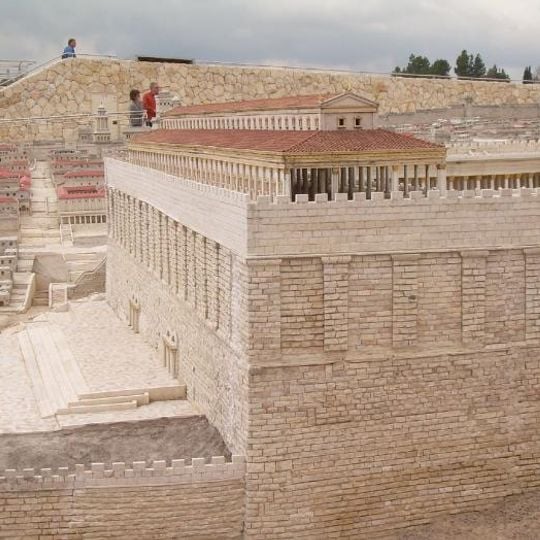
Royal Stoa, Archaeological site at Temple Mount, Jerusalem, Israel.
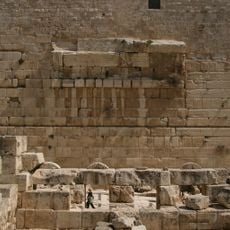
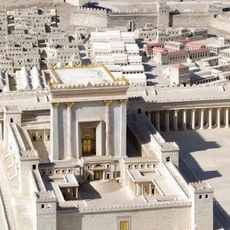
The Royal Stoa was a colonnade structure extending along the southern edge of the Temple Mount, featuring four rows of columns that created three parallel passage ways. This covered hall provided shelter and formed one of the largest structures within the Temple precinct.
King Herod the Great built the structure as part of his major construction program at the Temple Mount in the late first century BCE. This project transformed the Temple complex into an expanded religious and civic center.
The structure served as a public gathering place where the Jewish community engaged in important discussions and legal matters. People moving through this covered space experienced a central hub of religious and civic life in the Temple complex.
The remains lie beneath the Al-Aqsa Mosque and are not directly accessible to visitors, but have been studied through archaeological excavations. Understanding this site requires learning about it through museum exhibits and historical research rather than visiting in person.
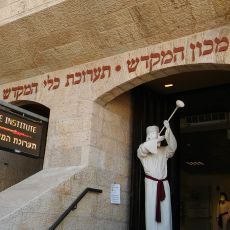
Officials would sound a ram's horn from the southwestern corner to announce the beginning of Jewish holy days to the surrounding community. This acoustic signal reached across the Temple Mount and beyond, serving as the primary way to communicate important dates to everyone in the city.
The community of curious travelers
AroundUs brings together thousands of curated places, local tips, and hidden gems, enriched daily by 60,000 contributors worldwide.