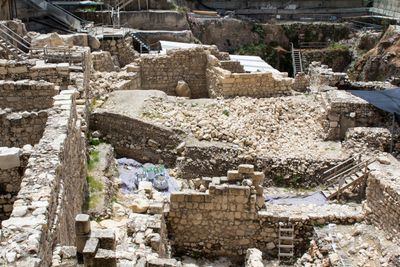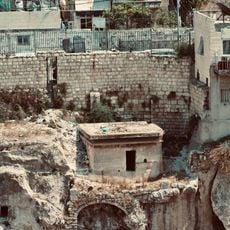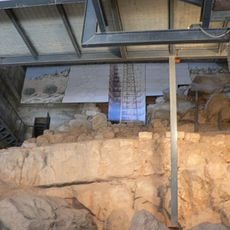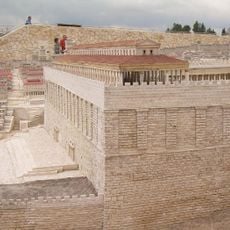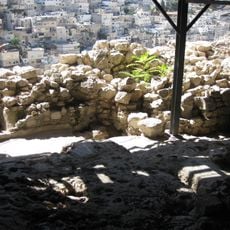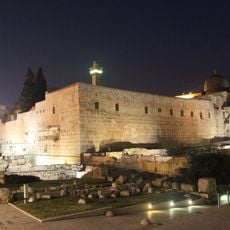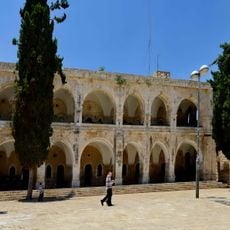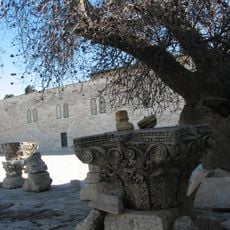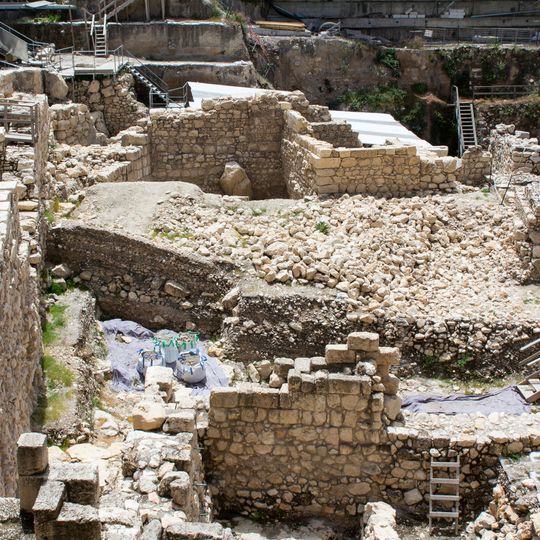
Givati Parking Lot dig, Archaeological excavation in Silwan, Jerusalem.
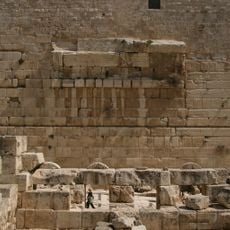
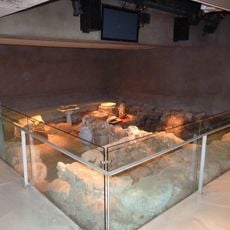
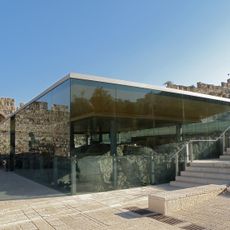
The Givati dig covers several thousand square meters on the eastern slope of the City of David and reveals numerous historical layers from different eras. The site is actively being studied and displays remains from at least ten distinct historical periods, including structures from the Iron Age and Roman times.
Excavations began in 2007 and uncovered structures from ten different periods, spanning from the early Iron Age to the Byzantine era. Significant findings include a 6th-century Byzantine church and numerous remains from the Second Temple period.
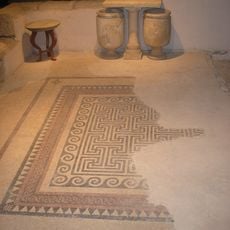
The site displays residential buildings from the Second Temple period with ritual baths and mosaic floors, suggesting the presence of wealthy priestly families. These discoveries offer insight into the daily life of Jerusalem's more affluent residents during that era.
The location stands roughly 30 meters (100 feet) from the Ottoman walls, south of the Dung Gate, and is supervised by the Israel Antiquities Authority. Visitors should keep in mind that the site is actively being researched and access may sometimes be restricted.
In 2008, archaeologists discovered a collection of 264 gold coins from the reign of Byzantine emperor Heraclius buried within the excavation layers. This rare coin hoard sheds light on economic conditions and possibly dramatic events at the end of the Byzantine period in Jerusalem.
The community of curious travelers
AroundUs brings together thousands of curated places, local tips, and hidden gems, enriched daily by 60,000 contributors worldwide.