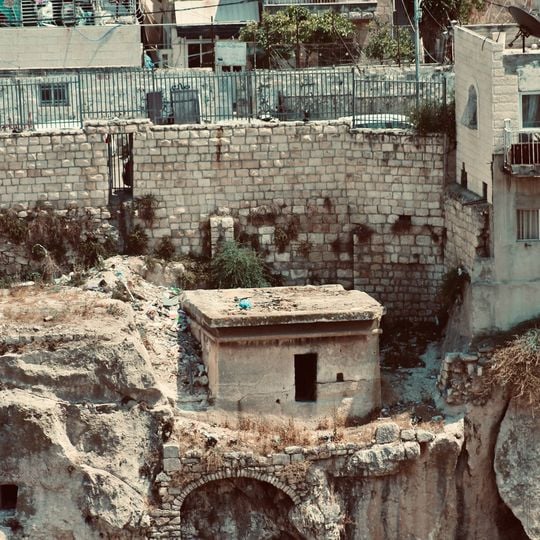
Silwan necropolis, Ancient necropolis in Kidron Valley, Jerusalem, Israel
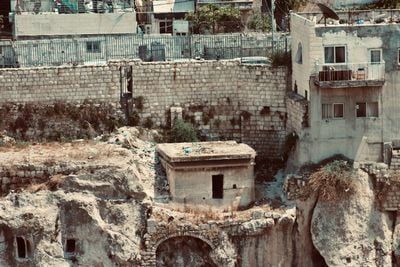
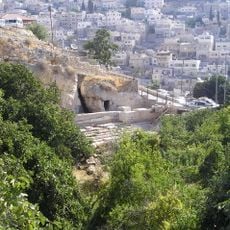
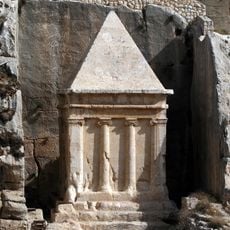
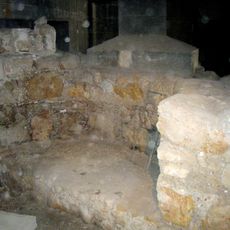
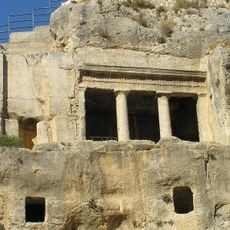
The Silwan necropolis is an ancient burial complex with around fifty rock-cut tombs scattered across the eastern slope of the Kidron Valley. The chambers feature high entrances and gabled ceilings carved directly from the limestone cliff.
The tombs were cut between the 9th and 7th centuries BC, on the rocky eastern slope of the Kidron Valley facing the oldest part of Jerusalem. Charles Warren tried to survey them in 1876, and no careful survey was carried out until 1968, when David Ussishkin described the three tomb types. Byzantine monks later lived in the chambers and turned some into churches.
Three tombs carry Hebrew inscriptions, the only ancient inscriptions surviving at Silwan. The Tomb of the Royal Steward bears a curse on anyone who opens it: "No silver or gold is here but (his bones) and the bones of his Amma." The name is partly effaced; some scholars identify the owner with Shebna, steward of King Hezekiah.
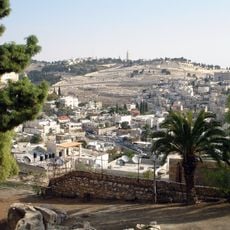
The site requires sturdy footwear and careful footing on the uneven paths along the cliff. You get the best views of the tombs from trails on the opposite side of the valley.
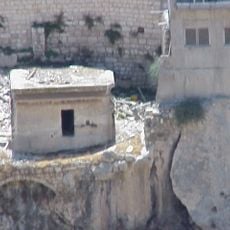
Only three of the tombs are free-standing monoliths cut from the cliff; the rest are chambers sunk into the rock. The best preserved, the Tomb of Pharaoh's Daughter, keeps its above-ground chamber and gabled ceiling, but its pyramid-shaped roof was quarried away for stone.
The community of curious travelers
AroundUs brings together thousands of curated places, local tips, and hidden gems, enriched daily by 92,637 contributors worldwide.