Pool of Siloam, Biblical reservoir in Silwan, East Jerusalem
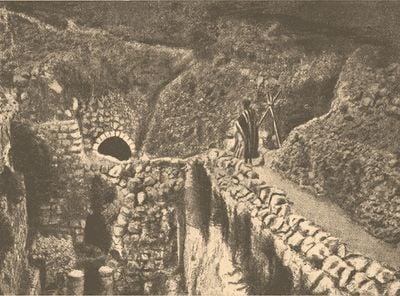
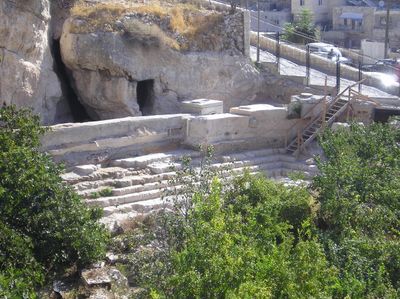
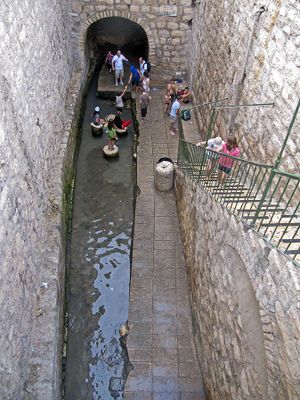
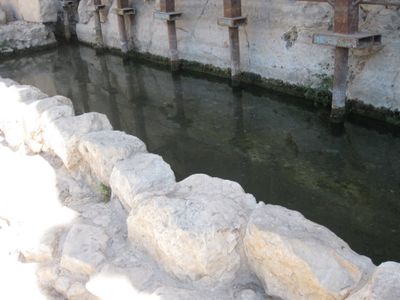
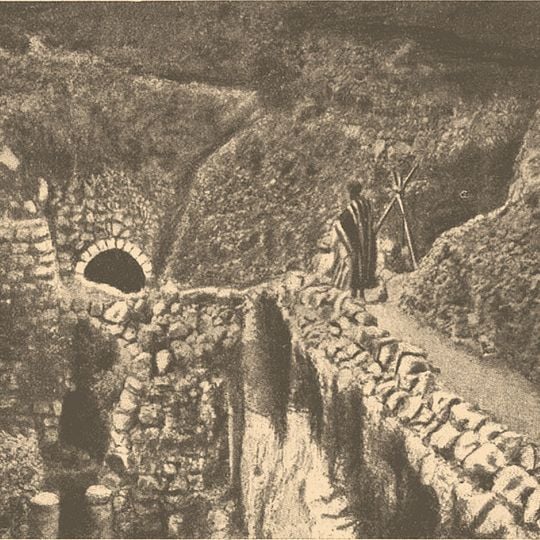
The Pool of Siloam consists of several rock-cut reservoirs located southeast of Jerusalem's Old City walls, fed by water channeled from the Gihon Spring. Excavated stone steps descend on three sides into the basin, showing the construction of an ancient public water installation.
King Hezekiah ordered the construction of the water system between 715 and 687 BCE to protect Jerusalem's water supply during sieges through an underground tunnel. Later rulers expanded the pool and added steps that made it accessible for public use.
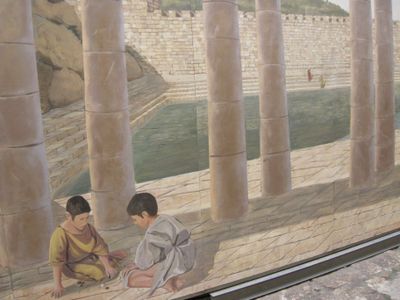
The name comes from the Hebrew word Shiloach, meaning "sent," referring to water flowing through Hezekiah's tunnel from the spring. People today visit the stone steps where Jewish pilgrims once washed before entering the temple.
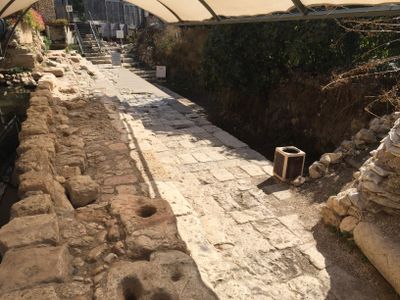
Access to the archaeological site is through the City of David park, where excavation work on the stone steps and water channels continues. Visitors should wear sturdy shoes and expect uneven terrain.
Archaeological excavations in 2004 discovered coins from the reign of Alexander Jannaeus inside the basin, which measures roughly 225 feet across. Stonework on the steps shows tool marks that date the construction to different phases over centuries.
The community of curious travelers
AroundUs brings together thousands of curated places, local tips, and hidden gems, enriched daily by 90,883 contributors worldwide.