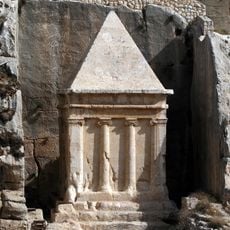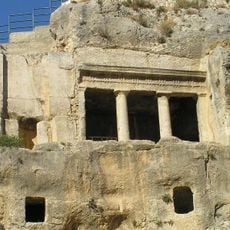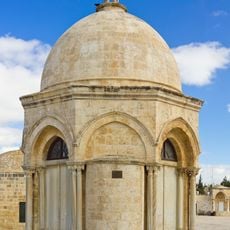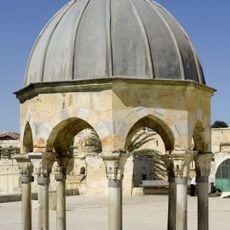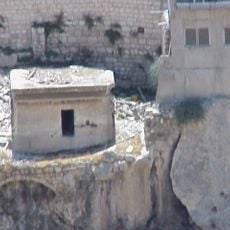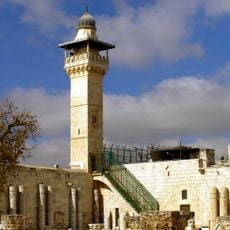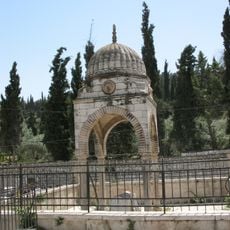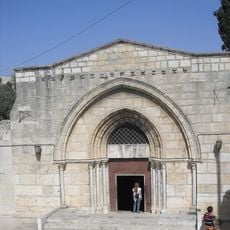
Kidron monuments, Monumental cenotaphs in Kidron Valley, Jerusalem, Israel.
The Kidron monuments are three ancient burial structures on the eastern slope of Kidron Valley, featuring distinct architectural elements such as Ionic columns and Egyptian-style cornices. They stand side by side and display various building styles that reflect influences from multiple cultural traditions.
The monuments date from the First Temple period between the 9th and 7th centuries BCE and include the tombs of Absalom, Benei Hezir, and Zechariah. These tombs demonstrate how architectural styles from the Hebrew and Hellenistic world merged together in this valley.
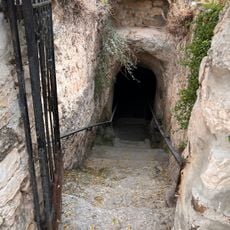
The Kidron Valley served as a burial ground for centuries, with rock-cut tombs that Byzantine monks adapted between the 4th and 7th centuries. The way these structures are integrated into the landscape reveals how important this location was as a sacred burial place for multiple generations.
The monuments are visible from a paved path through Kidron Valley that connects the Temple Mount with the Mount of Olives. The walkway is easy to access, but the terrain is hilly and the sun can be intense, so bring proper footwear and water.
The Absalom monument rises approximately 22 meters tall and combines Greek and Egyptian architectural styles with a distinctive conical roof crowned by a lotus flower. This unusual blend of distant building traditions makes it a striking example of cultural exchange in the ancient world.
The community of curious travelers
AroundUs brings together thousands of curated places, local tips, and hidden gems, enriched daily by 60,000 contributors worldwide.