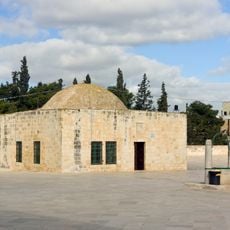
Grotto of Gethsemane, Religious cave near Mount of Olives, East Jerusalem
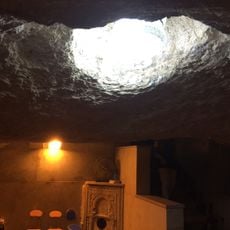
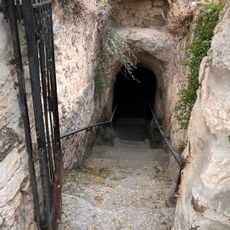
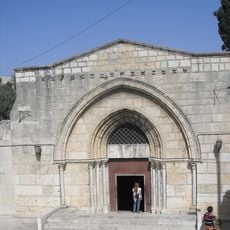
The Grotto of Gethsemane is a hexagonal cave chapel beside Mary's Tomb, entered by a long corridor on its right. It measures about 17.6 m by 11.4 m and reaches 3.5 m high. A raised step on the northeast side holds an altar with a synthronon and an image of Jesus among the apostles.
The site served as a burial ground with excavations revealing human remains, a Greek inscription, and Byzantine ceiling decorations from an earlier period. These discoveries show the grotto was used from the 5th through 8th centuries.
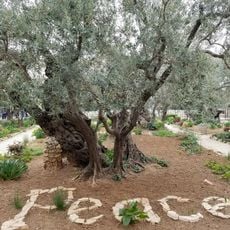
The name Gethsemane comes from the Hebrew gat shemanim, meaning olive press, and the grotto keeps traces of that use: a water cistern and possibly an oil press. Since 1361 the Franciscans of the Custody of the Holy Land have held the site, and after Mary's Tomb passed to the Greek Orthodox and Armenian churches in 1757, Catholics also began celebrating the Assumption here.
Access through a narrow opening means sturdy shoes and patience with tight passages are recommended. Visitors should be prepared for cool temperatures underground and the possibility that the space may be reserved for prayer.
The grotto's floor once held a white mosaic, destroyed by the digging of 42 graves, mostly between the 5th and 8th centuries. Grave 15's marble slab carries sura 112 of the Quran in Kufic script, and a Greek floor inscription by the cistern reads "Lord, grant rest".
The community of curious travelers
AroundUs brings together thousands of curated places, local tips, and hidden gems, enriched daily by 94,228 contributors worldwide.