The Herodian Quarter, Underground archaeological museum in Jewish Quarter, Jerusalem, Israel.
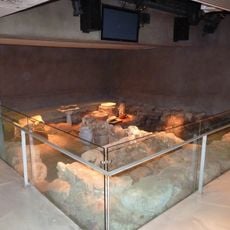
The Herodian Quarter is an underground museum in Jerusalem's Old City displaying four excavated houses of the Herodian upper city, built between 37 BCE and 70 CE. The Western House preserves a basement with three cisterns and four mikvaot, and a mosaic floor with geometric patterns and a rosette framed by palm trees and a perfume flask. The palatial mansion covers over 600 m², with walls up to 3 m high and a hall measuring 6.5 by 11 m.
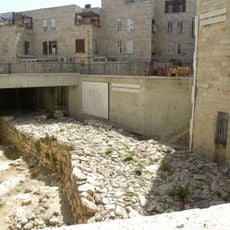
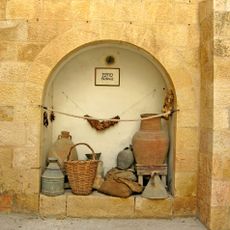
This neighborhood was uncovered through excavations following the Six Day War and documents habitation until Jerusalem's destruction in 70 CE. The houses were luxuriously furnished and belonged to influential residents of the city before that catastrophe.
The name of the site comes from the Herodian period, 37 BCE to 70 CE, when this was Jerusalem's Upper City. In the Western House, a mosaic floor in a bathing room shows only geometric patterns and a rosette with palms and a perfume flask, avoiding images of people and animals. A stone basin found by a mikveh was used to wash the feet before immersion.
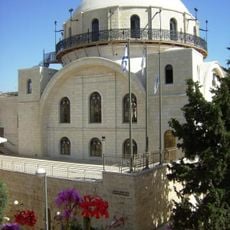
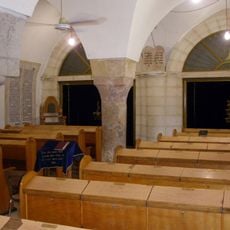
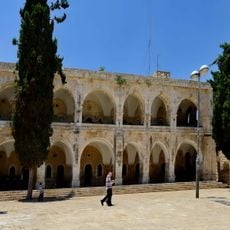
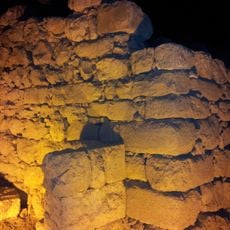
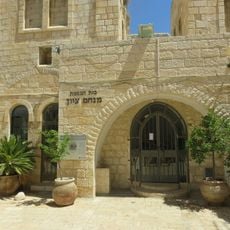
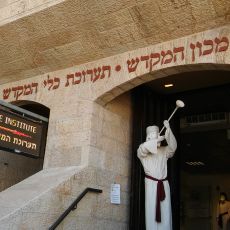
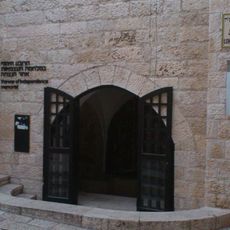
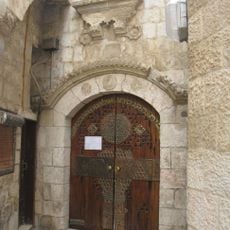
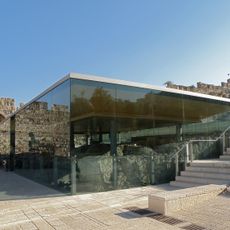
The entrance is at Ha-Kara'im Street 1, and the museum occupies the space beneath the Wohl Torah Centre, so visitors descend below the yeshiva's floor. The excavated area covers about 2,700 square metres, and the southern house is left as the excavators found it, uncleared and unrestored.
A modern Yeshiva was built directly above the archaeological excavations, creating an unusual connection between ancient ruins and contemporary religious study. This arrangement shows how ancient sites continue living in the city's present-day life.
The community of curious travelers
AroundUs brings together thousands of curated places, local tips, and hidden gems, enriched daily by 92,638 contributors worldwide.