Aelia Capitolina, Roman colony in Jerusalem, Israel
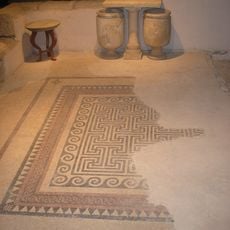
Aelia Capitolina was a Roman colony in Jerusalem, Israel, designed with a typical Roman urban plan featuring a rectangular wall structure and gates positioned at cardinal points. The streets formed a grid lined with wide colonnaded walkways that connected public squares and temple complexes.
Emperor Hadrian established Aelia Capitolina around 130 CE on the ruins of Jerusalem following the destruction of the Second Temple. The foundation triggered the Bar Kokhba revolt and led to the final expulsion of the Jewish population from the city.
The name combines Hadrian's family name Aelius and Capitolina, referencing the three main Roman deities of the Capitoline Hill. This naming was meant to emphasize the Roman character of the newly founded settlement and mark its break from Jerusalem's Jewish past.
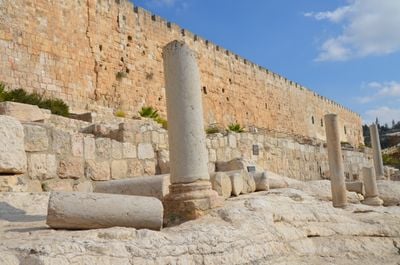
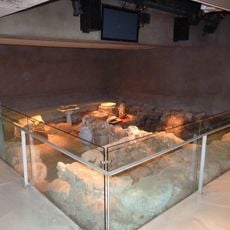
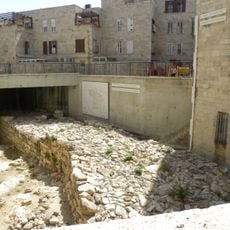
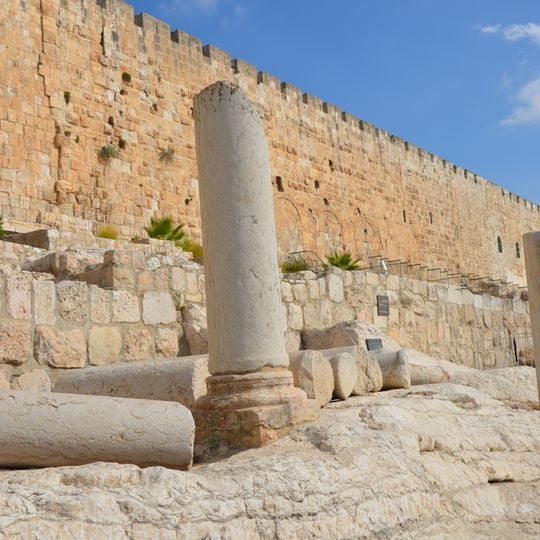
The main north-south street, called the Cardo, featured columned sides supporting roofs and connected the city's primary gates. Visitors today can view remains of this colonnaded street in the Jewish Quarter of Jerusalem's Old City.
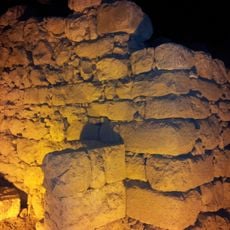
Archaeological excavations revealed boundary markers indicating the city limits were ritually plowed according to Roman foundation traditions. This ceremony, called the pomerium, was meant to establish the sacred boundary of the new city and confirm its status as a legitimate Roman colony.
The community of curious travelers
AroundUs brings together thousands of curated places, local tips, and hidden gems, enriched daily by 60,000 contributors worldwide.