Hurva Synagogue, Jewish synagogue in Old City, Jerusalem
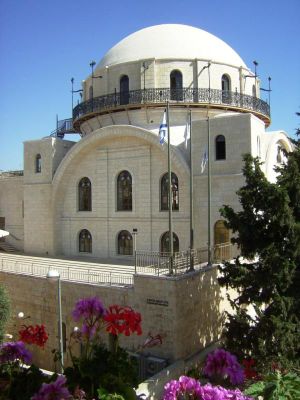
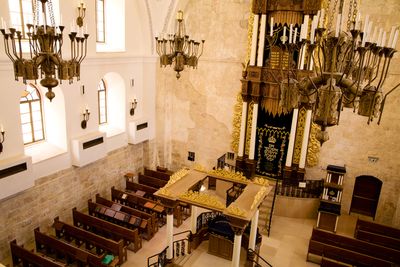
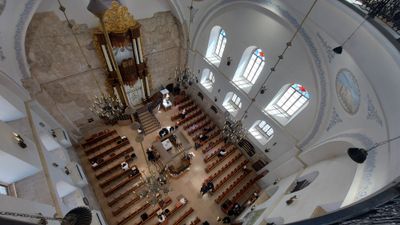
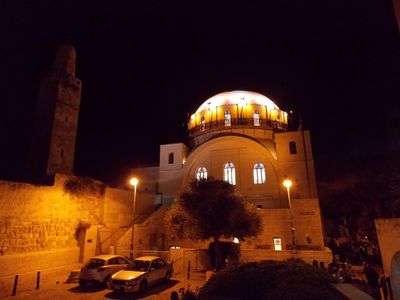
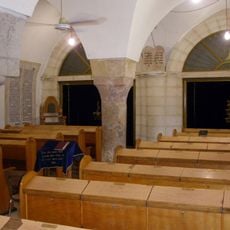
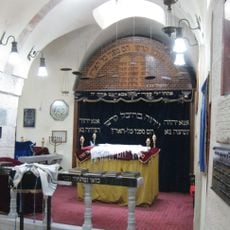
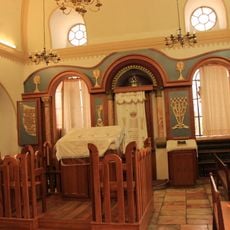
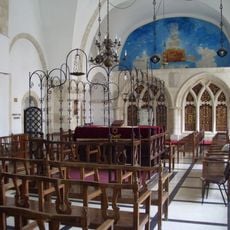
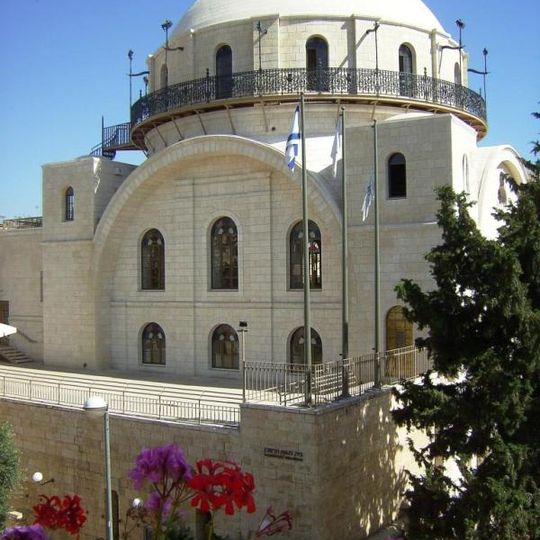
Hurva Synagogue is a Jewish house of worship in the Jewish Quarter of the Old City of Jerusalem, recognizable by its dome that rises 24 meters (79 feet) above the ground. The building follows a Byzantine Revival style with tall columns, arched windows and a spacious interior that can accommodate several hundred people.
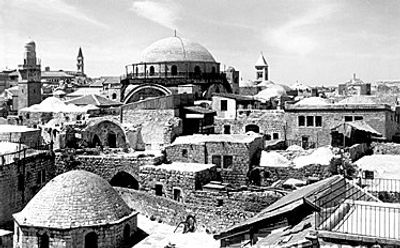
A first prayer house was built here in 1700 and destroyed in 1721, after which the site remained in ruins for over a century. A new building was dedicated in 1864 and stood until 1948, when it fell during fighting and was only rebuilt in 2010.
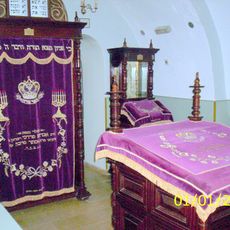
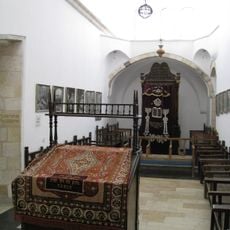
The name refers to a former ruin that once stood at this location and today serves as a center for worship and religious festivals. Men and women use separate sections during prayer times, a practice visitors can observe during their visit.
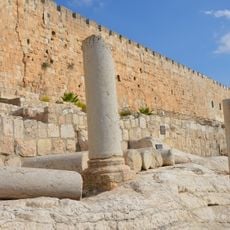
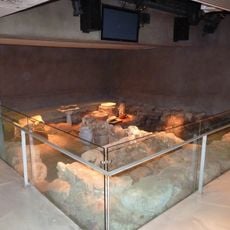
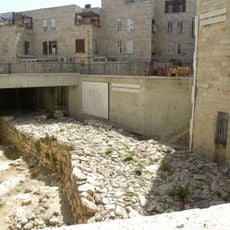
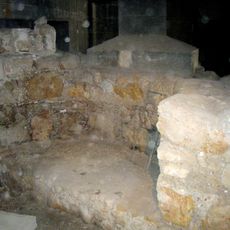
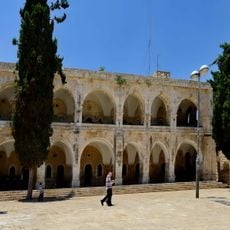
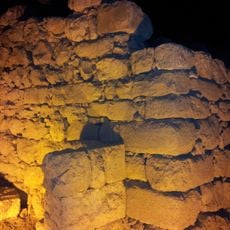
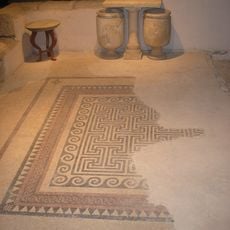
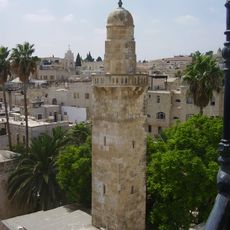
The synagogue stands off a plaza in the centre of the Jewish Quarter, next to the Sidna Omar mosque. Excavations at the site in 2003 uncovered three bedrock-hewn mikvehs from the 1st century, alongside finds from the First Temple, Second Temple, Byzantine and Ottoman periods.
The name Hurva means "ruin", recalling the 116 years the plot lay desolate after the 1721 burning of the first synagogue. The rebuilt domed sanctuary, dedicated on March 15, 2010, follows the design of Assad Bey, chief architect of Sultan Abdelmecid, who oversaw the 1864 construction. Excavations in 2003 uncovered three bedrock-hewn mikvehs from the 1st century.
The community of curious travelers
AroundUs brings together thousands of curated places, local tips, and hidden gems, enriched daily by 92,606 contributors worldwide.