See the monuments around you in AROpen chests in the app
Around Us is built for your phone — point your camera at the streets and discover the monuments and places around you in augmented reality.Around Us is built for your phone — chests unlock when you walk, explore and capture nearby places.
Synagogues around the world tell centuries of Jewish history through their architecture and walls full of meaning.
A selection of the most important synagogues around the world, chosen for their historical significance, architectural value, cultural and spiritual role, and tourist interest. This collection includes Jewish places of worship in Europe, Asia, North Africa, North and South America, and Oceania.
Synagogues around the world tell centuries of Jewish history through their architecture and walls full of meaning.
A selection of the most important synagogues around the world, chosen for their historical significance, architectural value, cultural and spiritual role, and tourist interest. This collection includes Jewish places of worship in Europe, Asia, North Africa, North and South America, and Oceania.
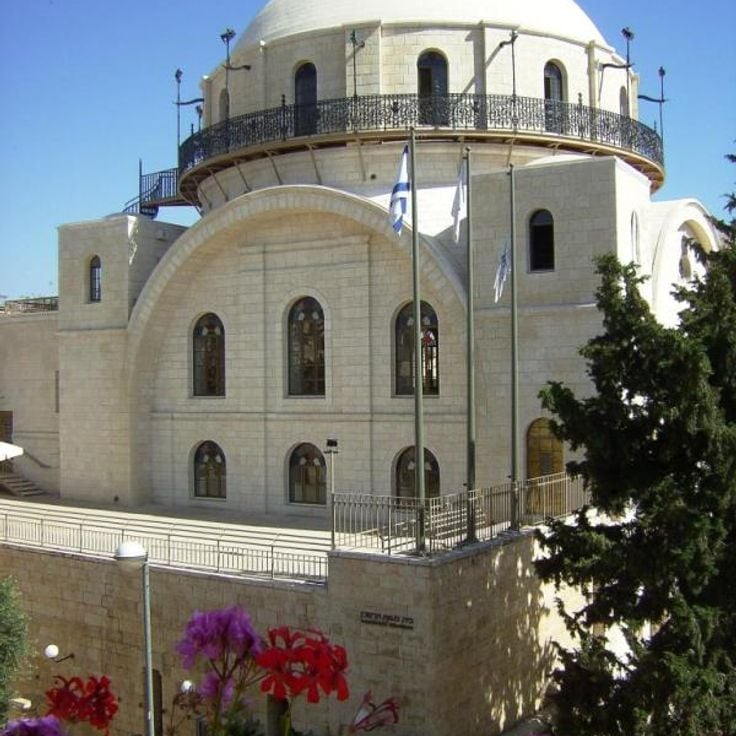
The Hurva Synagogue stands at the heart of Jerusalem's Jewish Quarter as a rebuilt place of worship with deep historical roots. This synagogue was destroyed and reconstructed, and today it serves as a center for prayer and community gathering. It represents the enduring presence of Jewish life and faith in the Old City.
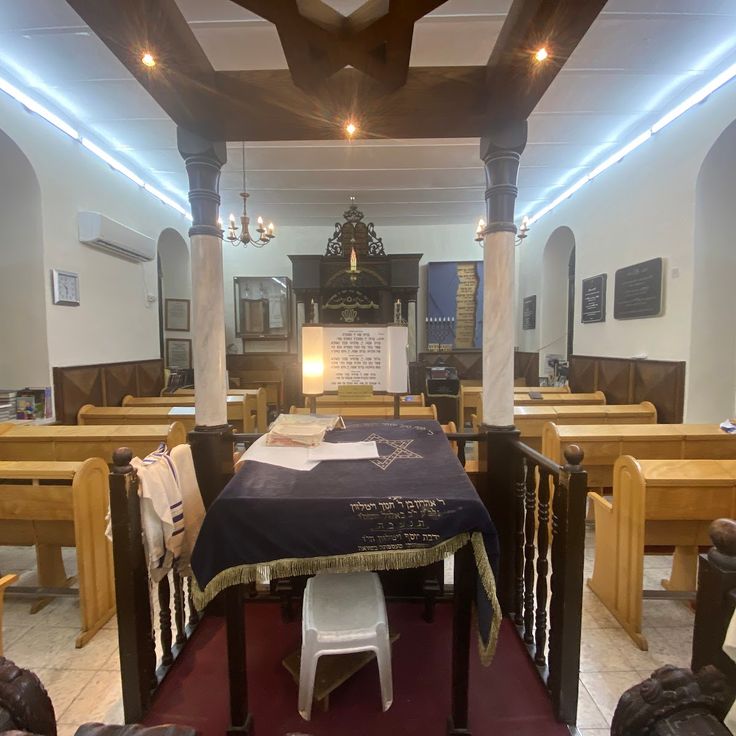
The Synagogue Tiferet Yisrael is located in the Jewish Quarter of Jerusalem. This old building has long been a center of local community life. Its architecture and structure reflect the spiritual traditions and practices that have shaped this neighborhood. The space tells the story of how this meaningful place has been used over time.
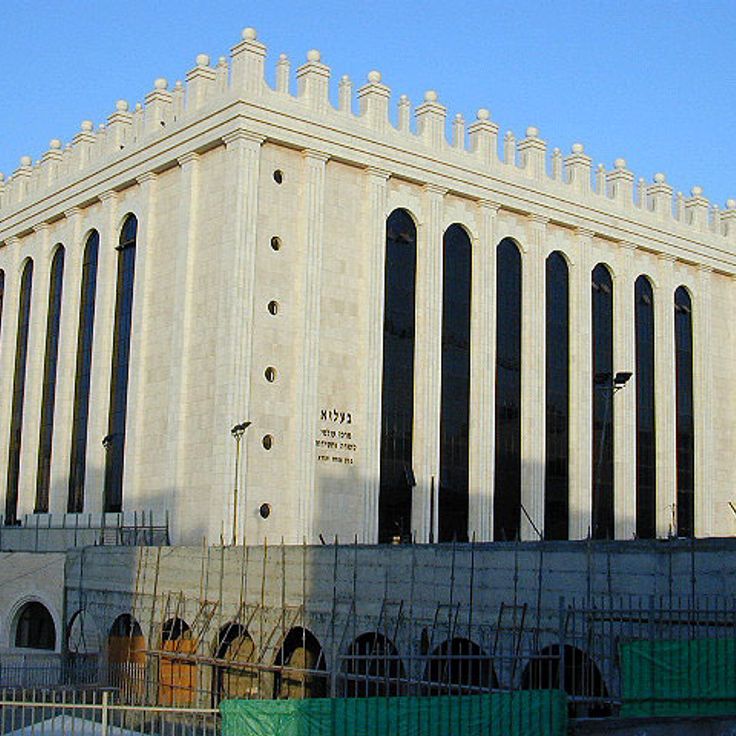
The Great Synagogue of Jerusalem is a major house of worship built in the 19th century in Jerusalem. It serves as a central gathering place for the Jewish community and a vital spiritual center in the city. The building combines architectural elements from different periods and reflects the history of Jewish life in Jerusalem. Visitors can experience the deep spiritual importance this place holds for the community.
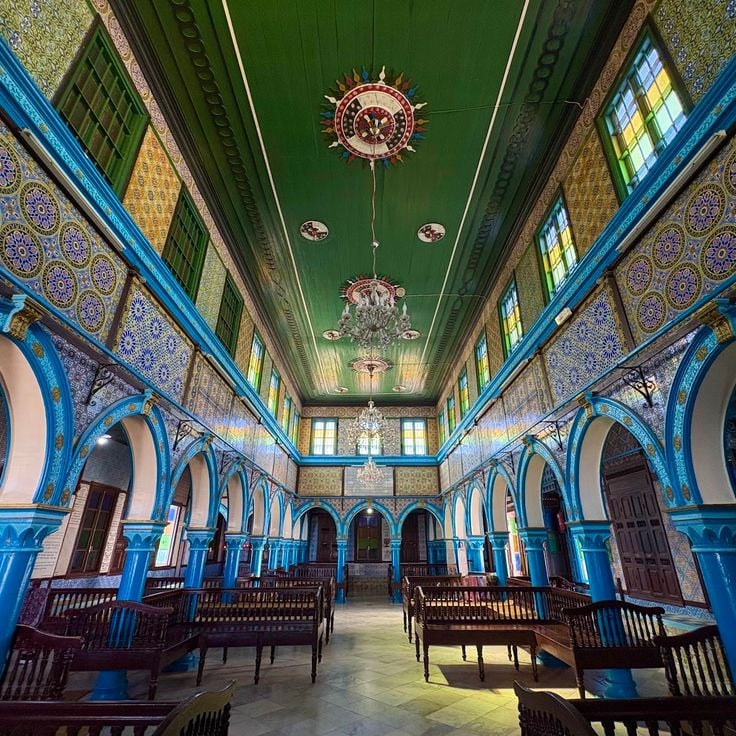
The Ghriba Synagogue on Djerba is one of the oldest synagogues in North Africa. It has drawn visitors and pilgrims for centuries who come to experience its history and religious importance. The building features traditional architecture and remains a significant place for the Jewish community and for anyone interested in the region's past.
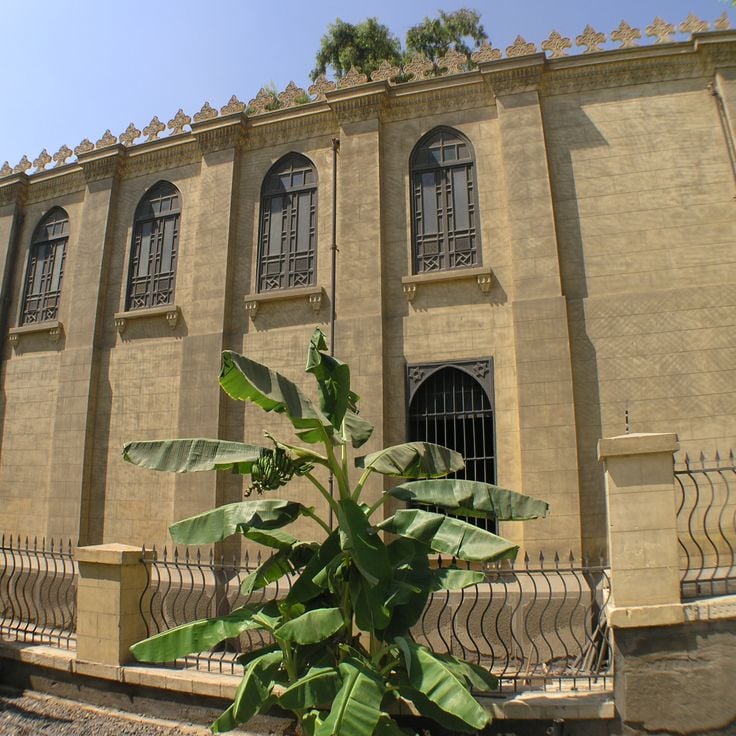
The Ben Ezra Synagogue in Cairo dates back to the 9th century and stands as one of Egypt's oldest synagogues. This building reflects centuries of Jewish presence in the region and carries significant historical weight. The structure displays architectural elements from different periods and houses important artifacts. For visitors, it offers insight into the long and complex history of Jewish communities in Egypt.
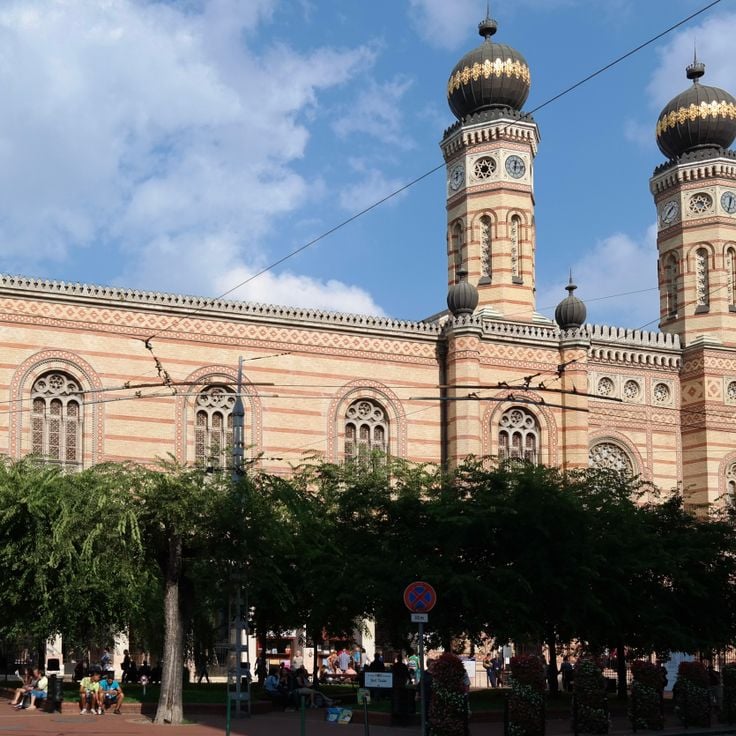
The Great Synagogue on Dohany Street is the largest synagogue building in Europe. It was constructed with architectural features that blend Byzantine, Moorish, and Romanesque elements. The building reflects the rich Jewish history and culture of Budapest. Visitors can see the detailed decorations, large domes, and carefully designed interior spaces.
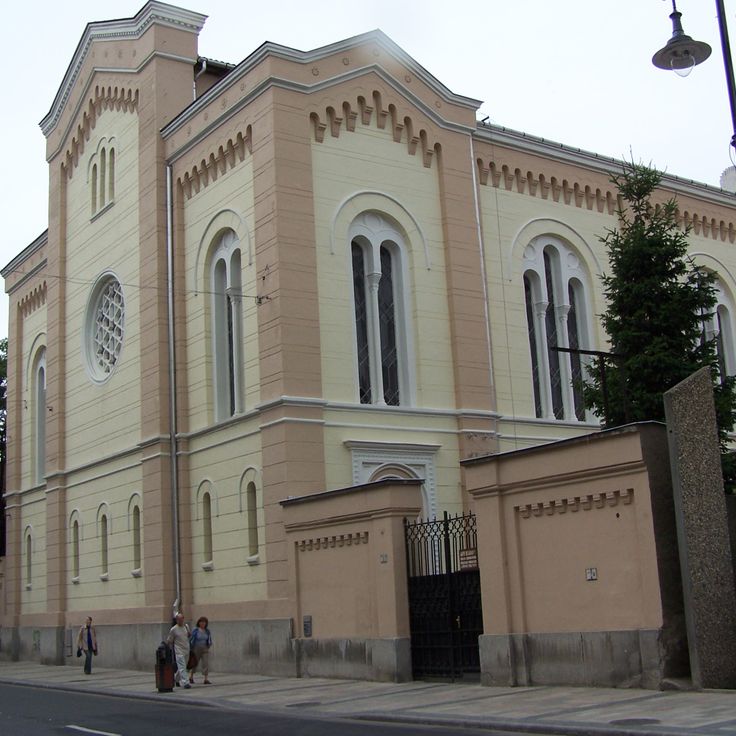
The Synagogue on Kazinczy Street is an important Orthodox synagogue in Budapest. Built in the 19th century, it reflects the history of the Jewish community in Hungary. The building combines architectural elements from different periods and continues to serve as an active place of worship and religious gatherings.
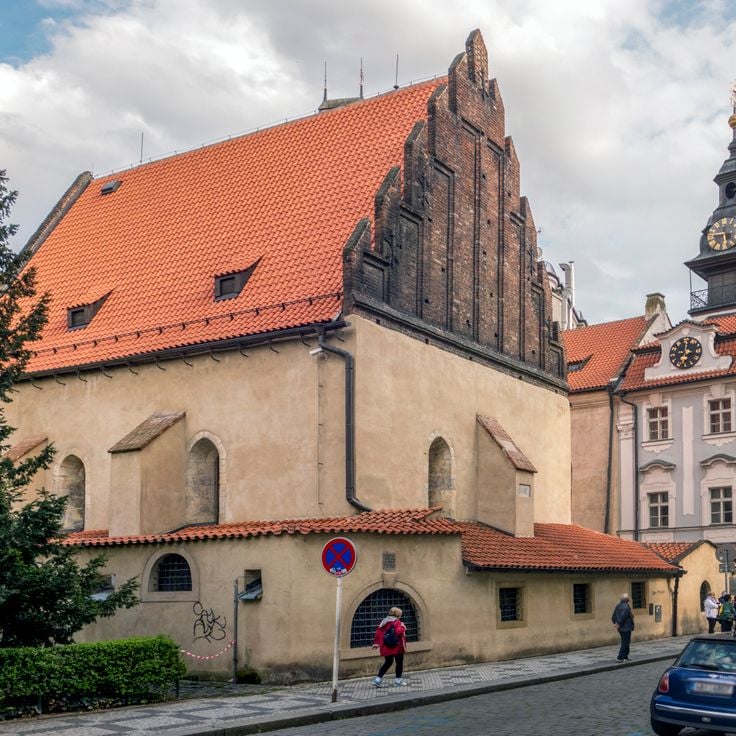
The Old-New Synagogue in Prague is one of Europe's oldest synagogues, built in the 13th century. This building stands in the heart of the former Jewish quarter and tells the story of the city's Jewish community over hundreds of years. The architecture blends Romanesque and Gothic elements, creating a space that holds meaning for both the community and visitors. The synagogue remains an active place of worship and stands as a testament to Jewish culture in Europe.
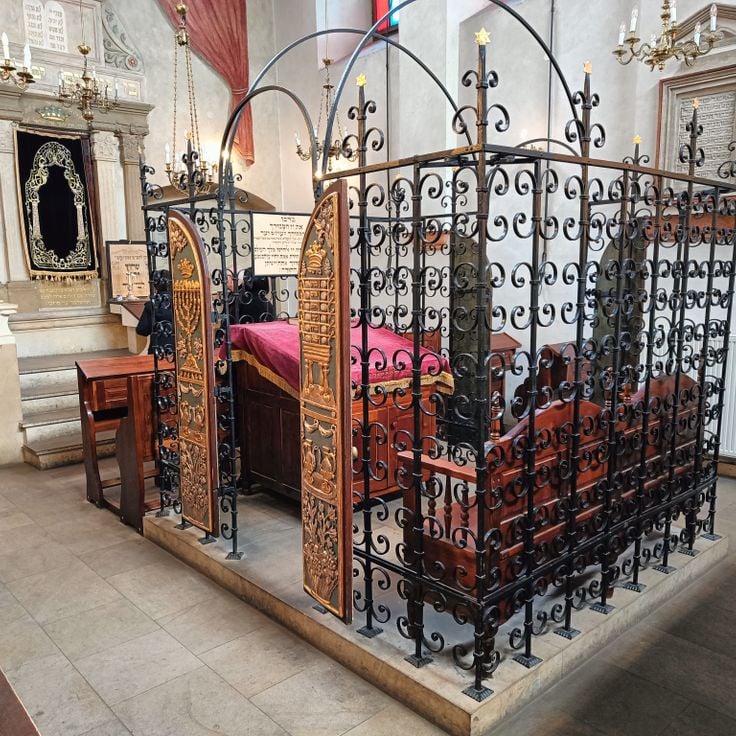
The Remuh Synagogue of Krakow stands in the heart of the city's Jewish Quarter and holds deep significance in Polish Jewish history. Built in the 16th century, this synagogue has endured through time and continues to serve as a place of worship. The building reflects the long presence of Jewish life in Krakow. Walking through this space, visitors encounter the spiritual and historical layers that define this community.
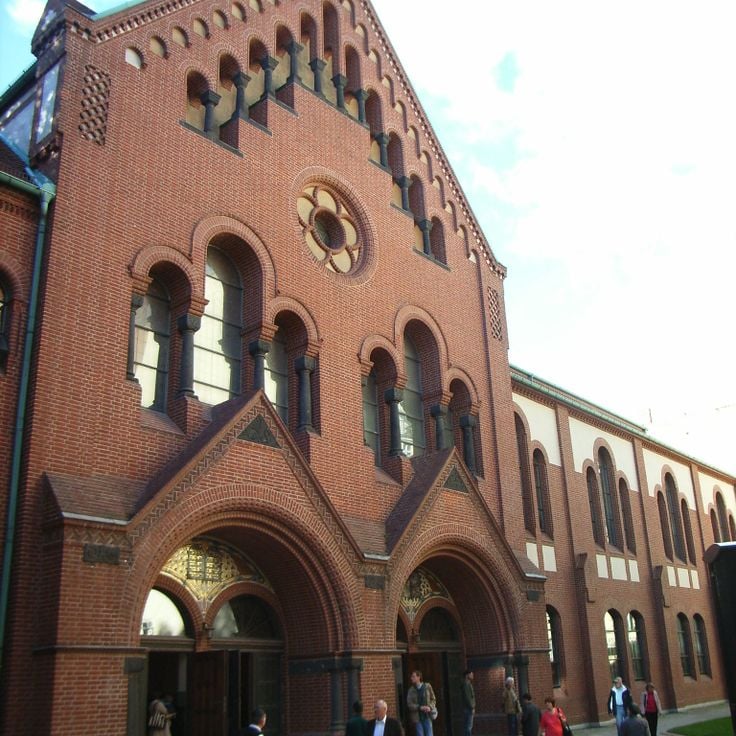
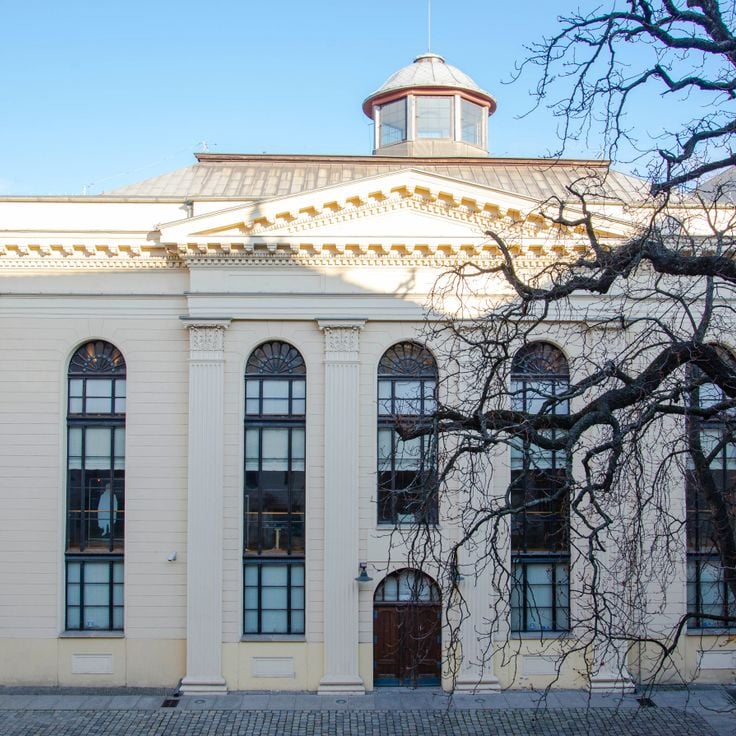
Rykestrasse Synagogue is located in Berlin's Prenzlauer Berg neighborhood and stands as one of the most significant surviving synagogues in Germany. Built in 1904, the building displays Neo-Renaissance architecture. It escaped destruction during Kristallnacht in 1938 and remained standing through the Nazi period, though religious services were suspended for many years. After World War II, it returned to use as a center for Berlin's Jewish community. Visitors today encounter a space rich with craftsmanship and historical weight, reflecting the story of German Jewish life.
The Portuguese Synagogue in Amsterdam was built in the 17th century by the Portuguese Jewish community. It demonstrates the architectural strength of that era and reflects the history of Sephardic Jews who found refuge in Amsterdam. The building catches your eye with its simple design and large windows that flood the interior with light. The synagogue stands as evidence of the flourishing period of the Jewish community in this Dutch city.
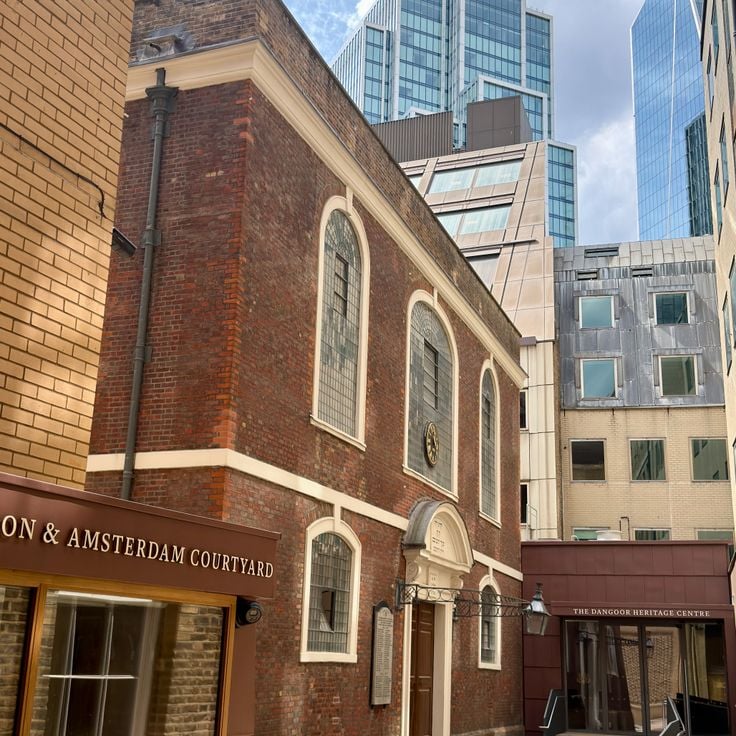
Bevis Marks Synagogue in London is the oldest Jewish house of worship in England. Built in 1701, this building shows the architectural style of its time and tells the story of the Jewish community in Britain. Today it remains an active place of prayer. Visitors come here to see the rooms and learn more about the religious and social role this synagogue has played in London's life.
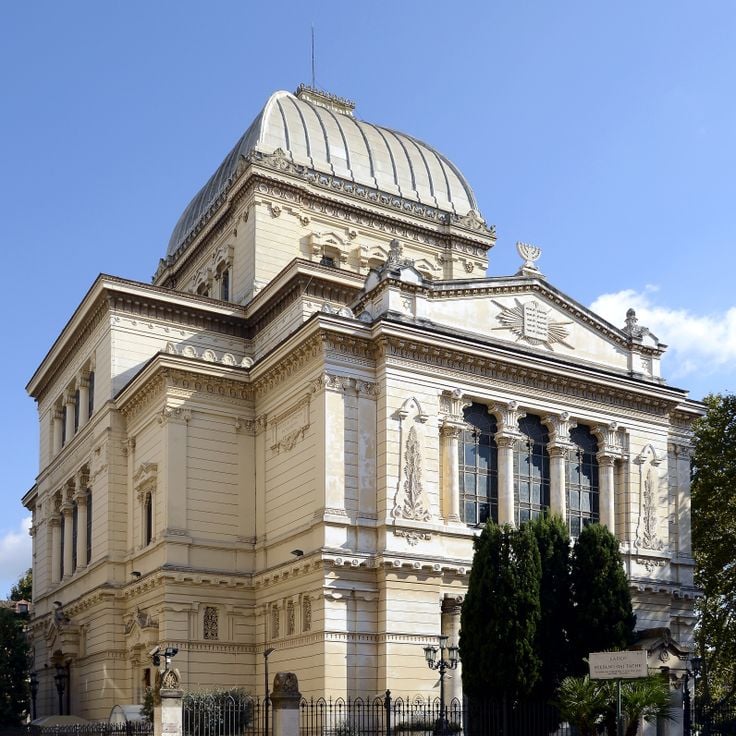
The Great Synagogue of Rome sits in the historic Jewish quarter of the city. Built in the 19th century, this synagogue blends architectural styles from different periods. It serves as a major place of worship for Rome's Jewish community. Inside, visitors find rich decoration and tall columns reaching toward the ceiling. The building's distinctive roof profile stands out in the city skyline and remains visible from many parts of Rome.
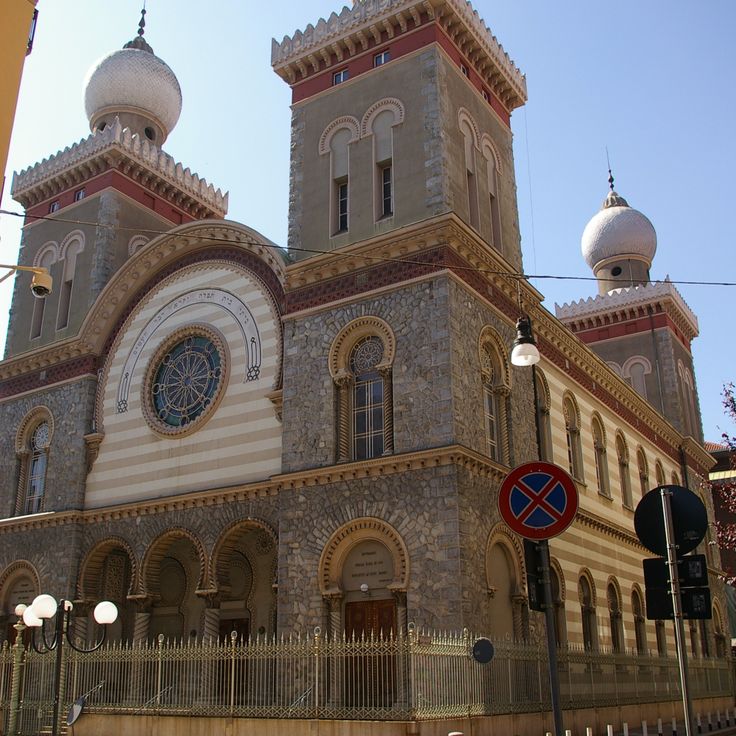
The Synagogue of Turin is a historic building in Piedmont that represents the Jewish community of this region. It stands as evidence of the religious and cultural presence of Jews in northern Italy and their role in Turin's history. This synagogue is part of a major collection of places of worship found around the world that demonstrate the architectural and spiritual diversity of Judaism.
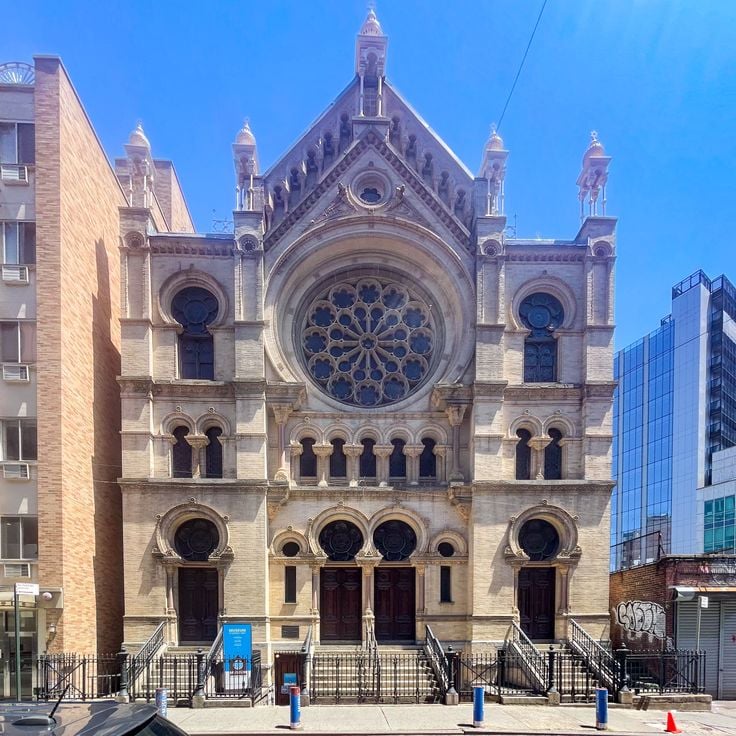
The Eldridge Street Synagogue is a historic house of worship in New York's Lower East Side, built in 1887. This building reflects the history of the Jewish community that settled there. The synagogue displays notable architectural features and serves as an important place to understand Jewish culture and history in America.
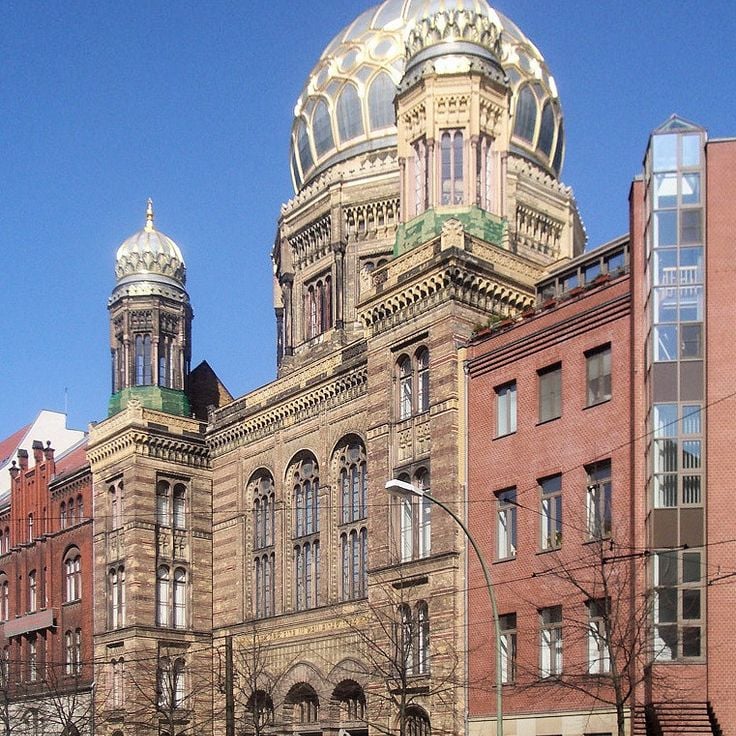
The Neue Synagoge in Berlin is a landmark of the 19th century, crowned by a striking golden dome. Completed in 1866, it represented the vitality of Berlin's Jewish community before World War II. Today it stands as a memorial and place of remembrance. The building combines Byzantine, Moorish, and Romanesque architectural styles. Visitors can explore the interior and learn about the history of Berlin's Jewish population.
The White Stork Synagogue in Wroclaw is a significant 19th century building in Poland. Built in Neo-Gothic style, it survived World War II when many other Jewish sites were destroyed. The building reflects the religious and cultural history of Wroclaw's Jewish community. After the war, the synagogue was restored and now serves as an active center for Jewish life and remembrance.
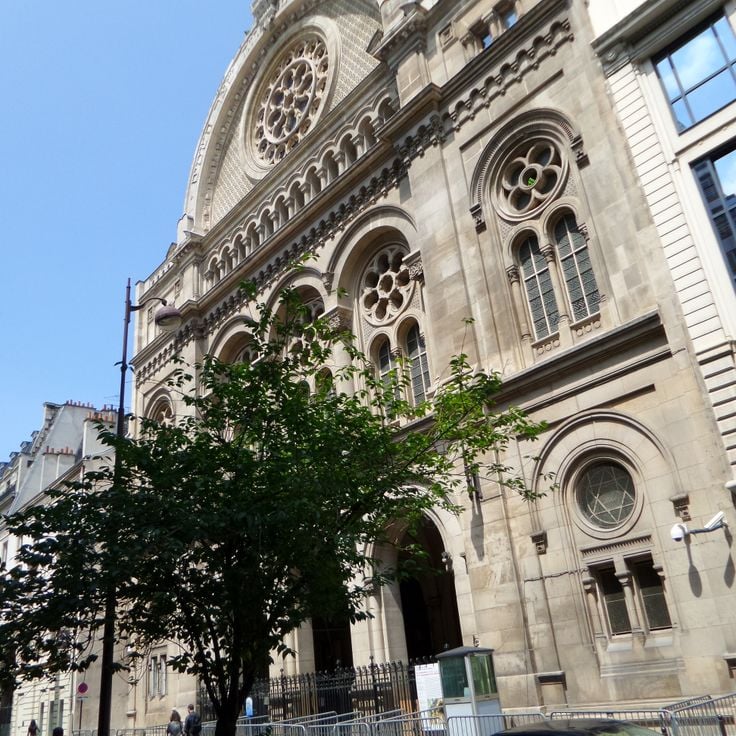
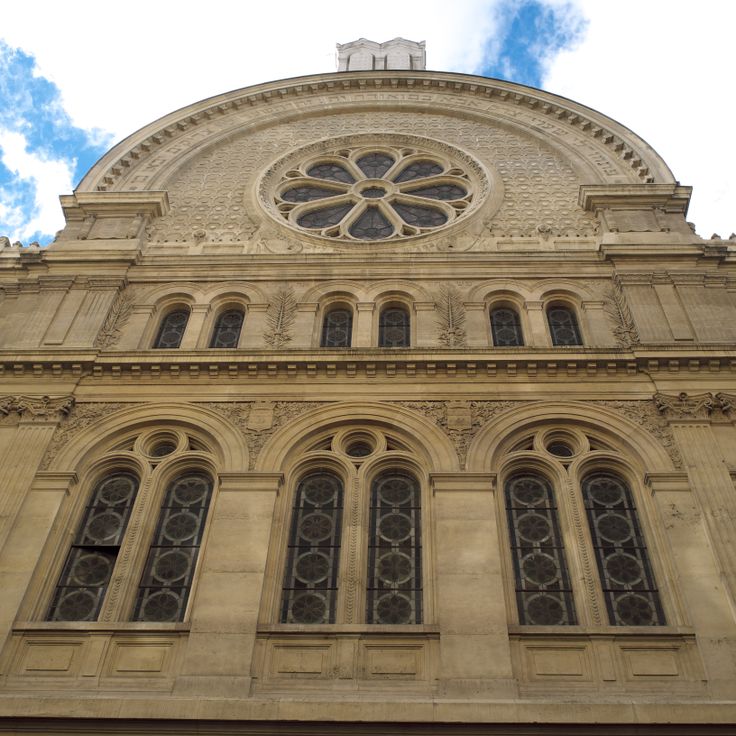
The Grand Synagogue of Victory stands in the 9th arrondissement of Paris and serves as a major synagogue in the city. The building shows the architectural style and historical depth of Paris's Jewish heritage. It functions as an important place of worship and cultural landmark. Visitors come to experience the religious traditions and to learn about the Jewish community's presence in Paris.
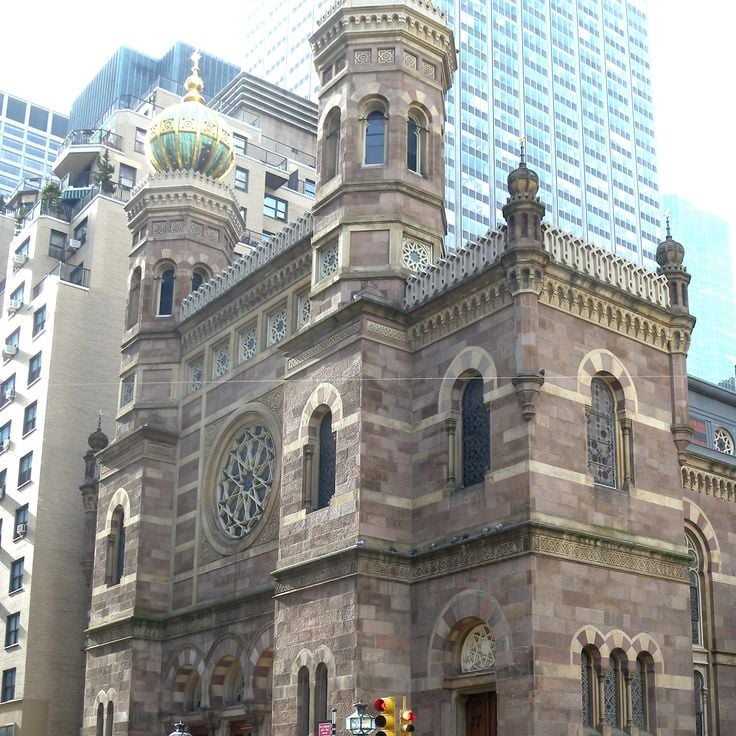
The Central Synagogue is a notable house of worship built in the 19th century in Manhattan. This synagogue displays the architectural styles of its era and serves as an important center for the Jewish community in New York. It remains a place where people gather for religious services and stands as a cultural landmark that attracts those interested in religious architecture and Jewish history.
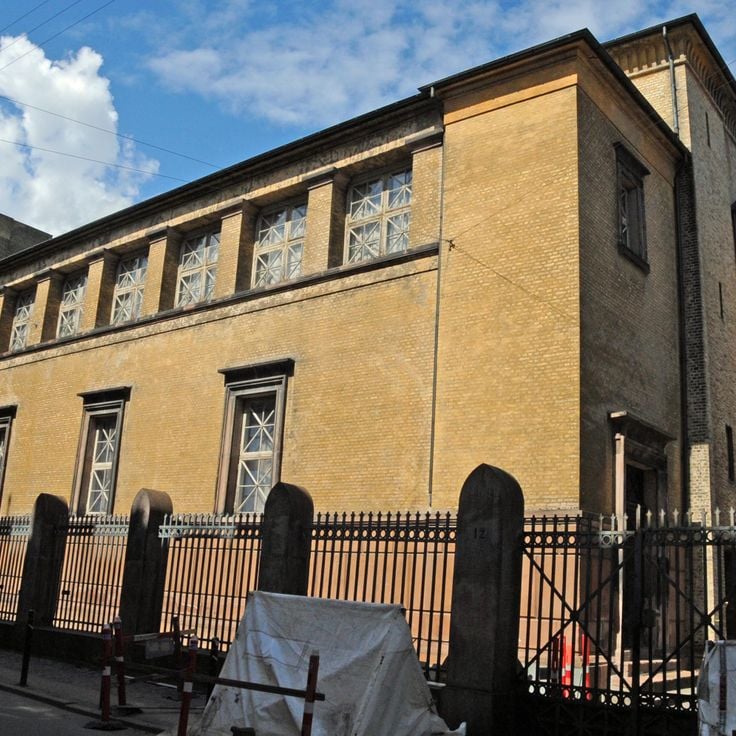
The Great Synagogue of Copenhagen is the major Jewish house of worship in Denmark, built during the 19th century. It represents the long history of the Jewish community in the Danish capital and displays important architectural features from that era. The building continues to serve as a place of religious gathering and cultural center for the community.
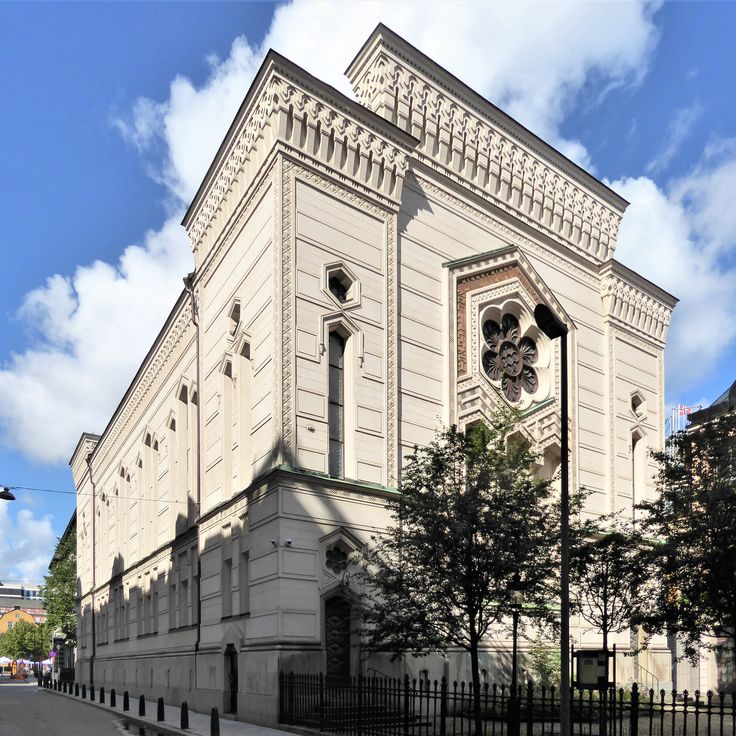
The Great Synagogue of Stockholm is Sweden's major Jewish house of worship. This building stands out for its notable architectural design and plays a central role in the religious and cultural life of Stockholm's Jewish community. The synagogue attracts visitors interested in the history and architectural character of this significant place.
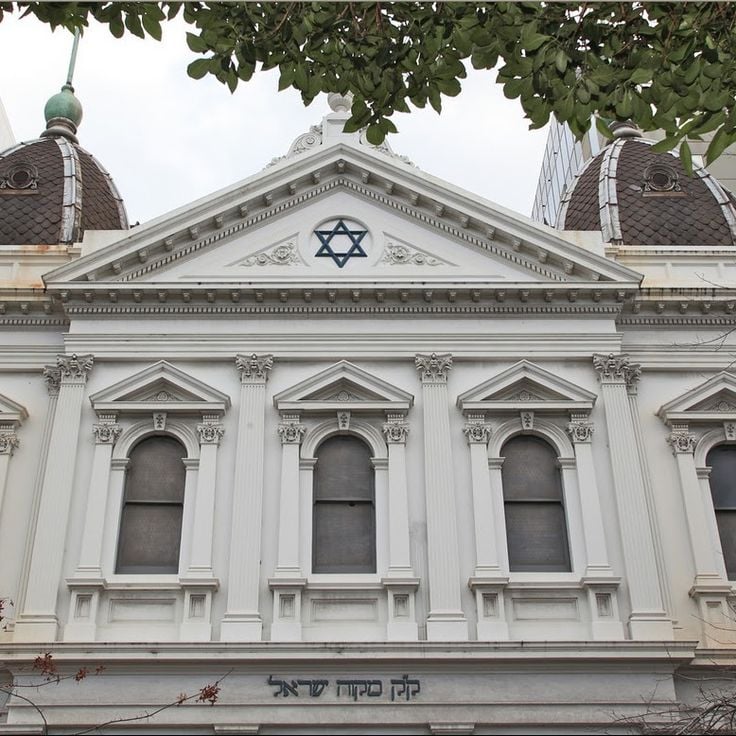
The Great Synagogue of Melbourne is a major religious building from the 19th century in Melbourne. It reflects the spiritual and cultural life of the city's Jewish community over many generations. The structure stands as a record of Jewish settlement and community development in Australia.
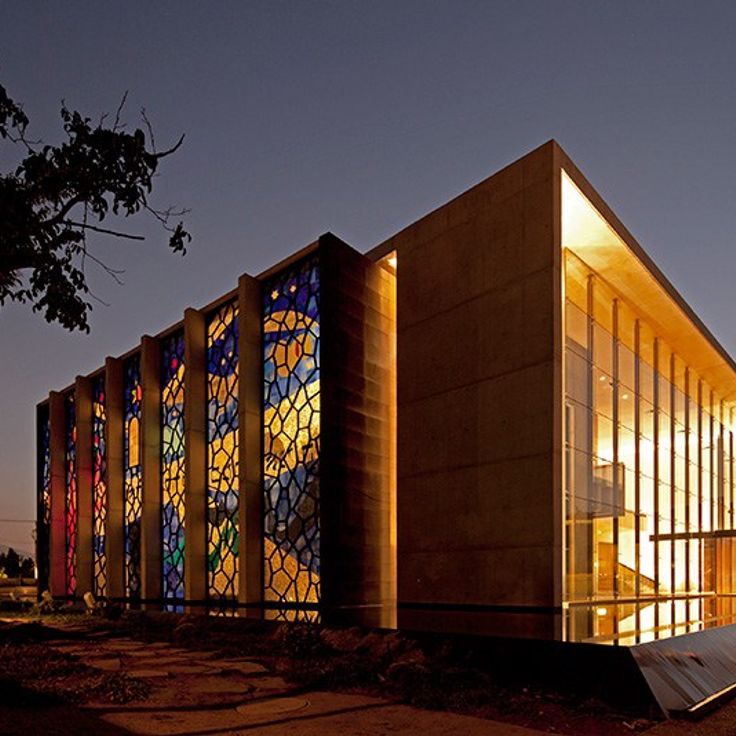
The Tempio Israelita della Comunidad Israelita de Santiago is the major Jewish temple in Santiago, Chile. This building holds a central place in the religious and cultural life of the city's Jewish community. The synagogue serves as a place of worship and as a gathering space for the community. Its architecture and history make it an important example of Jewish religious buildings in South America.
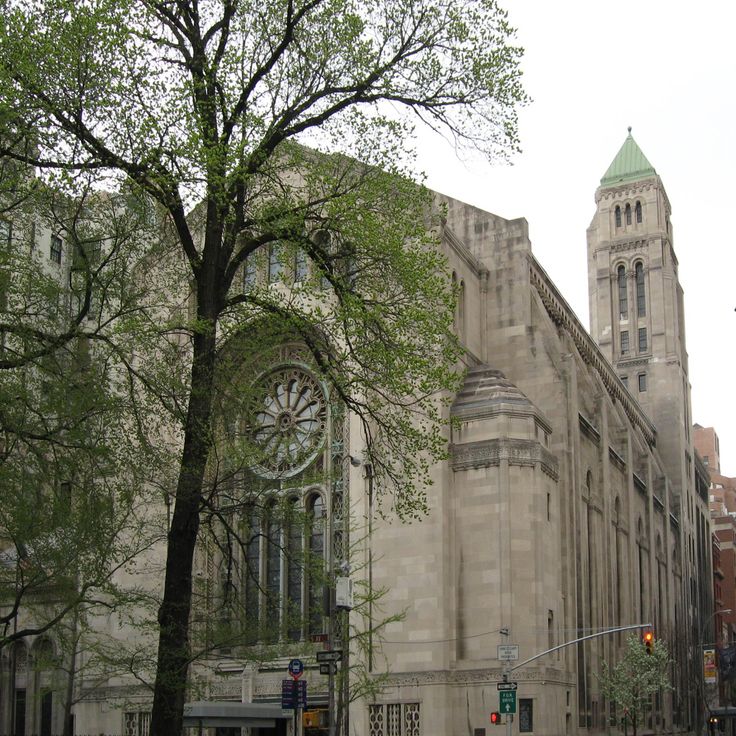
Temple Emanu-El is a major reform congregation in New York. It represents a long tradition of Jewish life in the city and plays an important role in the religious and cultural community. The building displays notable architectural features that draw visitors seeking to learn more about the history and spiritual significance of this place.
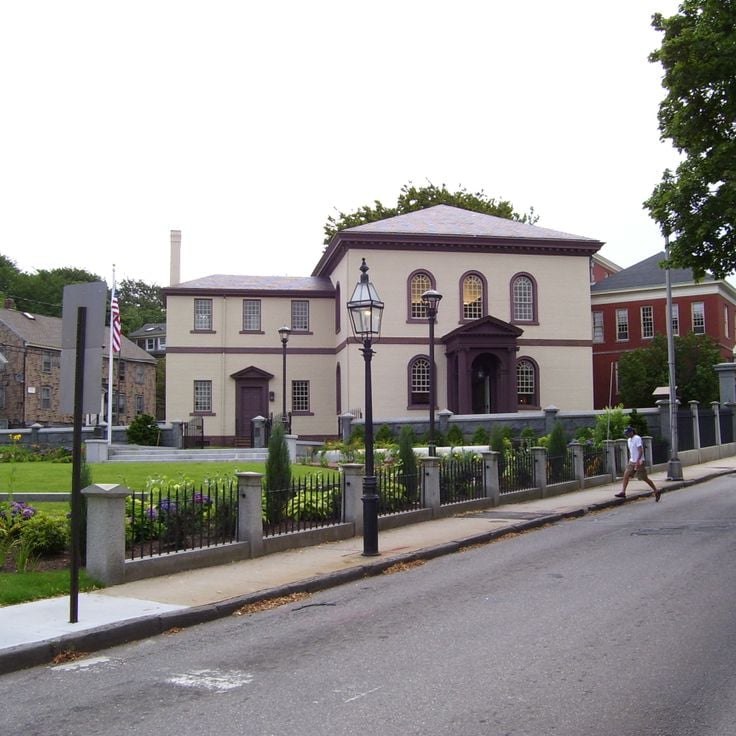
The Touro Synagogue in Newport is one of the oldest synagogue buildings in the United States, built in 1763. This house of worship reflects the early history of the Jewish community in North America and shows how this community became established during the colonial period. The building combines English and Sephardic architectural influences and stands as evidence of the religious diversity of early American history.
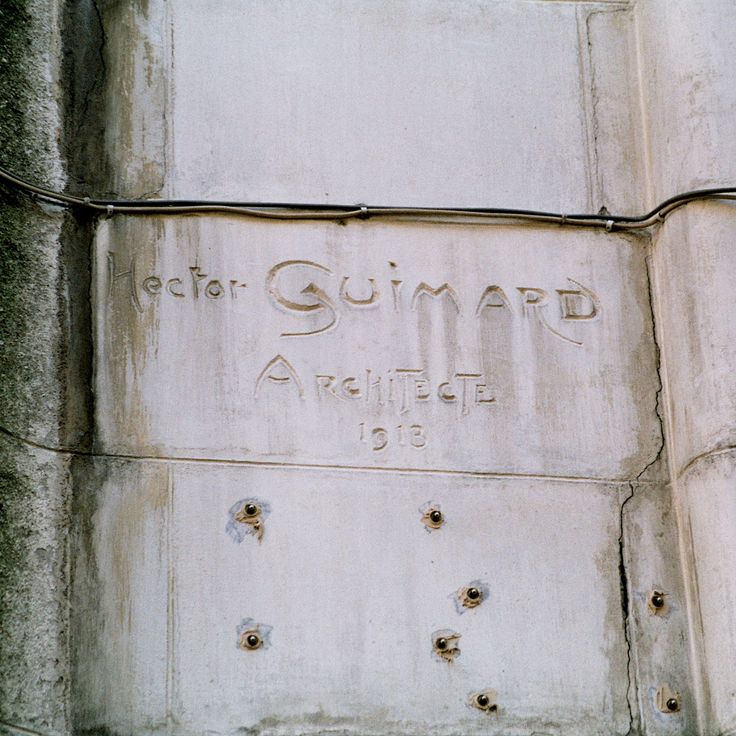
This synagogue on Rue Pavée in Paris's Marais district was designed by architect Hector Guimard. It displays the hallmarks of Art Nouveau style and stands out with its distinctive facade. The interior space is arranged to accommodate Jewish worship practices. The building sits among the busy streets of the Marais and represents an important part of this neighborhood's Jewish heritage.
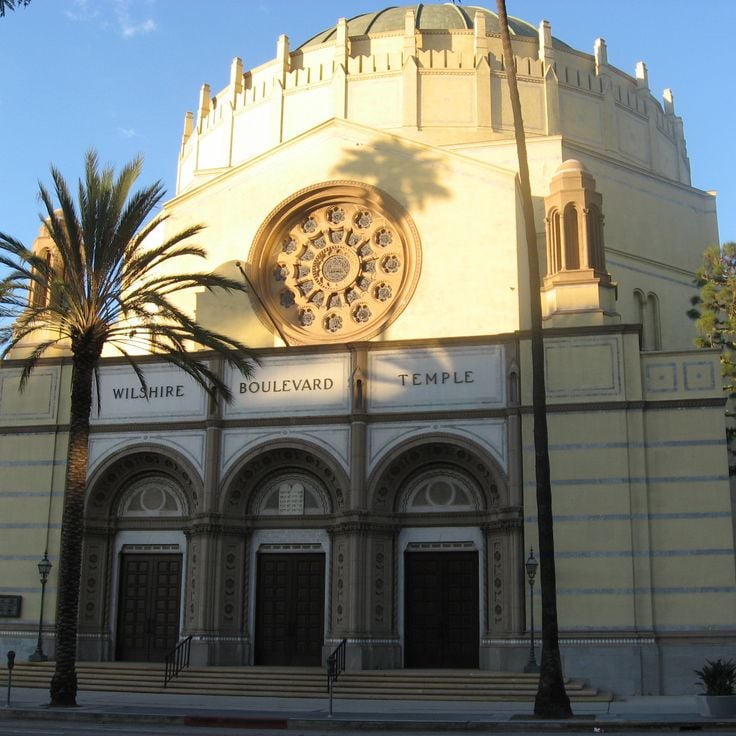
The Wilshire Boulevard Temple is a major Reform Jewish sanctuary in Los Angeles. This synagogue has shaped the religious and cultural life of the city's Jewish community since its establishment. The building displays architectural features characteristic of religious structures from its era. Visitors can experience the diversity of Jewish faith and tradition within its walls.
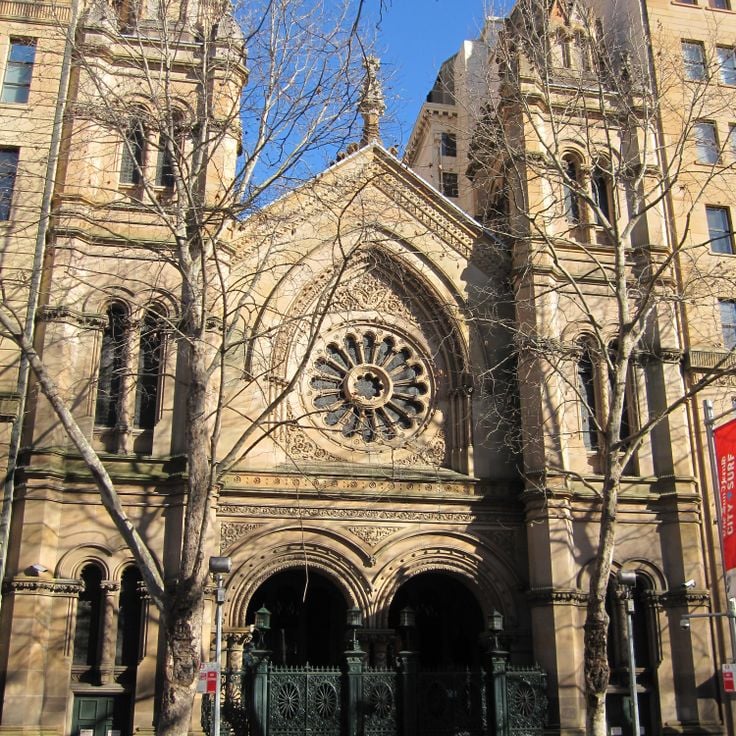
The Great Synagogue of Sydney is a major Jewish place of worship in Australia. The building stands out for its distinctive architectural design that sets it apart from other synagogues. As an important center of Jewish life in Sydney, it serves a role in the spiritual and cultural life of the community.
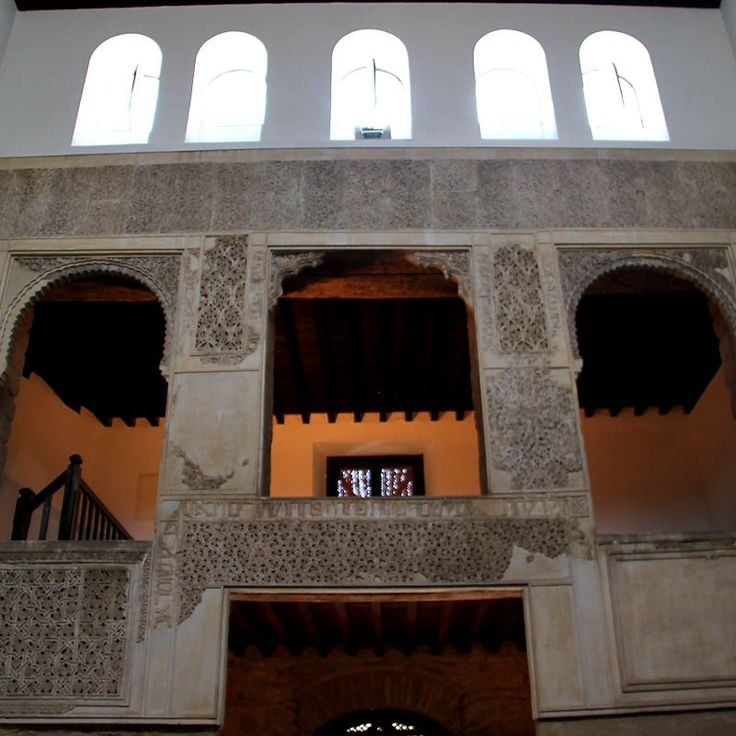
The Córdoba Synagogue is a medieval building in Córdoba's historic Jewish quarter. It shows the Jewish history of the city from the 14th century and shapes the town's character today. The building displays features of Sephardic architecture and helps visitors understand the religious and cultural past of Andalusia.
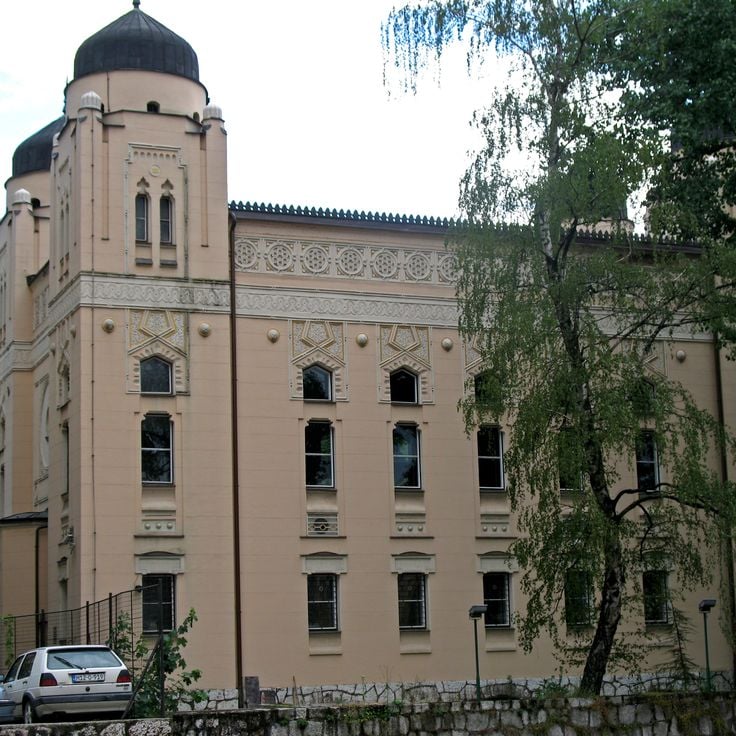
The Sarajevo Synagogue stands in the Jewish quarter of the city and represents an important testament to Jewish history in Bosnia and Herzegovina. This building reflects the long presence of the Jewish community in the region and displays the architectural traditions of the place.
The Synagogue on Rue des Tournelles is a place of Jewish worship in the Marais district in the 4th arrondissement of Paris. It stands in a historic neighborhood that has been home to Jewish communities for centuries. The building reflects the architectural history of Jewish life in Paris and serves as a gathering place for worshippers and as a witness to the city's cultural diversity.
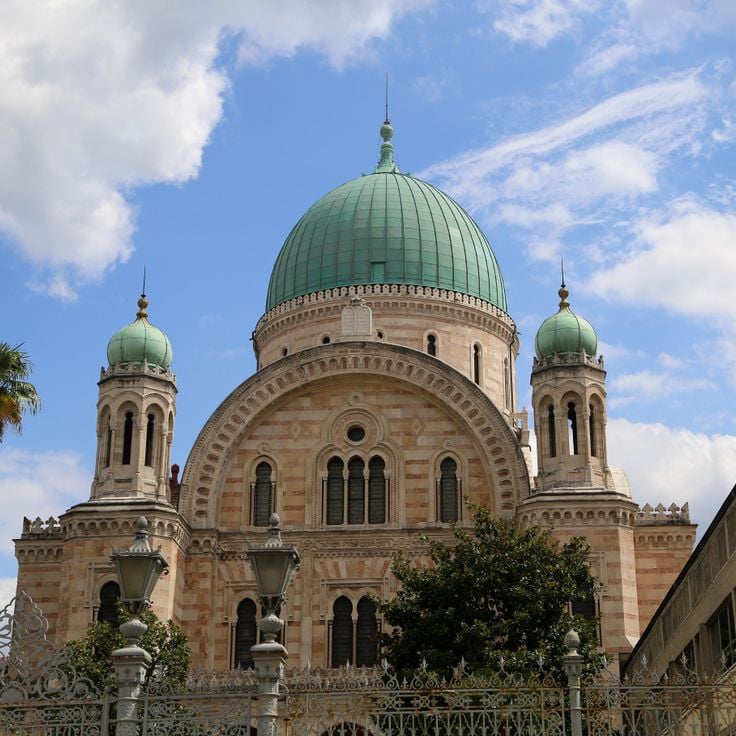
The Synagogue of Florence is a 19th-century synagogue located in Florence, Italy. The building features distinctive architectural design from that era and serves as an important place of Jewish worship and community life. This synagogue reflects the history and presence of the Jewish community in Florence.
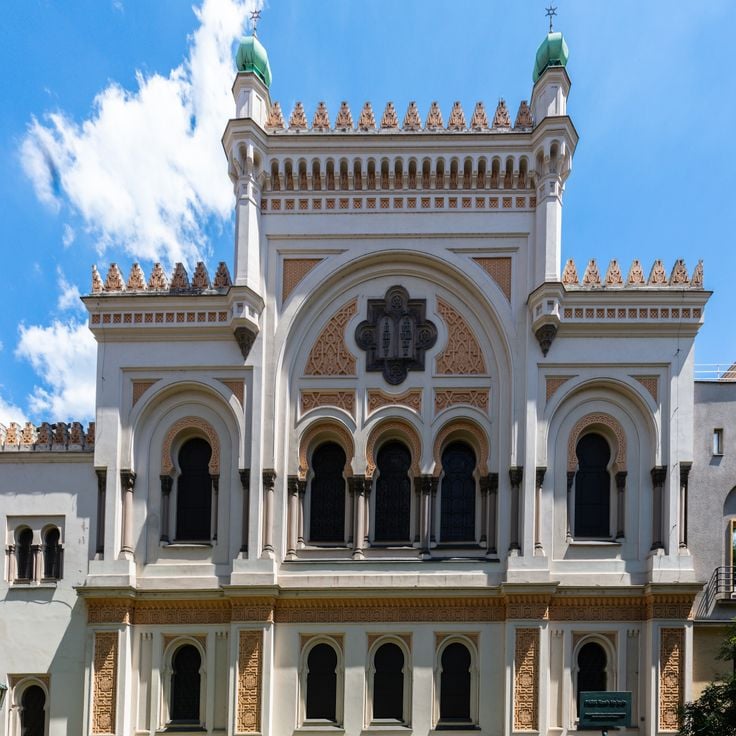
The Spanish Synagogue is an ornate building in the Jewish quarter of Prague. It displays the history and culture of the Jewish community in this European city. The building stands out for its artistic decoration and its importance as a place of Jewish faith and tradition.
The Hurva Synagogue stands at the heart of Jerusalem's Jewish Quarter as a rebuilt place of worship with deep historical roots. This synagogue was destroyed and reconstructed, and today it serves as a center for prayer and community gathering. It represents the enduring presence of Jewish life and faith in the Old City.
The Synagogue Tiferet Yisrael is located in the Jewish Quarter of Jerusalem. This old building has long been a center of local community life. Its architecture and structure reflect the spiritual traditions and practices that have shaped this neighborhood. The space tells the story of how this meaningful place has been used over time.
The Great Synagogue of Jerusalem is a major house of worship built in the 19th century in Jerusalem. It serves as a central gathering place for the Jewish community and a vital spiritual center in the city. The building combines architectural elements from different periods and reflects the history of Jewish life in Jerusalem. Visitors can experience the deep spiritual importance this place holds for the community.
The Ghriba Synagogue on Djerba is one of the oldest synagogues in North Africa. It has drawn visitors and pilgrims for centuries who come to experience its history and religious importance. The building features traditional architecture and remains a significant place for the Jewish community and for anyone interested in the region's past.
The Ben Ezra Synagogue in Cairo dates back to the 9th century and stands as one of Egypt's oldest synagogues. This building reflects centuries of Jewish presence in the region and carries significant historical weight. The structure displays architectural elements from different periods and houses important artifacts. For visitors, it offers insight into the long and complex history of Jewish communities in Egypt.
The Great Synagogue on Dohany Street is the largest synagogue building in Europe. It was constructed with architectural features that blend Byzantine, Moorish, and Romanesque elements. The building reflects the rich Jewish history and culture of Budapest. Visitors can see the detailed decorations, large domes, and carefully designed interior spaces.
The Synagogue on Kazinczy Street is an important Orthodox synagogue in Budapest. Built in the 19th century, it reflects the history of the Jewish community in Hungary. The building combines architectural elements from different periods and continues to serve as an active place of worship and religious gatherings.
The Old-New Synagogue in Prague is one of Europe's oldest synagogues, built in the 13th century. This building stands in the heart of the former Jewish quarter and tells the story of the city's Jewish community over hundreds of years. The architecture blends Romanesque and Gothic elements, creating a space that holds meaning for both the community and visitors. The synagogue remains an active place of worship and stands as a testament to Jewish culture in Europe.
The Remuh Synagogue of Krakow stands in the heart of the city's Jewish Quarter and holds deep significance in Polish Jewish history. Built in the 16th century, this synagogue has endured through time and continues to serve as a place of worship. The building reflects the long presence of Jewish life in Krakow. Walking through this space, visitors encounter the spiritual and historical layers that define this community.
Rykestrasse Synagogue is located in Berlin's Prenzlauer Berg neighborhood and stands as one of the most significant surviving synagogues in Germany. Built in 1904, the building displays Neo-Renaissance architecture. It escaped destruction during Kristallnacht in 1938 and remained standing through the Nazi period, though religious services were suspended for many years. After World War II, it returned to use as a center for Berlin's Jewish community. Visitors today encounter a space rich with craftsmanship and historical weight, reflecting the story of German Jewish life.
The Portuguese Synagogue in Amsterdam was built in the 17th century by the Portuguese Jewish community. It demonstrates the architectural strength of that era and reflects the history of Sephardic Jews who found refuge in Amsterdam. The building catches your eye with its simple design and large windows that flood the interior with light. The synagogue stands as evidence of the flourishing period of the Jewish community in this Dutch city.
Bevis Marks Synagogue in London is the oldest Jewish house of worship in England. Built in 1701, this building shows the architectural style of its time and tells the story of the Jewish community in Britain. Today it remains an active place of prayer. Visitors come here to see the rooms and learn more about the religious and social role this synagogue has played in London's life.
The Great Synagogue of Rome sits in the historic Jewish quarter of the city. Built in the 19th century, this synagogue blends architectural styles from different periods. It serves as a major place of worship for Rome's Jewish community. Inside, visitors find rich decoration and tall columns reaching toward the ceiling. The building's distinctive roof profile stands out in the city skyline and remains visible from many parts of Rome.
The Synagogue of Turin is a historic building in Piedmont that represents the Jewish community of this region. It stands as evidence of the religious and cultural presence of Jews in northern Italy and their role in Turin's history. This synagogue is part of a major collection of places of worship found around the world that demonstrate the architectural and spiritual diversity of Judaism.
The Eldridge Street Synagogue is a historic house of worship in New York's Lower East Side, built in 1887. This building reflects the history of the Jewish community that settled there. The synagogue displays notable architectural features and serves as an important place to understand Jewish culture and history in America.
The Neue Synagoge in Berlin is a landmark of the 19th century, crowned by a striking golden dome. Completed in 1866, it represented the vitality of Berlin's Jewish community before World War II. Today it stands as a memorial and place of remembrance. The building combines Byzantine, Moorish, and Romanesque architectural styles. Visitors can explore the interior and learn about the history of Berlin's Jewish population.
The White Stork Synagogue in Wroclaw is a significant 19th century building in Poland. Built in Neo-Gothic style, it survived World War II when many other Jewish sites were destroyed. The building reflects the religious and cultural history of Wroclaw's Jewish community. After the war, the synagogue was restored and now serves as an active center for Jewish life and remembrance.
The Grand Synagogue of Victory stands in the 9th arrondissement of Paris and serves as a major synagogue in the city. The building shows the architectural style and historical depth of Paris's Jewish heritage. It functions as an important place of worship and cultural landmark. Visitors come to experience the religious traditions and to learn about the Jewish community's presence in Paris.
The Central Synagogue is a notable house of worship built in the 19th century in Manhattan. This synagogue displays the architectural styles of its era and serves as an important center for the Jewish community in New York. It remains a place where people gather for religious services and stands as a cultural landmark that attracts those interested in religious architecture and Jewish history.
The Great Synagogue of Copenhagen is the major Jewish house of worship in Denmark, built during the 19th century. It represents the long history of the Jewish community in the Danish capital and displays important architectural features from that era. The building continues to serve as a place of religious gathering and cultural center for the community.
The Great Synagogue of Stockholm is Sweden's major Jewish house of worship. This building stands out for its notable architectural design and plays a central role in the religious and cultural life of Stockholm's Jewish community. The synagogue attracts visitors interested in the history and architectural character of this significant place.
The Great Synagogue of Melbourne is a major religious building from the 19th century in Melbourne. It reflects the spiritual and cultural life of the city's Jewish community over many generations. The structure stands as a record of Jewish settlement and community development in Australia.
The Tempio Israelita della Comunidad Israelita de Santiago is the major Jewish temple in Santiago, Chile. This building holds a central place in the religious and cultural life of the city's Jewish community. The synagogue serves as a place of worship and as a gathering space for the community. Its architecture and history make it an important example of Jewish religious buildings in South America.
Temple Emanu-El is a major reform congregation in New York. It represents a long tradition of Jewish life in the city and plays an important role in the religious and cultural community. The building displays notable architectural features that draw visitors seeking to learn more about the history and spiritual significance of this place.
The Touro Synagogue in Newport is one of the oldest synagogue buildings in the United States, built in 1763. This house of worship reflects the early history of the Jewish community in North America and shows how this community became established during the colonial period. The building combines English and Sephardic architectural influences and stands as evidence of the religious diversity of early American history.
This synagogue on Rue Pavée in Paris's Marais district was designed by architect Hector Guimard. It displays the hallmarks of Art Nouveau style and stands out with its distinctive facade. The interior space is arranged to accommodate Jewish worship practices. The building sits among the busy streets of the Marais and represents an important part of this neighborhood's Jewish heritage.
The Wilshire Boulevard Temple is a major Reform Jewish sanctuary in Los Angeles. This synagogue has shaped the religious and cultural life of the city's Jewish community since its establishment. The building displays architectural features characteristic of religious structures from its era. Visitors can experience the diversity of Jewish faith and tradition within its walls.
The Great Synagogue of Sydney is a major Jewish place of worship in Australia. The building stands out for its distinctive architectural design that sets it apart from other synagogues. As an important center of Jewish life in Sydney, it serves a role in the spiritual and cultural life of the community.
The Córdoba Synagogue is a medieval building in Córdoba's historic Jewish quarter. It shows the Jewish history of the city from the 14th century and shapes the town's character today. The building displays features of Sephardic architecture and helps visitors understand the religious and cultural past of Andalusia.
The Sarajevo Synagogue stands in the Jewish quarter of the city and represents an important testament to Jewish history in Bosnia and Herzegovina. This building reflects the long presence of the Jewish community in the region and displays the architectural traditions of the place.
The Synagogue on Rue des Tournelles is a place of Jewish worship in the Marais district in the 4th arrondissement of Paris. It stands in a historic neighborhood that has been home to Jewish communities for centuries. The building reflects the architectural history of Jewish life in Paris and serves as a gathering place for worshippers and as a witness to the city's cultural diversity.
The Synagogue of Florence is a 19th-century synagogue located in Florence, Italy. The building features distinctive architectural design from that era and serves as an important place of Jewish worship and community life. This synagogue reflects the history and presence of the Jewish community in Florence.
The Spanish Synagogue is an ornate building in the Jewish quarter of Prague. It displays the history and culture of the Jewish community in this European city. The building stands out for its artistic decoration and its importance as a place of Jewish faith and tradition.
The Hurva Synagogue stands at the heart of Jerusalem's Jewish Quarter as a rebuilt place of worship with deep historical roots. This synagogue was destroyed and reconstructed, and today it serves as a center for prayer and community gathering. It represents the enduring presence of Jewish life and faith in the Old City.
The Synagogue Tiferet Yisrael is located in the Jewish Quarter of Jerusalem. This old building has long been a center of local community life. Its architecture and structure reflect the spiritual traditions and practices that have shaped this neighborhood. The space tells the story of how this meaningful place has been used over time.
The Great Synagogue of Jerusalem is a major house of worship built in the 19th century in Jerusalem. It serves as a central gathering place for the Jewish community and a vital spiritual center in the city. The building combines architectural elements from different periods and reflects the history of Jewish life in Jerusalem. Visitors can experience the deep spiritual importance this place holds for the community.
The Ghriba Synagogue on Djerba is one of the oldest synagogues in North Africa. It has drawn visitors and pilgrims for centuries who come to experience its history and religious importance. The building features traditional architecture and remains a significant place for the Jewish community and for anyone interested in the region's past.
The Ben Ezra Synagogue in Cairo dates back to the 9th century and stands as one of Egypt's oldest synagogues. This building reflects centuries of Jewish presence in the region and carries significant historical weight. The structure displays architectural elements from different periods and houses important artifacts. For visitors, it offers insight into the long and complex history of Jewish communities in Egypt.
The Great Synagogue on Dohany Street is the largest synagogue building in Europe. It was constructed with architectural features that blend Byzantine, Moorish, and Romanesque elements. The building reflects the rich Jewish history and culture of Budapest. Visitors can see the detailed decorations, large domes, and carefully designed interior spaces.
The Synagogue on Kazinczy Street is an important Orthodox synagogue in Budapest. Built in the 19th century, it reflects the history of the Jewish community in Hungary. The building combines architectural elements from different periods and continues to serve as an active place of worship and religious gatherings.
The Old-New Synagogue in Prague is one of Europe's oldest synagogues, built in the 13th century. This building stands in the heart of the former Jewish quarter and tells the story of the city's Jewish community over hundreds of years. The architecture blends Romanesque and Gothic elements, creating a space that holds meaning for both the community and visitors. The synagogue remains an active place of worship and stands as a testament to Jewish culture in Europe.
The Remuh Synagogue of Krakow stands in the heart of the city's Jewish Quarter and holds deep significance in Polish Jewish history. Built in the 16th century, this synagogue has endured through time and continues to serve as a place of worship. The building reflects the long presence of Jewish life in Krakow. Walking through this space, visitors encounter the spiritual and historical layers that define this community.
Rykestrasse Synagogue is located in Berlin's Prenzlauer Berg neighborhood and stands as one of the most significant surviving synagogues in Germany. Built in 1904, the building displays Neo-Renaissance architecture. It escaped destruction during Kristallnacht in 1938 and remained standing through the Nazi period, though religious services were suspended for many years. After World War II, it returned to use as a center for Berlin's Jewish community. Visitors today encounter a space rich with craftsmanship and historical weight, reflecting the story of German Jewish life.
The Portuguese Synagogue in Amsterdam was built in the 17th century by the Portuguese Jewish community. It demonstrates the architectural strength of that era and reflects the history of Sephardic Jews who found refuge in Amsterdam. The building catches your eye with its simple design and large windows that flood the interior with light. The synagogue stands as evidence of the flourishing period of the Jewish community in this Dutch city.
Bevis Marks Synagogue in London is the oldest Jewish house of worship in England. Built in 1701, this building shows the architectural style of its time and tells the story of the Jewish community in Britain. Today it remains an active place of prayer. Visitors come here to see the rooms and learn more about the religious and social role this synagogue has played in London's life.
The Great Synagogue of Rome sits in the historic Jewish quarter of the city. Built in the 19th century, this synagogue blends architectural styles from different periods. It serves as a major place of worship for Rome's Jewish community. Inside, visitors find rich decoration and tall columns reaching toward the ceiling. The building's distinctive roof profile stands out in the city skyline and remains visible from many parts of Rome.
The Synagogue of Turin is a historic building in Piedmont that represents the Jewish community of this region. It stands as evidence of the religious and cultural presence of Jews in northern Italy and their role in Turin's history. This synagogue is part of a major collection of places of worship found around the world that demonstrate the architectural and spiritual diversity of Judaism.
The Eldridge Street Synagogue is a historic house of worship in New York's Lower East Side, built in 1887. This building reflects the history of the Jewish community that settled there. The synagogue displays notable architectural features and serves as an important place to understand Jewish culture and history in America.
The Neue Synagoge in Berlin is a landmark of the 19th century, crowned by a striking golden dome. Completed in 1866, it represented the vitality of Berlin's Jewish community before World War II. Today it stands as a memorial and place of remembrance. The building combines Byzantine, Moorish, and Romanesque architectural styles. Visitors can explore the interior and learn about the history of Berlin's Jewish population.
The White Stork Synagogue in Wroclaw is a significant 19th century building in Poland. Built in Neo-Gothic style, it survived World War II when many other Jewish sites were destroyed. The building reflects the religious and cultural history of Wroclaw's Jewish community. After the war, the synagogue was restored and now serves as an active center for Jewish life and remembrance.
The Grand Synagogue of Victory stands in the 9th arrondissement of Paris and serves as a major synagogue in the city. The building shows the architectural style and historical depth of Paris's Jewish heritage. It functions as an important place of worship and cultural landmark. Visitors come to experience the religious traditions and to learn about the Jewish community's presence in Paris.
The Central Synagogue is a notable house of worship built in the 19th century in Manhattan. This synagogue displays the architectural styles of its era and serves as an important center for the Jewish community in New York. It remains a place where people gather for religious services and stands as a cultural landmark that attracts those interested in religious architecture and Jewish history.
The Great Synagogue of Copenhagen is the major Jewish house of worship in Denmark, built during the 19th century. It represents the long history of the Jewish community in the Danish capital and displays important architectural features from that era. The building continues to serve as a place of religious gathering and cultural center for the community.
The Great Synagogue of Stockholm is Sweden's major Jewish house of worship. This building stands out for its notable architectural design and plays a central role in the religious and cultural life of Stockholm's Jewish community. The synagogue attracts visitors interested in the history and architectural character of this significant place.
The Great Synagogue of Melbourne is a major religious building from the 19th century in Melbourne. It reflects the spiritual and cultural life of the city's Jewish community over many generations. The structure stands as a record of Jewish settlement and community development in Australia.
The Tempio Israelita della Comunidad Israelita de Santiago is the major Jewish temple in Santiago, Chile. This building holds a central place in the religious and cultural life of the city's Jewish community. The synagogue serves as a place of worship and as a gathering space for the community. Its architecture and history make it an important example of Jewish religious buildings in South America.
Temple Emanu-El is a major reform congregation in New York. It represents a long tradition of Jewish life in the city and plays an important role in the religious and cultural community. The building displays notable architectural features that draw visitors seeking to learn more about the history and spiritual significance of this place.
The Touro Synagogue in Newport is one of the oldest synagogue buildings in the United States, built in 1763. This house of worship reflects the early history of the Jewish community in North America and shows how this community became established during the colonial period. The building combines English and Sephardic architectural influences and stands as evidence of the religious diversity of early American history.
This synagogue on Rue Pavée in Paris's Marais district was designed by architect Hector Guimard. It displays the hallmarks of Art Nouveau style and stands out with its distinctive facade. The interior space is arranged to accommodate Jewish worship practices. The building sits among the busy streets of the Marais and represents an important part of this neighborhood's Jewish heritage.
The Wilshire Boulevard Temple is a major Reform Jewish sanctuary in Los Angeles. This synagogue has shaped the religious and cultural life of the city's Jewish community since its establishment. The building displays architectural features characteristic of religious structures from its era. Visitors can experience the diversity of Jewish faith and tradition within its walls.
The Great Synagogue of Sydney is a major Jewish place of worship in Australia. The building stands out for its distinctive architectural design that sets it apart from other synagogues. As an important center of Jewish life in Sydney, it serves a role in the spiritual and cultural life of the community.
The Córdoba Synagogue is a medieval building in Córdoba's historic Jewish quarter. It shows the Jewish history of the city from the 14th century and shapes the town's character today. The building displays features of Sephardic architecture and helps visitors understand the religious and cultural past of Andalusia.
The Sarajevo Synagogue stands in the Jewish quarter of the city and represents an important testament to Jewish history in Bosnia and Herzegovina. This building reflects the long presence of the Jewish community in the region and displays the architectural traditions of the place.
The Synagogue on Rue des Tournelles is a place of Jewish worship in the Marais district in the 4th arrondissement of Paris. It stands in a historic neighborhood that has been home to Jewish communities for centuries. The building reflects the architectural history of Jewish life in Paris and serves as a gathering place for worshippers and as a witness to the city's cultural diversity.
The Synagogue of Florence is a 19th-century synagogue located in Florence, Italy. The building features distinctive architectural design from that era and serves as an important place of Jewish worship and community life. This synagogue reflects the history and presence of the Jewish community in Florence.
The Spanish Synagogue is an ornate building in the Jewish quarter of Prague. It displays the history and culture of the Jewish community in this European city. The building stands out for its artistic decoration and its importance as a place of Jewish faith and tradition.
Visiting these synagogues means entering spaces where prayer and history meet. Before your visit, check the opening hours and prayer days because some places are not open all the time. Respect local customs: cover your head in sacred areas. These buildings also tell stories of survival and strength of the Jewish communities that lived there.