See the monuments around you in AROpen chests in the app
Around Us is built for your phone — point your camera at the streets and discover the monuments and places around you in augmented reality.Around Us is built for your phone — chests unlock when you walk, explore and capture nearby places.
Prague brings together structures and public spaces from the Middle Ages to modern times. The historic center holds the Old Town Square with its astronomical clock, the castle on the hill, and Charles Bridge spanning the Vltava River. Churches, monasteries, and palaces show Gothic arches, Baroque facades, and Art Nouveau decoration. Streets open onto quiet courtyards and busy passages, while riverside promenades invite walks along the water.
Museums hold art from different centuries, technical collections, and memories of the 20th century. The Spanish Synagogue and other religious sites speak to the city's religious heritage. Theaters and concert halls continue a long cultural tradition. From the Petřín Lookout Tower, you see the rooftops and parks spread below, while gardens such as Wallenstein Garden offer green retreats. Each neighborhood has its own rhythm, and walking remains the best way to discover the layers of history and daily life.
Prague brings together structures and public spaces from the Middle Ages to modern times. The historic center holds the Old Town Square with its astronomical clock, the castle on the hill, and Charles Bridge spanning the Vltava River. Churches, monasteries, and palaces show Gothic arches, Baroque facades, and Art Nouveau decoration. Streets open onto quiet courtyards and busy passages, while riverside promenades invite walks along the water.
Museums hold art from different centuries, technical collections, and memories of the 20th century. The Spanish Synagogue and other religious sites speak to the city's religious heritage. Theaters and concert halls continue a long cultural tradition. From the Petřín Lookout Tower, you see the rooftops and parks spread below, while gardens such as Wallenstein Garden offer green retreats. Each neighborhood has its own rhythm, and walking remains the best way to discover the layers of history and daily life.
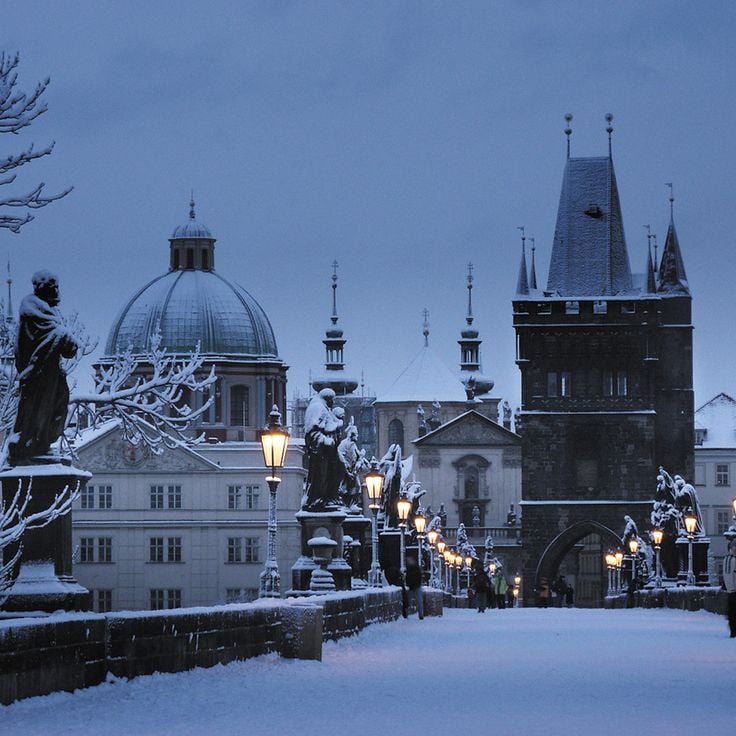
This stone bridge has crossed the Vltava since the 14th century, linking Prague's Old Town with the Lesser Quarter. It runs for about 516 meters (roughly 1,690 feet) and is guarded by three fortified towers. Thirty statues from the 17th century line the balustrades, most showing saints in the Baroque manner. Locals walk across in the mornings, and by midday the bridge fills with street musicians, painters, and visitors. The view stretches from the castle district to the red roofs of the Old Town.
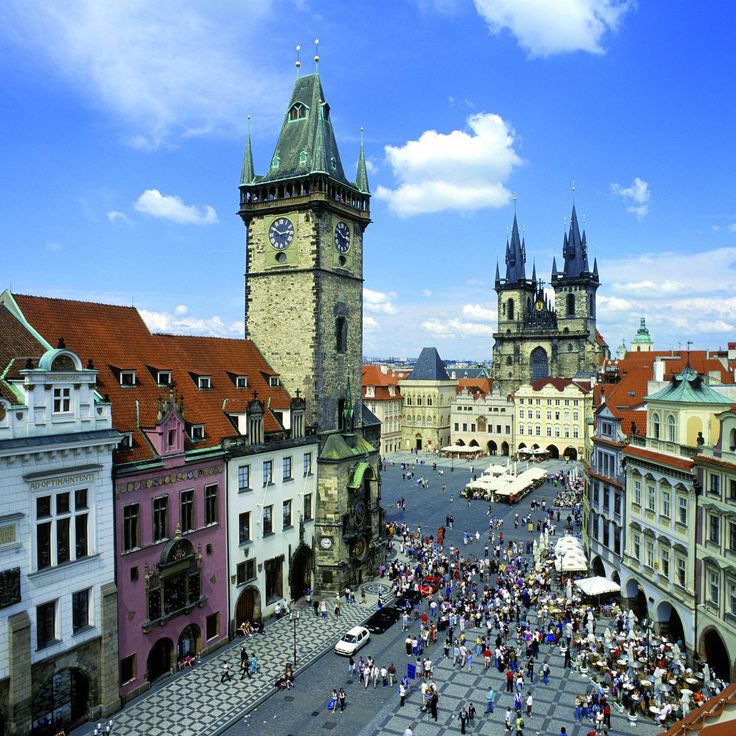
This square has been the heart of Prague since medieval times. The buildings surrounding it show Gothic and Baroque façades with painted gables and carved details. The 15th-century astronomical clock is mounted on one of the towers and draws visitors who come to hear its hourly chime. Cafés and shops fill the ground floors of the buildings. This square serves as a meeting point for tourists and locals alike and displays different building styles added over the centuries.
This castle complex sits on a hill above the city and dates back to the 9th century. Palaces, churches, and gardens form a large compound that brings together different architectural styles. For centuries, the site has served as a seat of power, and today it remains the official residence of the Czech president. From the terraces, you can look out over the rooftops of the old town and the Vltava River. Visitors walk through several courtyards where changing-of-the-guard ceremonies take place. The complex combines political function with historical importance and attracts many people each day who stroll through the rooms and gardens.
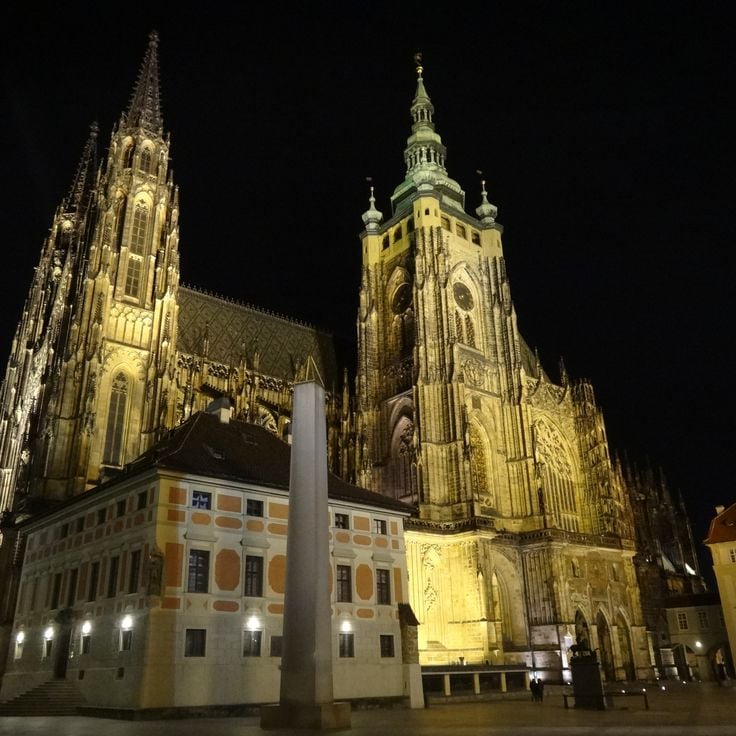
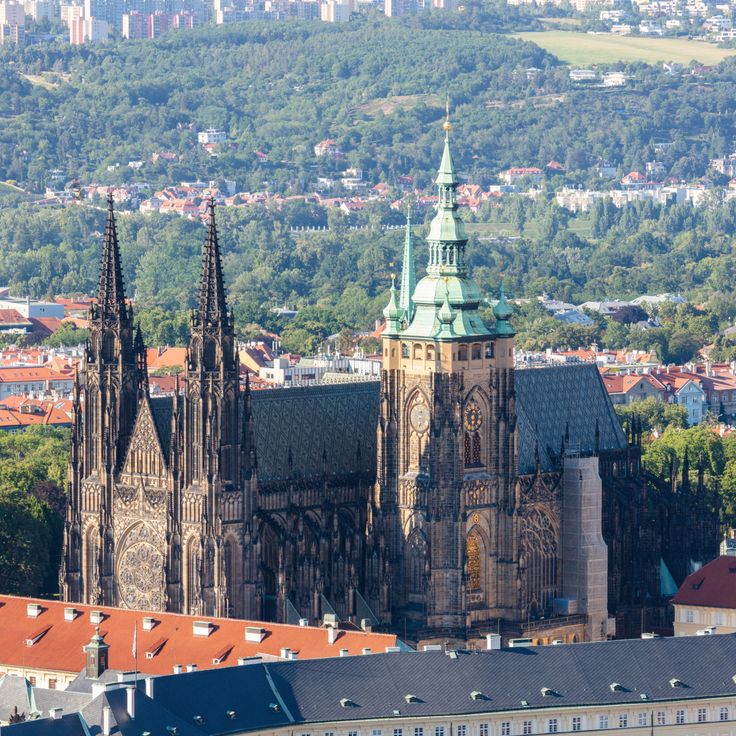
This cathedral was built starting in the 14th century and stands at the center of the castle complex. The interior shows stained glass windows from different periods, chapels with tombs, and decorations that trace back to medieval craftsmanship. The towers shape the skyline of the castle hill and can be seen from much of the city.
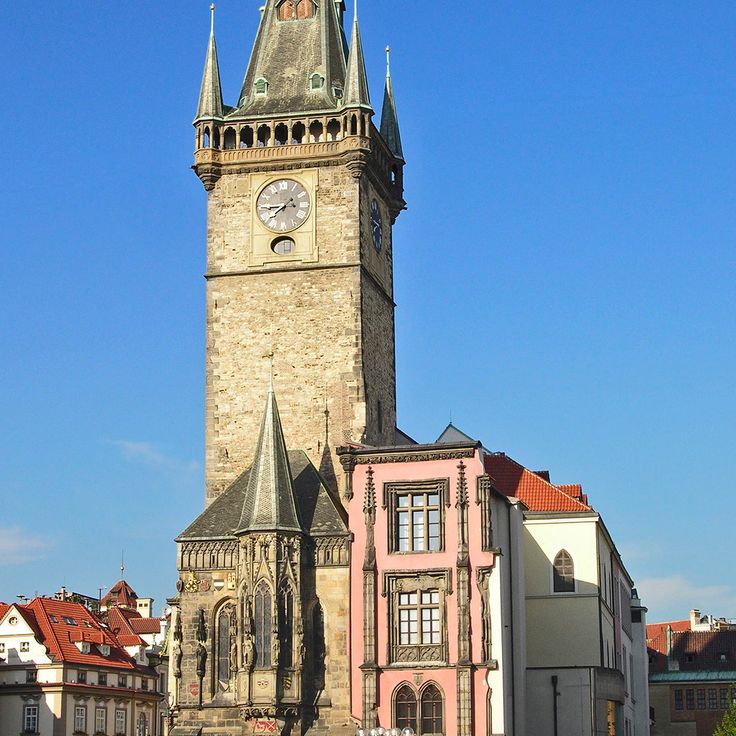
This Gothic town hall from 1338 served as the seat of municipal administration for centuries. Its southern facade has displayed a medieval astronomical clock since 1410, showing the time and celestial movements. The architecture combines different building periods and reflects the city's development from the Middle Ages to the present day. Visitors can climb the tower and look out over the rooftops of the Old Town.
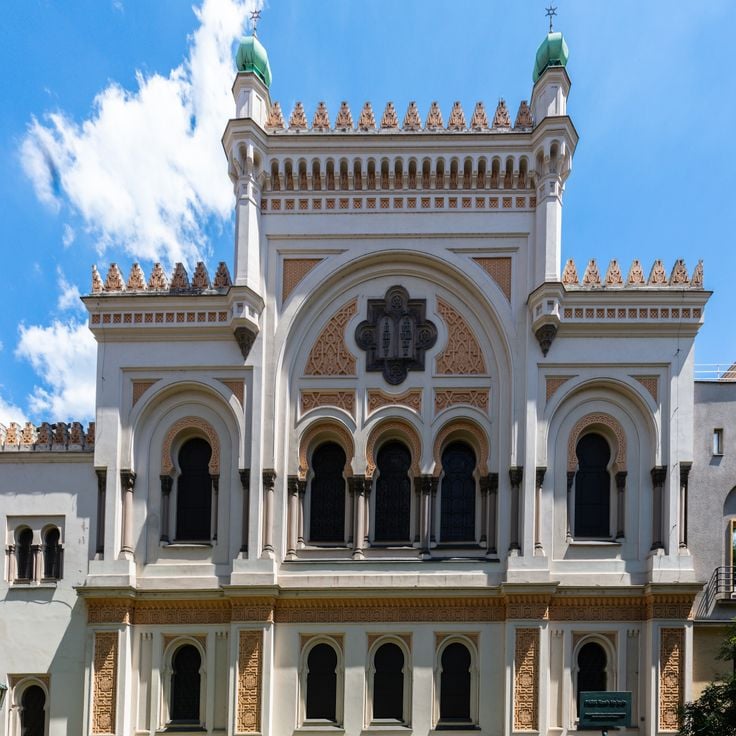
This synagogue from 1868 adds to Prague's historical center a place of worship built in Moorish style, its interior decoration inspired by Granada's Alhambra. Gilded walls, ornamental patterns, and delicate stucco work shape the interior, which stands out for its rich colors and detailed design. The Spanish Synagogue sits in a quarter with several Jewish monuments and represents a later example of religious architecture alongside the city's medieval buildings.
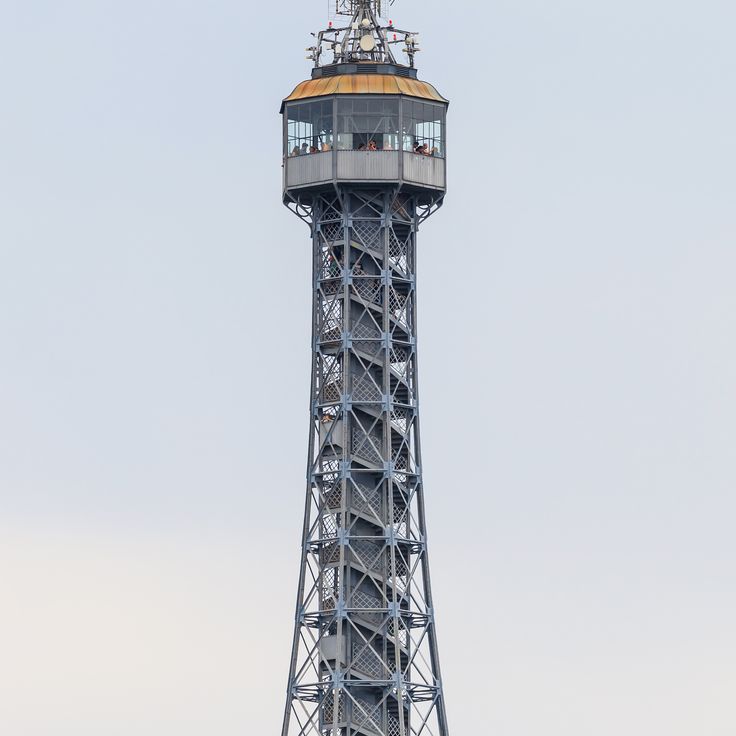
This lookout tower is a metal structure built for the 1891 Jubilee Exhibition, offering panoramic views to visitors of Prague. The tower has 299 steps and an elevator that lead to the viewing platform, from where you can see the historic city and the Vltava River. It stands on Petřín Hill and was designed to resemble the Eiffel Tower, reaching 63.5 meters (208 feet) in height. The tower is a popular spot for walks in the surrounding parkland and for taking in the views of the medieval center, the royal castle, and Charles Bridge.
This 16th-century palace within the Prague Castle complex now houses a museum displaying paintings, manuscripts, and musical instruments. The baroque rooms preserve collections spanning centuries of European art history. Visitors can walk through the historical halls and see works by composers and painters connected to Bohemian history.
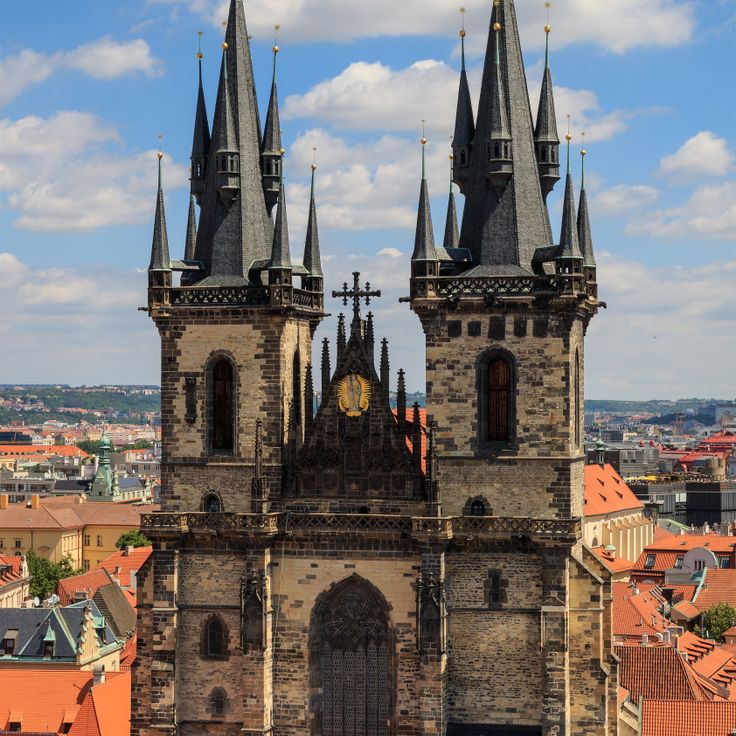
This Gothic church stands at the Old Town Square and has shaped the city skyline since the 14th century. The twin towers rise over 260 feet (80 meters) into the air and can be seen from many points across the city. Construction began in 1365 and continued for over a century and a half, with the church completed in 1511. The interior contains altars and tombstones from different periods. The church served as the main religious building for the Old Town for many years.
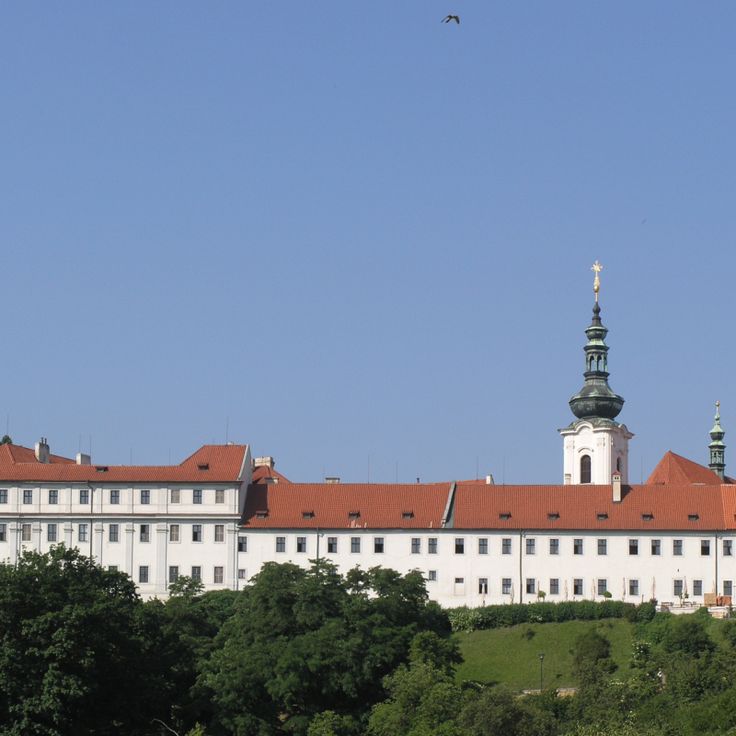
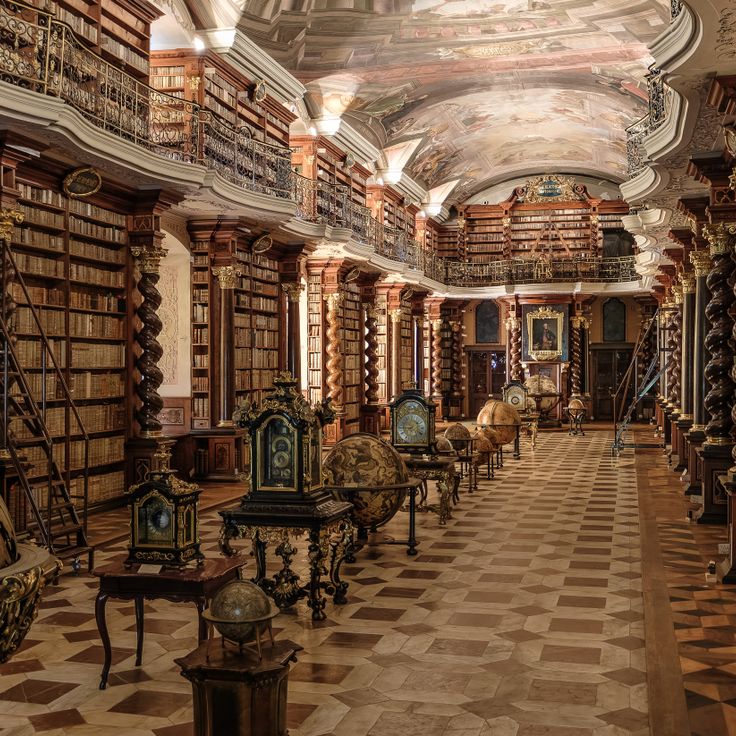
This Premonstratensian monastery was founded in 1143 and sits on Petřín Hill overlooking the city. The library holds around 200,000 volumes in two main halls. The Theological Hall displays walnut shelving and ceiling frescoes from the 17th century. The Philosophical Hall is larger and was completed in the 18th century. The ceiling paintings show religious themes. Visitors view the collections through glass barriers. A brewery on the grounds produces beer following traditional recipes. The monastery church combines Romanesque origins with Baroque renovations. Monks still live in parts of the monastery today.
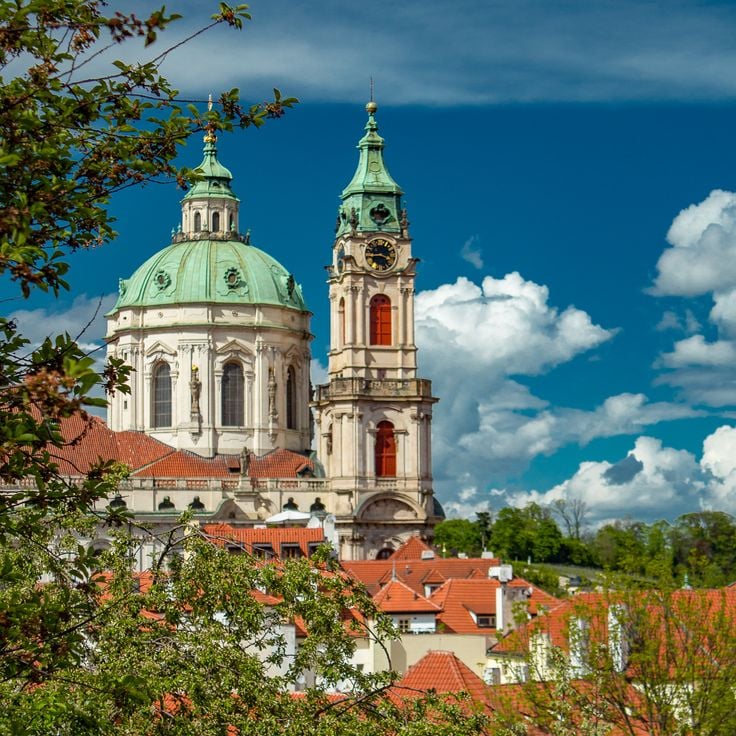
This church ranks among the most important Baroque buildings in the city and dates from the first half of the 18th century. The dome rises high above the rooftops of the Lesser Town. Inside, large frescoes show scenes from the life of Saint Nicholas, while stucco work and gilded ornaments decorate the walls and ceilings. Light enters through tall windows and emphasizes the width of the nave. The organ is one of the largest in Central Europe, and during concerts the acoustics of the space come alive.
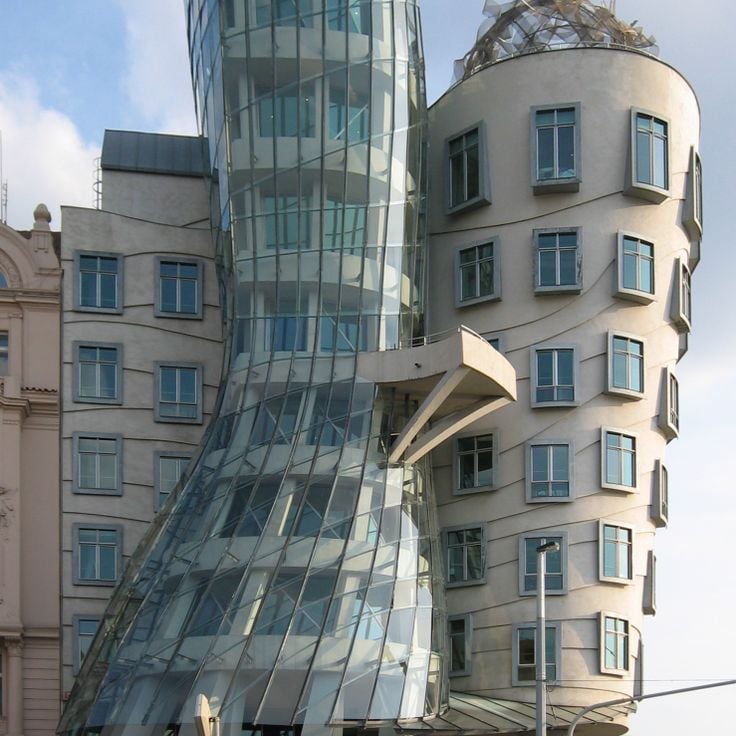
This office building stands on the bank of the Vltava and shows architecture from the 1990s. The facade leans at unusual angles, giving the building its name. Vlado Milunić and Frank Gehry designed the forms. On the top floor there is a restaurant with views over the city. The construction uses glass and concrete to create a contrast with the historical buildings in the neighborhood.
This gallery displays artworks from several centuries, spread across different buildings throughout the city. The collections include Bohemian painting and sculpture, as well as works from other parts of Europe and the world. Visitors find medieval altarpieces, baroque paintings, 19th-century pieces, and modern art. Each building has its own focus: one concentrates on old masters, another on 20th-century art. The exhibition spaces occupy historical palaces and contemporary structures, making the journey through different periods more vivid.
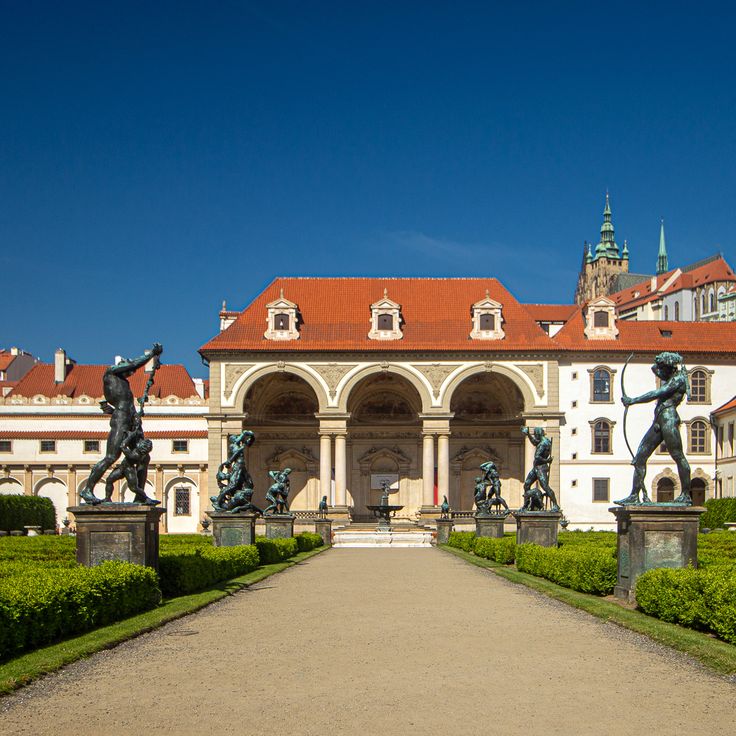
This garden was laid out in the 1620s as part of a nobleman's residence and ranks among the early examples of baroque landscaping in Prague. Pavilions frame the rectangular plots, fountains punctuate the paths, and an artificial grotto studded with stalactites opens in one wall. Frescoes cover the walls and depict scenes from ancient mythology. Peacocks live in the aviary and roam freely among the flowerbeds. Bronze sculptures line the main axis, though the current figures are 20th-century copies. The garden lies at the foot of the castle hill and opens to visitors on weekdays.
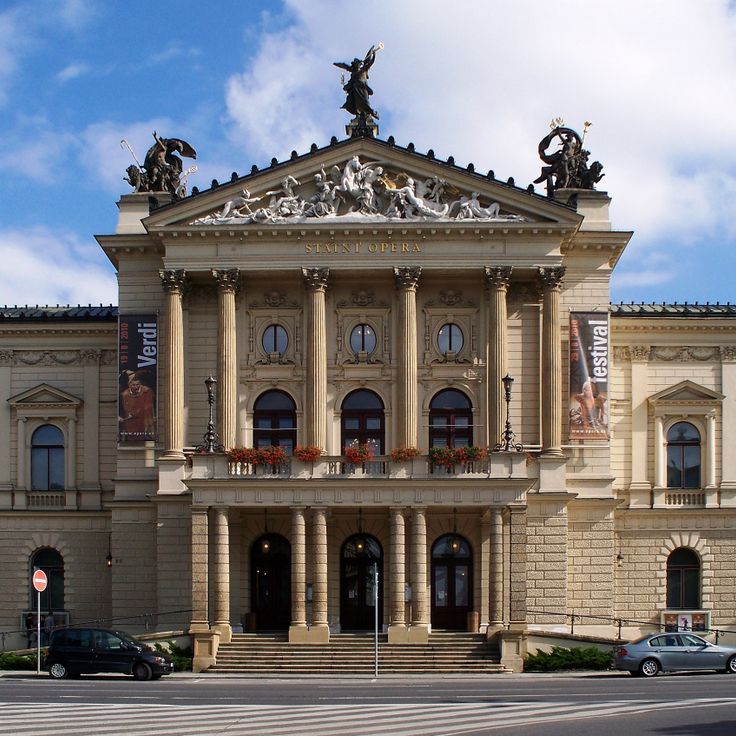
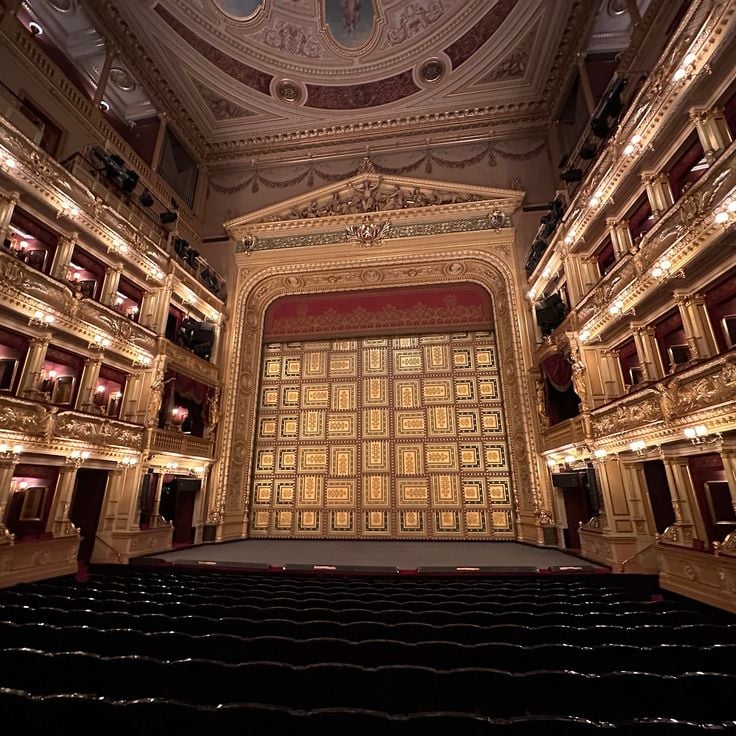
This opera house dates from 1888 and shows the refined architecture of the late 19th century. The main hall seats 1000 visitors and is decorated with ceiling frescoes and gilded sculptures. The building ranks among the important cultural institutions of the city and presents performances in a historical setting that reflects Prague's musical tradition.
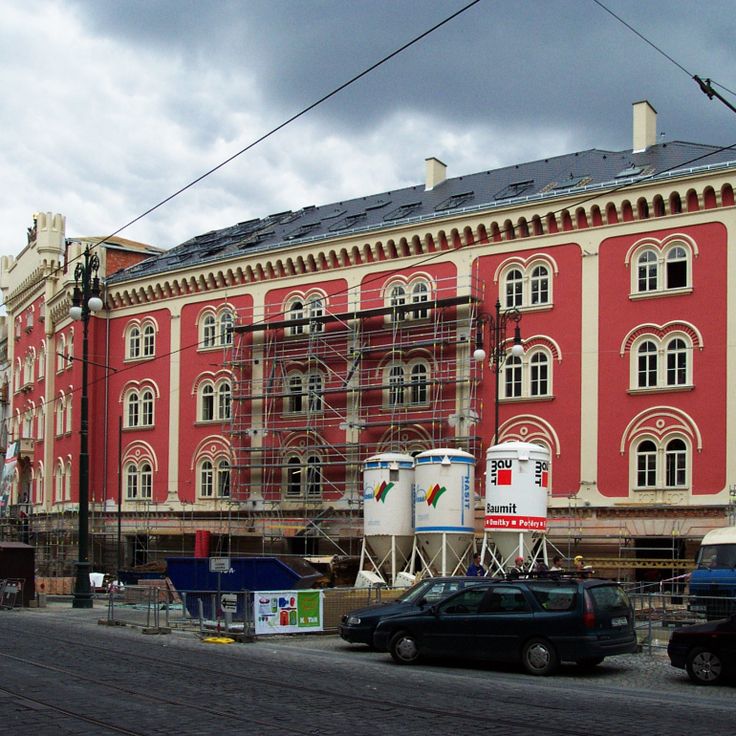
This shopping center occupies a 19th-century barracks building. Five floors connect shops, restaurants, and cafés under the old vaults. The facade recalls the military past, while daylight enters through glass roofs inside. Visitors find international brands alongside local stores. The spaces preserve the structure of the original building and show how Prague adapts historical constructions for contemporary life.
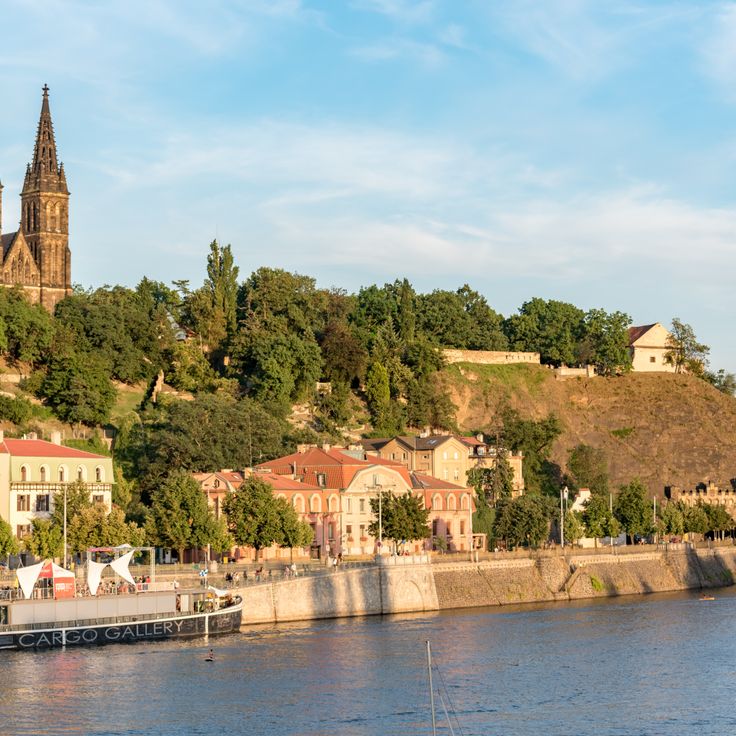
This 10th-century fortress stands on a hill near the Vltava and belongs to the historical monuments of Prague. Vyšehrad shows ramparts, a neo-Gothic basilica, and a cemetery where notable Czech figures are buried. The place connects medieval fortifications with religious architecture from later centuries. From the walls, the view opens over the city and the river. Visitors walk through the grounds, enter the church, and read names on the gravestones. The atmosphere is quiet. Vyšehrad sits somewhat away from the center, which gives it a different rhythm than the busier neighborhoods. The history of the site reaches back to the early Bohemian rulers.
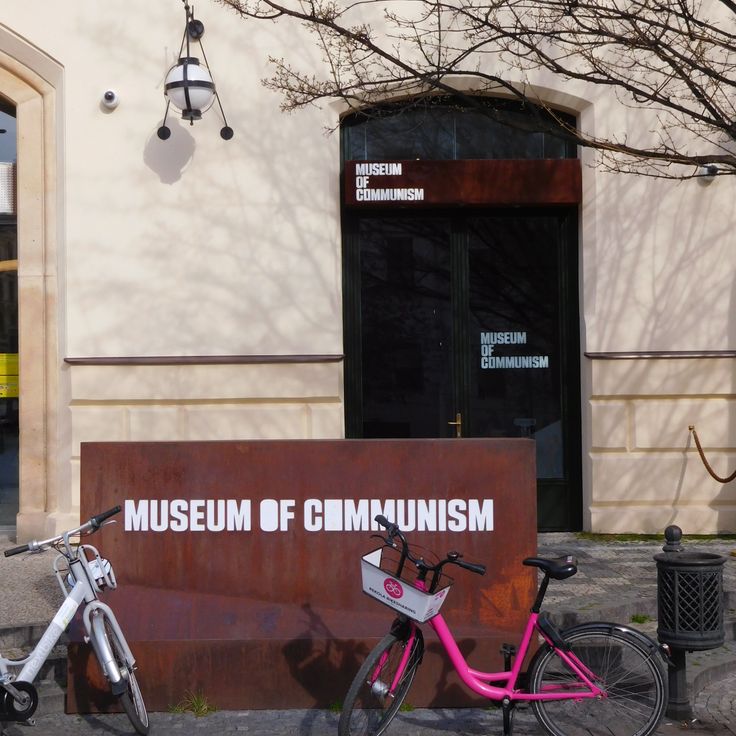
This museum presents life under the Czechoslovak communist regime between 1948 and 1989. Visitors see everyday objects, propaganda materials, photographs, and official documents from the period. The exhibition explains how people lived, worked, and dealt with the restrictions imposed by the government. Display cases hold personal belongings, school textbooks, and posters. One section focuses on the secret police, another shows the events leading to the 1989 revolution, when the system collapsed and freedom returned to the country.
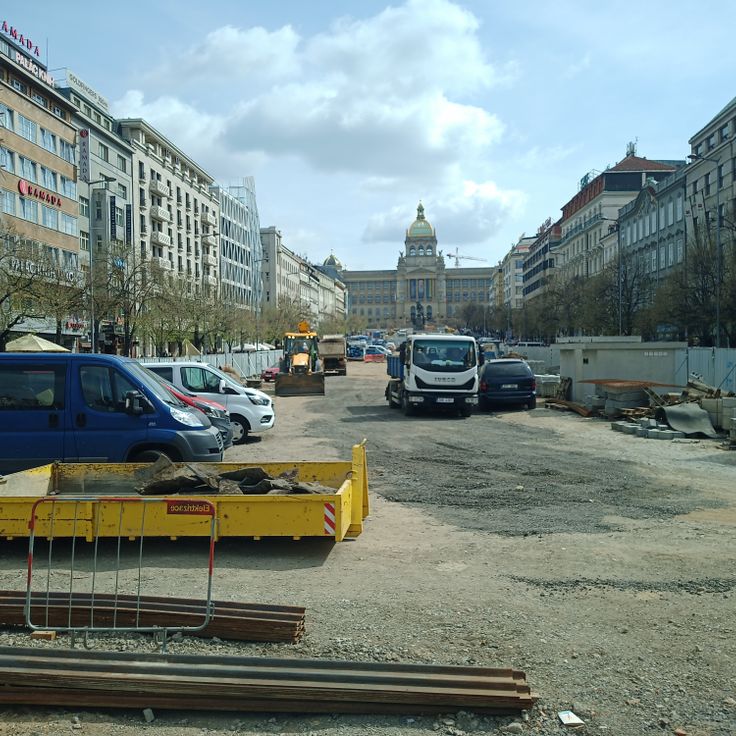
This central square has long served as a gathering place and the scene of important historical events. The equestrian statue of Saint Wenceslas stands at the upper end, where the National Museum also closes off the space. The wide boulevard is lined with buildings from the 19th and 20th centuries, housing shops, cafés, and hotels. People cross the square at all hours, and the mood shifts between busy activity during the day and illuminated facades in the evening. The square connects modern city life with memories of the past.
This Orthodox church stands in the New Town district of Prague. The crypt served as a hiding place in 1942 for Czechoslovak paratroopers who took part in the assassination attempt on Reinhard Heydrich. The soldiers remained hidden for weeks in the tight spaces beneath the church until German troops discovered them. A museum now occupies the crypt and displays personal belongings of the resistance fighters. Bullet holes in the walls mark the final battle that took place here.
This church from the 17th century stands in central Prague and draws pilgrims from around the world. The building shows baroque forms with a simple exterior and a richly decorated interior. The main altar houses the statue of the Infant Jesus of Prague, a small figure in changing robes that has been venerated for centuries. Visitors come to pray, light candles, or experience the quiet atmosphere. The church lies in a residential neighborhood below the castle and belongs to the important religious sites of the city.
This theater sits on the right bank of the Vltava River and opened in 1881 as a symbol of Czech cultural life. The Neo-Renaissance building displays a golden dome and decorated facades. Inside, you find paintings, sculptures, and gilded details. Performances of opera, ballet, and drama fill the schedule throughout the year. The auditorium feels formal, with red velvet curtains and chandeliers. Wide promenades line the waterfront around the theater, where passersby often pause to watch the river flow.
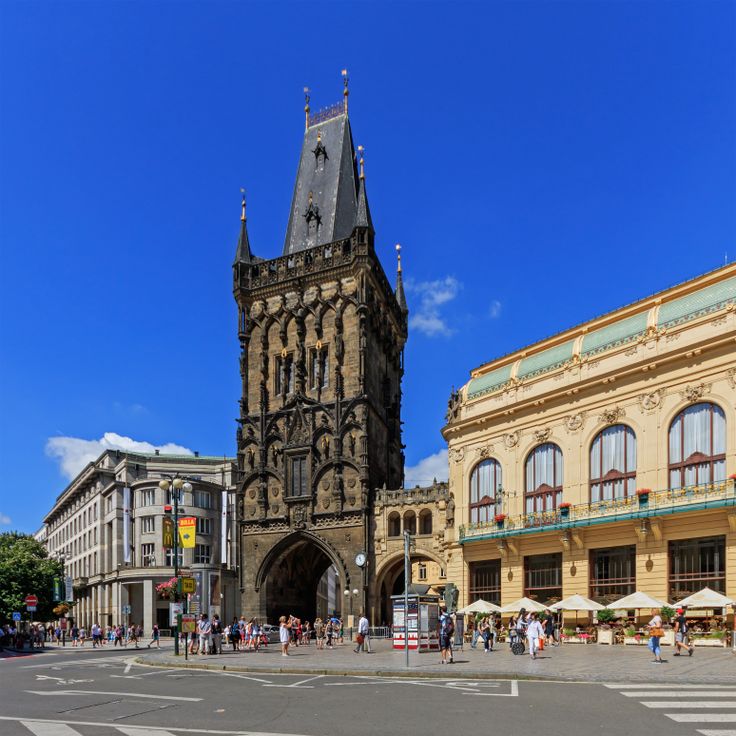
This Gothic tower from 1475 stands 213 feet (65 meters) tall and once served to store gunpowder. It marks one of the historical entrances to the city and belongs to the medieval monuments that show Prague's architectural development from the Middle Ages to the 20th century.
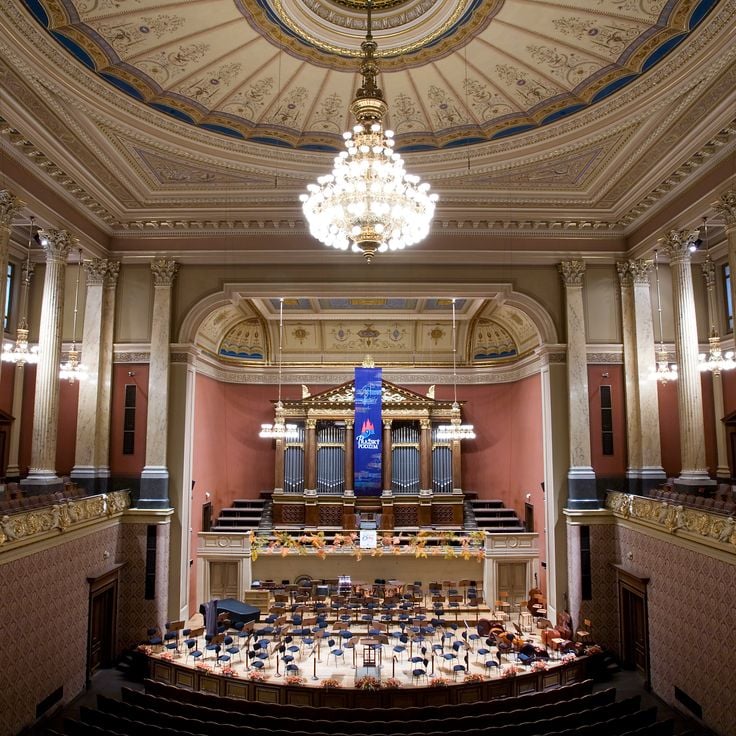
The Rudolfinum opened in 1885 as a concert hall and exhibition space. The building reflects Neo-Renaissance design, with columns and decorative details typical of the late 1800s. Inside, the Dvořák Hall hosts performances by the Czech Philharmonic Orchestra and visiting ensembles. The interior combines large ceremonial rooms with smaller spaces for chamber music. This cultural center stands along the Vltava riverbank, close to the Old Town. Beyond concerts, the building houses contemporary art exhibitions that contribute to Prague's artistic life.
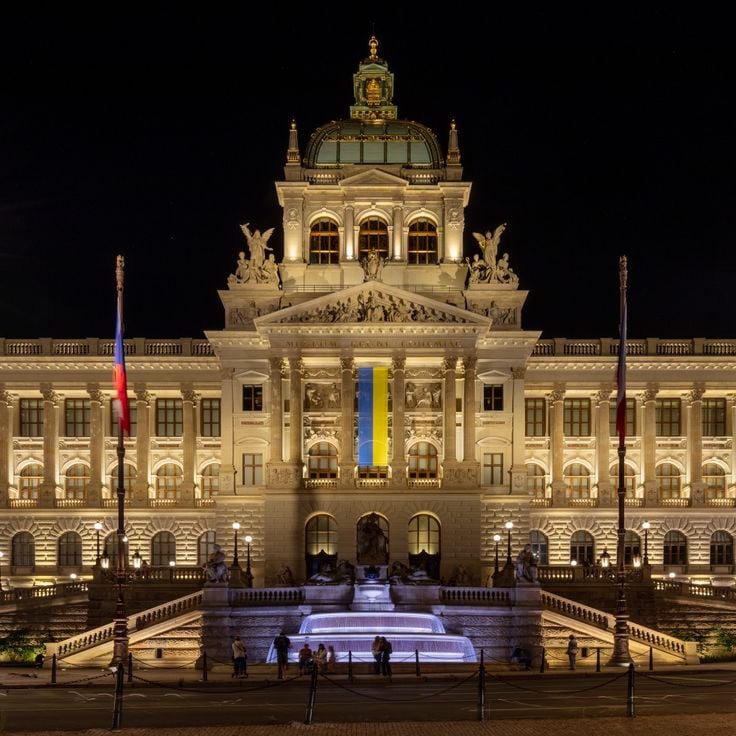
This museum was founded in 1891 and displays collections of natural history, art, and science inside a building styled after the Renaissance. The exhibits include minerals, animal specimens, historical artifacts, and cultural objects that trace the development of the land from ancient times to today. The building stands at the top of Wenceslas Square and can be recognized by its columns, domes, and ornamented facades. The interior features frescoes, statues, and marble staircases. This museum is among the important historical monuments of Prague and represents the cultural awakening of the late 19th century.
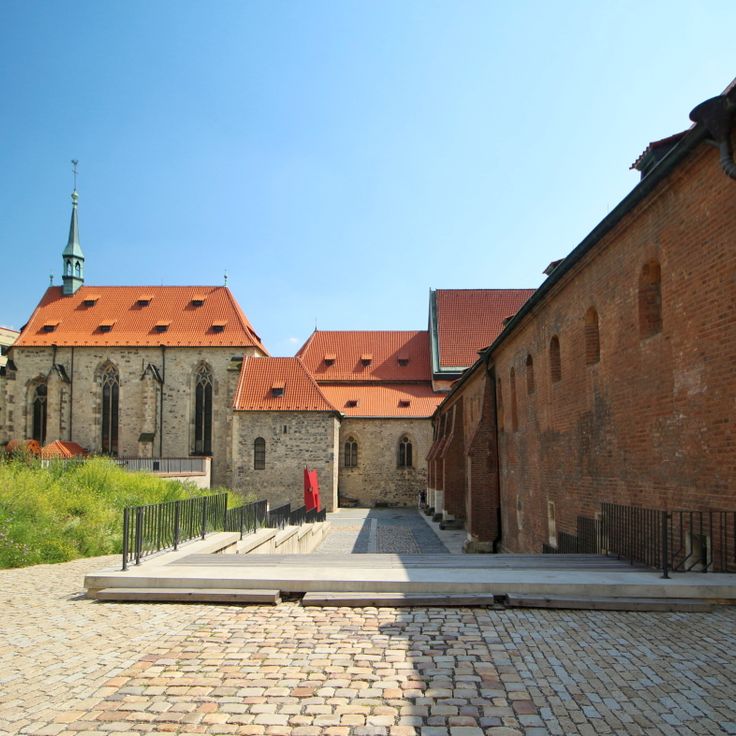
This Gothic convent was built in 1234 and now displays artworks from the Middle Ages that come from Bohemian workshops and other European regions. The building is among the oldest religious structures in Prague and illustrates the medieval architecture of the city. The rooms contain altarpieces, sculptures, and panel paintings that represent artistic production from the 13th to the 15th century. The convent connects religious history with the development of medieval art in Central Europe.
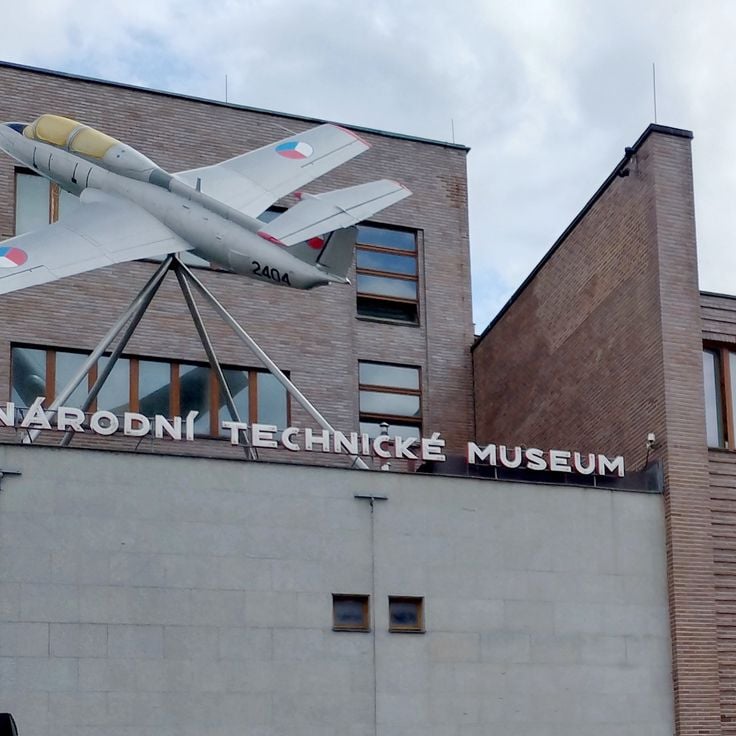
The National Technical Museum opened in 1908 and traces how machines and industry changed over the decades. The collection includes steam locomotives, airplanes, motorcycles, cameras, and instruments from different periods. Visitors can follow how inventions shaped daily life and how craftsmanship combined with technical progress. The exhibition hall with old vehicles makes history tangible and shows the evolution of engineering in Central Europe.
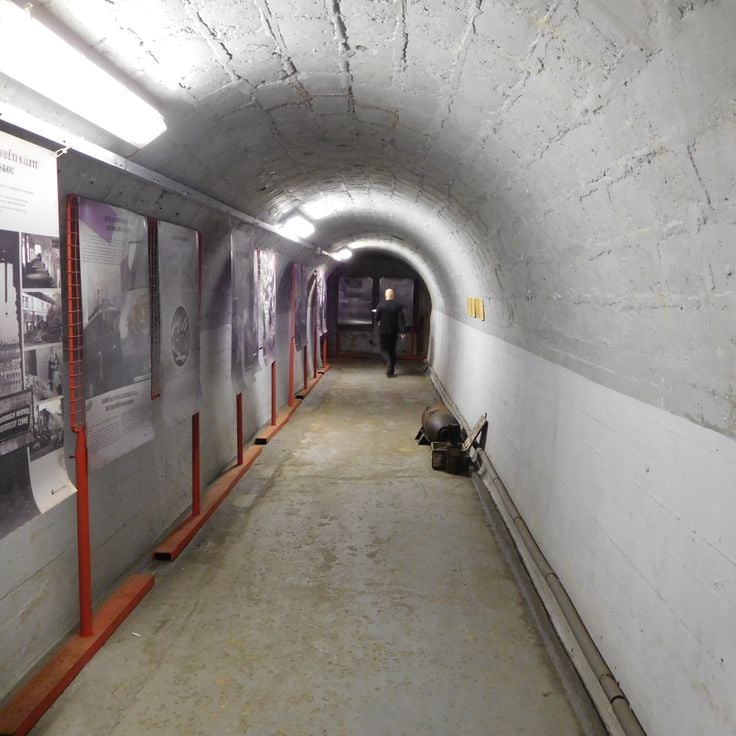
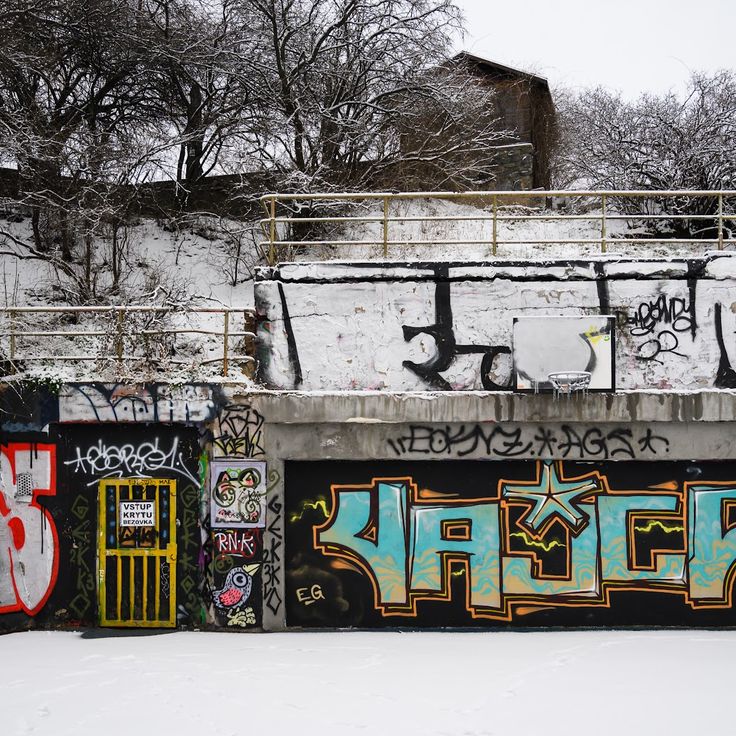
This underground shelter from the 1950s was designed to protect residents in case of a nuclear attack during the Cold War. The installation shows the military architecture of that time, when the government prepared defenses against possible threats. The Bezovka Bunker belongs to the structures that document the fears and security measures of the postwar era in Prague, offering visitors today a look into this historical period.
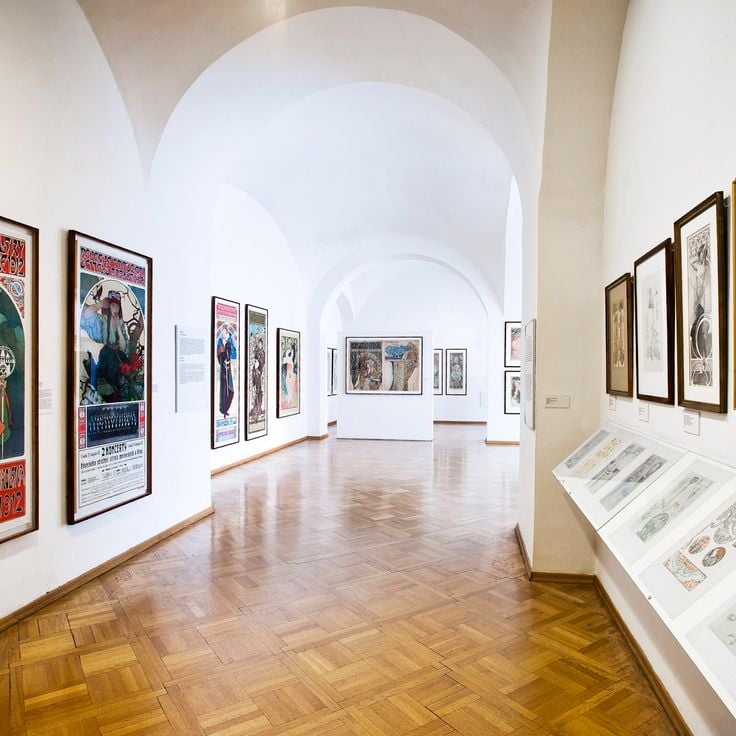
This museum holds the permanent collection of Czech artist Alfons Mucha, a major figure in the Art Nouveau movement in Europe. The exhibitions display paintings, posters, drawings, and photographs from different periods of Mucha's work. His pieces reflect the decorative style of the early 20th century, using curved lines, floral motifs, and a distinct color palette. The museum provides insight into the commercial and artistic work that established Mucha's international reputation, as well as his less familiar Czech series.
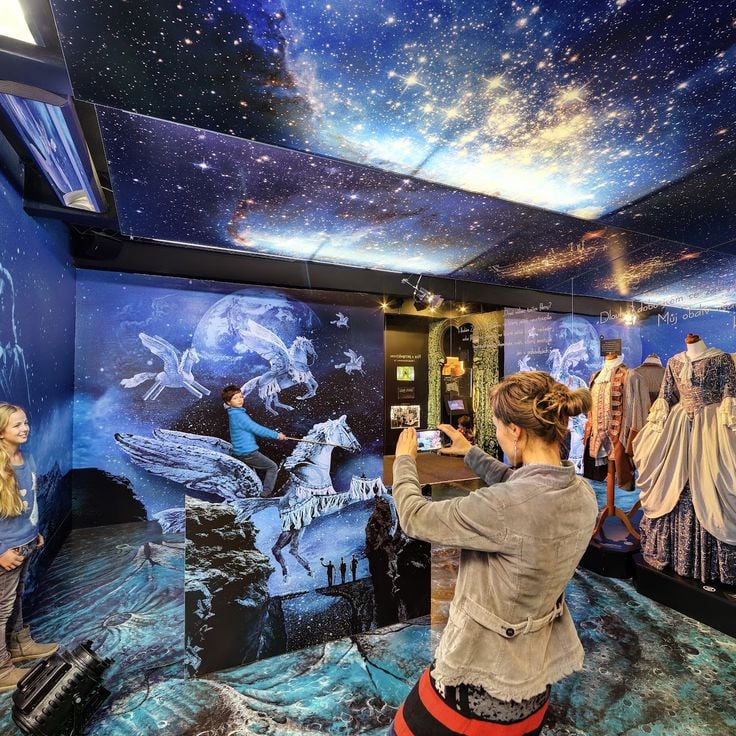
This museum shows how Czech director Karel Zeman created his films with handmade sets and analog trick techniques, adding a compelling perspective on twentieth-century cinema to the visual history of Prague.
This basilica from the 14th century stands among the important churches of Prague and offers a clear example of Gothic architecture with later Baroque changes. The interior extends across several naves and holds many chapels, altars, and paintings from different periods. A mummified hand hangs on the church wall, said by legend to belong to a thief who tried to steal from the Virgin Mary. The organ dates from the 18th century and is still used for concerts today. The building sits in the Old Town not far from the Powder Tower.
This library is part of the municipal network and contains a cylindrical art installation called Idiom, made of 8000 books stacked from floor to ceiling. The installation transforms a functional space into a place that invites reflection on language and knowledge. Visitors can walk through the rooms and experience the connection between literature and visual art, presented here in an uncommon way that makes readers pause and look up.
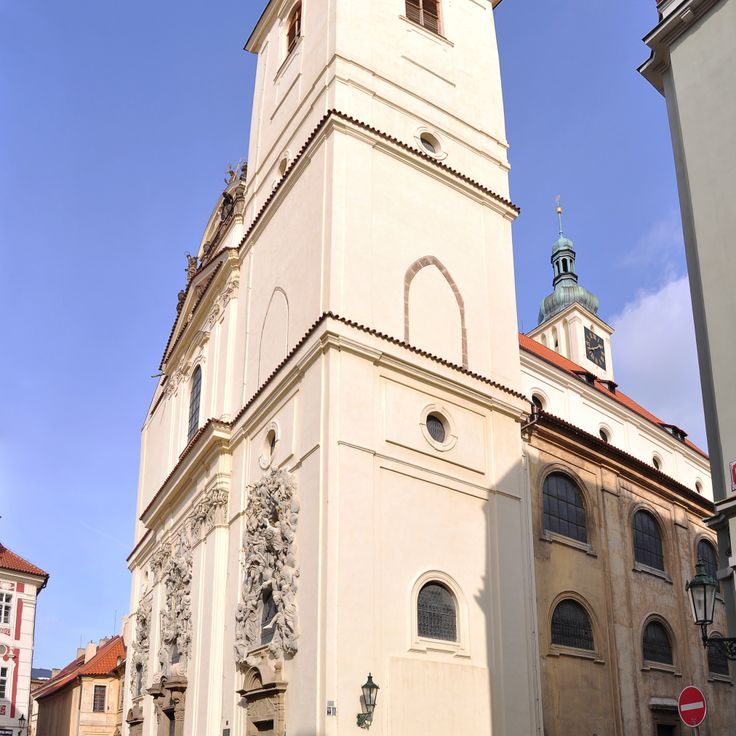
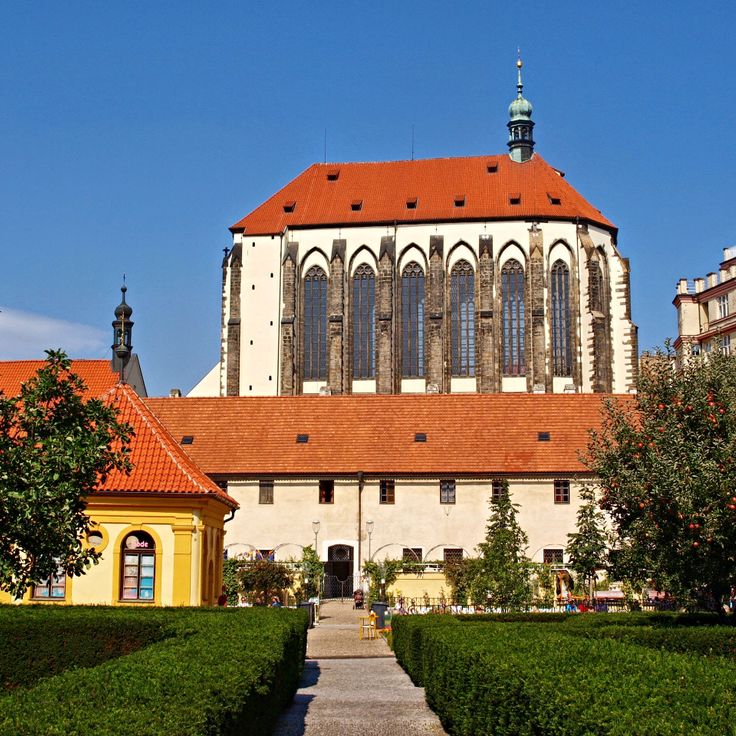
This Gothic church from the 14th century shows the medieval building style of Prague through its high vaults and narrow structure. The interior opens upward into a wide, light-filled space. Nearby stands a Cubist lamppost, a rare form of street lighting from the 1910s. The church sits in a courtyard away from the main streets and offers a quiet retreat in the middle of the city center.
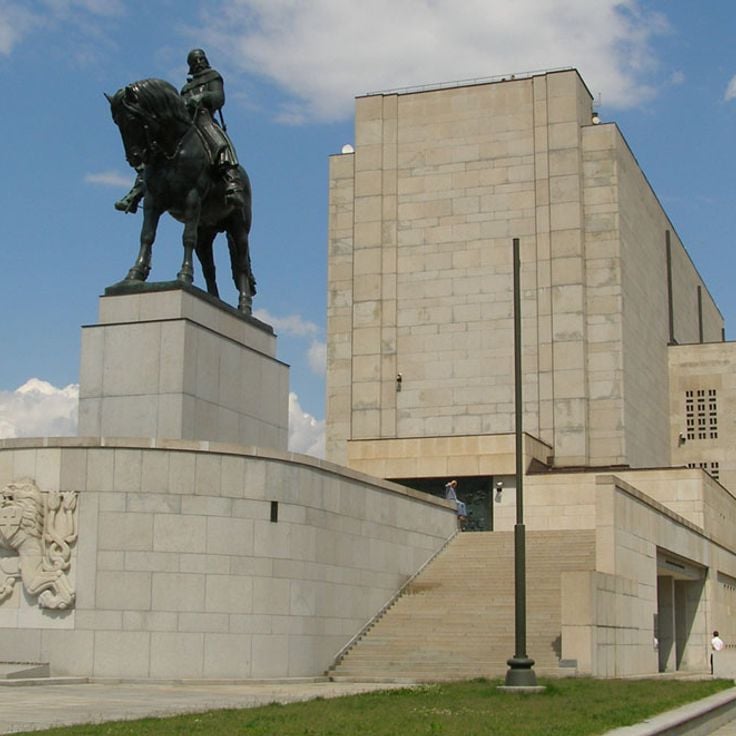
This monument sits on a hill and offers a ceremonial hall, a military museum, and an observation point over the city. Visitors come here to learn about the country's history through displays and exhibits inside. From the top, you can see rooftops, spires, and the river below. The site connects memory with the present-day life of the capital. It is a place where history and the view of the city meet.
This bunker beneath Folimanka Park was built in 1962 during the Cold War as a civil defense shelter and extends through 125 meters of underground passages. The rooms were equipped with beds, sanitary facilities, and air filters to protect residents in case of emergency. After the Cold War ended, the installation was abandoned and can now be visited on guided tours that offer insight into life during the communist era.
This stone bridge has crossed the Vltava since the 14th century, linking Prague's Old Town with the Lesser Quarter. It runs for about 516 meters (roughly 1,690 feet) and is guarded by three fortified towers. Thirty statues from the 17th century line the balustrades, most showing saints in the Baroque manner. Locals walk across in the mornings, and by midday the bridge fills with street musicians, painters, and visitors. The view stretches from the castle district to the red roofs of the Old Town.
This square has been the heart of Prague since medieval times. The buildings surrounding it show Gothic and Baroque façades with painted gables and carved details. The 15th-century astronomical clock is mounted on one of the towers and draws visitors who come to hear its hourly chime. Cafés and shops fill the ground floors of the buildings. This square serves as a meeting point for tourists and locals alike and displays different building styles added over the centuries.
This castle complex sits on a hill above the city and dates back to the 9th century. Palaces, churches, and gardens form a large compound that brings together different architectural styles. For centuries, the site has served as a seat of power, and today it remains the official residence of the Czech president. From the terraces, you can look out over the rooftops of the old town and the Vltava River. Visitors walk through several courtyards where changing-of-the-guard ceremonies take place. The complex combines political function with historical importance and attracts many people each day who stroll through the rooms and gardens.
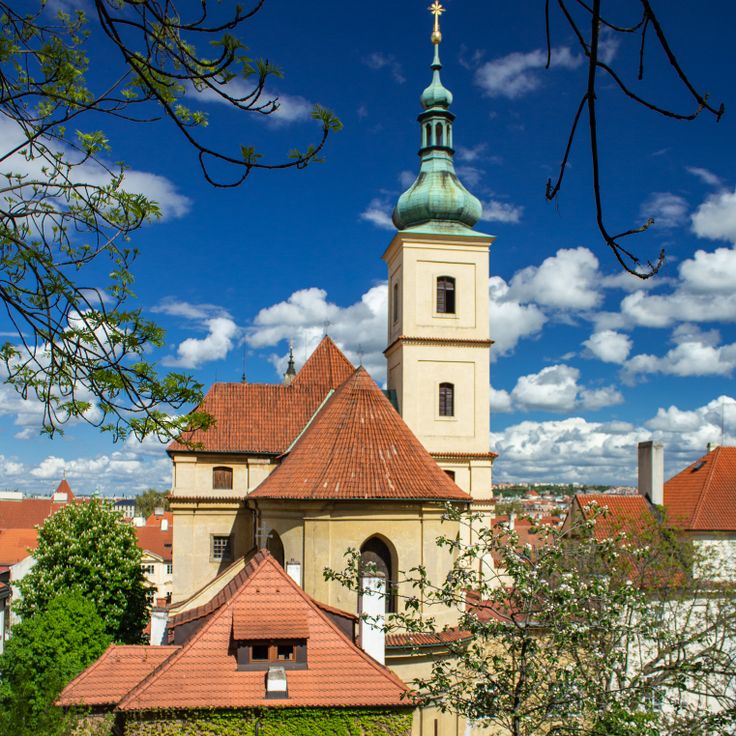
This cathedral was built starting in the 14th century and stands at the center of the castle complex. The interior shows stained glass windows from different periods, chapels with tombs, and decorations that trace back to medieval craftsmanship. The towers shape the skyline of the castle hill and can be seen from much of the city.
This Gothic town hall from 1338 served as the seat of municipal administration for centuries. Its southern facade has displayed a medieval astronomical clock since 1410, showing the time and celestial movements. The architecture combines different building periods and reflects the city's development from the Middle Ages to the present day. Visitors can climb the tower and look out over the rooftops of the Old Town.
This synagogue from 1868 adds to Prague's historical center a place of worship built in Moorish style, its interior decoration inspired by Granada's Alhambra. Gilded walls, ornamental patterns, and delicate stucco work shape the interior, which stands out for its rich colors and detailed design. The Spanish Synagogue sits in a quarter with several Jewish monuments and represents a later example of religious architecture alongside the city's medieval buildings.
This lookout tower is a metal structure built for the 1891 Jubilee Exhibition, offering panoramic views to visitors of Prague. The tower has 299 steps and an elevator that lead to the viewing platform, from where you can see the historic city and the Vltava River. It stands on Petřín Hill and was designed to resemble the Eiffel Tower, reaching 63.5 meters (208 feet) in height. The tower is a popular spot for walks in the surrounding parkland and for taking in the views of the medieval center, the royal castle, and Charles Bridge.
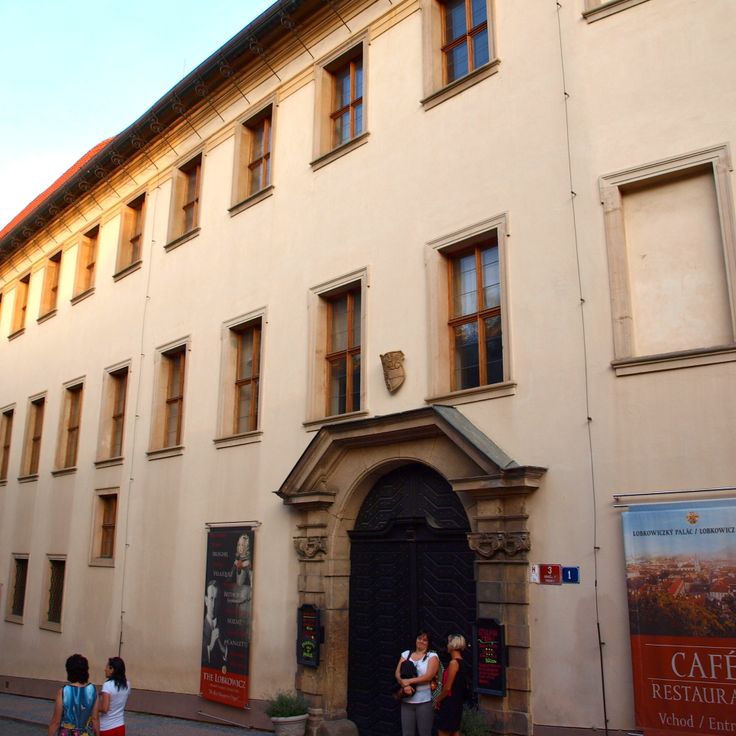
This 16th-century palace within the Prague Castle complex now houses a museum displaying paintings, manuscripts, and musical instruments. The baroque rooms preserve collections spanning centuries of European art history. Visitors can walk through the historical halls and see works by composers and painters connected to Bohemian history.
This Gothic church stands at the Old Town Square and has shaped the city skyline since the 14th century. The twin towers rise over 260 feet (80 meters) into the air and can be seen from many points across the city. Construction began in 1365 and continued for over a century and a half, with the church completed in 1511. The interior contains altars and tombstones from different periods. The church served as the main religious building for the Old Town for many years.
This Premonstratensian monastery was founded in 1143 and sits on Petřín Hill overlooking the city. The library holds around 200,000 volumes in two main halls. The Theological Hall displays walnut shelving and ceiling frescoes from the 17th century. The Philosophical Hall is larger and was completed in the 18th century. The ceiling paintings show religious themes. Visitors view the collections through glass barriers. A brewery on the grounds produces beer following traditional recipes. The monastery church combines Romanesque origins with Baroque renovations. Monks still live in parts of the monastery today.
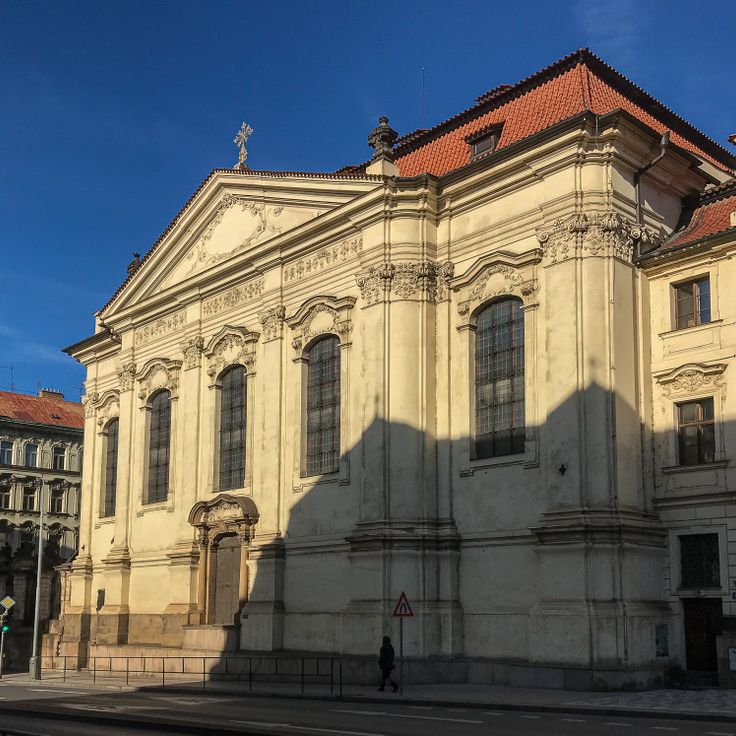
This church ranks among the most important Baroque buildings in the city and dates from the first half of the 18th century. The dome rises high above the rooftops of the Lesser Town. Inside, large frescoes show scenes from the life of Saint Nicholas, while stucco work and gilded ornaments decorate the walls and ceilings. Light enters through tall windows and emphasizes the width of the nave. The organ is one of the largest in Central Europe, and during concerts the acoustics of the space come alive.
This office building stands on the bank of the Vltava and shows architecture from the 1990s. The facade leans at unusual angles, giving the building its name. Vlado Milunić and Frank Gehry designed the forms. On the top floor there is a restaurant with views over the city. The construction uses glass and concrete to create a contrast with the historical buildings in the neighborhood.
This gallery displays artworks from several centuries, spread across different buildings throughout the city. The collections include Bohemian painting and sculpture, as well as works from other parts of Europe and the world. Visitors find medieval altarpieces, baroque paintings, 19th-century pieces, and modern art. Each building has its own focus: one concentrates on old masters, another on 20th-century art. The exhibition spaces occupy historical palaces and contemporary structures, making the journey through different periods more vivid.
This garden was laid out in the 1620s as part of a nobleman's residence and ranks among the early examples of baroque landscaping in Prague. Pavilions frame the rectangular plots, fountains punctuate the paths, and an artificial grotto studded with stalactites opens in one wall. Frescoes cover the walls and depict scenes from ancient mythology. Peacocks live in the aviary and roam freely among the flowerbeds. Bronze sculptures line the main axis, though the current figures are 20th-century copies. The garden lies at the foot of the castle hill and opens to visitors on weekdays.
This opera house dates from 1888 and shows the refined architecture of the late 19th century. The main hall seats 1000 visitors and is decorated with ceiling frescoes and gilded sculptures. The building ranks among the important cultural institutions of the city and presents performances in a historical setting that reflects Prague's musical tradition.
This shopping center occupies a 19th-century barracks building. Five floors connect shops, restaurants, and cafés under the old vaults. The facade recalls the military past, while daylight enters through glass roofs inside. Visitors find international brands alongside local stores. The spaces preserve the structure of the original building and show how Prague adapts historical constructions for contemporary life.
This 10th-century fortress stands on a hill near the Vltava and belongs to the historical monuments of Prague. Vyšehrad shows ramparts, a neo-Gothic basilica, and a cemetery where notable Czech figures are buried. The place connects medieval fortifications with religious architecture from later centuries. From the walls, the view opens over the city and the river. Visitors walk through the grounds, enter the church, and read names on the gravestones. The atmosphere is quiet. Vyšehrad sits somewhat away from the center, which gives it a different rhythm than the busier neighborhoods. The history of the site reaches back to the early Bohemian rulers.
This museum presents life under the Czechoslovak communist regime between 1948 and 1989. Visitors see everyday objects, propaganda materials, photographs, and official documents from the period. The exhibition explains how people lived, worked, and dealt with the restrictions imposed by the government. Display cases hold personal belongings, school textbooks, and posters. One section focuses on the secret police, another shows the events leading to the 1989 revolution, when the system collapsed and freedom returned to the country.
This central square has long served as a gathering place and the scene of important historical events. The equestrian statue of Saint Wenceslas stands at the upper end, where the National Museum also closes off the space. The wide boulevard is lined with buildings from the 19th and 20th centuries, housing shops, cafés, and hotels. People cross the square at all hours, and the mood shifts between busy activity during the day and illuminated facades in the evening. The square connects modern city life with memories of the past.
This Orthodox church stands in the New Town district of Prague. The crypt served as a hiding place in 1942 for Czechoslovak paratroopers who took part in the assassination attempt on Reinhard Heydrich. The soldiers remained hidden for weeks in the tight spaces beneath the church until German troops discovered them. A museum now occupies the crypt and displays personal belongings of the resistance fighters. Bullet holes in the walls mark the final battle that took place here.
This church from the 17th century stands in central Prague and draws pilgrims from around the world. The building shows baroque forms with a simple exterior and a richly decorated interior. The main altar houses the statue of the Infant Jesus of Prague, a small figure in changing robes that has been venerated for centuries. Visitors come to pray, light candles, or experience the quiet atmosphere. The church lies in a residential neighborhood below the castle and belongs to the important religious sites of the city.
This theater sits on the right bank of the Vltava River and opened in 1881 as a symbol of Czech cultural life. The Neo-Renaissance building displays a golden dome and decorated facades. Inside, you find paintings, sculptures, and gilded details. Performances of opera, ballet, and drama fill the schedule throughout the year. The auditorium feels formal, with red velvet curtains and chandeliers. Wide promenades line the waterfront around the theater, where passersby often pause to watch the river flow.
This Gothic tower from 1475 stands 213 feet (65 meters) tall and once served to store gunpowder. It marks one of the historical entrances to the city and belongs to the medieval monuments that show Prague's architectural development from the Middle Ages to the 20th century.
The Rudolfinum opened in 1885 as a concert hall and exhibition space. The building reflects Neo-Renaissance design, with columns and decorative details typical of the late 1800s. Inside, the Dvořák Hall hosts performances by the Czech Philharmonic Orchestra and visiting ensembles. The interior combines large ceremonial rooms with smaller spaces for chamber music. This cultural center stands along the Vltava riverbank, close to the Old Town. Beyond concerts, the building houses contemporary art exhibitions that contribute to Prague's artistic life.
This museum was founded in 1891 and displays collections of natural history, art, and science inside a building styled after the Renaissance. The exhibits include minerals, animal specimens, historical artifacts, and cultural objects that trace the development of the land from ancient times to today. The building stands at the top of Wenceslas Square and can be recognized by its columns, domes, and ornamented facades. The interior features frescoes, statues, and marble staircases. This museum is among the important historical monuments of Prague and represents the cultural awakening of the late 19th century.
This Gothic convent was built in 1234 and now displays artworks from the Middle Ages that come from Bohemian workshops and other European regions. The building is among the oldest religious structures in Prague and illustrates the medieval architecture of the city. The rooms contain altarpieces, sculptures, and panel paintings that represent artistic production from the 13th to the 15th century. The convent connects religious history with the development of medieval art in Central Europe.
The National Technical Museum opened in 1908 and traces how machines and industry changed over the decades. The collection includes steam locomotives, airplanes, motorcycles, cameras, and instruments from different periods. Visitors can follow how inventions shaped daily life and how craftsmanship combined with technical progress. The exhibition hall with old vehicles makes history tangible and shows the evolution of engineering in Central Europe.
This underground shelter from the 1950s was designed to protect residents in case of a nuclear attack during the Cold War. The installation shows the military architecture of that time, when the government prepared defenses against possible threats. The Bezovka Bunker belongs to the structures that document the fears and security measures of the postwar era in Prague, offering visitors today a look into this historical period.
This museum holds the permanent collection of Czech artist Alfons Mucha, a major figure in the Art Nouveau movement in Europe. The exhibitions display paintings, posters, drawings, and photographs from different periods of Mucha's work. His pieces reflect the decorative style of the early 20th century, using curved lines, floral motifs, and a distinct color palette. The museum provides insight into the commercial and artistic work that established Mucha's international reputation, as well as his less familiar Czech series.
This museum shows how Czech director Karel Zeman created his films with handmade sets and analog trick techniques, adding a compelling perspective on twentieth-century cinema to the visual history of Prague.
This basilica from the 14th century stands among the important churches of Prague and offers a clear example of Gothic architecture with later Baroque changes. The interior extends across several naves and holds many chapels, altars, and paintings from different periods. A mummified hand hangs on the church wall, said by legend to belong to a thief who tried to steal from the Virgin Mary. The organ dates from the 18th century and is still used for concerts today. The building sits in the Old Town not far from the Powder Tower.
This library is part of the municipal network and contains a cylindrical art installation called Idiom, made of 8000 books stacked from floor to ceiling. The installation transforms a functional space into a place that invites reflection on language and knowledge. Visitors can walk through the rooms and experience the connection between literature and visual art, presented here in an uncommon way that makes readers pause and look up.
This Gothic church from the 14th century shows the medieval building style of Prague through its high vaults and narrow structure. The interior opens upward into a wide, light-filled space. Nearby stands a Cubist lamppost, a rare form of street lighting from the 1910s. The church sits in a courtyard away from the main streets and offers a quiet retreat in the middle of the city center.
This monument sits on a hill and offers a ceremonial hall, a military museum, and an observation point over the city. Visitors come here to learn about the country's history through displays and exhibits inside. From the top, you can see rooftops, spires, and the river below. The site connects memory with the present-day life of the capital. It is a place where history and the view of the city meet.
This bunker beneath Folimanka Park was built in 1962 during the Cold War as a civil defense shelter and extends through 125 meters of underground passages. The rooms were equipped with beds, sanitary facilities, and air filters to protect residents in case of emergency. After the Cold War ended, the installation was abandoned and can now be visited on guided tours that offer insight into life during the communist era.
This stone bridge has crossed the Vltava since the 14th century, linking Prague's Old Town with the Lesser Quarter. It runs for about 516 meters (roughly 1,690 feet) and is guarded by three fortified towers. Thirty statues from the 17th century line the balustrades, most showing saints in the Baroque manner. Locals walk across in the mornings, and by midday the bridge fills with street musicians, painters, and visitors. The view stretches from the castle district to the red roofs of the Old Town.
This square has been the heart of Prague since medieval times. The buildings surrounding it show Gothic and Baroque façades with painted gables and carved details. The 15th-century astronomical clock is mounted on one of the towers and draws visitors who come to hear its hourly chime. Cafés and shops fill the ground floors of the buildings. This square serves as a meeting point for tourists and locals alike and displays different building styles added over the centuries.
This castle complex sits on a hill above the city and dates back to the 9th century. Palaces, churches, and gardens form a large compound that brings together different architectural styles. For centuries, the site has served as a seat of power, and today it remains the official residence of the Czech president. From the terraces, you can look out over the rooftops of the old town and the Vltava River. Visitors walk through several courtyards where changing-of-the-guard ceremonies take place. The complex combines political function with historical importance and attracts many people each day who stroll through the rooms and gardens.
This cathedral was built starting in the 14th century and stands at the center of the castle complex. The interior shows stained glass windows from different periods, chapels with tombs, and decorations that trace back to medieval craftsmanship. The towers shape the skyline of the castle hill and can be seen from much of the city.
This Gothic town hall from 1338 served as the seat of municipal administration for centuries. Its southern facade has displayed a medieval astronomical clock since 1410, showing the time and celestial movements. The architecture combines different building periods and reflects the city's development from the Middle Ages to the present day. Visitors can climb the tower and look out over the rooftops of the Old Town.
This synagogue from 1868 adds to Prague's historical center a place of worship built in Moorish style, its interior decoration inspired by Granada's Alhambra. Gilded walls, ornamental patterns, and delicate stucco work shape the interior, which stands out for its rich colors and detailed design. The Spanish Synagogue sits in a quarter with several Jewish monuments and represents a later example of religious architecture alongside the city's medieval buildings.
This lookout tower is a metal structure built for the 1891 Jubilee Exhibition, offering panoramic views to visitors of Prague. The tower has 299 steps and an elevator that lead to the viewing platform, from where you can see the historic city and the Vltava River. It stands on Petřín Hill and was designed to resemble the Eiffel Tower, reaching 63.5 meters (208 feet) in height. The tower is a popular spot for walks in the surrounding parkland and for taking in the views of the medieval center, the royal castle, and Charles Bridge.
This 16th-century palace within the Prague Castle complex now houses a museum displaying paintings, manuscripts, and musical instruments. The baroque rooms preserve collections spanning centuries of European art history. Visitors can walk through the historical halls and see works by composers and painters connected to Bohemian history.
This Gothic church stands at the Old Town Square and has shaped the city skyline since the 14th century. The twin towers rise over 260 feet (80 meters) into the air and can be seen from many points across the city. Construction began in 1365 and continued for over a century and a half, with the church completed in 1511. The interior contains altars and tombstones from different periods. The church served as the main religious building for the Old Town for many years.
This Premonstratensian monastery was founded in 1143 and sits on Petřín Hill overlooking the city. The library holds around 200,000 volumes in two main halls. The Theological Hall displays walnut shelving and ceiling frescoes from the 17th century. The Philosophical Hall is larger and was completed in the 18th century. The ceiling paintings show religious themes. Visitors view the collections through glass barriers. A brewery on the grounds produces beer following traditional recipes. The monastery church combines Romanesque origins with Baroque renovations. Monks still live in parts of the monastery today.
This church ranks among the most important Baroque buildings in the city and dates from the first half of the 18th century. The dome rises high above the rooftops of the Lesser Town. Inside, large frescoes show scenes from the life of Saint Nicholas, while stucco work and gilded ornaments decorate the walls and ceilings. Light enters through tall windows and emphasizes the width of the nave. The organ is one of the largest in Central Europe, and during concerts the acoustics of the space come alive.
This office building stands on the bank of the Vltava and shows architecture from the 1990s. The facade leans at unusual angles, giving the building its name. Vlado Milunić and Frank Gehry designed the forms. On the top floor there is a restaurant with views over the city. The construction uses glass and concrete to create a contrast with the historical buildings in the neighborhood.
This gallery displays artworks from several centuries, spread across different buildings throughout the city. The collections include Bohemian painting and sculpture, as well as works from other parts of Europe and the world. Visitors find medieval altarpieces, baroque paintings, 19th-century pieces, and modern art. Each building has its own focus: one concentrates on old masters, another on 20th-century art. The exhibition spaces occupy historical palaces and contemporary structures, making the journey through different periods more vivid.
This garden was laid out in the 1620s as part of a nobleman's residence and ranks among the early examples of baroque landscaping in Prague. Pavilions frame the rectangular plots, fountains punctuate the paths, and an artificial grotto studded with stalactites opens in one wall. Frescoes cover the walls and depict scenes from ancient mythology. Peacocks live in the aviary and roam freely among the flowerbeds. Bronze sculptures line the main axis, though the current figures are 20th-century copies. The garden lies at the foot of the castle hill and opens to visitors on weekdays.
This opera house dates from 1888 and shows the refined architecture of the late 19th century. The main hall seats 1000 visitors and is decorated with ceiling frescoes and gilded sculptures. The building ranks among the important cultural institutions of the city and presents performances in a historical setting that reflects Prague's musical tradition.
This shopping center occupies a 19th-century barracks building. Five floors connect shops, restaurants, and cafés under the old vaults. The facade recalls the military past, while daylight enters through glass roofs inside. Visitors find international brands alongside local stores. The spaces preserve the structure of the original building and show how Prague adapts historical constructions for contemporary life.
This 10th-century fortress stands on a hill near the Vltava and belongs to the historical monuments of Prague. Vyšehrad shows ramparts, a neo-Gothic basilica, and a cemetery where notable Czech figures are buried. The place connects medieval fortifications with religious architecture from later centuries. From the walls, the view opens over the city and the river. Visitors walk through the grounds, enter the church, and read names on the gravestones. The atmosphere is quiet. Vyšehrad sits somewhat away from the center, which gives it a different rhythm than the busier neighborhoods. The history of the site reaches back to the early Bohemian rulers.
This museum presents life under the Czechoslovak communist regime between 1948 and 1989. Visitors see everyday objects, propaganda materials, photographs, and official documents from the period. The exhibition explains how people lived, worked, and dealt with the restrictions imposed by the government. Display cases hold personal belongings, school textbooks, and posters. One section focuses on the secret police, another shows the events leading to the 1989 revolution, when the system collapsed and freedom returned to the country.
This central square has long served as a gathering place and the scene of important historical events. The equestrian statue of Saint Wenceslas stands at the upper end, where the National Museum also closes off the space. The wide boulevard is lined with buildings from the 19th and 20th centuries, housing shops, cafés, and hotels. People cross the square at all hours, and the mood shifts between busy activity during the day and illuminated facades in the evening. The square connects modern city life with memories of the past.
This Orthodox church stands in the New Town district of Prague. The crypt served as a hiding place in 1942 for Czechoslovak paratroopers who took part in the assassination attempt on Reinhard Heydrich. The soldiers remained hidden for weeks in the tight spaces beneath the church until German troops discovered them. A museum now occupies the crypt and displays personal belongings of the resistance fighters. Bullet holes in the walls mark the final battle that took place here.
This church from the 17th century stands in central Prague and draws pilgrims from around the world. The building shows baroque forms with a simple exterior and a richly decorated interior. The main altar houses the statue of the Infant Jesus of Prague, a small figure in changing robes that has been venerated for centuries. Visitors come to pray, light candles, or experience the quiet atmosphere. The church lies in a residential neighborhood below the castle and belongs to the important religious sites of the city.
This theater sits on the right bank of the Vltava River and opened in 1881 as a symbol of Czech cultural life. The Neo-Renaissance building displays a golden dome and decorated facades. Inside, you find paintings, sculptures, and gilded details. Performances of opera, ballet, and drama fill the schedule throughout the year. The auditorium feels formal, with red velvet curtains and chandeliers. Wide promenades line the waterfront around the theater, where passersby often pause to watch the river flow.
This Gothic tower from 1475 stands 213 feet (65 meters) tall and once served to store gunpowder. It marks one of the historical entrances to the city and belongs to the medieval monuments that show Prague's architectural development from the Middle Ages to the 20th century.
The Rudolfinum opened in 1885 as a concert hall and exhibition space. The building reflects Neo-Renaissance design, with columns and decorative details typical of the late 1800s. Inside, the Dvořák Hall hosts performances by the Czech Philharmonic Orchestra and visiting ensembles. The interior combines large ceremonial rooms with smaller spaces for chamber music. This cultural center stands along the Vltava riverbank, close to the Old Town. Beyond concerts, the building houses contemporary art exhibitions that contribute to Prague's artistic life.
This museum was founded in 1891 and displays collections of natural history, art, and science inside a building styled after the Renaissance. The exhibits include minerals, animal specimens, historical artifacts, and cultural objects that trace the development of the land from ancient times to today. The building stands at the top of Wenceslas Square and can be recognized by its columns, domes, and ornamented facades. The interior features frescoes, statues, and marble staircases. This museum is among the important historical monuments of Prague and represents the cultural awakening of the late 19th century.
This Gothic convent was built in 1234 and now displays artworks from the Middle Ages that come from Bohemian workshops and other European regions. The building is among the oldest religious structures in Prague and illustrates the medieval architecture of the city. The rooms contain altarpieces, sculptures, and panel paintings that represent artistic production from the 13th to the 15th century. The convent connects religious history with the development of medieval art in Central Europe.
The National Technical Museum opened in 1908 and traces how machines and industry changed over the decades. The collection includes steam locomotives, airplanes, motorcycles, cameras, and instruments from different periods. Visitors can follow how inventions shaped daily life and how craftsmanship combined with technical progress. The exhibition hall with old vehicles makes history tangible and shows the evolution of engineering in Central Europe.
This underground shelter from the 1950s was designed to protect residents in case of a nuclear attack during the Cold War. The installation shows the military architecture of that time, when the government prepared defenses against possible threats. The Bezovka Bunker belongs to the structures that document the fears and security measures of the postwar era in Prague, offering visitors today a look into this historical period.
This museum holds the permanent collection of Czech artist Alfons Mucha, a major figure in the Art Nouveau movement in Europe. The exhibitions display paintings, posters, drawings, and photographs from different periods of Mucha's work. His pieces reflect the decorative style of the early 20th century, using curved lines, floral motifs, and a distinct color palette. The museum provides insight into the commercial and artistic work that established Mucha's international reputation, as well as his less familiar Czech series.
This museum shows how Czech director Karel Zeman created his films with handmade sets and analog trick techniques, adding a compelling perspective on twentieth-century cinema to the visual history of Prague.
This basilica from the 14th century stands among the important churches of Prague and offers a clear example of Gothic architecture with later Baroque changes. The interior extends across several naves and holds many chapels, altars, and paintings from different periods. A mummified hand hangs on the church wall, said by legend to belong to a thief who tried to steal from the Virgin Mary. The organ dates from the 18th century and is still used for concerts today. The building sits in the Old Town not far from the Powder Tower.
This library is part of the municipal network and contains a cylindrical art installation called Idiom, made of 8000 books stacked from floor to ceiling. The installation transforms a functional space into a place that invites reflection on language and knowledge. Visitors can walk through the rooms and experience the connection between literature and visual art, presented here in an uncommon way that makes readers pause and look up.
This Gothic church from the 14th century shows the medieval building style of Prague through its high vaults and narrow structure. The interior opens upward into a wide, light-filled space. Nearby stands a Cubist lamppost, a rare form of street lighting from the 1910s. The church sits in a courtyard away from the main streets and offers a quiet retreat in the middle of the city center.
This monument sits on a hill and offers a ceremonial hall, a military museum, and an observation point over the city. Visitors come here to learn about the country's history through displays and exhibits inside. From the top, you can see rooftops, spires, and the river below. The site connects memory with the present-day life of the capital. It is a place where history and the view of the city meet.
This bunker beneath Folimanka Park was built in 1962 during the Cold War as a civil defense shelter and extends through 125 meters of underground passages. The rooms were equipped with beds, sanitary facilities, and air filters to protect residents in case of emergency. After the Cold War ended, the installation was abandoned and can now be visited on guided tours that offer insight into life during the communist era.