Portuguese Synagogue, Baroque synagogue in Amsterdam, Netherlands
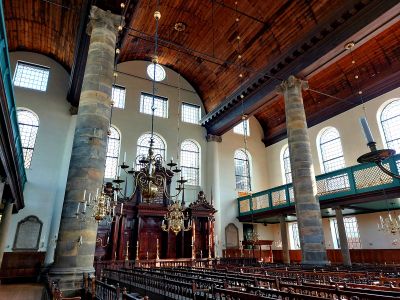
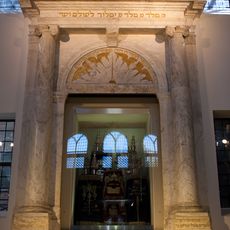
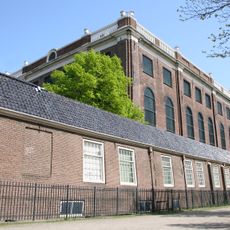
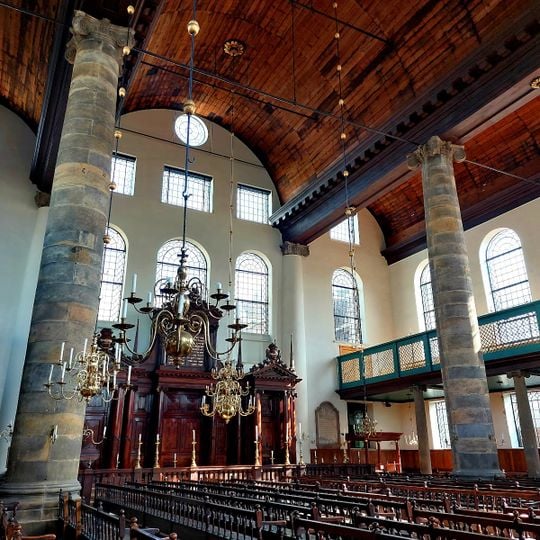
The Portuguese Synagogue is a baroque place of worship in central Amsterdam with a large, high rectangular prayer hall resting on wooden piles above the canal. The interior keeps its original wooden benches and a floor covered with fine sand, while two chandeliers that hold a thousand candles provide light without electricity.
Construction started in 1671 under architect Elias Bouman and finished in 1675, making it one of the largest buildings of its kind in the world at that time. The design was inspired by the description of King Solomon's temple in Jerusalem, linking the community to its ancient past.
The name Esnoga comes from Judaeo-Spanish, the traditional language of Sephardic Jews, and shows the Iberian roots of the community that built it. Inside, the arrangement of wooden benches facing each other and the gallery for women gives a clear sense of how worship has been practiced here for centuries.
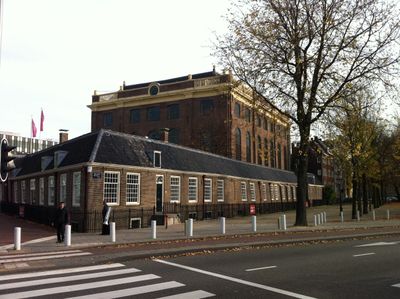
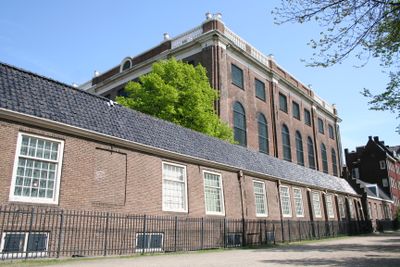
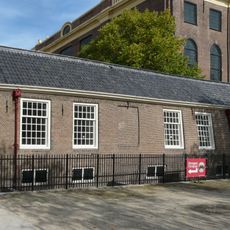
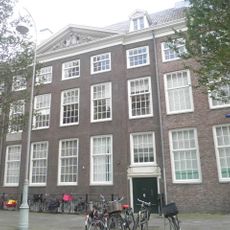
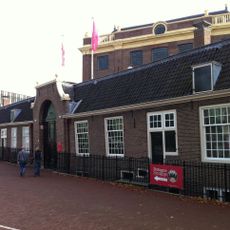
The building is easy to reach on foot from the city center, and a walk around the outside reveals its size and quiet courtyard. It is closed on Saturdays and most Jewish holidays, so plan a visit on a weekday to see inside.
The prayer hall is the only surviving synagogue outside the Caribbean with a floor covered in fine sand, an old Dutch custom to absorb dust and muffle footsteps. The foundation vaults can also be seen from a boat passing on the canal below, giving a rare view of the building's wooden supports.
The community of curious travelers
AroundUs brings together thousands of curated places, local tips, and hidden gems, enriched daily by 91,260 contributors worldwide.