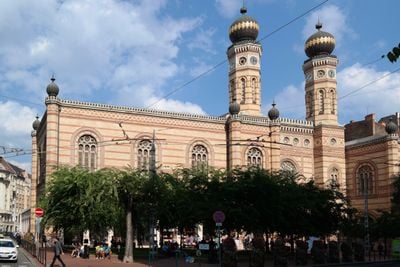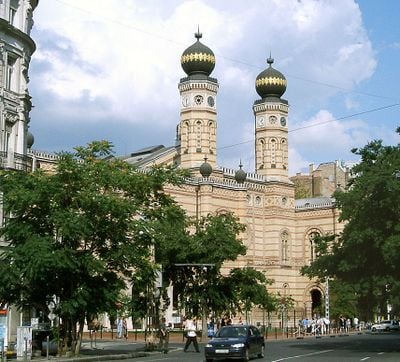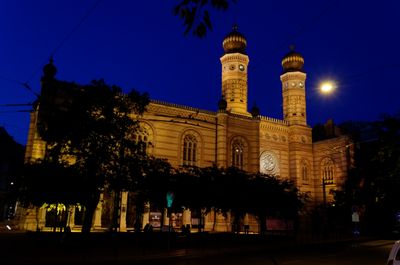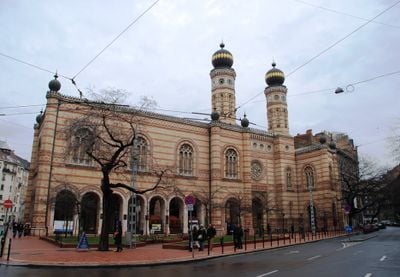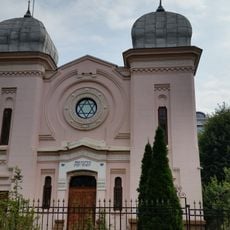
Dohány Street Synagogue, Moorish Revival synagogue in District VII, Hungary
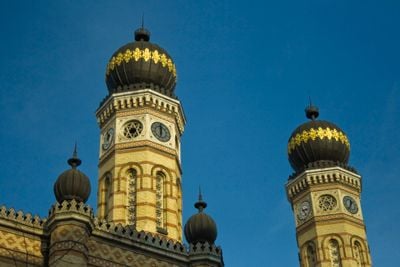
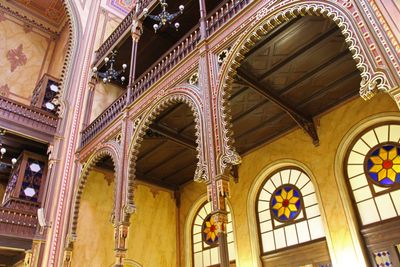
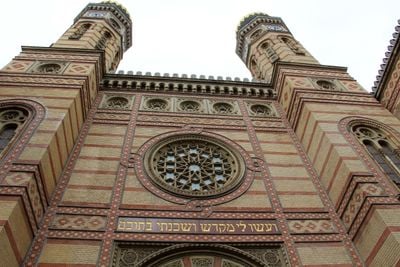
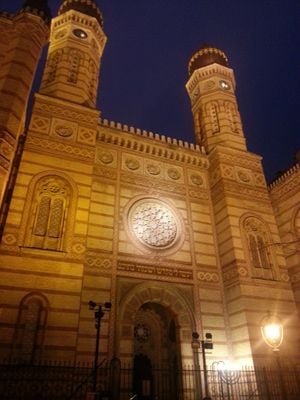
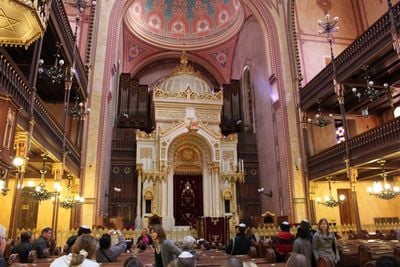
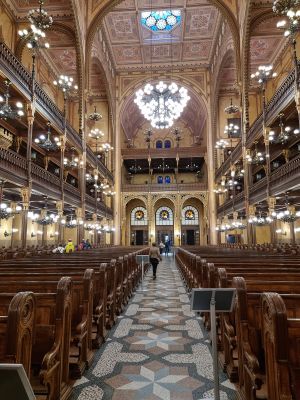
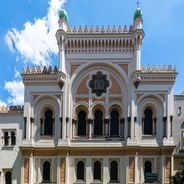
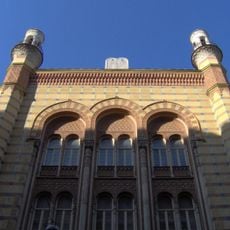
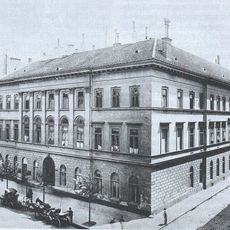
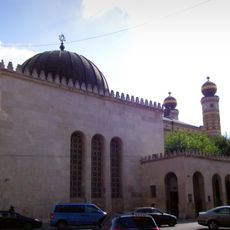
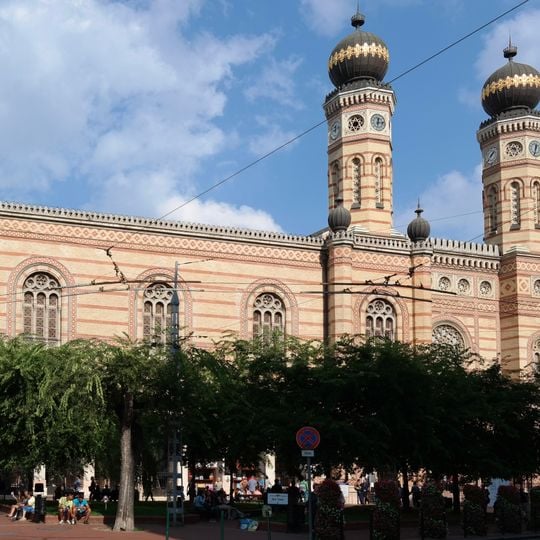
The Dohány Street Synagogue stands in District VII of Budapest and shows two octagonal towers with onion-shaped cupolas on its frontage. The interior space divides into three aisles and the southern facade carries rich stone ornament in a Moorish manner.
Ludwig Förster designed the building and construction took place between 1854 and 1859 as the first major expression of Jewish presence in Budapest. After World War II, parts of the site were restored and a memorial area for ghetto victims was created.
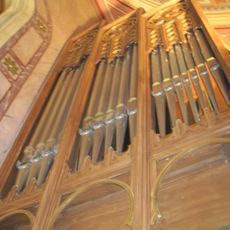
The name Dohány comes from the Hungarian word for tobacco and recalls the street's former role as a center for tobacco trade. The building follows the Neolog branch of Judaism and allows an organ in the prayer hall, which differs from Orthodox practice.
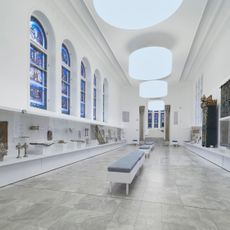
The building accommodates nearly 3000 people, with men seated on the ground floor and women in the upper galleries. A visit is most rewarding in the morning when light filters through the colored windows and the space is quieter.
On the grounds rest around 2600 people who died during the ghetto period in a separate cemetery behind the main building. Theodor Herzl, founder of political Zionism, was born just a few meters away on the same street.
The community of curious travelers
AroundUs brings together thousands of curated places, local tips, and hidden gems, enriched daily by 91,373 contributors worldwide.