Budapest District VII, Historical Jewish district in central Pest, Hungary
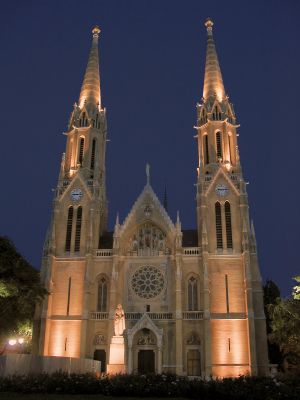
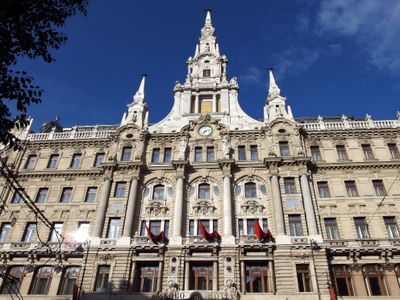
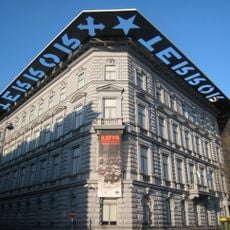
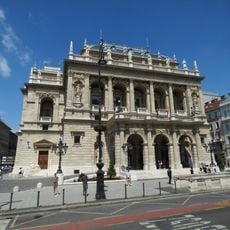
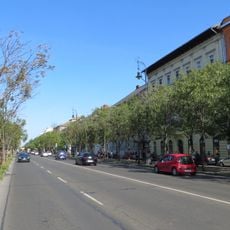
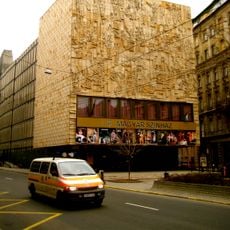
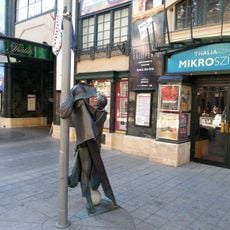
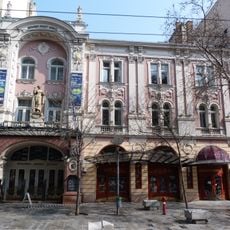
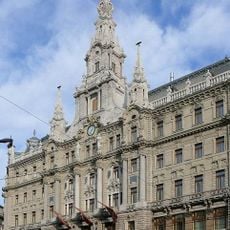
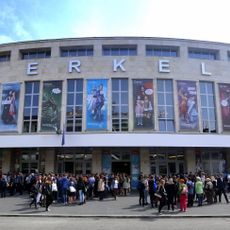
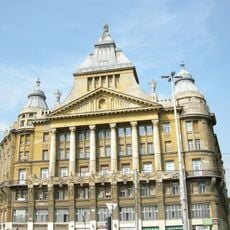
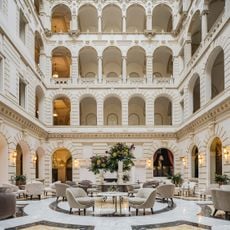
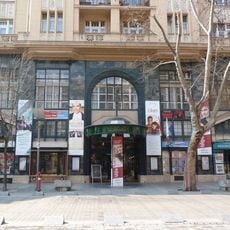
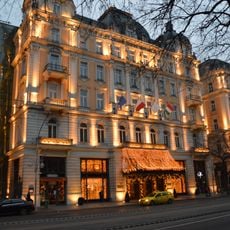
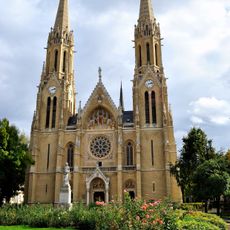
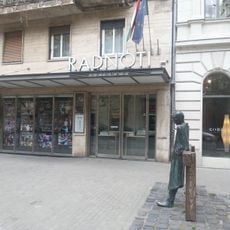
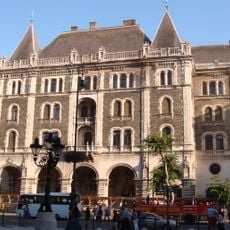
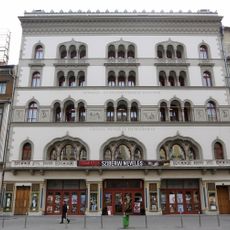
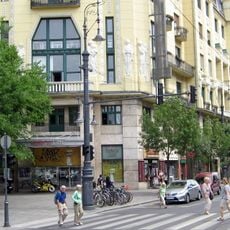
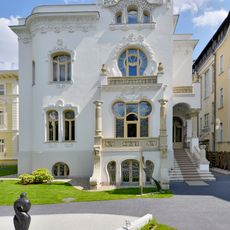
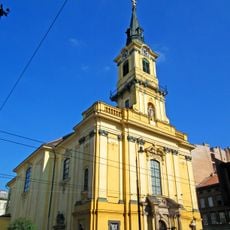
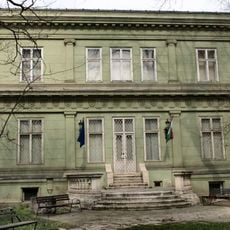
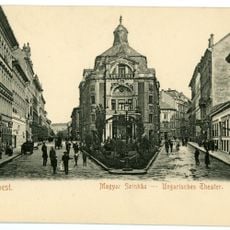
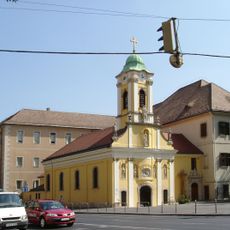
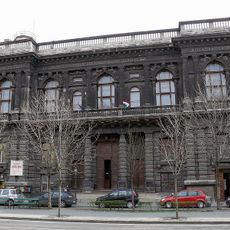
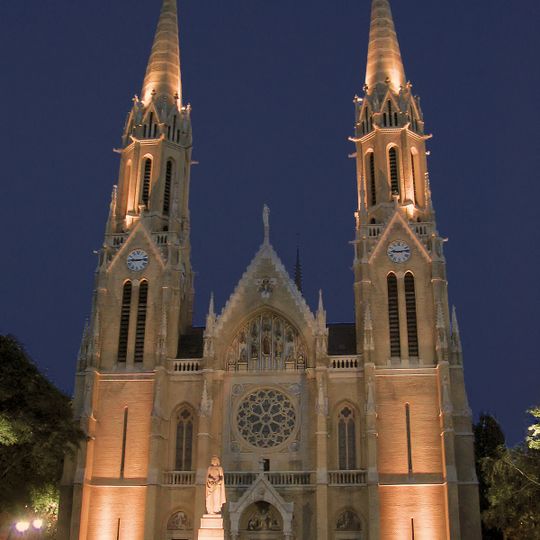
Budapest's seventh district is a central residential area on the Pest side featuring buildings from different periods of the 19th and 20th centuries. The streets show a mix of historic facades, modern shops, and public squares that shape daily life in the neighborhood.
The district was founded in 1873 and received the name Erzsébetváros in 1882 to honor Queen Elizabeth, consort of Emperor Franz Joseph I. In the following decades, it developed into a significant center of Jewish life and commerce in the city.
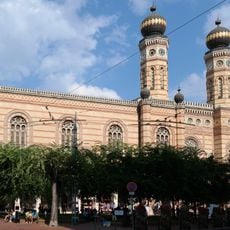
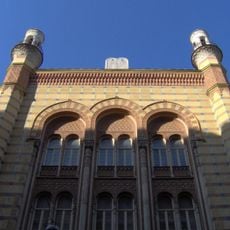
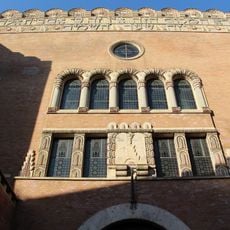
The Great Synagogue on Dohány Street functions as Europe's largest active Jewish house of worship and shapes the spiritual identity of this neighborhood. The surrounding streets contain kosher restaurants, bakeries, and shops that keep these traditions alive in daily life.
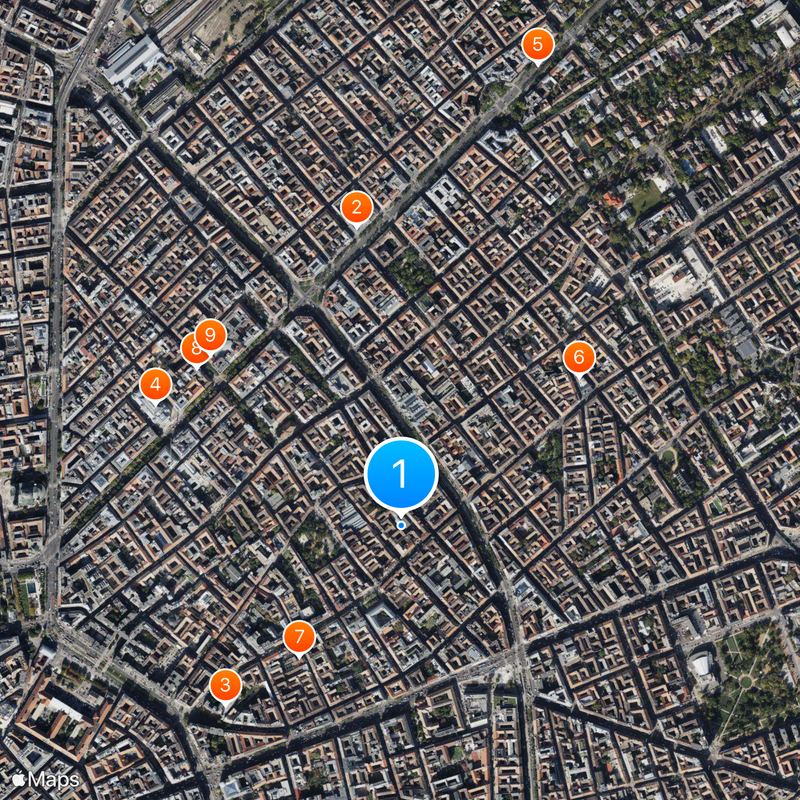
The neighborhood has excellent public transit connections through multiple metro lines and tram routes, with key stations at Blaha Lujza tér and Deák Ferenc tér. Most attractions and restaurants are within walking distance, making it easy to explore without a car.
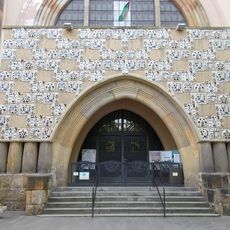
Beyond the Great Synagogue, the district holds other notable Jewish landmarks including the Jewish Museum and the memorial site of the former ghetto. These locations tell the story of a community whose presence continues to define the character of the neighborhood.
The community of curious travelers
AroundUs brings together thousands of curated places, local tips, and hidden gems, enriched daily by 60,000 contributors worldwide.