Uránia National Movie Theater, Historic movie theater in District VIII, Budapest, Hungary
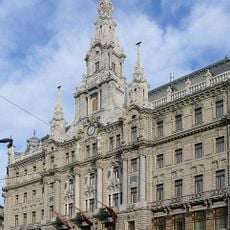
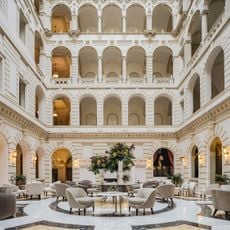
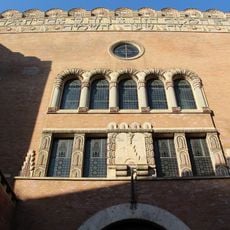
The Uránia National Movie Theater is a cinema in Budapest with elaborate Moorish Revival architecture that combines Gothic and Renaissance elements. The building contains three screening halls, including one large auditorium and two additional modern screening rooms.
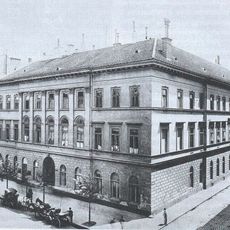
The building went up in the mid-1890s on the Kerepesi (today Rákóczi) road, designed by Henrik Schmahl for builder Kálmán Rimanóczy as an orfeum, a live entertainment hall. It opened as Caprice, then ran as Alhambra after owner Antal Oroszi went bankrupt. In April 1899 the Uránia Scientific Theatre opened there, screening films from 1899; from 1916 it turned to cinema programmes. In 1930 Gyula Pekár sold it to the German UFA studio, which ran it as UFA Palota.
The theater shows a mix of classic and modern international films that appeal to film lovers and school groups alike. Its screening spaces host film festivals and independent movie premieres throughout the year.
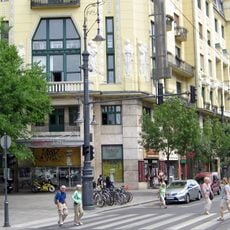
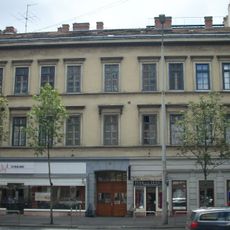
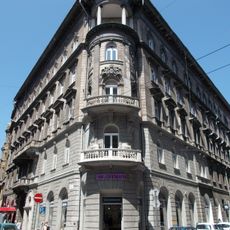
The cinema stands at Rákóczi út 21 in District VIII, in the building that also houses a four-storey tenement. The main hall seats 460 and has an 8.2×4.8 m screen; the two 60-seat basement chambers named after Fábri Zoltán and Csortos Gyula are currently closed. The stage area in front of the screen measures 100 m², with three theatre dressing rooms and one VIP dressing room for performers.
The first deliberately staged Hungarian moving picture, A táncz, was filmed in 1901 on the roof terrace of the Uránia by Béla Zsitkovszky, with Blaha Lujza and other Opera dancers performing. No copy survives; only the printed programme, a few stills and the playbill remain. The central ornamental box of the main hall is named after it.
The community of curious travelers
AroundUs brings together thousands of curated places, local tips, and hidden gems, enriched daily by 94,128 contributors worldwide.