Hungary, European Union member state in Central Europe
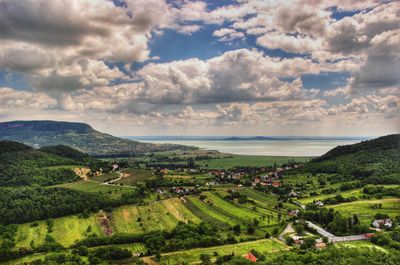
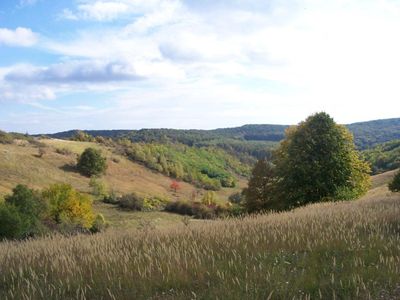
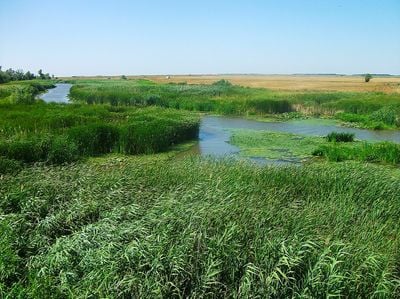
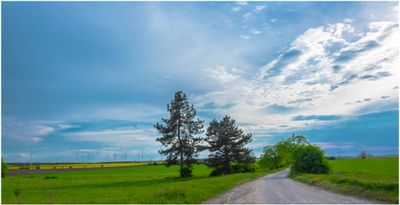
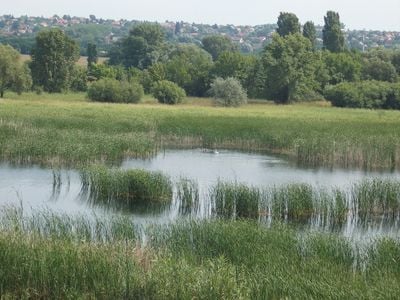
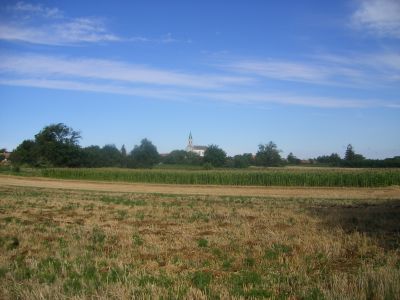
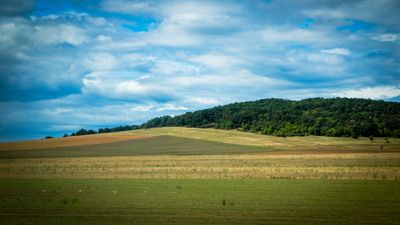
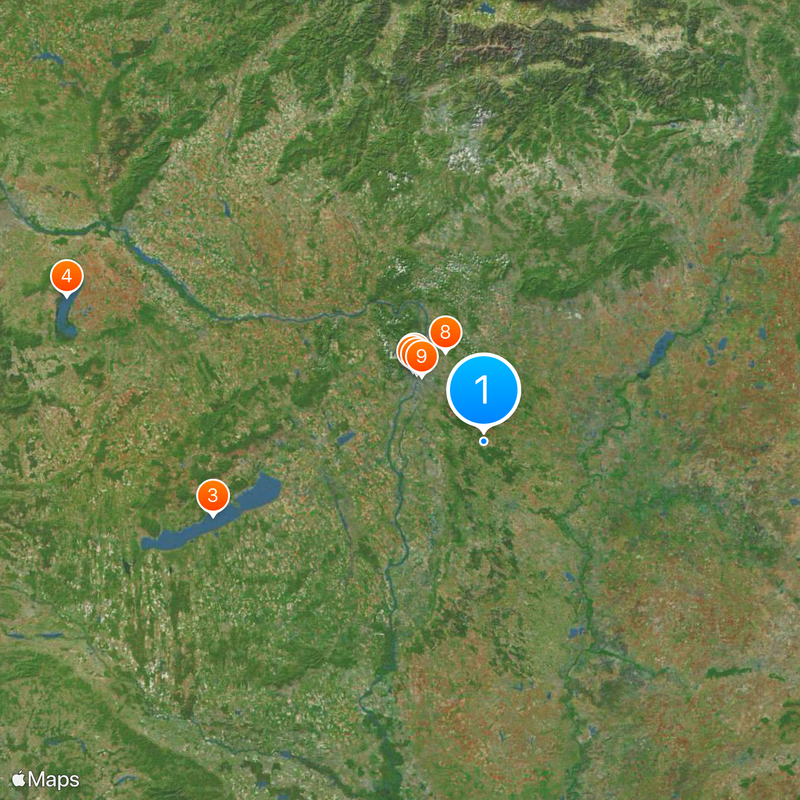
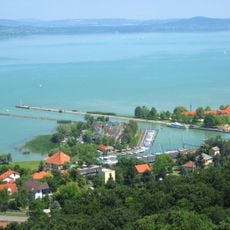
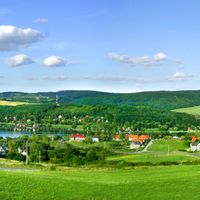
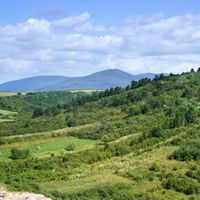
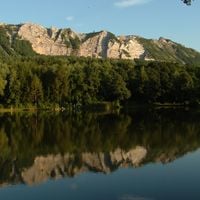
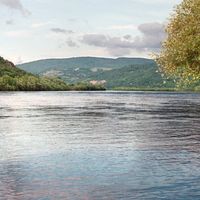
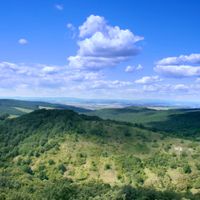
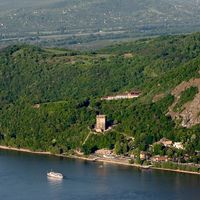
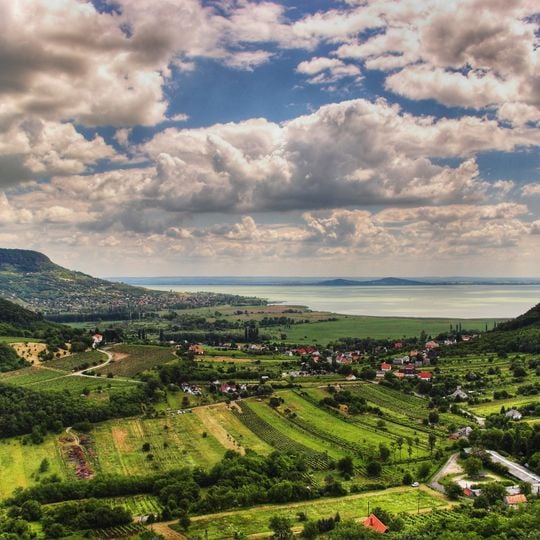
Hungary is a landlocked state in Central Europe that includes lowlands east of the Danube, rolling hills in Transdanubia, and mountain ranges in the north. The Danube divides the territory from north to south into two geographic halves, while the Tisza flows through the east and Lake Balaton shapes the western interior as the largest lake in Central Europe.
The Magyars settled in the Carpathian Basin in 895 and founded a Christian kingdom under Stephen I in the year 1000. After defeat at Mohács in 1526, Habsburg and Ottoman powers divided the territory for over a century and a half, until the Compromise of 1867 created the Austro-Hungarian Dual Monarchy.
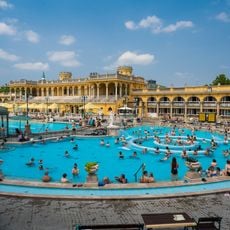
The Hungarian language belongs to the Finno-Ugric family and stands out as the only non-Indo-European tongue in the heart of Europe. Today you can recognize the centuries-old bathing culture in many public thermal baths, where locals relax daily and chat with one another.
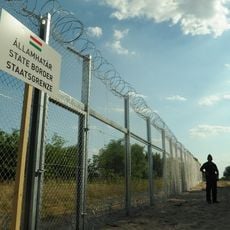
A dense road and rail network connects Budapest with all regions and the seven neighboring countries, and travelers with a Schengen visa or EU passport can cross borders without difficulty. Budapest Ferenc Liszt Airport offers connections to European and worldwide destinations, while the months from April to October provide mild weather and long days that are most comfortable for sightseeing.
More than 1300 natural thermal springs bubble up from the ground and make the country the richest thermal region in Europe, with over 120 springs in Budapest alone delivering around 70 million liters of warm water daily. This geological feature arose from tectonic faults in the Carpathian Basin that allow heated groundwater to reach the surface.
The community of curious travelers
AroundUs brings together thousands of curated places, local tips, and hidden gems, enriched daily by 90,765 contributors worldwide.