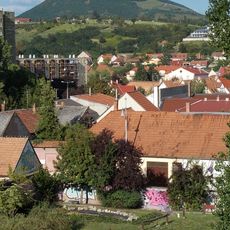
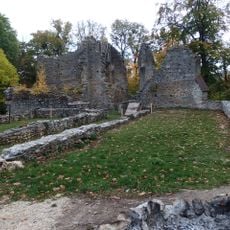
Bükk National Park, National park in Borsod-Abaúj-Zemplén County, Hungary.
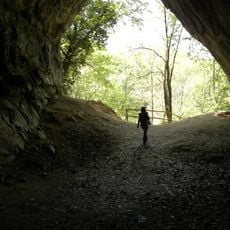
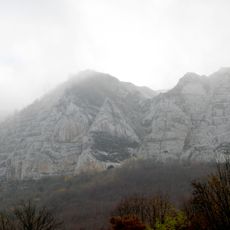
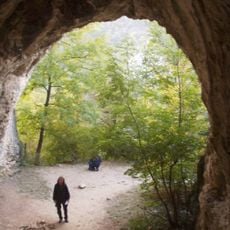
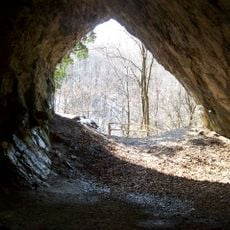
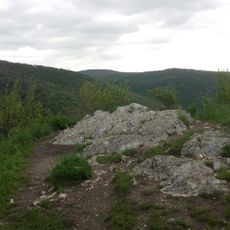
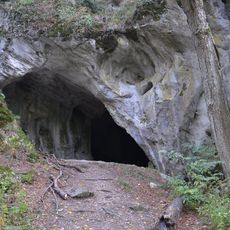
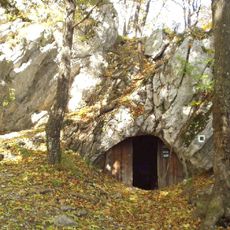
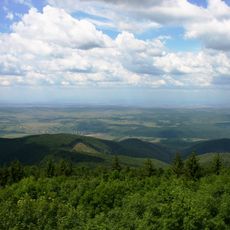
Bükk National Park is a protected area in the mountains of Borsod-Abaúj-Zemplén County in northern Hungary, covering forested slopes, rocky plateaus, and narrow valleys. The terrain is crossed by marked hiking paths that lead to viewpoints, karst springs, and over 1000 recorded caves.
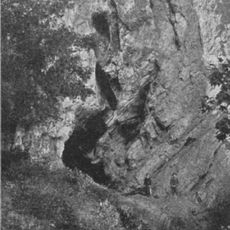
People have sought shelter in these mountains since the Stone Age, with cave walls sometimes still showing traces of ancient dwellings and hearths. The protected area was officially established in 1977 to preserve the landscape and its wildlife.
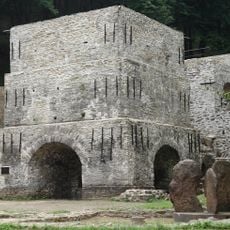
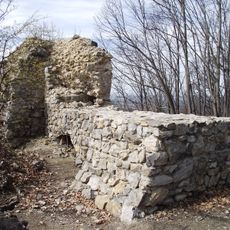
The park's name comes from the Bükk mountains, whose beech forests give the range its Hungarian name. Visitors can see the region's older industries in the permanent exhibitions at Miskolc, Szilvásvárad, Lillafüred, Felsőtárkány, Répáshuta, Bükkszentkereszt, Újmassa and Hámor, which cover lime burning, charcoal burning, metal smelting and potash glassmaking. The emblem of the national park is the stemless carline thistle (Carlina acaulis), a plant of the grazed mountain meadows.
Most hiking trails are accessible from spring through autumn, while certain cave areas require a guide to enter. Information centers provide maps and advice on route selection and current conditions.
The park holds International Dark Sky Park status, and its caves shelter a bat that breeds and winters only underground. The Istvánlápa cave, 4,000 metres long and 245 metres deep, is the country's longest and deepest; the Bányász-barlang reaches 275 metres. The Vatican Climate Forest was planned here by promoter Russ George, but no trees were planted.
The community of curious travelers
AroundUs brings together thousands of curated places, local tips, and hidden gems, enriched daily by 92,780 contributors worldwide.