See the monuments around you in AROpen chests in the app
Around Us is built for your phone — point your camera at the streets and discover the monuments and places around you in augmented reality.Around Us is built for your phone — chests unlock when you walk, explore and capture nearby places.
Visit Hungary : historic towns, natural parks, and local traditions
Hungary is more than Budapest. The country hides old towns, natural parks, warm lakes, and vineyards that tell a different story. Between plains, forests, and mountains, these places show how the locals live each day, away from the busy city.
You can visit Szeged with its Art Nouveau buildings by the Tisza River, walk in the Hortobágy or Bükk national parks where nature keeps its wild side, or sail on the Danube and Lake Balaton. The Mátra and Pilis mountains offer walks through oak and beech forests, and places like Ópusztaszer tell the story of the Magyars outside.
Sopron's vineyards have been making red wine for hundreds of years. Routes like the Cuha valley via ferrata let visitors see the limestone hills of Bakony. These spots give a different view of Hungary, showing rural customs, medieval history, and changing scenery through the seasons.
Visit Hungary : historic towns, natural parks, and local traditions
Hungary is more than Budapest. The country hides old towns, natural parks, warm lakes, and vineyards that tell a different story. Between plains, forests, and mountains, these places show how the locals live each day, away from the busy city.
You can visit Szeged with its Art Nouveau buildings by the Tisza River, walk in the Hortobágy or Bükk national parks where nature keeps its wild side, or sail on the Danube and Lake Balaton. The Mátra and Pilis mountains offer walks through oak and beech forests, and places like Ópusztaszer tell the story of the Magyars outside.
Sopron's vineyards have been making red wine for hundreds of years. Routes like the Cuha valley via ferrata let visitors see the limestone hills of Bakony. These spots give a different view of Hungary, showing rural customs, medieval history, and changing scenery through the seasons.
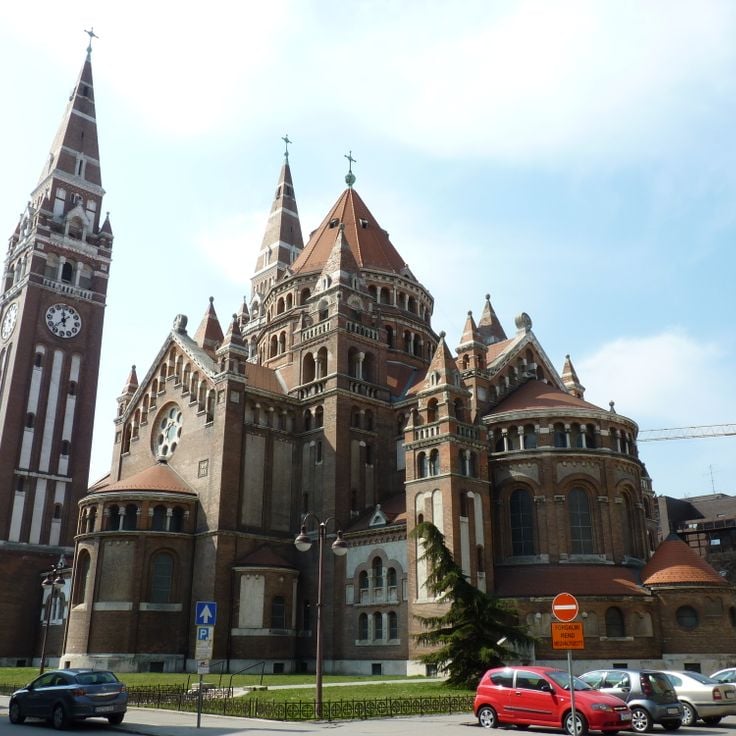
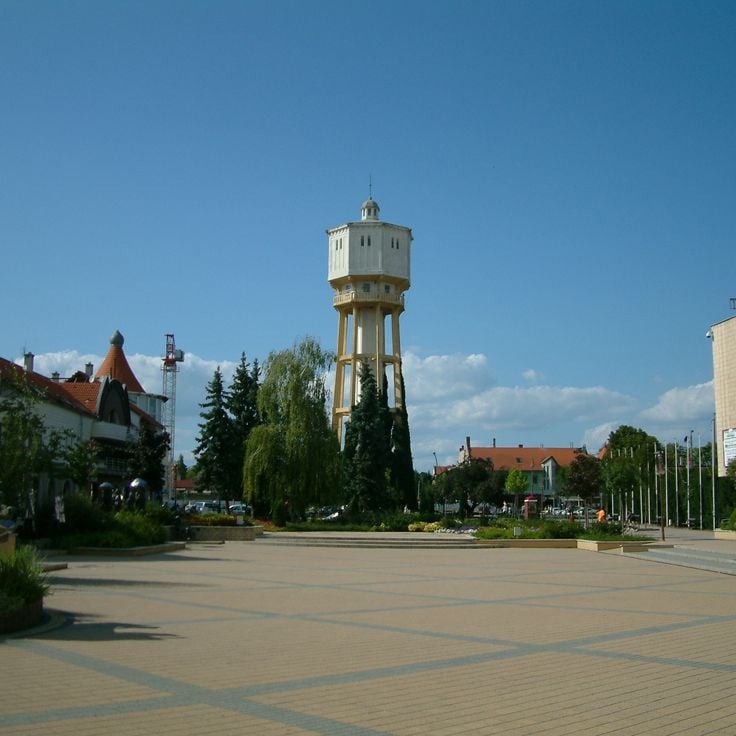
Szeged sits along the Tisza River and reveals a different side of Hungary than Budapest. The city stands out for its Art Nouveau buildings from the late 1800s. The Church of the Vow with its two towers shapes the city's profile and offers views over Szeged and the river. Each summer, an open-air theater festival takes place here, where visitors watch performances under the stars. Szeged shows how a city keeps its past alive while staying dynamic.
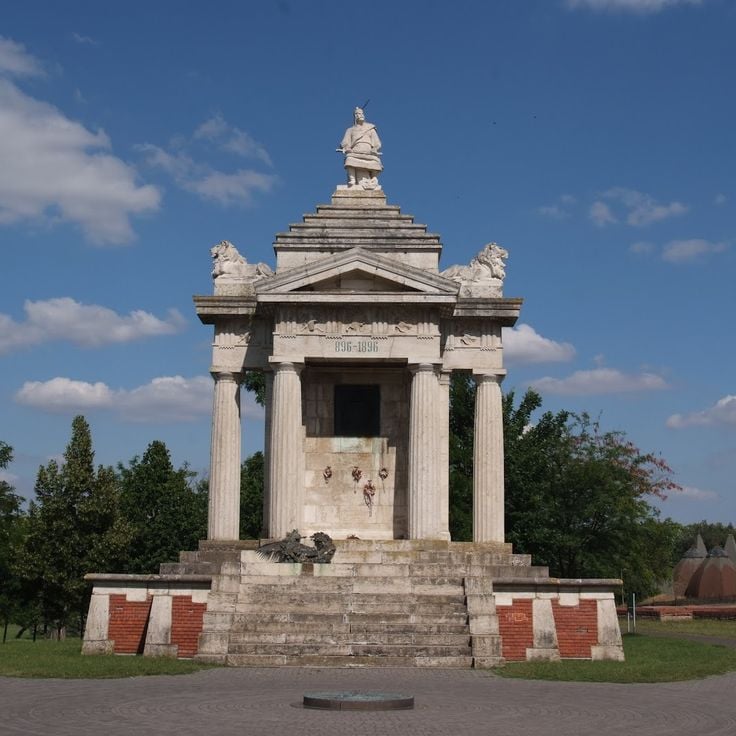
Ópusztaszer National Heritage Park is an open-air museum that tells the story of Hungarian history. Visitors can see traditional crafts, learn how people lived in earlier times, and view the famous Feszty Panorama, a large circular painting showing the arrival of Hungarians. The park recreates everyday life with buildings, workshops and animals from the past. It is a place to understand Hungarian roots and the importance of this history to the country.
Hortobágy National Park is a UNESCO World Heritage site set in Hungary's flat plains. The park preserves the Puszta landscape, a vast grassland where traditional shepherding has been practiced for centuries. Many bird species live here, including the rare Great Bustard. Visitors come to watch birds and to see how local herders continue their way of life on these open grasslands.
Bükk National Park sits in northern Hungary and is known for its cave systems and hiking trails. The park spreads across forested hills and offers opportunities to explore caves as well as views of the woodland landscape. Visitors can walk on various routes and discover the natural surroundings with their limestone formations.
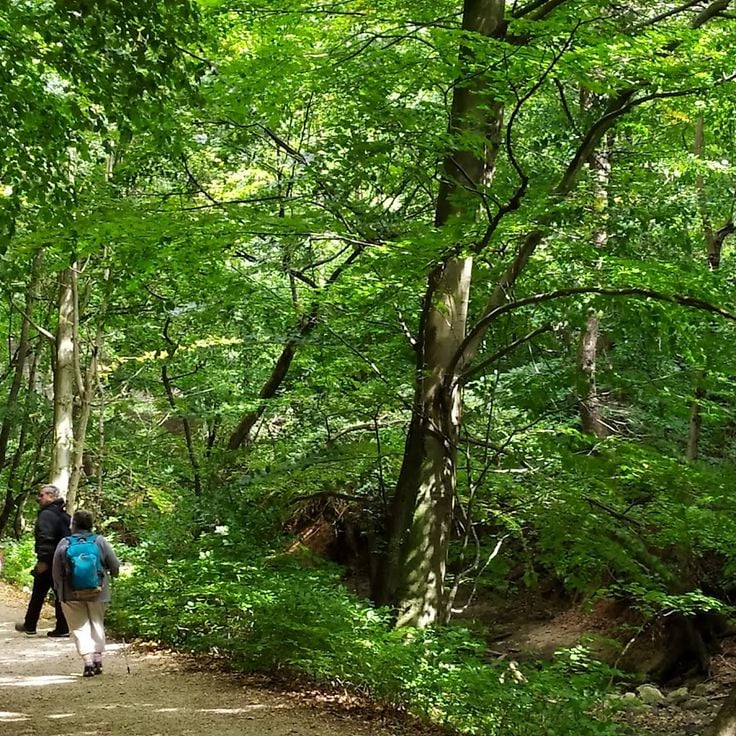
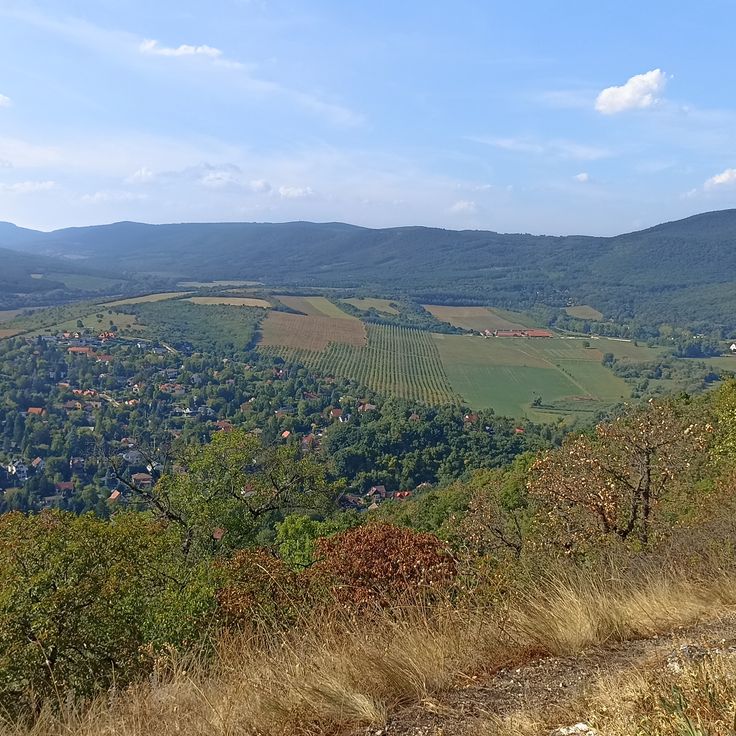
The Pilis Mountains sit north of Budapest and offer day hikes through oak and beech forests. The mountain range features limestone outcrops and open viewpoints that reveal different perspectives of the surrounding landscape. These mountains fit into the picture of a different Hungary, where hikers explore nature and local traditions away from the capital.
The Mátra Mountains are a range in Hungary that includes Kékes, the country's highest peak. Hiking trails cross through dense forests of oak and beech trees and reveal views of the surrounding landscape. These mountains show how nature exists in Hungary beyond the cities, with green slopes that change with the seasons. People from the region come here to hike and experience the forest environment.
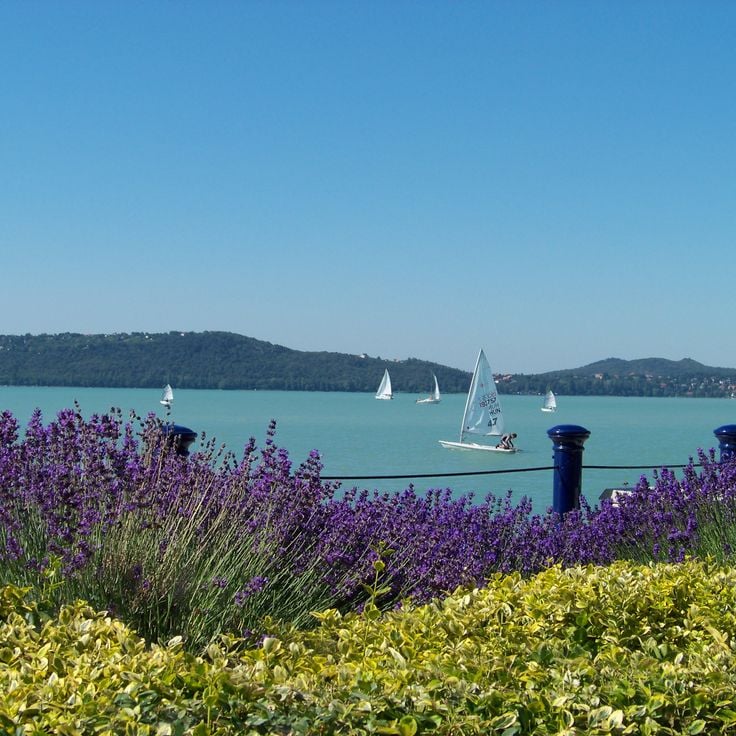
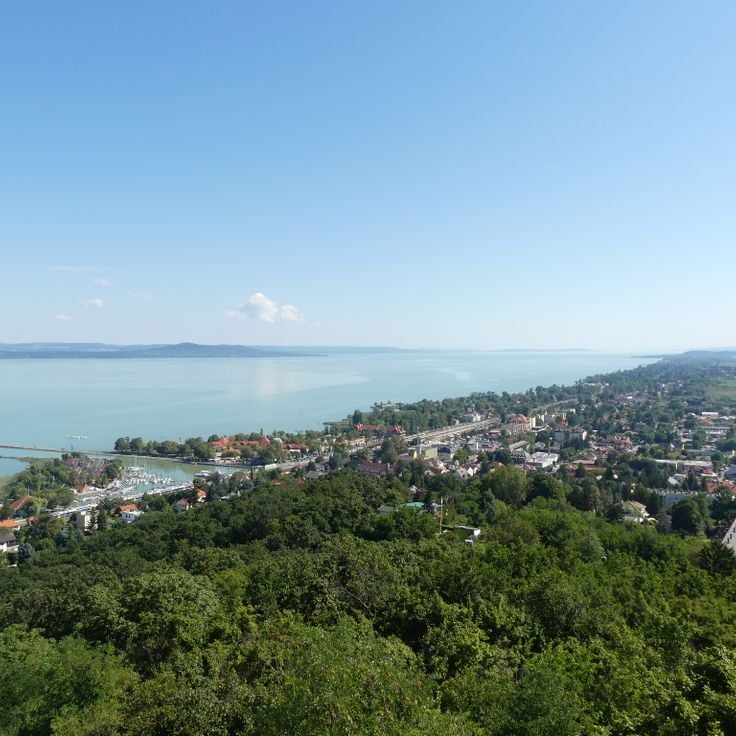
Lake Balaton is the largest freshwater lake in Central Europe and a popular destination for swimming, sailing, and beach activities. The surrounding towns like Balatonfüred and Tihany offer thermal baths, vineyards, and cultural events throughout the year. The lake is a hub of activity in this region, where locals and visitors gather to enjoy the water and explore the natural surroundings.
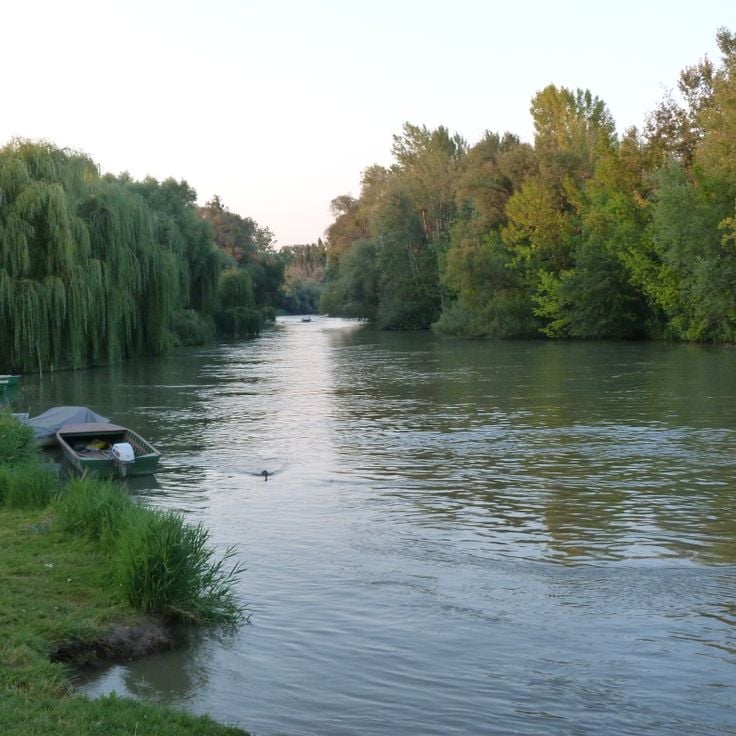
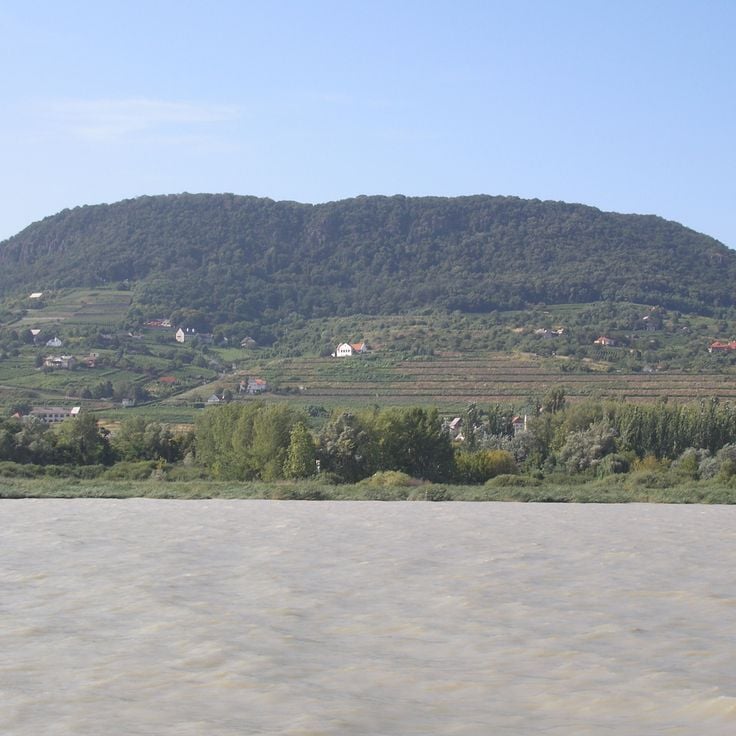
The Danube is a major river flowing through Hungary on its journey across Europe. This river offers many ways to explore the country: boat cruises along scenic banks, kayaking, and paddleboarding for those seeking water-based activities. Villages like Vác and Szentendre sit on the riverbanks and are easily reached by water, showing how people live along this important waterway. Within this collection about Hungary beyond Budapest, the Danube represents the natural passages and routes that connect the country's rural traditions and medieval heritage, revealing how the river shapes daily life and connects communities from season to season.
The Cuha Valley Via Ferrata winds through limestone cliffs and forests in the Bakony region, offering climbing routes for different skill levels. Metal rungs and cables guide climbers along the rock faces, with views of rolling countryside below. The routes reveal the geological layers of this ancient landscape, where steep sections alternate with easier passages. This climbing experience connects visitors directly to the natural structure of the Bakony hills.
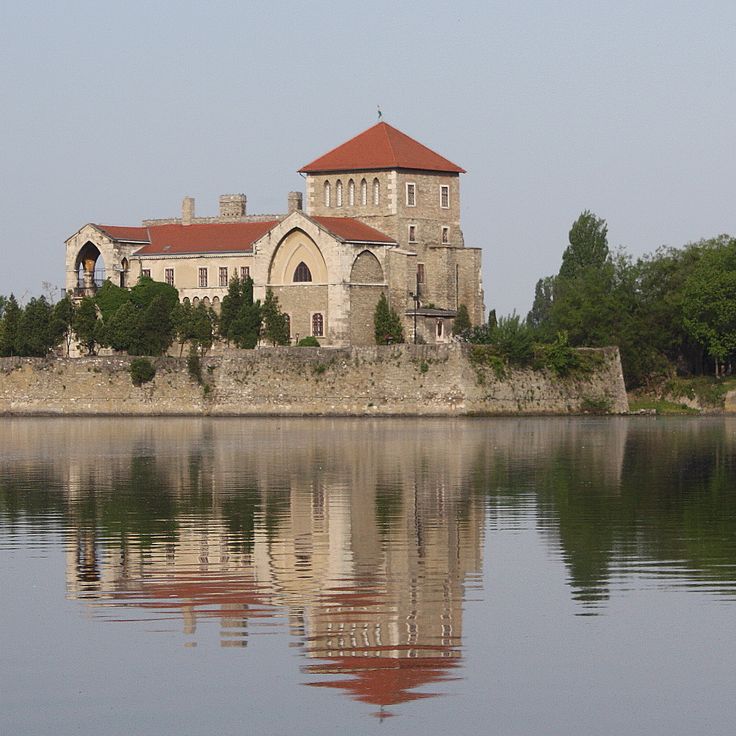
Tata is a town in western Hungary where lakes and historic castles shape daily life. Tata Castle and the Old Lake are central to the town's character. Each year, the Water, Music and Flowers festival brings visitors for concerts and water-based events. This place shows a different side of Hungary, away from Budapest, where history and nature meet.
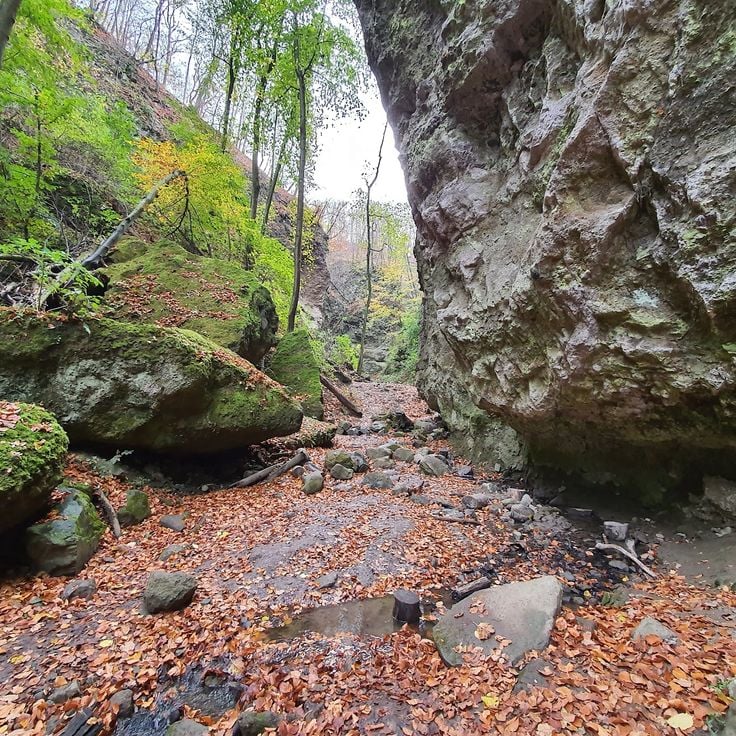
The Rám-szakadék Gorge cuts through the Pilis Mountains and offers walkers a winding path between steep rock walls. The route includes ladders and chains fixed to the cliffs for support. This hike reveals the natural side of Hungary that many visitors miss. The gorge is part of the mountain landscape where oak and beech forests cover the slopes and a stream has shaped the rocks over time.
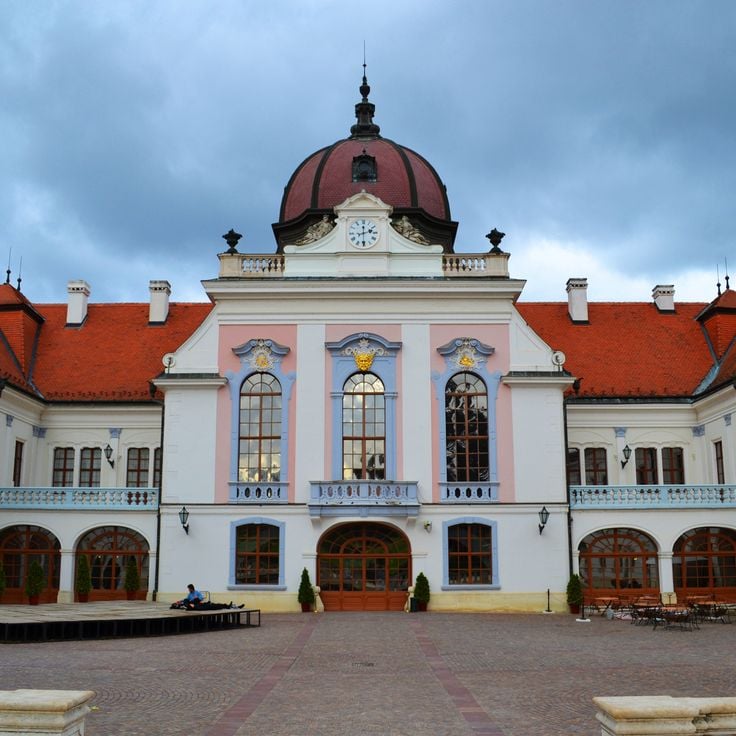
Gödöllő is a town built around the Royal Palace, the favored residence of Empress Elisabeth of Austria, known as Sissi. The palace and its gardens reveal how the royal family lived in the 19th century. The town sits near Budapest and allows visitors to step into the history of the Austro-Hungarian Empire.
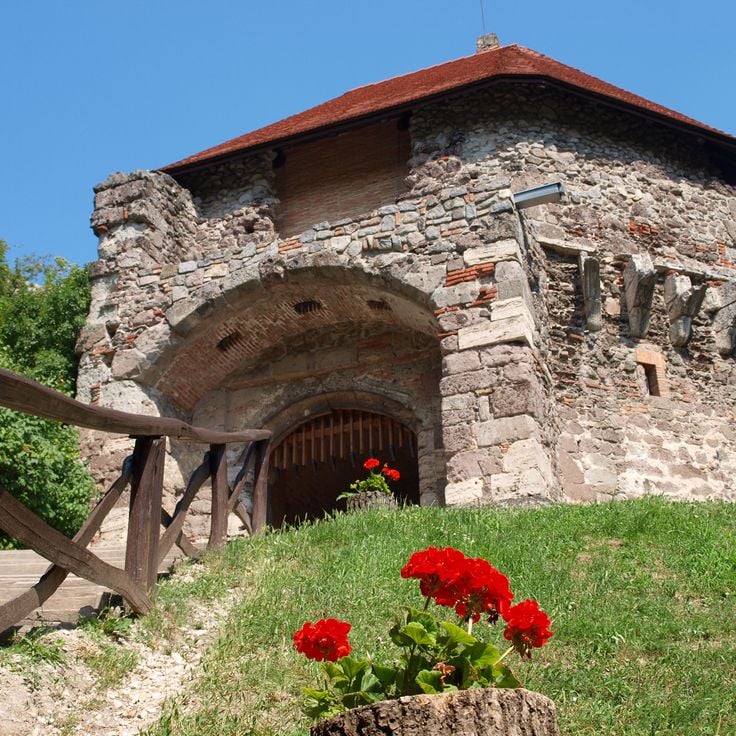
Visegrád sits on a bend in the Danube and is known for its medieval castle. The castle offers hiking through the surrounding area and views over the river and hills. The place shows how history is present at this section of the river. From here you can see the landscape that attracts many Hungarians who want to escape the bustle of the capital.
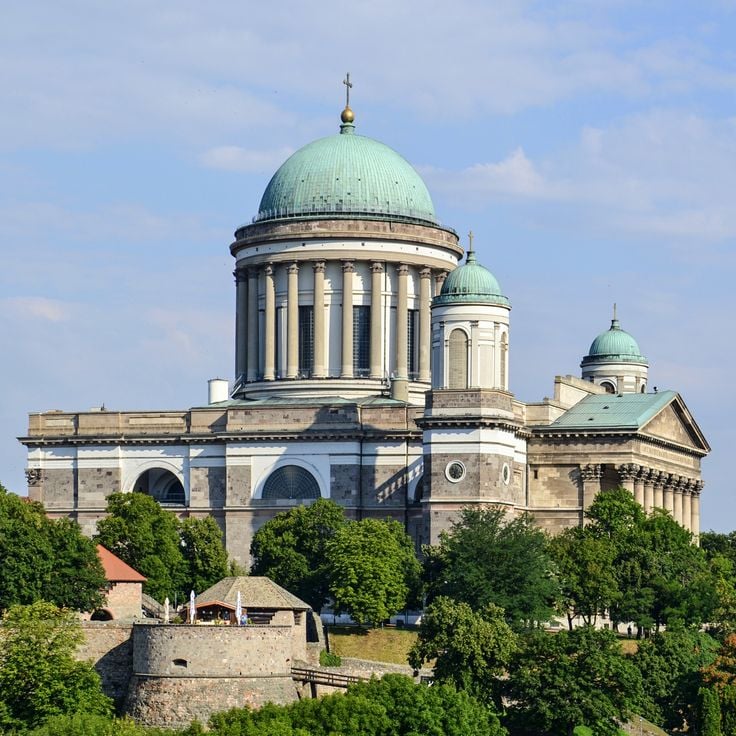
Esztergom is a town on a bend in the Danube River, about 45 kilometers northwest of Budapest. The town is home to Hungary's largest basilica, a massive structure that shaped the country's religious life for centuries. Visitors can look out from above to see the Danube and the surrounding landscape. The old town has medieval streets and historic buildings. Esztergom was once the seat of the Catholic Church in Hungary and remains an important pilgrimage site.
Szentendre is an artistic town with colorful streets and a vibrant gallery scene. The old town sits along the Danube with narrow lanes and painted buildings. The Hungarian Open-Air Museum shows traditional rural life through actual houses, farm buildings, and workshops brought from different regions of the country. Visitors see how people lived in the countryside long ago. Churches and chapels from the time when Serbian refugees settled here dot the town. Local crafts and products fill small shops in the streets.
Dobogókő is a popular hiking destination near Budapest where visitors come to walk through forests and reach viewpoints from its peak. The location holds spiritual significance for some people. The trails wind through oak and beech forests that characterize the Pilis Mountains. From the summit, you can see across the surrounding landscape.
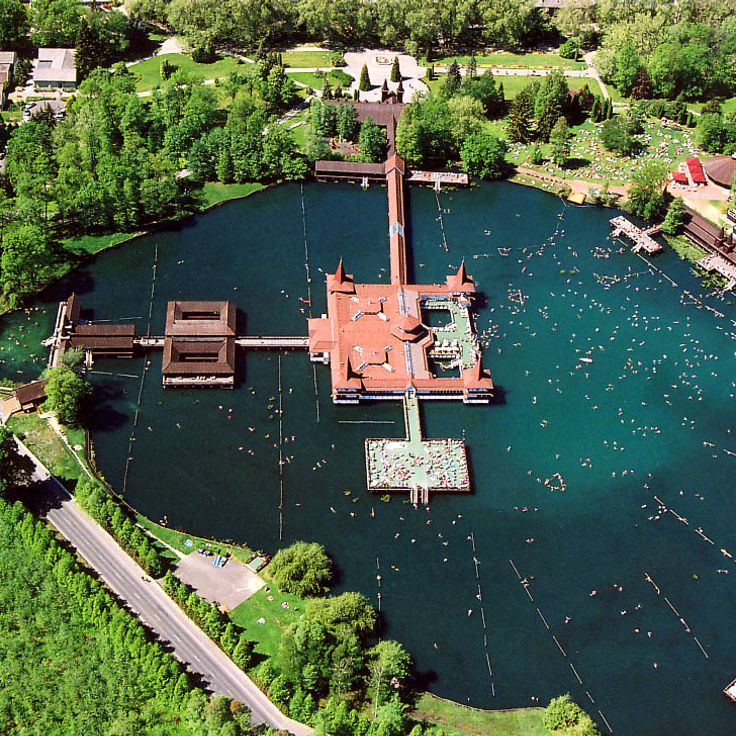
The thermal lake at Heviz is one of the largest of its kind in the world. Warm, mineral-rich waters are surrounded by natural vegetation and attract visitors seeking relaxation. People come to float in the pools and experience what locals believe are the healing properties of the water. The setting feels removed from busy urban areas, with greenery all around.
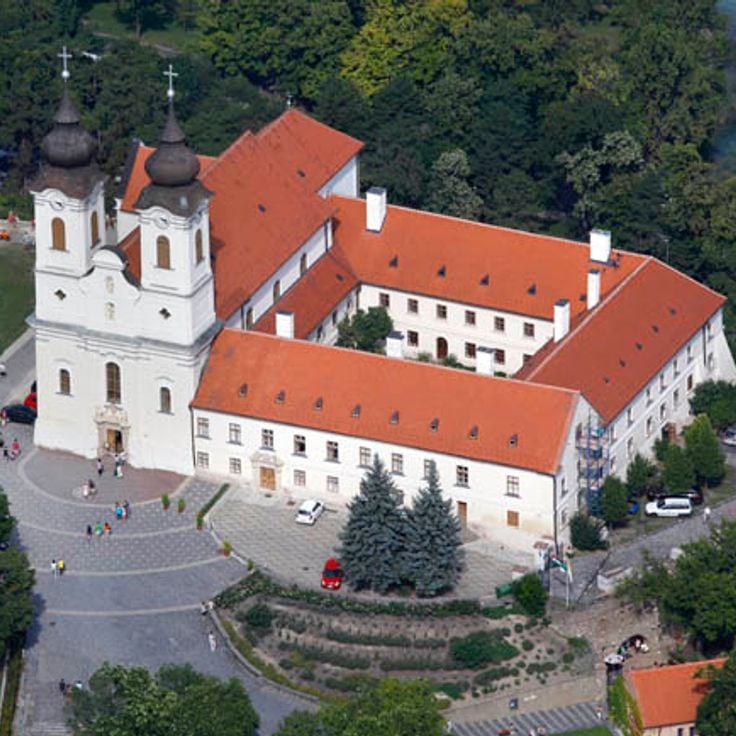
Tihany is a peninsula that juts into Lake Balaton. The abbey here was founded in 1055 and sits on a hilltop overlooking the water. In summer, lavender fields bloom across the landscape. People come to walk among the flowers and explore the old buildings. When you arrive, the church appears first. Paths lead through the hills behind it.
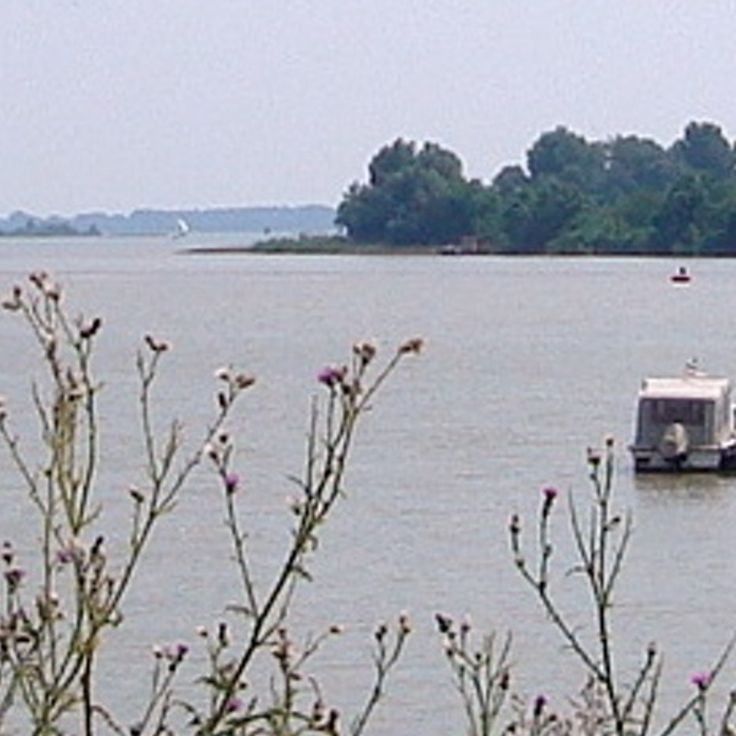
Lake Tisza is a large reservoir in Hungary created by damming the Tisza River. You can enjoy water sports, watch birds, and take boat tours here. The lake sits near Hortobágy National Park and offers a different side of Hungary away from Budapest. Reeds and wetlands line the shores, providing habitat for many bird species.
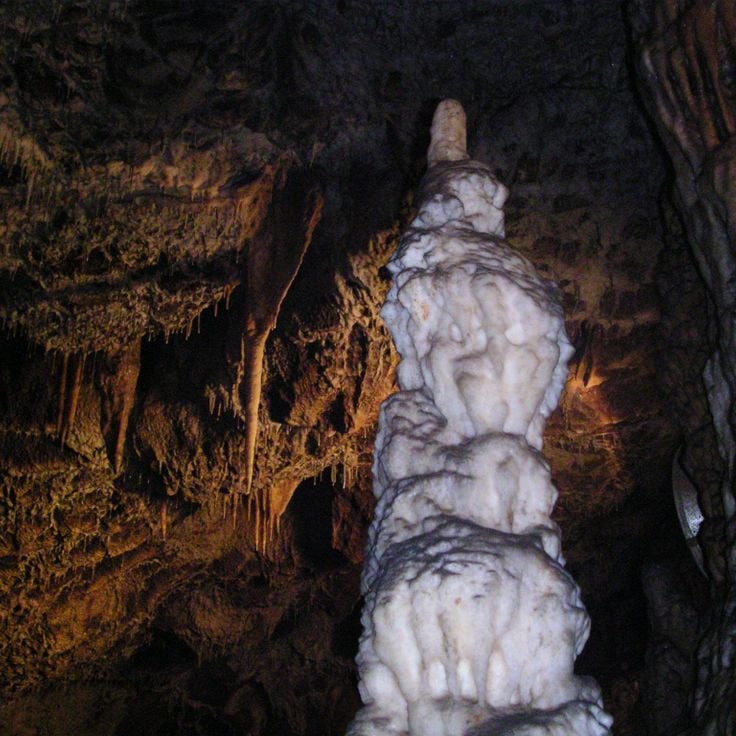
The Aggtelek Stalactite Cave sits within the national park of the same name and is part of a UNESCO World Heritage site. The Baradla Cave features stalactites and stalagmites that have formed over thousands of years. The limestone reveals different geological layers that tell the story of Earth's development. Visitors walk through underground passages and see subterranean lakes. The cave is part of a larger cave system that extends across the border into Slovakia.
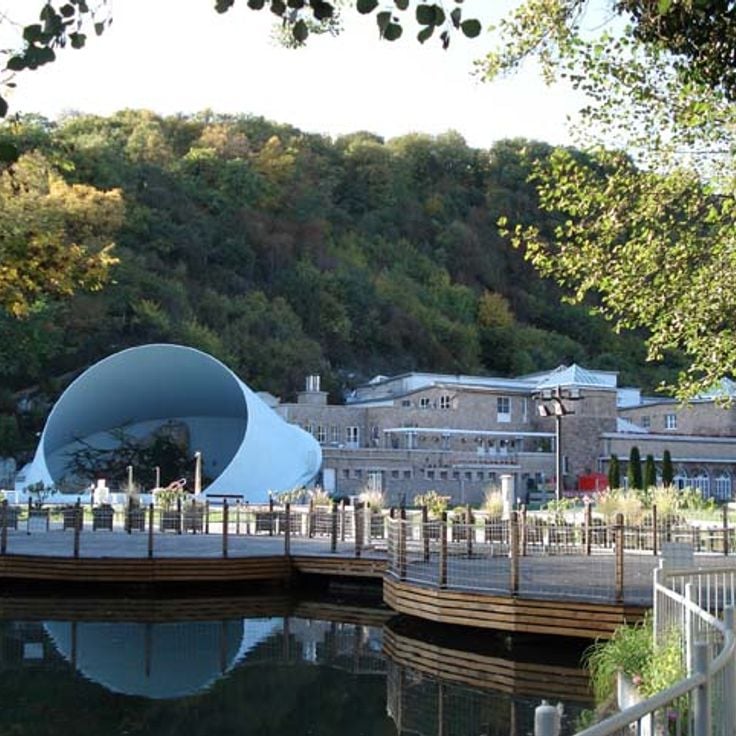
The cave baths at Miskolctapolca use natural hot springs fed by mineral-rich waters beneath the earth. Inside limestone caverns, swimmers float in heated pools surrounded by rock walls that glow softly. The water temperature stays warm year-round, drawn from deep underground sources. This place combines geology with practical bathing facilities. Visitors come to experience thermal waters in a setting that feels separate from the ordinary world, sheltered by stone and shaped by nature over countless years.
Badacsony is a wine region on Lake Balaton, known for white wines grown in volcanic soil. Vineyards cover the hillsides, and walking paths run through the area. Visitors can tour wineries, taste local wines, and enjoy views of the lake. The region attracts people interested in wine and nature.
Siófok is a beach resort on the southern shore of Lake Balaton. The town attracts visitors who come to swim, sunbathe, and try water sports on the sandy beaches. At night, the town comes alive with music, clubs, and bars where people gather. Throughout the summer, Siófok hosts music festivals and beach parties that draw crowds. During the day, the atmosphere is more relaxed, with cafes and restaurants where you can sit and enjoy views of the lake.
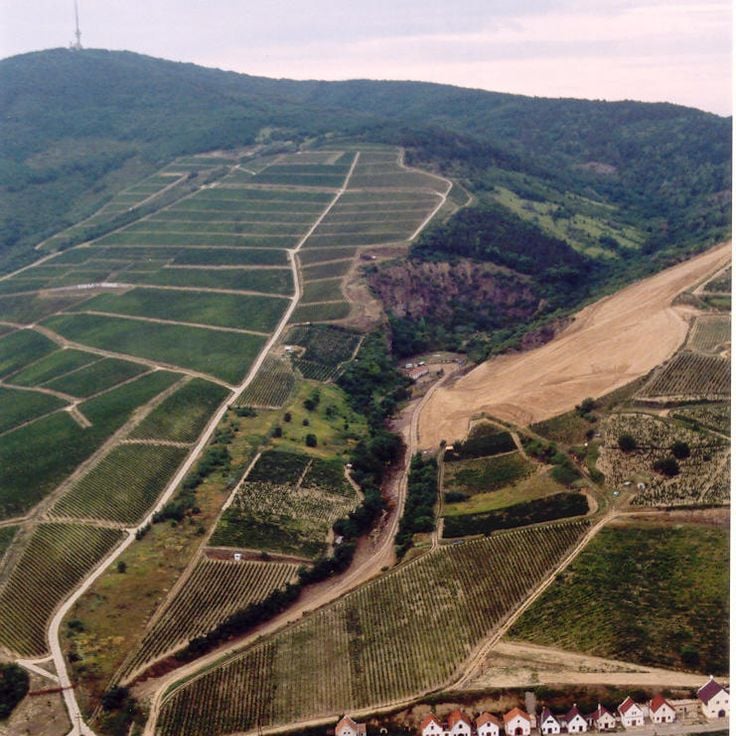
The Tokaj Wine Region is a wine-producing area in northeastern Hungary that has been famous for its sweet Tokaji wines for centuries. The region is recognized as a UNESCO World Heritage site. Visitors can tour vineyards, explore historic wine cellars, and taste local wines. The landscape features rolling hills and traditional estates that have preserved winemaking traditions across generations.
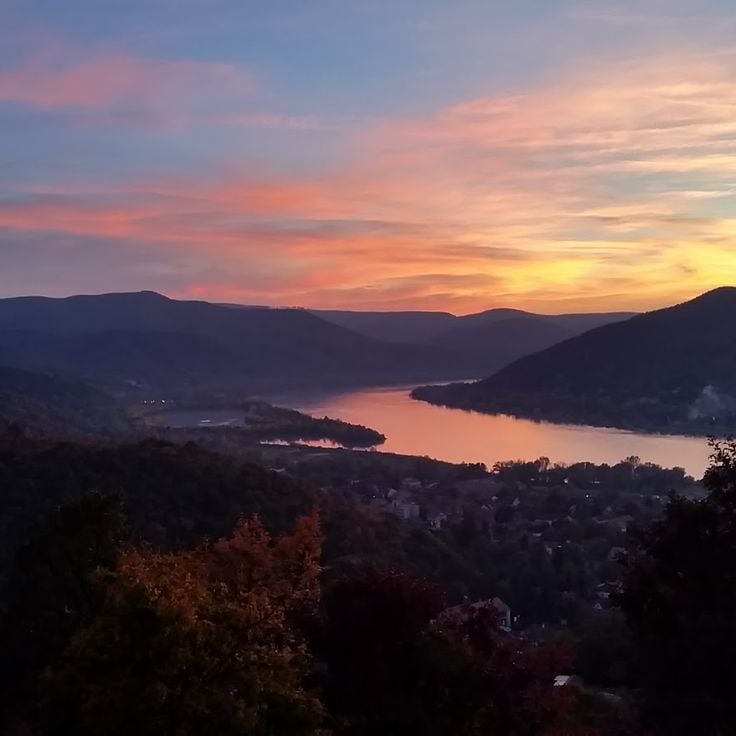
The Danube Bend is a region where the Danube River curves dramatically through the landscape. Here you will find historical sites, natural scenery, and cultural attractions in the cities of Esztergom, Visegrád, and Szentendre. This area shows how nature and history meet in Hungary, with riverbanks, ancient castles, and villages that have stood for centuries.
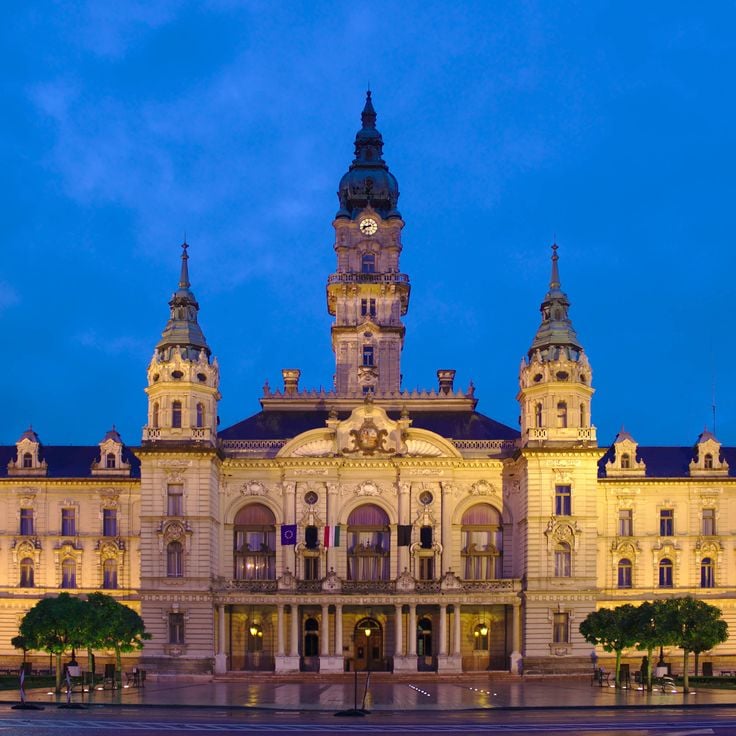
Győr sits where the Danube meets the Raba and Rabca rivers, shaped by centuries of different peoples: Celts, Romans, Hungarians, Mongols, Czechs, and Ottomans all left their mark. The old town on Kaptalan Hill is filled with statues and ancient buildings that show this layered history. The Church of Saint Ignatius of Loyola is a richly decorated Benedictine cathedral that stands as a center of religious life.
Debrecen serves as the cultural and intellectual center of eastern Hungary. The city is home to the Reformed College, founded in 1538, which became the University of Debrecen. The annual Bela Bartok international choral competition and the flower carnival draw visitors from across the region. The Great Reformed Church and the Deri Museum display the area's history and art.
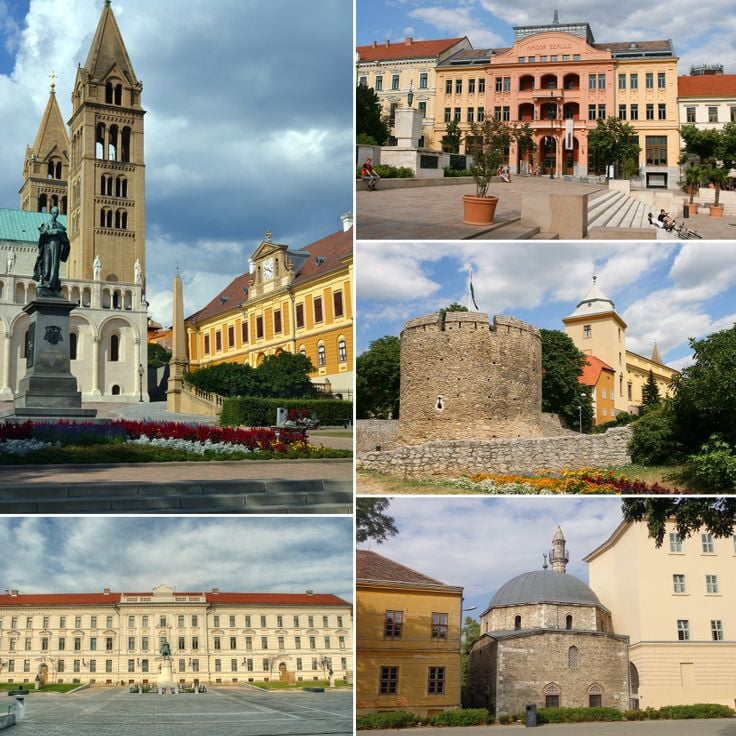
Pécs is a city in southern Hungary with a history spanning centuries. It became home to Hungary's first university in 1367 and draws visitors with its medieval buildings, mild climate, and local wines. Different cultures have left their mark here: the Pécs Cathedral, the Synagogue, and the Mosque of Pascha Gazzi Kassim show the religious diversity of the city. UNESCO has recognized Pécs as a City of Peace, reflecting its role as a place of tolerance and coexistence.
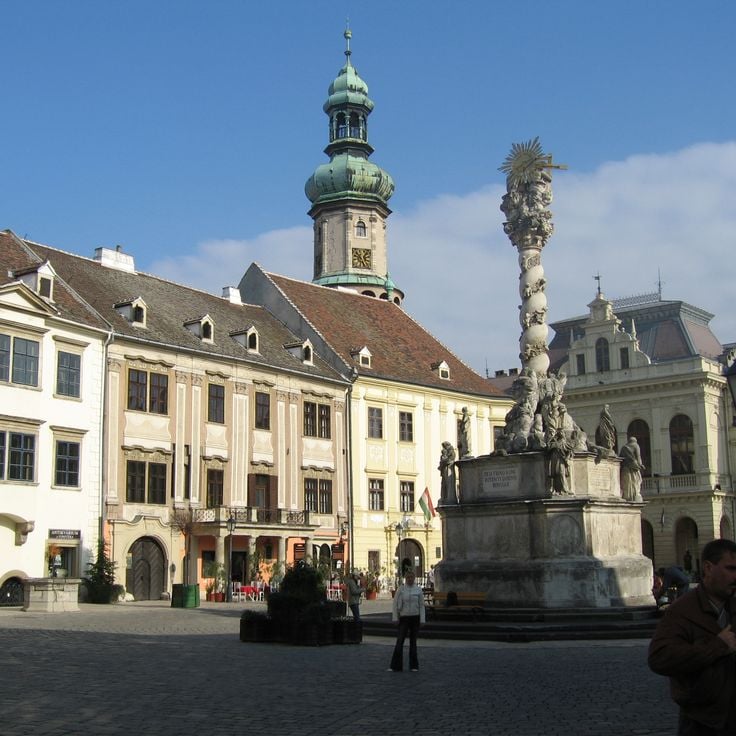
Sopron is an ancient city on the border with Austria, founded during Roman times. In 1921, its residents voted to remain part of Hungary, earning the town the name 'the most loyal city'. The Gate of Loyalty and the watchtower on the main square stand as reminders of this choice. Medieval buildings have survived despite damage from World War II. The region is known for wine production, especially red and white wines that have been cultivated here for centuries.
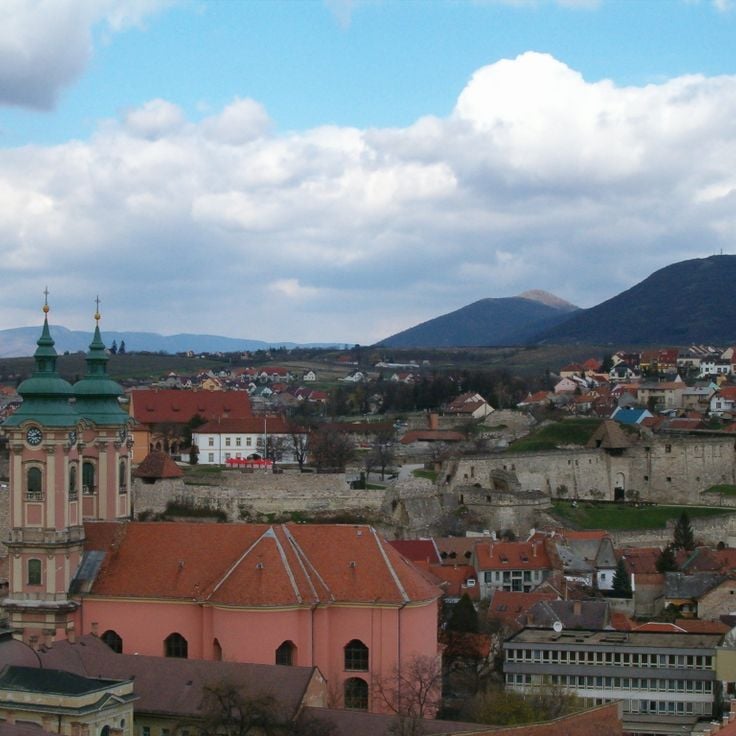
Eger is a city in northern Hungary with roots going back to the 10th century. The city is known for its Baroque architecture, visible in its buildings and public spaces. The castle and basilica are the main landmarks. The Valley of Women, with its wine cellars and restaurants built into the hillsides, shows how locals have used this area for generations. The Turkish Minaret, the northernmost minaret in Europe, can be reached by climbing 150 steps and offers views over the town.
Balatonfüred is a historic waterfront town on the northern shore of Lake Balaton. The town draws visitors with its vineyards, harbor, and range of water sports. Ferries depart from here to other shores of the lake. The historical promenade and 19th-century villas shape the character of this traditional destination.
Fonyód is a lakeside resort on Lake Balaton with beaches and ferry terminals heading to Badacsony. From this location, visitors can enjoy water activities and reach the nearby wine regions. The town connects everyday lake life with easy access to the vineyards in the surrounding area.
Festetics Castle stands on the northern shore of Lake Balaton and shows how Hungarian nobility built their homes during the Baroque period. The building combines living spaces with gardens and areas for leisure. Visitors can see how the Hungarian gentry lived and used their estates. The castle sits in a region shaped by vineyards and farming.
Szeged sits along the Tisza River and reveals a different side of Hungary than Budapest. The city stands out for its Art Nouveau buildings from the late 1800s. The Church of the Vow with its two towers shapes the city's profile and offers views over Szeged and the river. Each summer, an open-air theater festival takes place here, where visitors watch performances under the stars. Szeged shows how a city keeps its past alive while staying dynamic.
Ópusztaszer National Heritage Park is an open-air museum that tells the story of Hungarian history. Visitors can see traditional crafts, learn how people lived in earlier times, and view the famous Feszty Panorama, a large circular painting showing the arrival of Hungarians. The park recreates everyday life with buildings, workshops and animals from the past. It is a place to understand Hungarian roots and the importance of this history to the country.
Hortobágy National Park is a UNESCO World Heritage site set in Hungary's flat plains. The park preserves the Puszta landscape, a vast grassland where traditional shepherding has been practiced for centuries. Many bird species live here, including the rare Great Bustard. Visitors come to watch birds and to see how local herders continue their way of life on these open grasslands.
Bükk National Park sits in northern Hungary and is known for its cave systems and hiking trails. The park spreads across forested hills and offers opportunities to explore caves as well as views of the woodland landscape. Visitors can walk on various routes and discover the natural surroundings with their limestone formations.
The Pilis Mountains sit north of Budapest and offer day hikes through oak and beech forests. The mountain range features limestone outcrops and open viewpoints that reveal different perspectives of the surrounding landscape. These mountains fit into the picture of a different Hungary, where hikers explore nature and local traditions away from the capital.
The Mátra Mountains are a range in Hungary that includes Kékes, the country's highest peak. Hiking trails cross through dense forests of oak and beech trees and reveal views of the surrounding landscape. These mountains show how nature exists in Hungary beyond the cities, with green slopes that change with the seasons. People from the region come here to hike and experience the forest environment.
Lake Balaton is the largest freshwater lake in Central Europe and a popular destination for swimming, sailing, and beach activities. The surrounding towns like Balatonfüred and Tihany offer thermal baths, vineyards, and cultural events throughout the year. The lake is a hub of activity in this region, where locals and visitors gather to enjoy the water and explore the natural surroundings.
The Danube is a major river flowing through Hungary on its journey across Europe. This river offers many ways to explore the country: boat cruises along scenic banks, kayaking, and paddleboarding for those seeking water-based activities. Villages like Vác and Szentendre sit on the riverbanks and are easily reached by water, showing how people live along this important waterway. Within this collection about Hungary beyond Budapest, the Danube represents the natural passages and routes that connect the country's rural traditions and medieval heritage, revealing how the river shapes daily life and connects communities from season to season.
The Cuha Valley Via Ferrata winds through limestone cliffs and forests in the Bakony region, offering climbing routes for different skill levels. Metal rungs and cables guide climbers along the rock faces, with views of rolling countryside below. The routes reveal the geological layers of this ancient landscape, where steep sections alternate with easier passages. This climbing experience connects visitors directly to the natural structure of the Bakony hills.
Tata is a town in western Hungary where lakes and historic castles shape daily life. Tata Castle and the Old Lake are central to the town's character. Each year, the Water, Music and Flowers festival brings visitors for concerts and water-based events. This place shows a different side of Hungary, away from Budapest, where history and nature meet.
The Rám-szakadék Gorge cuts through the Pilis Mountains and offers walkers a winding path between steep rock walls. The route includes ladders and chains fixed to the cliffs for support. This hike reveals the natural side of Hungary that many visitors miss. The gorge is part of the mountain landscape where oak and beech forests cover the slopes and a stream has shaped the rocks over time.
Gödöllő is a town built around the Royal Palace, the favored residence of Empress Elisabeth of Austria, known as Sissi. The palace and its gardens reveal how the royal family lived in the 19th century. The town sits near Budapest and allows visitors to step into the history of the Austro-Hungarian Empire.
Visegrád sits on a bend in the Danube and is known for its medieval castle. The castle offers hiking through the surrounding area and views over the river and hills. The place shows how history is present at this section of the river. From here you can see the landscape that attracts many Hungarians who want to escape the bustle of the capital.
Esztergom is a town on a bend in the Danube River, about 45 kilometers northwest of Budapest. The town is home to Hungary's largest basilica, a massive structure that shaped the country's religious life for centuries. Visitors can look out from above to see the Danube and the surrounding landscape. The old town has medieval streets and historic buildings. Esztergom was once the seat of the Catholic Church in Hungary and remains an important pilgrimage site.
Szentendre is an artistic town with colorful streets and a vibrant gallery scene. The old town sits along the Danube with narrow lanes and painted buildings. The Hungarian Open-Air Museum shows traditional rural life through actual houses, farm buildings, and workshops brought from different regions of the country. Visitors see how people lived in the countryside long ago. Churches and chapels from the time when Serbian refugees settled here dot the town. Local crafts and products fill small shops in the streets.
Dobogókő is a popular hiking destination near Budapest where visitors come to walk through forests and reach viewpoints from its peak. The location holds spiritual significance for some people. The trails wind through oak and beech forests that characterize the Pilis Mountains. From the summit, you can see across the surrounding landscape.
The thermal lake at Heviz is one of the largest of its kind in the world. Warm, mineral-rich waters are surrounded by natural vegetation and attract visitors seeking relaxation. People come to float in the pools and experience what locals believe are the healing properties of the water. The setting feels removed from busy urban areas, with greenery all around.
Tihany is a peninsula that juts into Lake Balaton. The abbey here was founded in 1055 and sits on a hilltop overlooking the water. In summer, lavender fields bloom across the landscape. People come to walk among the flowers and explore the old buildings. When you arrive, the church appears first. Paths lead through the hills behind it.
Lake Tisza is a large reservoir in Hungary created by damming the Tisza River. You can enjoy water sports, watch birds, and take boat tours here. The lake sits near Hortobágy National Park and offers a different side of Hungary away from Budapest. Reeds and wetlands line the shores, providing habitat for many bird species.
The Aggtelek Stalactite Cave sits within the national park of the same name and is part of a UNESCO World Heritage site. The Baradla Cave features stalactites and stalagmites that have formed over thousands of years. The limestone reveals different geological layers that tell the story of Earth's development. Visitors walk through underground passages and see subterranean lakes. The cave is part of a larger cave system that extends across the border into Slovakia.
The cave baths at Miskolctapolca use natural hot springs fed by mineral-rich waters beneath the earth. Inside limestone caverns, swimmers float in heated pools surrounded by rock walls that glow softly. The water temperature stays warm year-round, drawn from deep underground sources. This place combines geology with practical bathing facilities. Visitors come to experience thermal waters in a setting that feels separate from the ordinary world, sheltered by stone and shaped by nature over countless years.
Badacsony is a wine region on Lake Balaton, known for white wines grown in volcanic soil. Vineyards cover the hillsides, and walking paths run through the area. Visitors can tour wineries, taste local wines, and enjoy views of the lake. The region attracts people interested in wine and nature.
Siófok is a beach resort on the southern shore of Lake Balaton. The town attracts visitors who come to swim, sunbathe, and try water sports on the sandy beaches. At night, the town comes alive with music, clubs, and bars where people gather. Throughout the summer, Siófok hosts music festivals and beach parties that draw crowds. During the day, the atmosphere is more relaxed, with cafes and restaurants where you can sit and enjoy views of the lake.
The Tokaj Wine Region is a wine-producing area in northeastern Hungary that has been famous for its sweet Tokaji wines for centuries. The region is recognized as a UNESCO World Heritage site. Visitors can tour vineyards, explore historic wine cellars, and taste local wines. The landscape features rolling hills and traditional estates that have preserved winemaking traditions across generations.
The Danube Bend is a region where the Danube River curves dramatically through the landscape. Here you will find historical sites, natural scenery, and cultural attractions in the cities of Esztergom, Visegrád, and Szentendre. This area shows how nature and history meet in Hungary, with riverbanks, ancient castles, and villages that have stood for centuries.
Győr sits where the Danube meets the Raba and Rabca rivers, shaped by centuries of different peoples: Celts, Romans, Hungarians, Mongols, Czechs, and Ottomans all left their mark. The old town on Kaptalan Hill is filled with statues and ancient buildings that show this layered history. The Church of Saint Ignatius of Loyola is a richly decorated Benedictine cathedral that stands as a center of religious life.
Debrecen serves as the cultural and intellectual center of eastern Hungary. The city is home to the Reformed College, founded in 1538, which became the University of Debrecen. The annual Bela Bartok international choral competition and the flower carnival draw visitors from across the region. The Great Reformed Church and the Deri Museum display the area's history and art.
Pécs is a city in southern Hungary with a history spanning centuries. It became home to Hungary's first university in 1367 and draws visitors with its medieval buildings, mild climate, and local wines. Different cultures have left their mark here: the Pécs Cathedral, the Synagogue, and the Mosque of Pascha Gazzi Kassim show the religious diversity of the city. UNESCO has recognized Pécs as a City of Peace, reflecting its role as a place of tolerance and coexistence.
Sopron is an ancient city on the border with Austria, founded during Roman times. In 1921, its residents voted to remain part of Hungary, earning the town the name 'the most loyal city'. The Gate of Loyalty and the watchtower on the main square stand as reminders of this choice. Medieval buildings have survived despite damage from World War II. The region is known for wine production, especially red and white wines that have been cultivated here for centuries.
Eger is a city in northern Hungary with roots going back to the 10th century. The city is known for its Baroque architecture, visible in its buildings and public spaces. The castle and basilica are the main landmarks. The Valley of Women, with its wine cellars and restaurants built into the hillsides, shows how locals have used this area for generations. The Turkish Minaret, the northernmost minaret in Europe, can be reached by climbing 150 steps and offers views over the town.
Balatonfüred is a historic waterfront town on the northern shore of Lake Balaton. The town draws visitors with its vineyards, harbor, and range of water sports. Ferries depart from here to other shores of the lake. The historical promenade and 19th-century villas shape the character of this traditional destination.
Fonyód is a lakeside resort on Lake Balaton with beaches and ferry terminals heading to Badacsony. From this location, visitors can enjoy water activities and reach the nearby wine regions. The town connects everyday lake life with easy access to the vineyards in the surrounding area.
Festetics Castle stands on the northern shore of Lake Balaton and shows how Hungarian nobility built their homes during the Baroque period. The building combines living spaces with gardens and areas for leisure. Visitors can see how the Hungarian gentry lived and used their estates. The castle sits in a region shaped by vineyards and farming.
Szeged sits along the Tisza River and reveals a different side of Hungary than Budapest. The city stands out for its Art Nouveau buildings from the late 1800s. The Church of the Vow with its two towers shapes the city's profile and offers views over Szeged and the river. Each summer, an open-air theater festival takes place here, where visitors watch performances under the stars. Szeged shows how a city keeps its past alive while staying dynamic.
Ópusztaszer National Heritage Park is an open-air museum that tells the story of Hungarian history. Visitors can see traditional crafts, learn how people lived in earlier times, and view the famous Feszty Panorama, a large circular painting showing the arrival of Hungarians. The park recreates everyday life with buildings, workshops and animals from the past. It is a place to understand Hungarian roots and the importance of this history to the country.
Hortobágy National Park is a UNESCO World Heritage site set in Hungary's flat plains. The park preserves the Puszta landscape, a vast grassland where traditional shepherding has been practiced for centuries. Many bird species live here, including the rare Great Bustard. Visitors come to watch birds and to see how local herders continue their way of life on these open grasslands.
Bükk National Park sits in northern Hungary and is known for its cave systems and hiking trails. The park spreads across forested hills and offers opportunities to explore caves as well as views of the woodland landscape. Visitors can walk on various routes and discover the natural surroundings with their limestone formations.
The Pilis Mountains sit north of Budapest and offer day hikes through oak and beech forests. The mountain range features limestone outcrops and open viewpoints that reveal different perspectives of the surrounding landscape. These mountains fit into the picture of a different Hungary, where hikers explore nature and local traditions away from the capital.
The Mátra Mountains are a range in Hungary that includes Kékes, the country's highest peak. Hiking trails cross through dense forests of oak and beech trees and reveal views of the surrounding landscape. These mountains show how nature exists in Hungary beyond the cities, with green slopes that change with the seasons. People from the region come here to hike and experience the forest environment.
Lake Balaton is the largest freshwater lake in Central Europe and a popular destination for swimming, sailing, and beach activities. The surrounding towns like Balatonfüred and Tihany offer thermal baths, vineyards, and cultural events throughout the year. The lake is a hub of activity in this region, where locals and visitors gather to enjoy the water and explore the natural surroundings.
The Danube is a major river flowing through Hungary on its journey across Europe. This river offers many ways to explore the country: boat cruises along scenic banks, kayaking, and paddleboarding for those seeking water-based activities. Villages like Vác and Szentendre sit on the riverbanks and are easily reached by water, showing how people live along this important waterway. Within this collection about Hungary beyond Budapest, the Danube represents the natural passages and routes that connect the country's rural traditions and medieval heritage, revealing how the river shapes daily life and connects communities from season to season.
The Cuha Valley Via Ferrata winds through limestone cliffs and forests in the Bakony region, offering climbing routes for different skill levels. Metal rungs and cables guide climbers along the rock faces, with views of rolling countryside below. The routes reveal the geological layers of this ancient landscape, where steep sections alternate with easier passages. This climbing experience connects visitors directly to the natural structure of the Bakony hills.
Tata is a town in western Hungary where lakes and historic castles shape daily life. Tata Castle and the Old Lake are central to the town's character. Each year, the Water, Music and Flowers festival brings visitors for concerts and water-based events. This place shows a different side of Hungary, away from Budapest, where history and nature meet.
The Rám-szakadék Gorge cuts through the Pilis Mountains and offers walkers a winding path between steep rock walls. The route includes ladders and chains fixed to the cliffs for support. This hike reveals the natural side of Hungary that many visitors miss. The gorge is part of the mountain landscape where oak and beech forests cover the slopes and a stream has shaped the rocks over time.
Gödöllő is a town built around the Royal Palace, the favored residence of Empress Elisabeth of Austria, known as Sissi. The palace and its gardens reveal how the royal family lived in the 19th century. The town sits near Budapest and allows visitors to step into the history of the Austro-Hungarian Empire.
Visegrád sits on a bend in the Danube and is known for its medieval castle. The castle offers hiking through the surrounding area and views over the river and hills. The place shows how history is present at this section of the river. From here you can see the landscape that attracts many Hungarians who want to escape the bustle of the capital.
Esztergom is a town on a bend in the Danube River, about 45 kilometers northwest of Budapest. The town is home to Hungary's largest basilica, a massive structure that shaped the country's religious life for centuries. Visitors can look out from above to see the Danube and the surrounding landscape. The old town has medieval streets and historic buildings. Esztergom was once the seat of the Catholic Church in Hungary and remains an important pilgrimage site.
Szentendre is an artistic town with colorful streets and a vibrant gallery scene. The old town sits along the Danube with narrow lanes and painted buildings. The Hungarian Open-Air Museum shows traditional rural life through actual houses, farm buildings, and workshops brought from different regions of the country. Visitors see how people lived in the countryside long ago. Churches and chapels from the time when Serbian refugees settled here dot the town. Local crafts and products fill small shops in the streets.
Dobogókő is a popular hiking destination near Budapest where visitors come to walk through forests and reach viewpoints from its peak. The location holds spiritual significance for some people. The trails wind through oak and beech forests that characterize the Pilis Mountains. From the summit, you can see across the surrounding landscape.
The thermal lake at Heviz is one of the largest of its kind in the world. Warm, mineral-rich waters are surrounded by natural vegetation and attract visitors seeking relaxation. People come to float in the pools and experience what locals believe are the healing properties of the water. The setting feels removed from busy urban areas, with greenery all around.
Tihany is a peninsula that juts into Lake Balaton. The abbey here was founded in 1055 and sits on a hilltop overlooking the water. In summer, lavender fields bloom across the landscape. People come to walk among the flowers and explore the old buildings. When you arrive, the church appears first. Paths lead through the hills behind it.
Lake Tisza is a large reservoir in Hungary created by damming the Tisza River. You can enjoy water sports, watch birds, and take boat tours here. The lake sits near Hortobágy National Park and offers a different side of Hungary away from Budapest. Reeds and wetlands line the shores, providing habitat for many bird species.
The Aggtelek Stalactite Cave sits within the national park of the same name and is part of a UNESCO World Heritage site. The Baradla Cave features stalactites and stalagmites that have formed over thousands of years. The limestone reveals different geological layers that tell the story of Earth's development. Visitors walk through underground passages and see subterranean lakes. The cave is part of a larger cave system that extends across the border into Slovakia.
The cave baths at Miskolctapolca use natural hot springs fed by mineral-rich waters beneath the earth. Inside limestone caverns, swimmers float in heated pools surrounded by rock walls that glow softly. The water temperature stays warm year-round, drawn from deep underground sources. This place combines geology with practical bathing facilities. Visitors come to experience thermal waters in a setting that feels separate from the ordinary world, sheltered by stone and shaped by nature over countless years.
Badacsony is a wine region on Lake Balaton, known for white wines grown in volcanic soil. Vineyards cover the hillsides, and walking paths run through the area. Visitors can tour wineries, taste local wines, and enjoy views of the lake. The region attracts people interested in wine and nature.
Siófok is a beach resort on the southern shore of Lake Balaton. The town attracts visitors who come to swim, sunbathe, and try water sports on the sandy beaches. At night, the town comes alive with music, clubs, and bars where people gather. Throughout the summer, Siófok hosts music festivals and beach parties that draw crowds. During the day, the atmosphere is more relaxed, with cafes and restaurants where you can sit and enjoy views of the lake.
The Tokaj Wine Region is a wine-producing area in northeastern Hungary that has been famous for its sweet Tokaji wines for centuries. The region is recognized as a UNESCO World Heritage site. Visitors can tour vineyards, explore historic wine cellars, and taste local wines. The landscape features rolling hills and traditional estates that have preserved winemaking traditions across generations.
The Danube Bend is a region where the Danube River curves dramatically through the landscape. Here you will find historical sites, natural scenery, and cultural attractions in the cities of Esztergom, Visegrád, and Szentendre. This area shows how nature and history meet in Hungary, with riverbanks, ancient castles, and villages that have stood for centuries.
Győr sits where the Danube meets the Raba and Rabca rivers, shaped by centuries of different peoples: Celts, Romans, Hungarians, Mongols, Czechs, and Ottomans all left their mark. The old town on Kaptalan Hill is filled with statues and ancient buildings that show this layered history. The Church of Saint Ignatius of Loyola is a richly decorated Benedictine cathedral that stands as a center of religious life.
Debrecen serves as the cultural and intellectual center of eastern Hungary. The city is home to the Reformed College, founded in 1538, which became the University of Debrecen. The annual Bela Bartok international choral competition and the flower carnival draw visitors from across the region. The Great Reformed Church and the Deri Museum display the area's history and art.
Pécs is a city in southern Hungary with a history spanning centuries. It became home to Hungary's first university in 1367 and draws visitors with its medieval buildings, mild climate, and local wines. Different cultures have left their mark here: the Pécs Cathedral, the Synagogue, and the Mosque of Pascha Gazzi Kassim show the religious diversity of the city. UNESCO has recognized Pécs as a City of Peace, reflecting its role as a place of tolerance and coexistence.
Sopron is an ancient city on the border with Austria, founded during Roman times. In 1921, its residents voted to remain part of Hungary, earning the town the name 'the most loyal city'. The Gate of Loyalty and the watchtower on the main square stand as reminders of this choice. Medieval buildings have survived despite damage from World War II. The region is known for wine production, especially red and white wines that have been cultivated here for centuries.
Eger is a city in northern Hungary with roots going back to the 10th century. The city is known for its Baroque architecture, visible in its buildings and public spaces. The castle and basilica are the main landmarks. The Valley of Women, with its wine cellars and restaurants built into the hillsides, shows how locals have used this area for generations. The Turkish Minaret, the northernmost minaret in Europe, can be reached by climbing 150 steps and offers views over the town.
Balatonfüred is a historic waterfront town on the northern shore of Lake Balaton. The town draws visitors with its vineyards, harbor, and range of water sports. Ferries depart from here to other shores of the lake. The historical promenade and 19th-century villas shape the character of this traditional destination.
Fonyód is a lakeside resort on Lake Balaton with beaches and ferry terminals heading to Badacsony. From this location, visitors can enjoy water activities and reach the nearby wine regions. The town connects everyday lake life with easy access to the vineyards in the surrounding area.
Festetics Castle stands on the northern shore of Lake Balaton and shows how Hungarian nobility built their homes during the Baroque period. The building combines living spaces with gardens and areas for leisure. Visitors can see how the Hungarian gentry lived and used their estates. The castle sits in a region shaped by vineyards and farming.