Hortobágy National Park, National park in Hajdú-Bihar County, Hungary
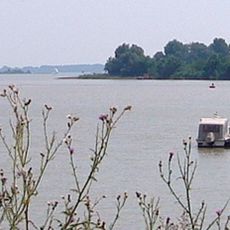
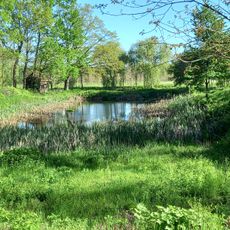
Hortobágy National Park is a protected area in the eastern Great Hungarian Plain that includes grasslands, wetlands, and marshes. The area stretches across wide open expanses with few trees, crossed by shallow watercourses and seasonal ponds.
The area was declared Hungary's first national park in 1973 and has since protected a landscape shaped by centuries of grazing. UNESCO added the site to its World Heritage list in 1999 to recognize its importance as a cultural landscape.
The name comes from the Hortobágy River, which flows through the wide plains and has shaped the life of herders for centuries. Riders in traditional dress sometimes demonstrate their horses and show old techniques still used to manage the herds.
The terrain is flat and suitable for walking or cycling, though distances between sights can be considerable. Water and sun protection are advisable, as there is little shade and weather can change quickly.
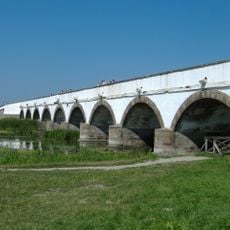
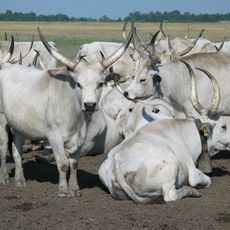
The Nine-holed Bridge, a white-painted stone structure with nine visible arches, carries the road across the Hortobágy River and is the park's best-known landmark. The park also holds a herd of about 25 Przewalski's horses and a breeding centre for Taurus cattle, an attempt to recreate the extinct aurochs.
The community of curious travelers
AroundUs brings together thousands of curated places, local tips, and hidden gems, enriched daily by 94,669 contributors worldwide.