Debrecen, Historic cultural center in Eastern Hungary.
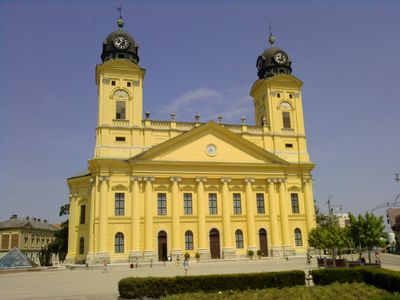
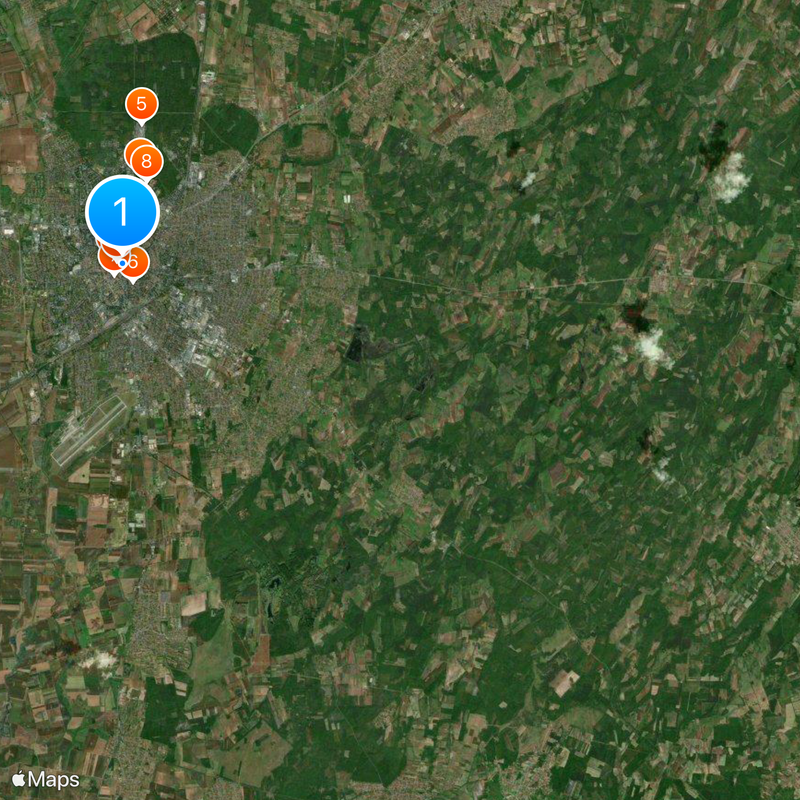
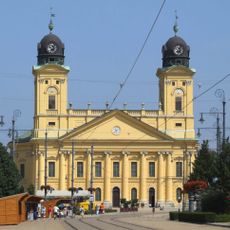
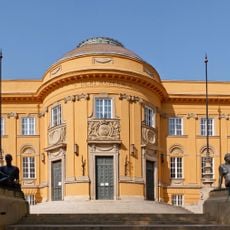
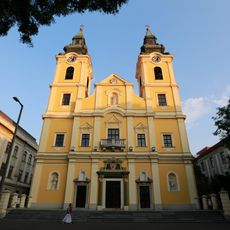
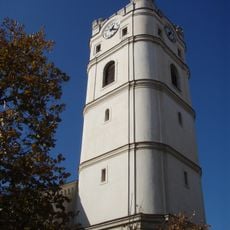
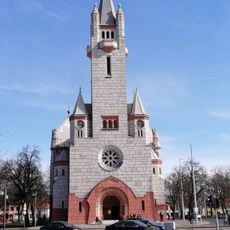
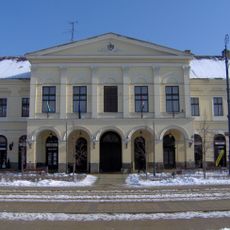
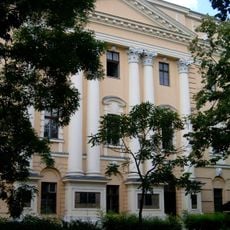
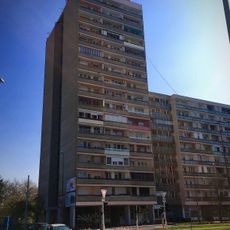
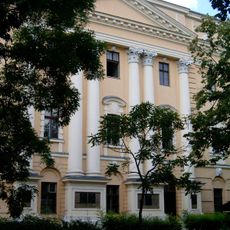
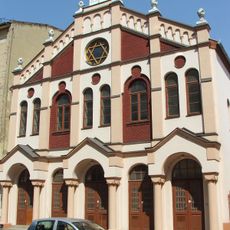
Debrecen lies in the Northern Great Plain region and shows broad boulevards, classical building fronts and the Reformed Great Church in the city center. Around the place of worship stretch pedestrian zones with cafés and shops between historic facades.
The settlement served twice as provisional capital of Hungary during the uprising from 1848 to 1849 and at the end of World War Two. This role brought forth political decisions that shape the country to this day.
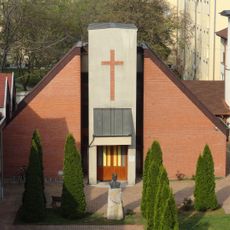
The name comes from the Slavic personal name Dobrica and marks the deep Reformed tradition of the settlement. Residents often call it the Calvinist Rome because of the prominent church silhouette and the religious schools.
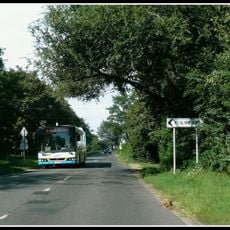
Parking can be found at the city edge and in underground garages beneath the central squares, while the core remains largely reserved for pedestrians. Trams connect the main railway stations with the center and the residential districts around it.
Every August the Flower Carnival transforms the streets with elaborate floral compositions on rolling floats and living tableaus. Thousands of spectators line the boulevards then to watch the botanical artworks in motion.
The community of curious travelers
AroundUs brings together thousands of curated places, local tips, and hidden gems, enriched daily by 91,812 contributors worldwide.