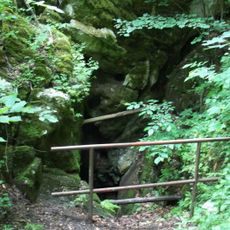
Balla Cave, Inactive spring cave in Répáshuta, Hungary
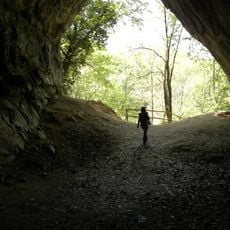
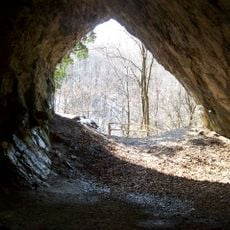
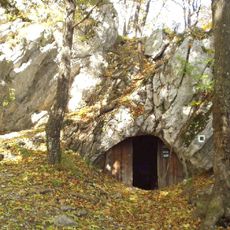
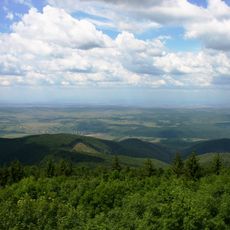
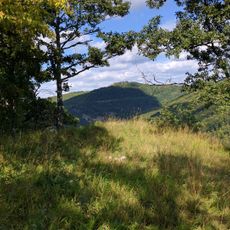
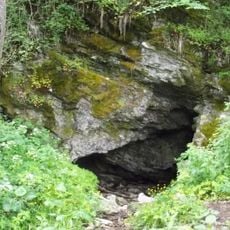
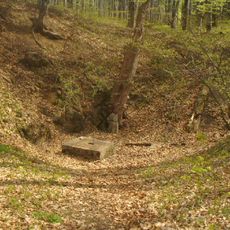
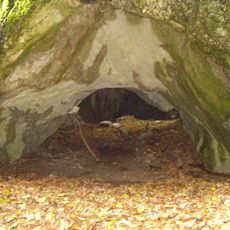
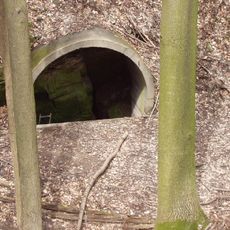
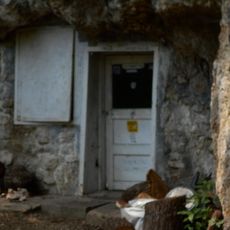
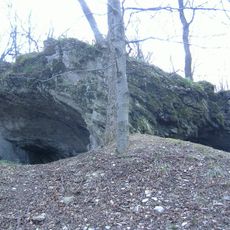
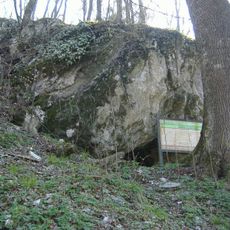
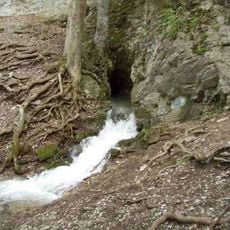
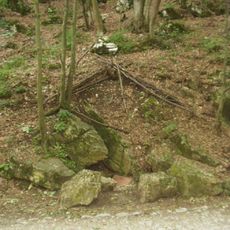
Balla Cave is an inactive spring cave in Triassic limestone on the slope of Balla-bérc, at 565 m above sea level, 400 m southeast of Répáshuta's centre. Its large horizontal main entrance opens into a single hall 54 m long, about 6 m high and 8–10 m wide. The cave has four entrances, and a panel above the valley presents the cave and its finds.
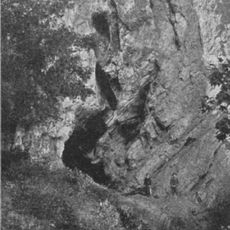
Jenő Hillebrand began excavating the cave in 1909 and found the bones of a child about one and a half years old during a test pit; Mihály Lenhossék examined them. Hillebrand, Ottokár Kadić and Tivadar Kormos continued in 1910, and Hillebrand with Kormos finished the work in 1913. The upper Holocene layers yielded Neolithic and Bronze Age finds, while deeper layers held tools of the early Szeleta and Bábony cultures.
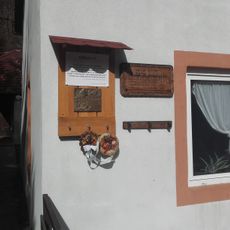
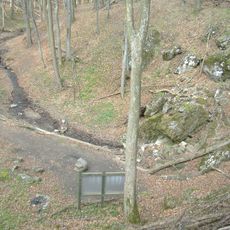
The cave's name appears in literature from 1911, also recorded as Balla barlang, Ballabérci 1. barlang and Balla-bérci Balla-barlang. A board above the valley presents the cave and its finds. Excavations by Jenő Hillebrand, Ottokár Kadić and Tivadar Kormos yielded Neolithic and Bronze Age material from the upper layers.
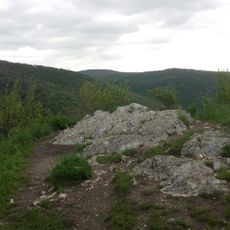
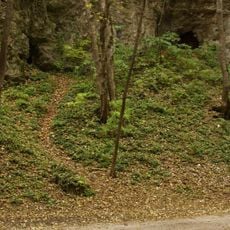
The cave lies on the slope of Balla-bérc, about 400 metres southeast of Répáshuta's centre and 53 metres above the valley, at 565 metres above sea level. It is freely accessible and has four entrances, but a lamp is needed to see inside. The hall is 54 metres long, about six metres high and 8–10 metres wide.
In 1934 János Dancza measured the cave's air at about –4 °C in February, colder than the –5 °C outside at ground level but warmer than the surface at two metres up. The cave lies 53 metres above the valley, where a board presents the finds.
The community of curious travelers
AroundUs brings together thousands of curated places, local tips, and hidden gems, enriched daily by 92,727 contributors worldwide.