Hajnóczy Cave, Protected cave in Cserépfalu, Hungary
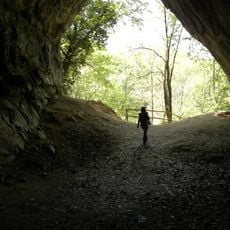
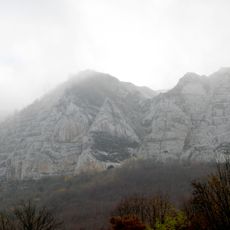
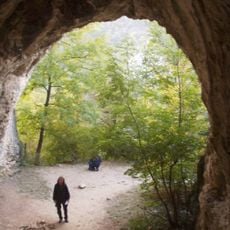
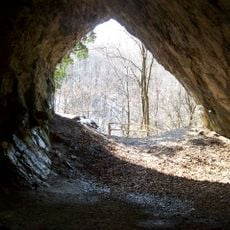
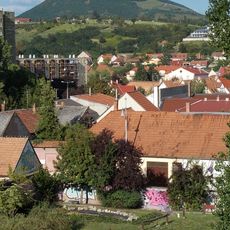
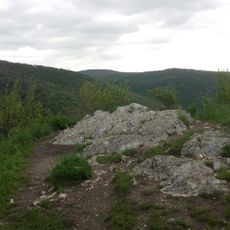
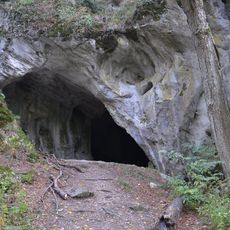
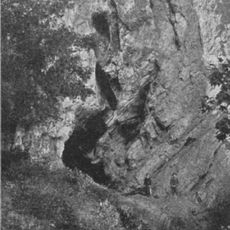
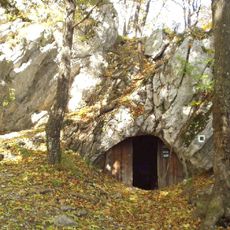
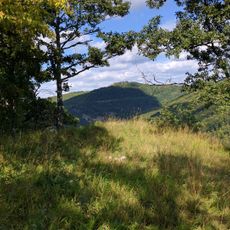
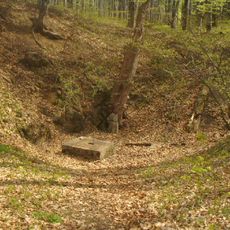
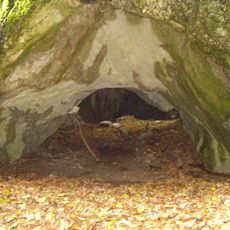
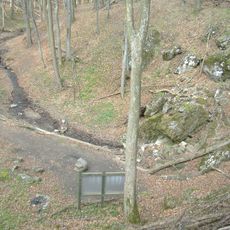
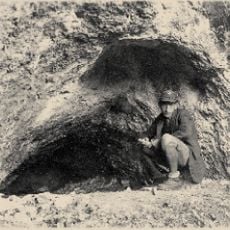
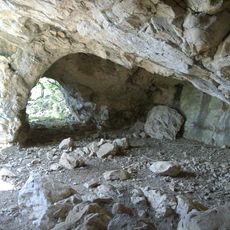
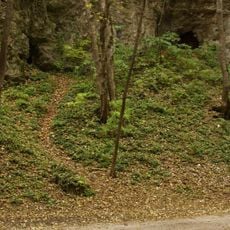
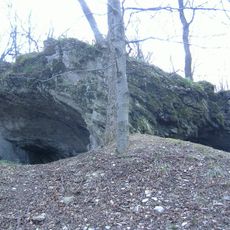
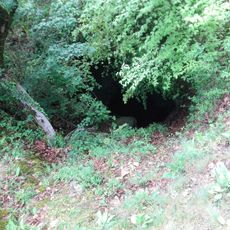
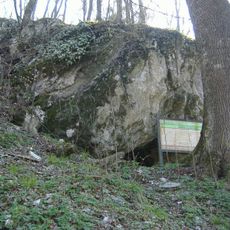
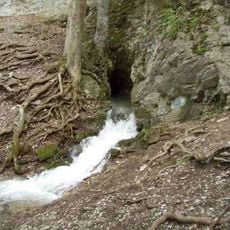
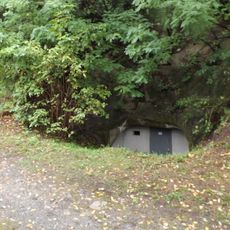
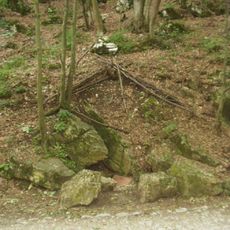
Hajnóczy Cave is a protected limestone cave in Cserépfalu with an underground network that extends across considerable distances and contains multiple chambers. The site sits within Bükk National Park on a rocky wooded slope.
In 1974 János Hír found remains of Ursus deningeri, an ancestor of the cave bear, in the cave. A palaeontological study led by László Kordos then yielded many vertebrate fossils, including the vole Mimomys savini, the extinct hamster Allocricetus éhiki and the ancient dormouse Glis sackdillingensis. The Mimomys pusillus vole was first recorded in the Bükk region here, in fill about 700,000 years old.
The cave is named after József Hajnóczy, but not directly: the Hajnóczy József Cave Research Group, named after the grammar school in Tiszaföldvár, explored and researched the cave and gave it his name. Inside, the Somogyi-terem honours György Somogyi, who died as he emerged from the entrance, and a memorial plaque stands in the Nagy-terem.
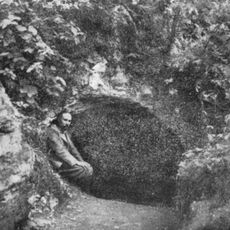
The cave can only be visited with a permit from the Bükk National Park Directorate and in the company of a research group. Technical equipment is needed to get through the passages, and ladders placed in the corridors make the visit easier. The entrance lies 140 metres southwest of the Odorvár summit, on the steep southern slope among rock walls and trees.
The cave's passages are named after people and things: the Böhm chimney honours Vilmos Böhm, the Latinka Sándor chimney Latinka Sándor, and the Hufi shaft Hufnágel Pisti, a character in the Hungarian cartoon series Mézga család. The Somogyi hall at the entrance commemorates György Somogyi, who died on leaving the cave; a memorial plaque stands in the Nagy-terem.
The community of curious travelers
AroundUs brings together thousands of curated places, local tips, and hidden gems, enriched daily by 93,393 contributors worldwide.