Istállós-kői Cave, Prehistoric cave in Szilvásvárad, Hungary
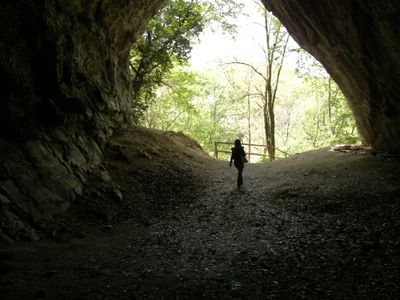
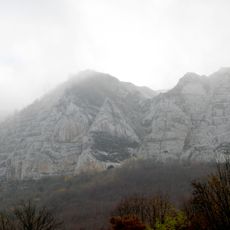
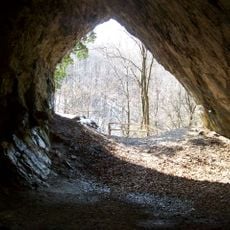
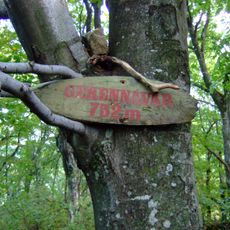
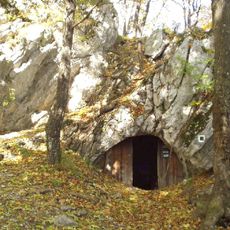
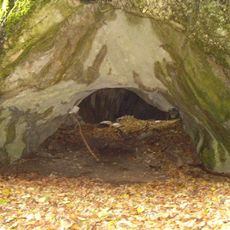
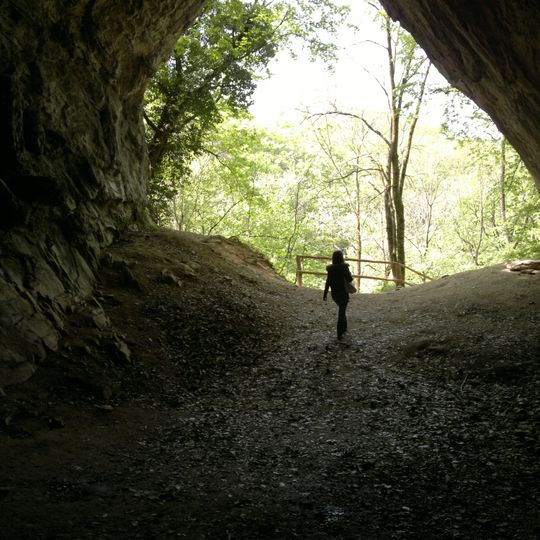
Istállós-kői is a cave located at 609 meters elevation on the side of the Bükk Mountains, with a large triangular entrance formed along a geological fault line. The interior extends into the mountain and displays typical karst structures with sediment layers that document thousands of years of human activity.
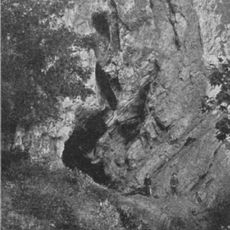
Archaeological excavations in 1912 revealed stone tools, ceramic fragments, and remains of prehistoric animals such as cave bears, woolly mammoths, and cave lions. These findings show that the cave was inhabited during different time periods and that human cultures sought shelter there over vast spans of time.
The cave served as a sacrificial site in ancient times and later functioned as a stable for animals, which reveals how people adapted the space for different needs. This dual purpose shaped how the local community understood and used the surrounding landscape.
Visitors reach the cave through a steep serpentine footpath starting near the Szalajka spring from Gloriette clearing. The hike requires moderate physical fitness due to the elevation gain and uneven terrain along the way.
The site contains evidence of the earliest known use of bow technology in the world, demonstrated by small bone arrowheads dating back approximately 40,000 years. These discoveries challenge some of our assumptions about technological development in the Stone Age.
The community of curious travelers
AroundUs brings together thousands of curated places, local tips, and hidden gems, enriched daily by 91,493 contributors worldwide.