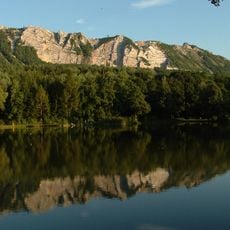
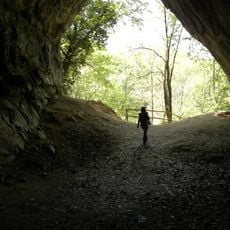
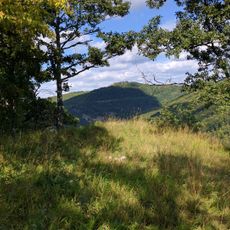
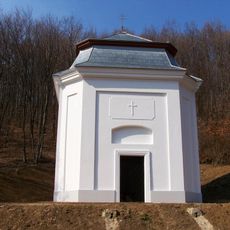
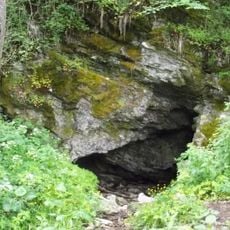
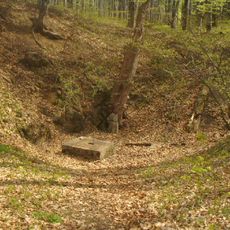
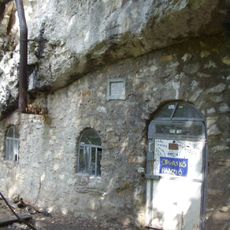
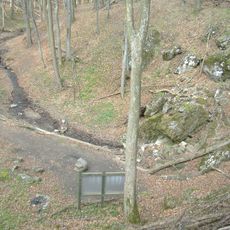
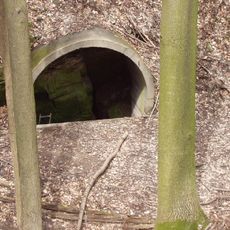
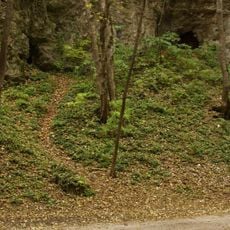
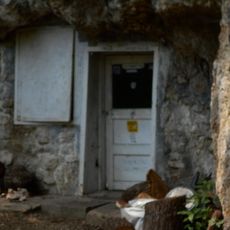
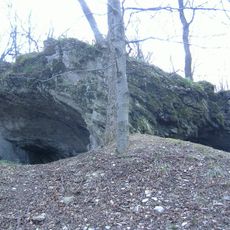
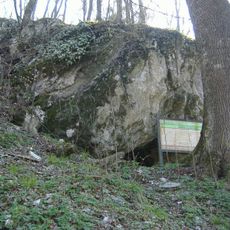
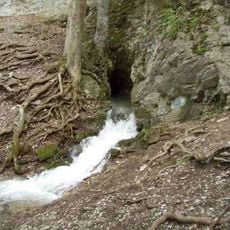
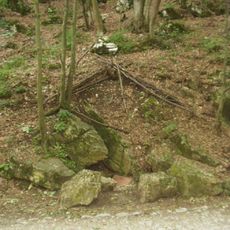
Körös Cave, Cave in Szilvásvárad, Hungary.
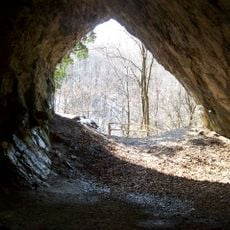
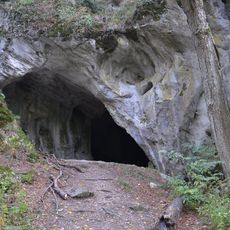
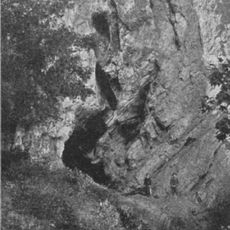
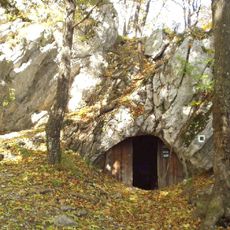
Körös Cave is a limestone cave in Szilvásvárad that extends roughly 42 meters in length with mineral deposits visible on its walls. The interior displays varied rock colors and structures created by water seepage and erosion over time.
The cave served as habitat for various animal species thousands of years ago and still preserves traces of these early inhabitants. During the 19th century, scholars documented the fossils and sediment layers that offer insights into prehistoric periods.
The cave takes its name from the Körös-bérc ridge above it, not from any stream; it was first called Körös-barlang in the literature in 1976. Earlier names recorded in the sources include Köröskő lyuk, Nyáj-barlang and Köris kürtő barlang. Fényes Elek, who described it in 1851, noted that 300 pigs could easily fit inside.
The cave maintains a steady temperature year-round, making it accessible regardless of the season. Sturdy footwear with good grip is important since the ground is uneven and can be damp in places.
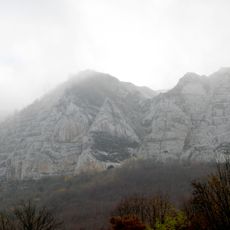
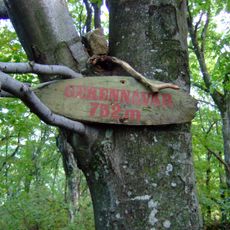
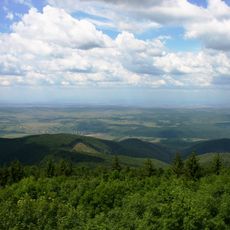
At 932 metres, Körös Cave is Hungary's highest-lying cave, but it is not an alpine site: it opens on the southern side of the Körös-bérc in the Bükk range, in the Bükk National Park. It is a fossil, inactive spring cave formed in Middle and Upper Triassic limestone, lying only 2 to 6 metres below the surface.
The community of curious travelers
AroundUs brings together thousands of curated places, local tips, and hidden gems, enriched daily by 94,368 contributors worldwide.