Istállós-kő, Mountain peak in Heves County, Hungary
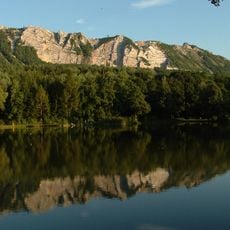
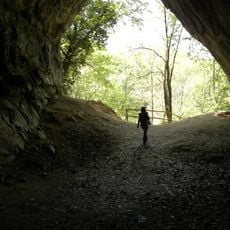
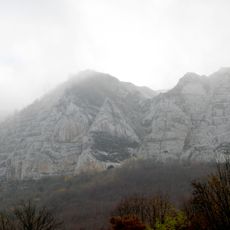
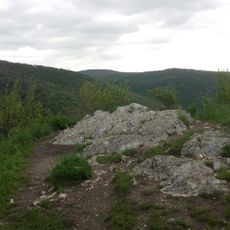
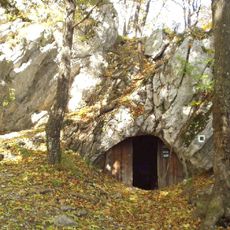
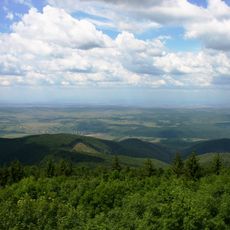
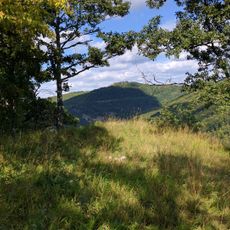
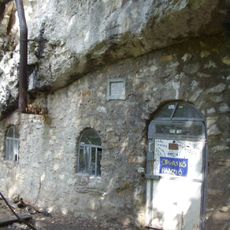
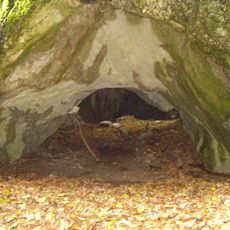
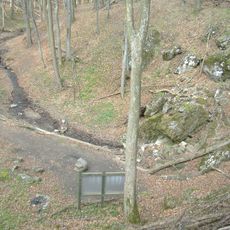
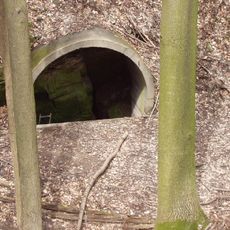
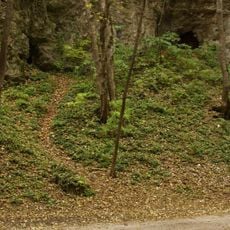
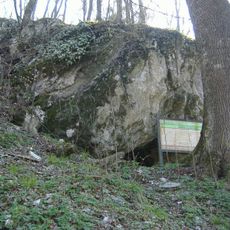
Istállós-kő is a mountain on the southwestern rim of the Bükk Plateau in Heves County, Hungary, rising to 958.1 metres. It is the third highest point of the Bükk region and the seventh highest peak in Hungary, behind the Mátra summits and Szilvási-kő. A few hundred metres of railed footpath lead up from Szilvásvárad to the Istállós-kő cave in its flank.
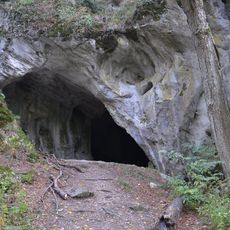
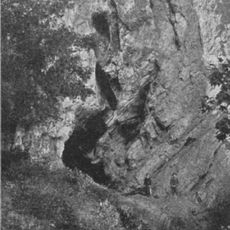
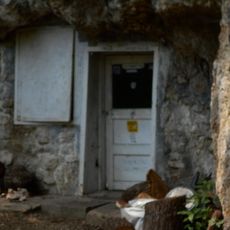
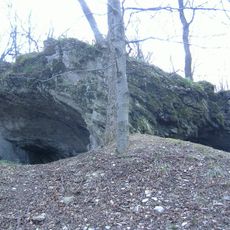
The cave in the mountain was first explored by Pál Roskó in 1911, and its finds are 30,000–40,000 years old. Ottokár Kadić excavated in 1929 and Mária Mottl in 1938; from 1947 László Vértes led the planned excavation and identified three cultural layers. The cave became protected in 1944 and specially protected in 1982, and Árpád Ringer led new excavations from 2000.
The cave in the mountain, first explored by Pál Roskó in 1911, yielded a Paleolithic hearth and stone and bone tools now held in the Hungarian National Museum. Archaeologists identified three cultural layers from the 30,000–40,000-year-old finds, and the cave has been protected since 1944.
Marked trails reach the summit from different starting points, with the main route beginning near a parking area at Bükk National Park. Visitors should prepare for changing weather and exposed conditions since the elevation and exposed terrain affect conditions throughout the climb.
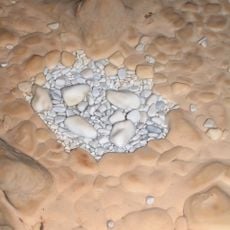
The cave in the mountain's flank, first explored by Pál Roskó in 1911, yielded 30,000–40,000-year-old finds, among them a Palaeolithic hearth now held in the Hungarian National Museum. Its Ice Age fauna of 66 species is the richest known from any Aurignacian site in Europe, and 3 new mammal and 20 new bird species were described from its microfauna.
The community of curious travelers
AroundUs brings together thousands of curated places, local tips, and hidden gems, enriched daily by 94,228 contributors worldwide.