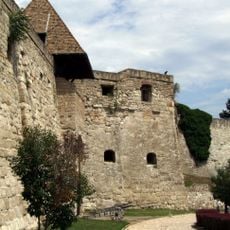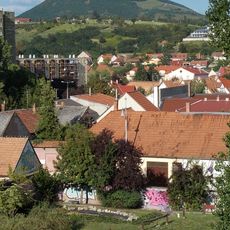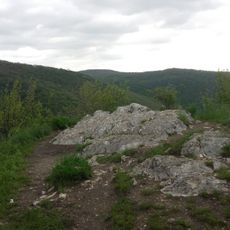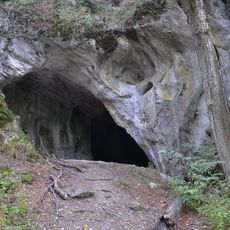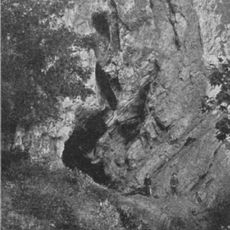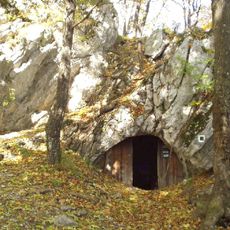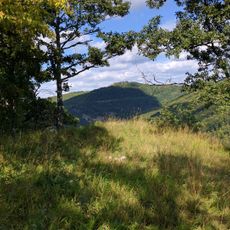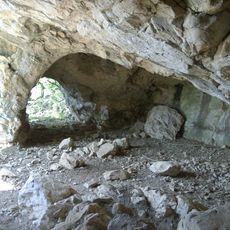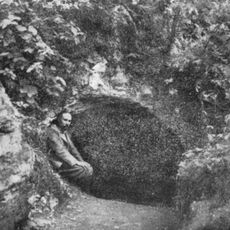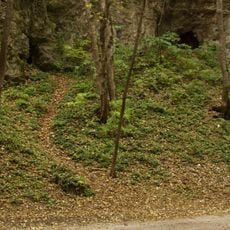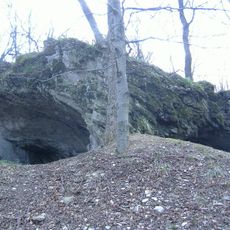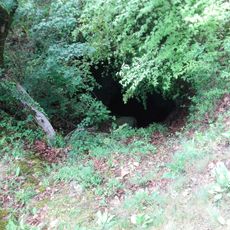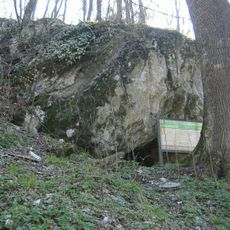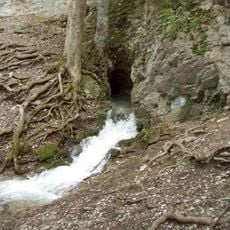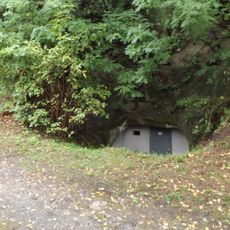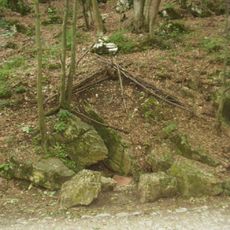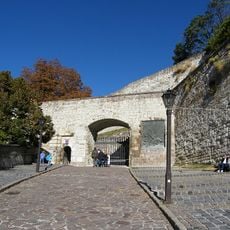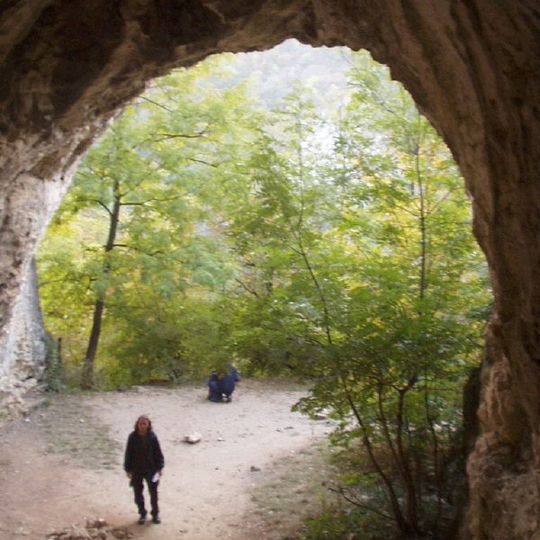
Suba Hole, Prehistoric cave in Cserépfalu, Hungary.
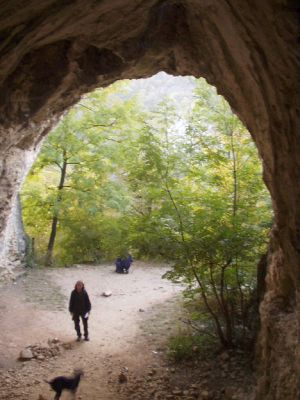
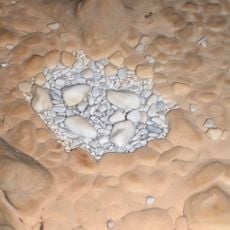
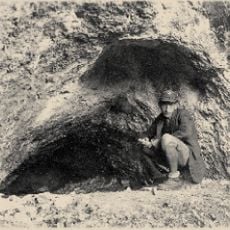
Suba Hole is a limestone cave in Cserépfalu that extends about 50 meters into the rock with a spacious entrance facing the Hór Valley. The interior displays distinct layers that reveal different periods of geological and human activity.
The cave is known for holding the oldest Neanderthal remains found in Hungary, dating to roughly 70,000 years ago. This discovery made the site a crucial window into early human life in the region.
The cave takes its name from Mihály Suba, a former resident of the area whose legacy is still remembered locally. This connection to past inhabitants shapes how people today relate to the site.
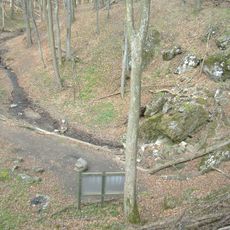
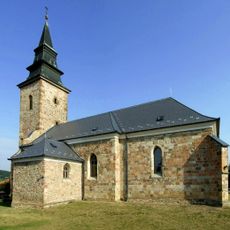
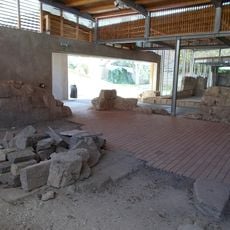
The entrance is accessed via a steep staircase with handrails, carefully designed to provide safe entry to the cave. Visitors can find detailed information at the nearby museum and visitor center dedicated to the site.
During World War II, local people temporarily called the cave Mussolini Cave, a nickname that has long faded from use today. This forgotten label shows how places acquire and shed names based on the events of their era.
The community of curious travelers
AroundUs brings together thousands of curated places, local tips, and hidden gems, enriched daily by 91,905 contributors worldwide.