Castle of Eger, Medieval castle ruin in Eger, Hungary.
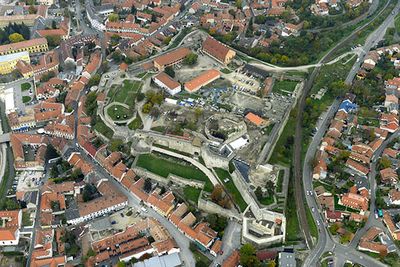
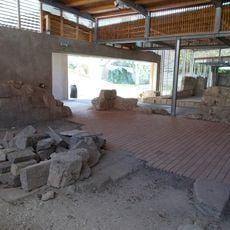
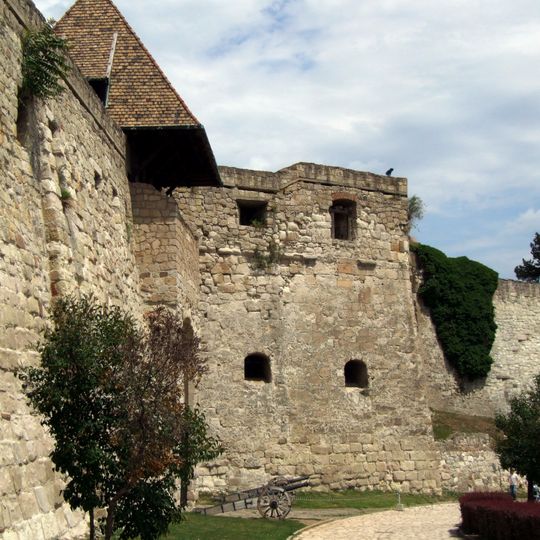
The Castle of Eger rises on a rocky hilltop in the city center, surrounded by thick stone walls and defensive structures with ruins of medieval buildings. The site includes several exhibition areas and archaeological remains that reveal how the fortress was organized.
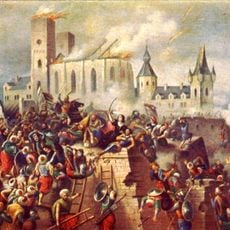
The castle's defining event came in September 1552, when captain István Dobó and his garrison repelled the besieging army of Kara Ahmed, Sokollu Mehmed and Hadım Ali. The walls were badly damaged, and the decades-long rebuilding, planned by Ottavio Baldigara, Gergely Bornemissza and Christoporus Stella, modernised the defences. A multinational garrison surrendered to Sultan Mehmed III on 12 October 1596; the Habsburgs retook the castle in 1687, and in 1701 the imperial war council blew up the outer defences.
The 1552 siege, led by captain István Dobó, is the event the castle is known for in Eger; the defenders repelled the army of Kara Ahmed vizier. The 1596 capitulation to Sultan Mehmed III and the 1687 Habsburg recapture are the other dates locals cite. The 14th-century chronicles called the fortress after St John the Evangelist, whose three-aisled Romanesque cathedral stood here.
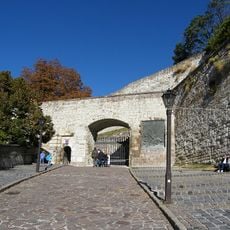
The main approach is a walking path from the city center that climbs up the hill with steep steps toward the entrance. Comfortable shoes are recommended since the grounds are uneven and exploring the site involves moving through different levels.
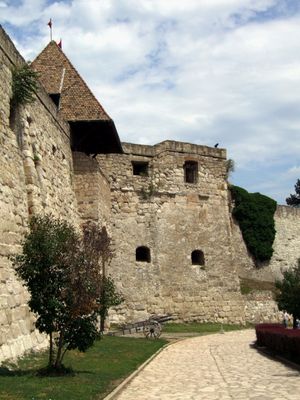
The walls are built of rhyolite tuff, a soft stone from the Eger wine region that crumbles after hard frosts, so sections repeatedly collapsed and needed repair. A cannon with wooden spoked wheels stands at the foot of the masonry, recalling the artillery that made the high medieval walls obsolete.
The community of curious travelers
AroundUs brings together thousands of curated places, local tips, and hidden gems, enriched daily by 92,740 contributors worldwide.