Nógrád County, Administrative county in Northern Hungary.
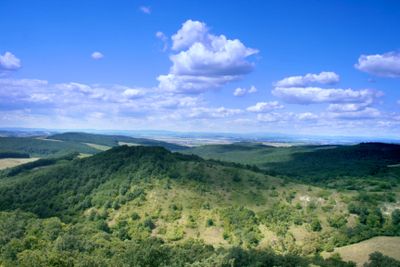
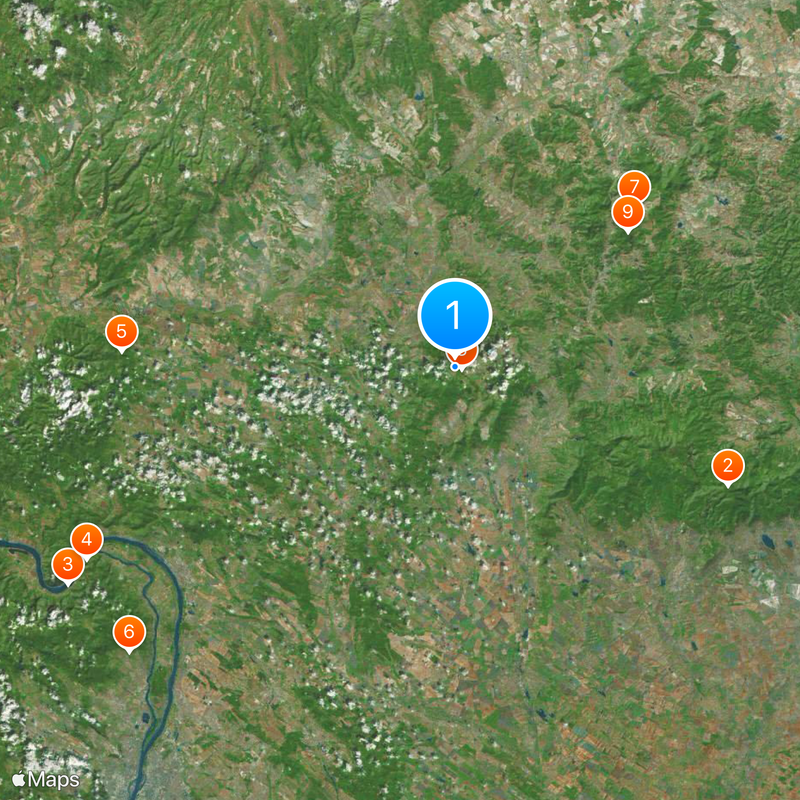
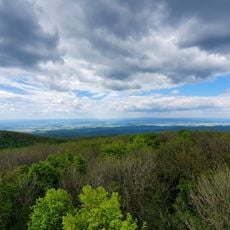
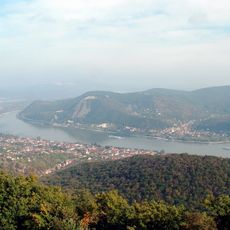
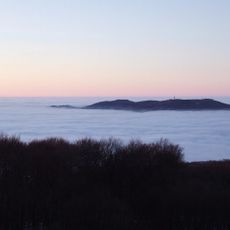
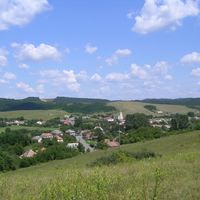
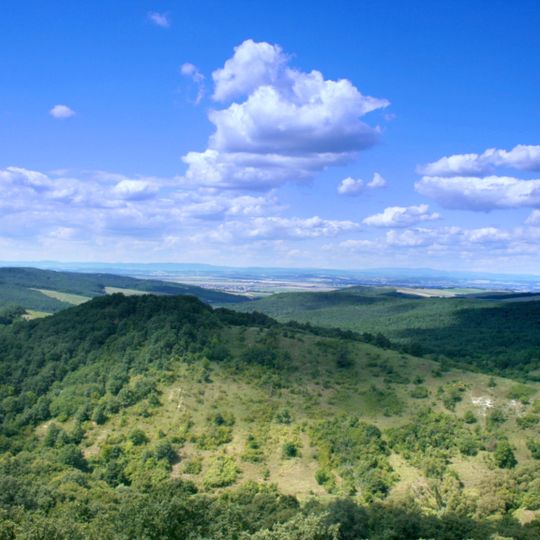
Nógrád County is an administrative region in Northern Hungary that spans mountainous terrain shaped by the Börzsöny, Cserhát, and Mátra ranges. Numerous small settlements sit in the valleys between these mountain chains, forming the backbone of the area's population distribution.
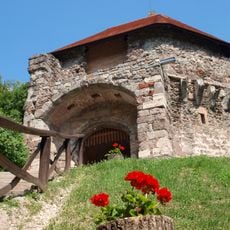
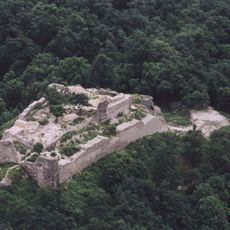
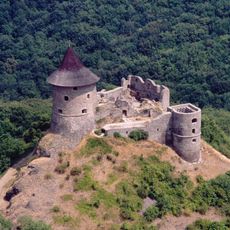
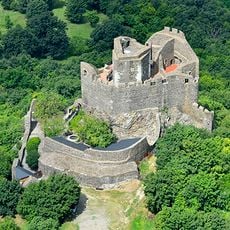
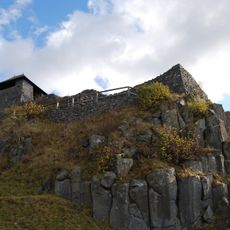
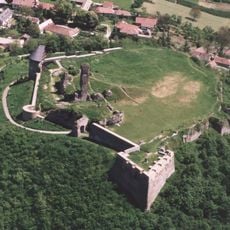
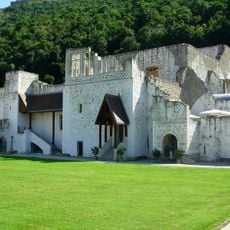
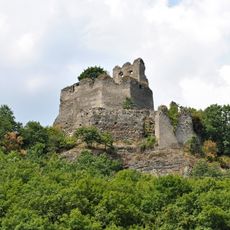
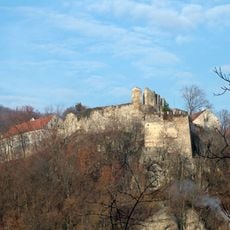
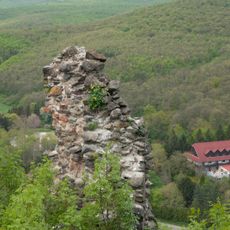
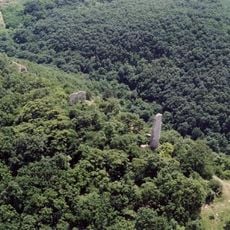
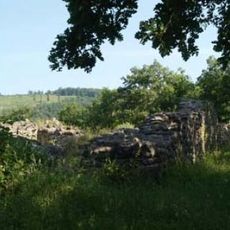
The region developed from the medieval fortress of Nógrád during the reign of Stephen I. After the First World War, roughly one-third of its northern territories were ceded to Czechoslovakia.
The area is shaped by Hungarian people with Palóc roots, evident in traditional lifestyles and local customs passed down through generations. Several villages also home Slovak and German communities, creating a diverse cultural mix that remains visible in daily life.
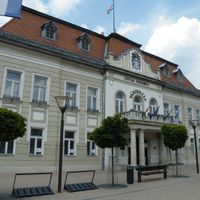
The region is divided into six administrative districts centered around Salgótarján, the county capital. Local economy relies mainly on agriculture, with cultivation of grains, sunflowers, potatoes, and lentils.
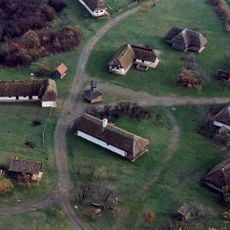
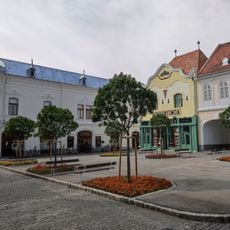
The village of Hollókő in this county earned UNESCO World Heritage status in 1987 for preserving traditional Hungarian architecture and folk customs. This well-maintained village offers a rare glimpse into rural life as it has been lived for generations.
The community of curious travelers
AroundUs brings together thousands of curated places, local tips, and hidden gems, enriched daily by 91,323 contributors worldwide.