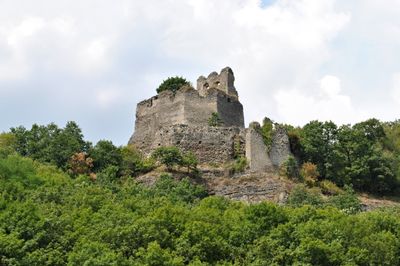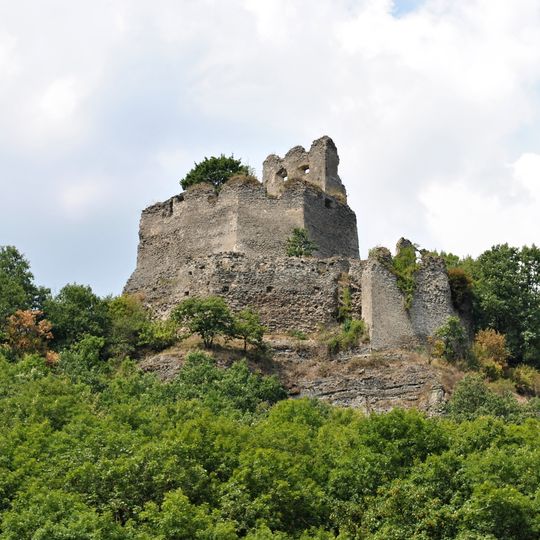
Čabraď Castle, Medieval castle ruins in District of Veľký Krtíš, Slovakia.
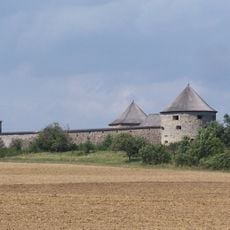
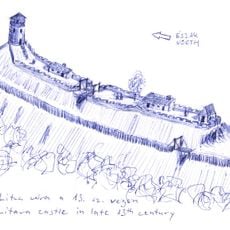
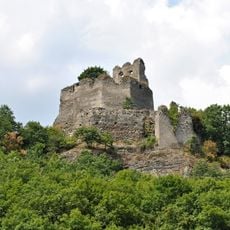
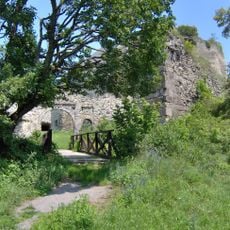
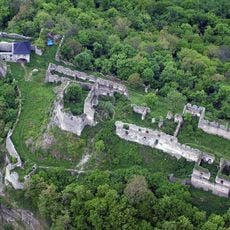
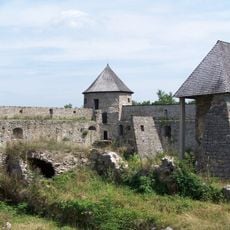
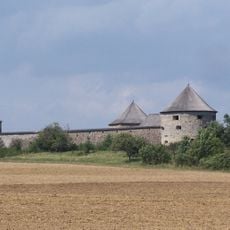
Čabraď Castle, originally called Litava, is a ruin on a hill above the Litava valley near Čabradský Vrbovok. Its medieval core had a central tower guarded by four bastions and a palace above a bent entrance to the upper courtyard. The upper castle was entered through a three-storey gate with a probable drawbridge; the lower ward had bastions, a crew building, and a southern gate tower with two gun ports and a drawbridge.
First mentioned in 1276 as Litava Castle, it guarded the roads to the northern Hungarian mining towns and was the residence of the Ders of Hunt-Poznan. Around 1342 it was expanded, and Matthias Corvinus retook it in 1462 after Jan Jiskra's Hussite forces held it. Cardinal Tamás Bakócz had it rebuilt around 1520; in 1585 the Italian fortress architect G. Ferrari led fortification works, and the castle withstood Ottoman attacks in 1585 and 1602. The Koháry family received it in 1622 and had it burned in 1812.
The castle's name changed with its owners: it was first recorded as Litava Castle in 1276, and the Slovak name Čabraď comes from the village of Čabradský Vrbovok below it. The Koháry family held it from 1622 until they abandoned it as a residence in 1750, keeping it only as a summer home.
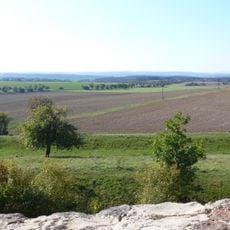
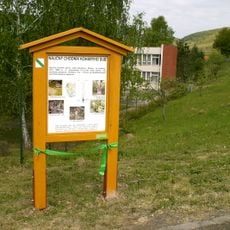
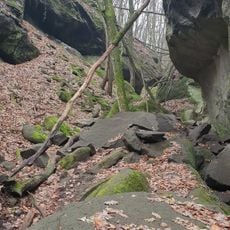
The ruin sits on a hill above the Litava valley, reached by marked trails from Čabradský Vrbovok. The upper castle was entered on the north through a three-storey gate with a basement, probably with a drawbridge; the lower ward had bastions and a tower gate on the south. The surrounding Čabraď hill is a nature reserve with Slovakia's richest reptile occurrence, mainly grass snakes.
The fortress originally named Litava Castle served not just as a defensive stronghold but as a symbol of control over lucrative mining routes in the region. This dual purpose reveals much about medieval economic power and territorial influence.
The community of curious travelers
AroundUs brings together thousands of curated places, local tips, and hidden gems, enriched daily by 93,470 contributors worldwide.