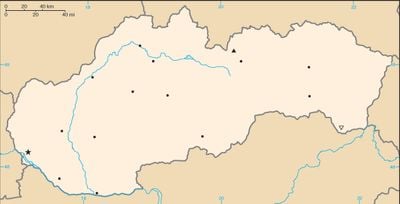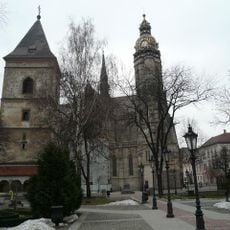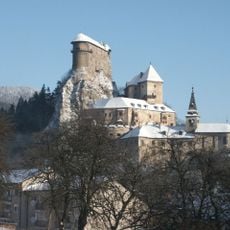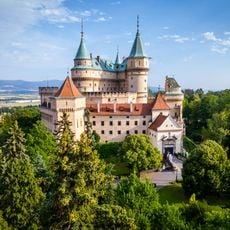
Slovakia, Republic in Central Europe.
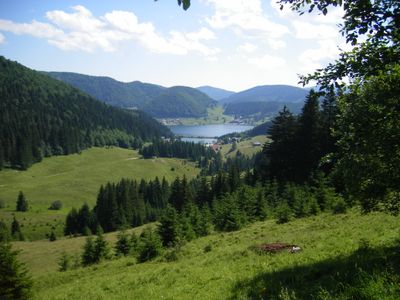
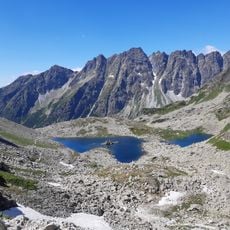
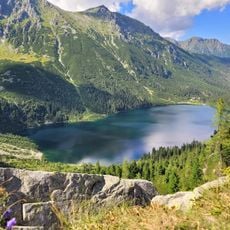
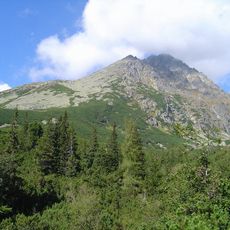
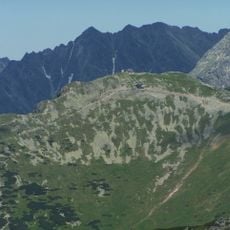
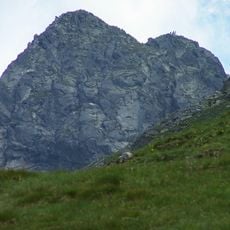
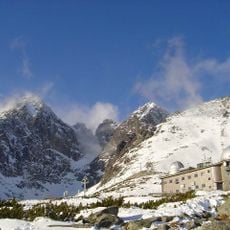
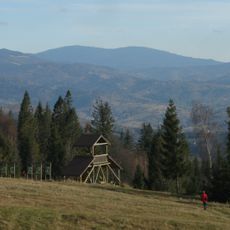
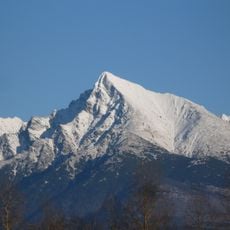
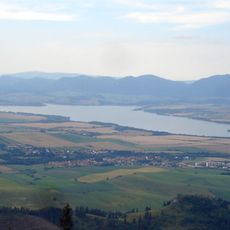
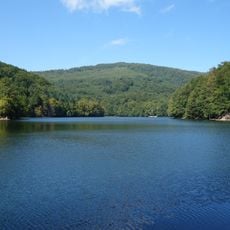
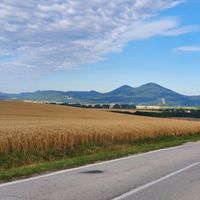
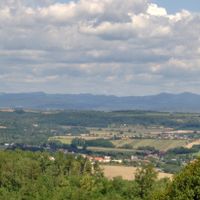
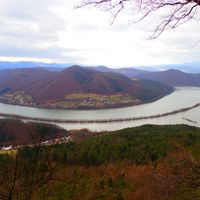
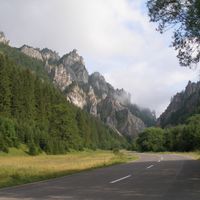
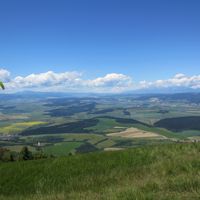
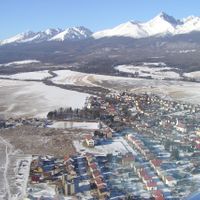
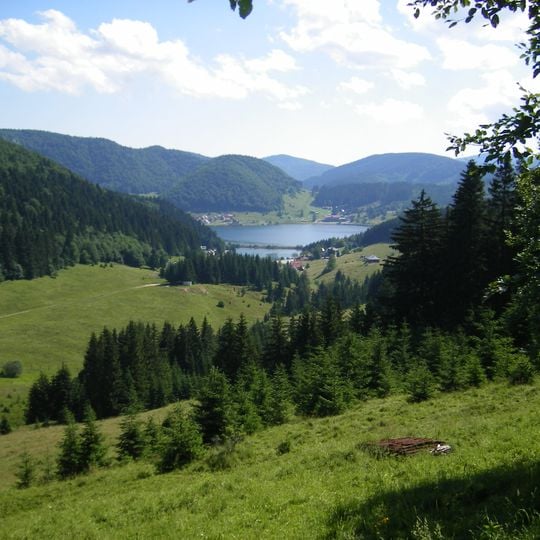
The territory is a central European republic between Austria and Poland, rising from the Danube lowlands through forested middle ranges to peaks in the High Tatras. The northern and eastern regions contain limestone caves, underground rivers, and more than six thousand recorded karst caverns spread across the terrain.
After centuries under the Hungarian crown, the region joined the newly formed Czechoslovakia in 1918, existed briefly as a separate state during the Second World War, and gained full sovereignty on January 1st, 1993 following peaceful dissolution of the federation. This quiet transition made it the youngest independent nation in central Europe.
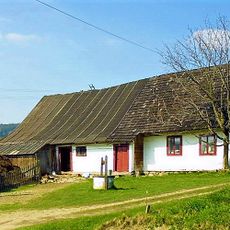
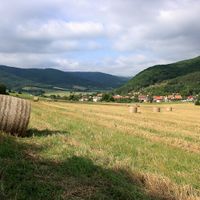
Wooden churches in the Carpathian villages, folk music in mountain settlements, and regional crafts like pottery or lacemaking reflect centuries of farming and herding life. These traditions remain most visible in smaller communities, where older residents occasionally wear traditional dress and local festivals mark the passing of the year.
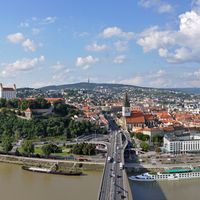
The capital sits just 55 kilometers from Vienna, while rail connections reach larger towns and buses serve smaller mountain settlements. In remote national parks and regions where public transport runs less often, a private vehicle proves more practical for travelers who want to remain flexible.
Dobšinská Ice Cave preserves year-round ice formations with an underground frozen surface of around 1,100 square meters (12,000 square feet), created by a natural air current that allows cold winter air to enter while keeping warmer summer air outside. This mechanism sustains a constant freezing climate in several chambers, where centuries-old stalagmites of clear ice continue to grow.
The community of curious travelers
AroundUs brings together thousands of curated places, local tips, and hidden gems, enriched daily by 91,270 contributors worldwide.