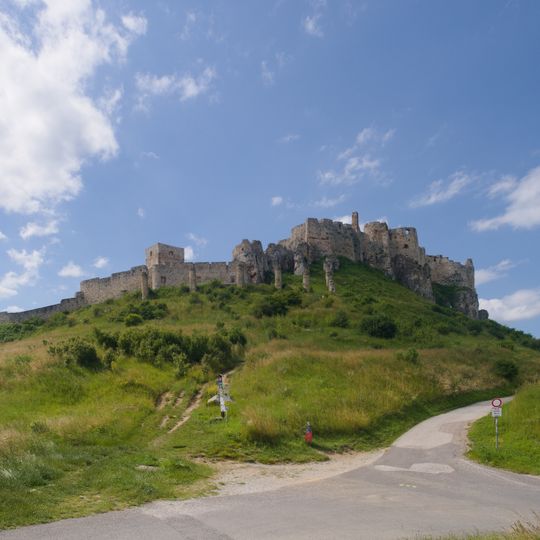
Spiš Castle

Log in to your account

AroundUs is a community-driven map of interesting places, built by curious explorers like you. It grows with every review, story, and photo you share.
Connect to save your favorite spots, contribute locations, and create personalized routes.
By continuing, you accept our Terms and Conditions and our Privacy Policy
Add to collection
Map
Suggest a change
Share

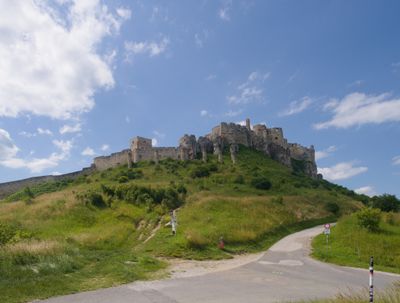
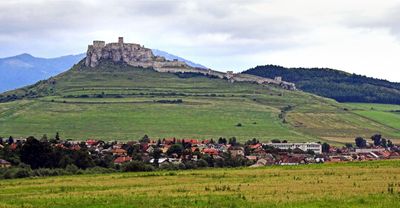
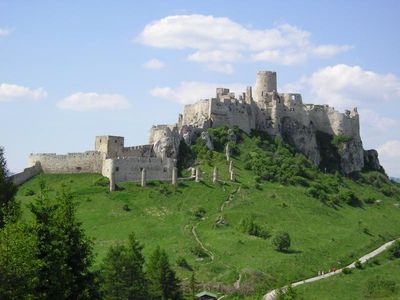
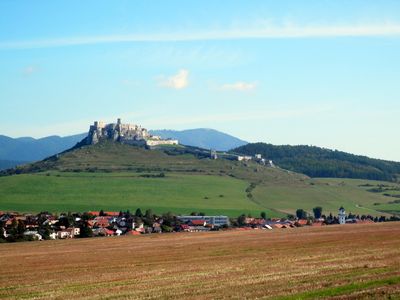
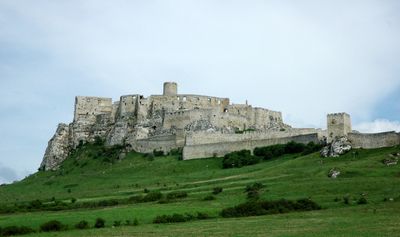
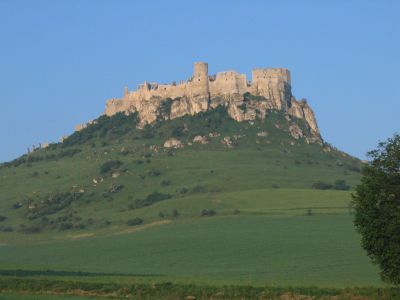
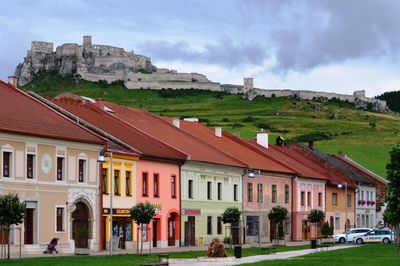
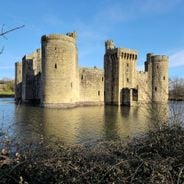
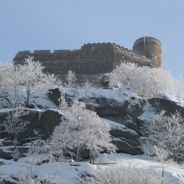
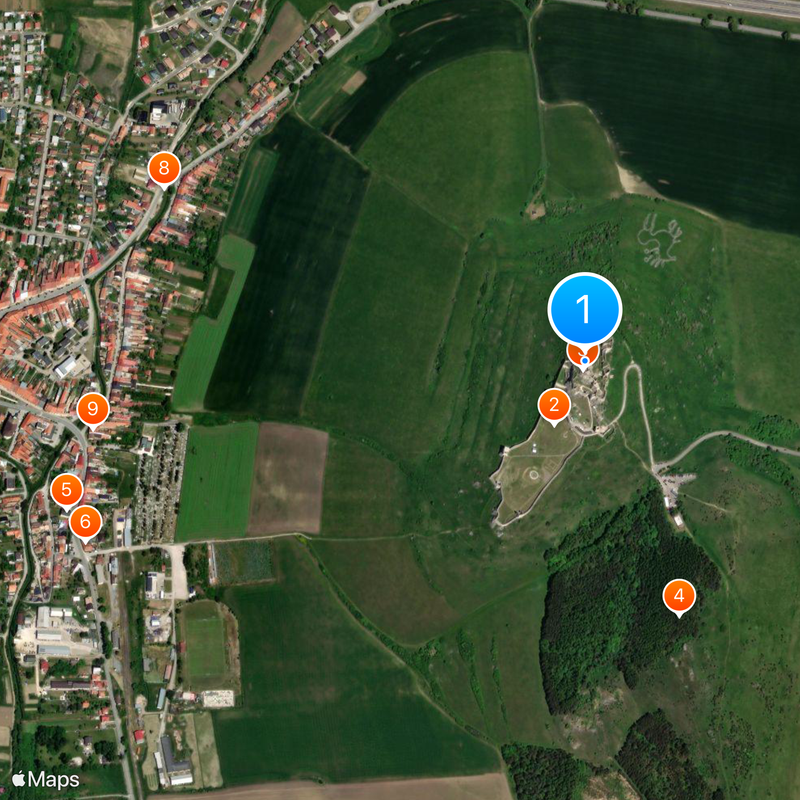
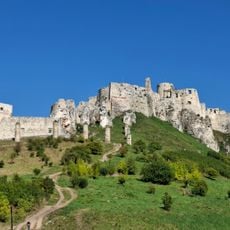
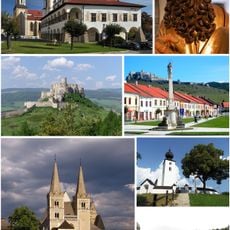
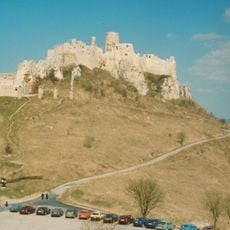
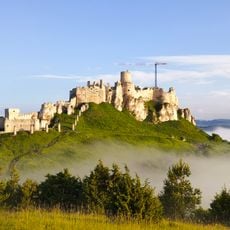
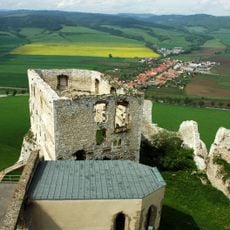
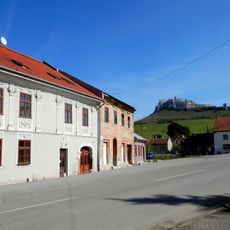
Spiš Castle, Medieval castle ruins in Zehra, Slovakia

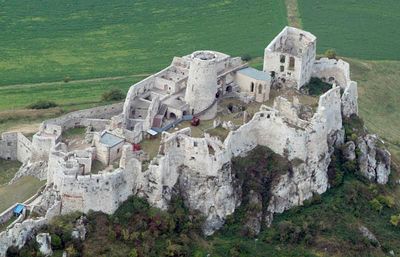
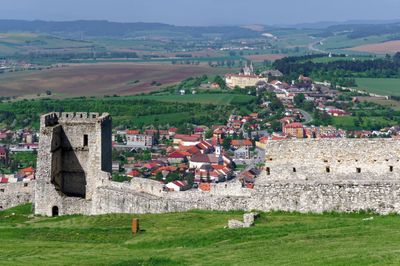
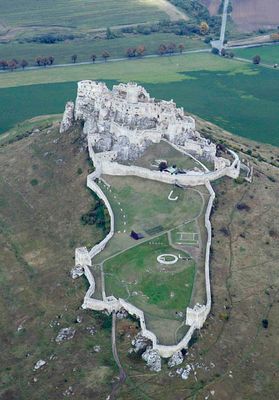
The stone fortress stands on a travertine hill at 610 meters elevation, covering an area of 3.9 hectares with multiple courtyards and towers.

The castle construction began in 1120 as a frontier fort at the northern boundary of the Hungarian state, later becoming the center of Szepes County.

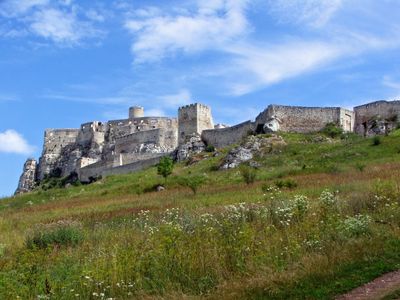
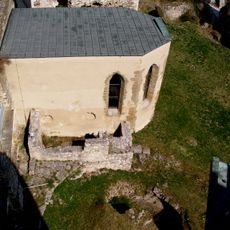
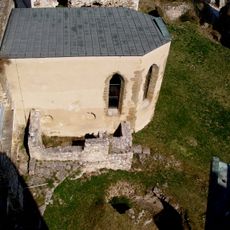
The castle structure displays the evolution of medieval architecture through its Romanesque palace, Gothic chapel, and Renaissance modifications across different construction periods.

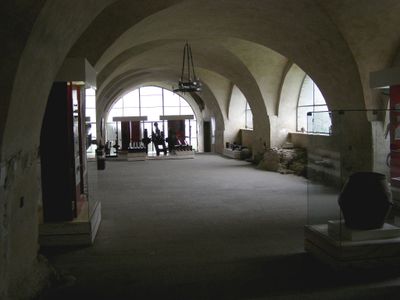
The castle interior remains closed from November through April, while guided tours and audio guides in multiple languages are available during the opening season.

The 1780 castle fire, reportedly caused by knights making schnapps, led to its current state as the largest medieval castle complex in Central Europe.

Location: Žehra

Inception: 12 century

Architectural style: Romanesque architecture, Renaissance architecture, Gothic architecture

Elevation above the sea: 610 m

Part of: Levoča, Spiš Castle and the associated cultural monuments, Slovenské národné múzeum – Spišské múzeum v Levoči

Website: https://spisskyhrad.com/english/spis-castle

GPS coordinates: 49.00056,20.76833

Latest update: May 26, 2025 21:42

European medieval castles and fortresses

Medieval castles and fortresses span Europe, documenting defense systems and princely seats from the 9th through 16th centuries. These sites include mountaintop strongholds such as Montségur in the Pyrenees, island fortifications like Trakai in Lithuania, and coastal defenses such as Kronborg in Denmark. Construction methods range from Romanesque towers to late medieval artillery positions, from Moorish palaces like the Alhambra to Gothic defensive structures like Burg Eltz. Many of these sites feature multiple rings of fortifications, underground passages, and residential quarters that provide insights into both military and civil aspects of medieval life. The collection includes locations in varied geographical contexts. Predjama Castle in Slovenia is built into a cliff face, while Eilean Donan in Scotland occupies a tidal island. Fortresses such as Sant Ferran near Figueres demonstrate 18th century military architecture with star shaped bastions. Some sites like Neuschwanstein were constructed in the 19th century in historicist style, combining romantic ideals with engineering advances of their era. Further examples include Château de Chambord in the Loire Valley, Peles Castle in the Carpathian Mountains, and Bojnice in Slovakia. These sites document functions ranging from border fortresses to royal residences and show the evolution of European military architecture across several centuries.

Historic fortresses in Eastern Europe

From the Baltic to the Black Sea, fortresses and castles define the landscape of Eastern Europe. These structures reflect military architecture from the Middle Ages through the Renaissance, displaying different defensive techniques and regional traditions. Some were built as border strongholds, others controlled trade routes or served as power centers for local rulers. Khotyn Fortress on the banks of the Dniester in Ukraine stands among the region's most significant defensive works. In Poland, Malbork Castle documents the power of the Teutonic Order, while Hermann Fortress in Estonia and Novgorod Kremlin in Russia marked strategic points in Baltic and Russian defense systems. Further south, Golubac Fortress guards the Danube at the Iron Gates, and Baba Vida Fortress in Bulgaria ranks among the Balkans' preserved medieval compounds. Many of these sites now function as museums or archaeological locations. The ruins of Strečno Castle in Slovakia overlook the Váh Valley, while Bran Castle in Romania draws visitors through its association with Dracula lore. These fortifications document centuries of military and political history across Eastern Europe.

Slovakia attractions: castles, national parks, historic cities

Slovakia offers a variety of natural and cultural sites, from medieval castles to the peaks of the Tatra Mountains. The country features historic cities such as Bratislava and Košice, national parks with caves and waterfalls, and Gothic religious monuments. The castles of Spiš, Bojnice, and Orava illustrate the military and noble architecture of past centuries. The Slovak Paradise and Mala Fatra national parks present mountainous landscapes with distinctive rock formations. Traditions are preserved in museums such as the Liptov Museum, while contemporary art is exhibited at the Danubiana Meulensteen.

Reviews

Visited this place? Tap the stars to rate it and share your experience / photos with the community! Try now! You can cancel it anytime.

« Spiš Castle - Medieval castle ruins in Zehra, Slovakia » is provided by Around Us (aroundus.com). Images and texts are derived from Wikimedia project under a Creative Commons license. You are allowed to copy, distribute, and modify copies of this page, under the conditions set by the license, as long as this note is clearly visible.

Discover hidden gems everywhere you go!

From secret cafés to breathtaking viewpoints, skip the crowded tourist spots and find places that match your style. Our app makes it easy with voice search, smart filtering, route optimization, and insider tips from travelers worldwide. Download now for the complete mobile experience.
Around Us App Screenshot

A unique approach to discovering new places

Le Figaro

All the places worth exploring

France Info

A tailor-made excursion in just a few clicks

20 Minutes