Trnava Region, Administrative region in southwestern Slovakia.
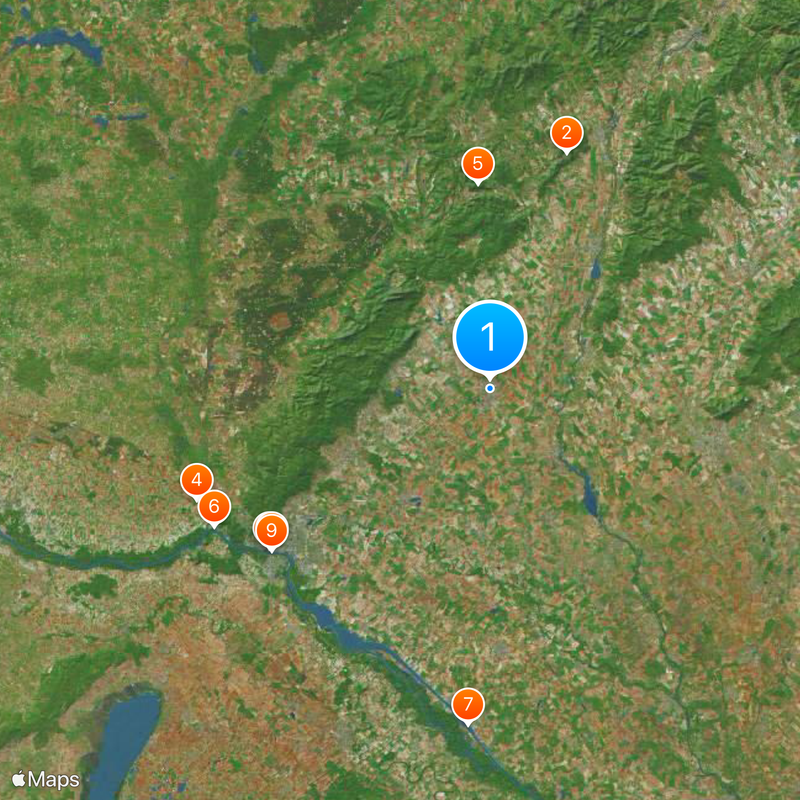
The Trnava Region is an administrative territory in southwestern Slovakia that spans between the Bratislava Region and other Slovak areas. It comprises 251 municipalities organized across seven districts with varying landscapes and settlement patterns.
The territory became a separate administrative unit in 1996 when it was divided from the Bratislava Region, becoming one of Slovakia's eight official regions. This reorganization established the territorial structure that continues to define the country's administrative system today.
Hungarian communities form a notable part of the population here, especially in the Dunajská Streda area, where their traditions shape local customs and celebrations. Visitors can observe how different cultural groups coexist and influence the region's character through language and daily practices.
The region is easily accessible and well-positioned between the capital and other major Slovak areas, making it convenient for exploring different parts. The varying landscapes and multiple districts allow visitors to choose routes based on their interests and available time.
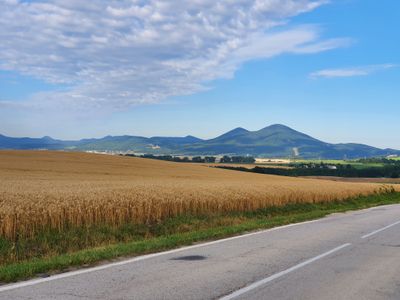
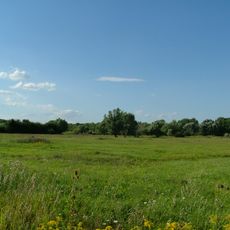
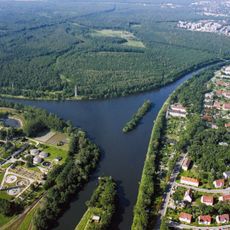
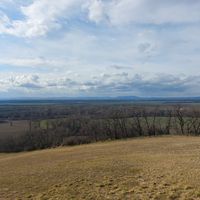
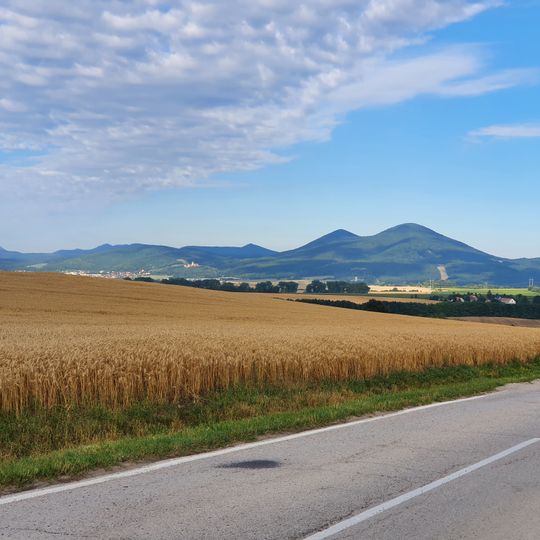
The region is geographically divided into two lowland areas separated by the Little Carpathian mountains: the Záhorie Lowland in the north and the Danubian Lowland in the south. This natural division shapes both the landscape and how human settlement and economic activity are distributed across the territory.
The community of curious travelers
AroundUs brings together thousands of curated places, local tips, and hidden gems, enriched daily by 90,839 contributors worldwide.