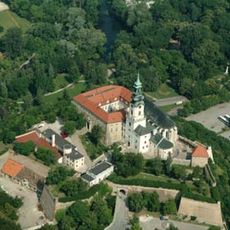
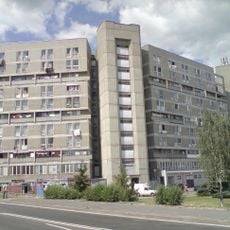
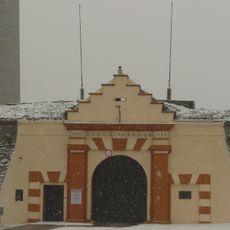
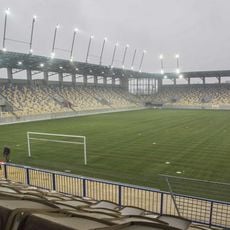
Danubian Lowland, Agricultural basin in southwestern Slovakia.
The Danubian Lowland stretches across southwestern Slovakia with flat ground made of sandy and gravelly deposits left by rivers over time. The area is filled with fertile fields where wheat, sugar beets, corn, vegetables, and tobacco are grown.
The lowland took its present shape during the Neogene period when the Danube and its tributaries carved out the landscape. Over thousands of years, river deposits built up the land and turned it into one of Europe's most fertile regions.
Towns within the lowland have kept strong ties to farming and winemaking for generations, especially in places like Pezinok and Modra. You can still see this connection to the land in the vineyards and wine cellars scattered across the region today.
The region has large underground water reserves that supply farming and settlements throughout the area. The flat landscape makes it easy to walk around, though much of the land is private farmland and not open to visitors.
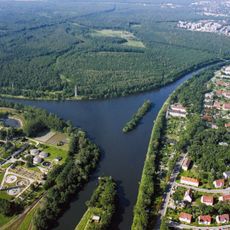
Žitný ostrov, Europe's largest river island, sits within this lowland and features a network of river bends and natural water channels. The island offers visitors a rare look at how river landscapes and traditional ways of life interact.
The community of curious travelers
AroundUs brings together thousands of curated places, local tips, and hidden gems, enriched daily by 91,378 contributors worldwide.