Danube-Ipoly National Park, National park in northern Hungary
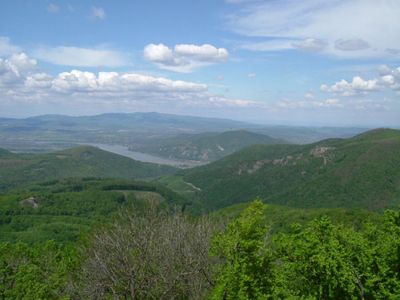
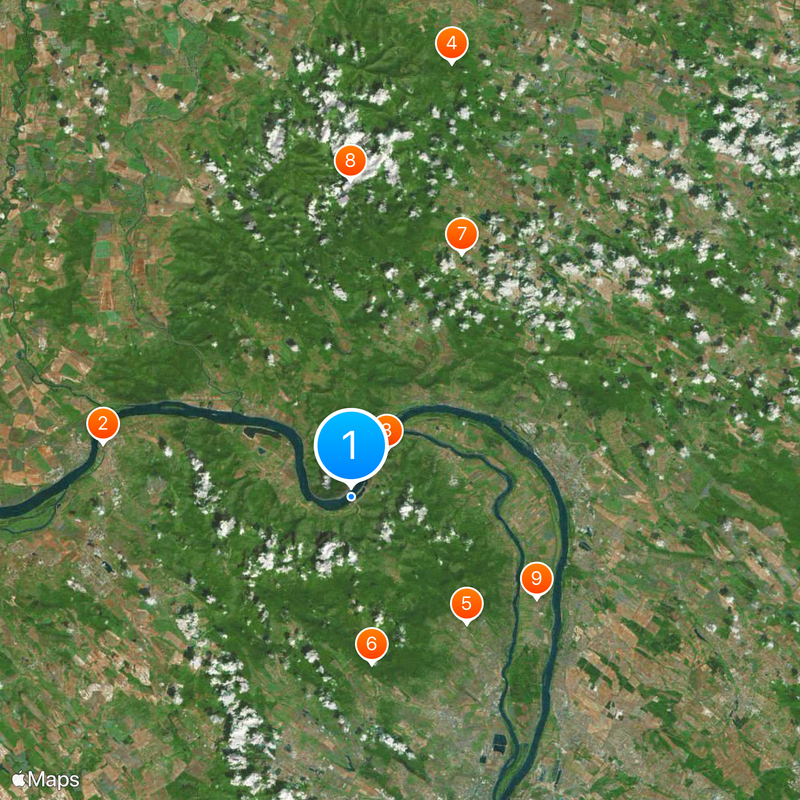
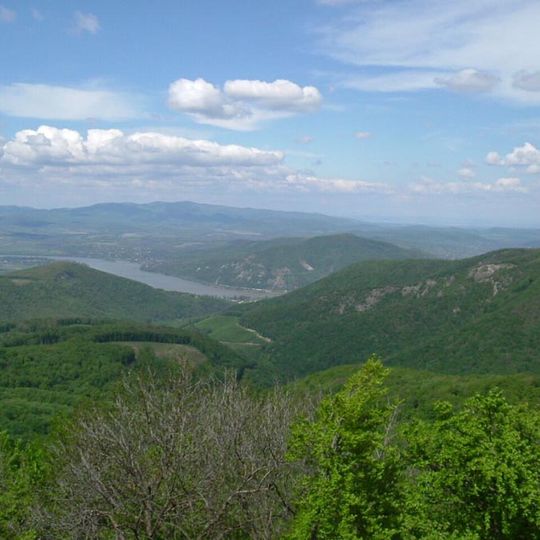
Danube-Ipoly National Park is a protected area in northern Hungary that covers the Pilis, Visegrád, and Börzsöny mountain ranges along with river valleys from the Danube and Ipoly. The landscape shifts between forested hills, limestone formations, and gentle valleys where small settlements sit.
The protected area was created in 1997 by merging older conservation zones, including the Pilis and Börzsöny regions that had been protected since 1978. This decision followed decades of growing awareness about preserving nature in this border region.
The park takes its name from the two rivers that mark its boundaries and have shaped settlement patterns in the region for centuries. Hikers today still encounter villages with stone churches and vineyards growing on the mountain slopes.
Visitor centers and information points offer maps and guidance on marked hiking trails that wind through forests and over ridges. The paths are usually easy to follow, though some routes require sturdy footwear and some stamina for uphill sections.
More than 400 karst caves wind through the Pilis Mountains, including Hungary's third-longest cave system, the Leány-Legény complex. Some of these underground passages were inhabited in prehistoric times and still show traces of early settlement today.
The community of curious travelers
AroundUs brings together thousands of curated places, local tips, and hidden gems, enriched daily by 91,631 contributors worldwide.