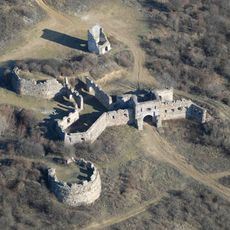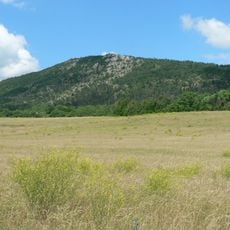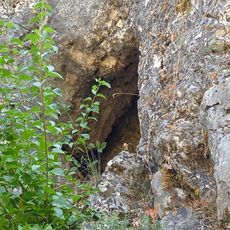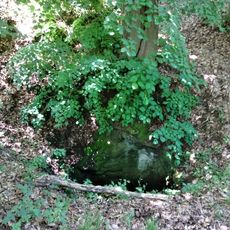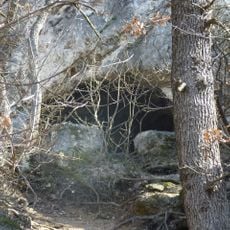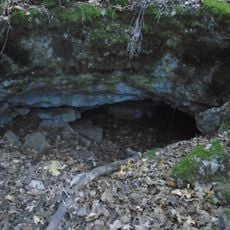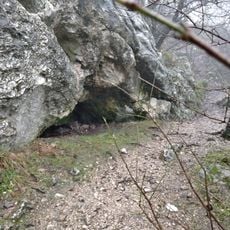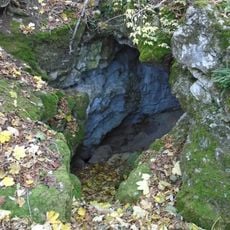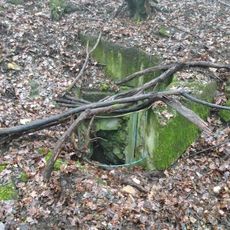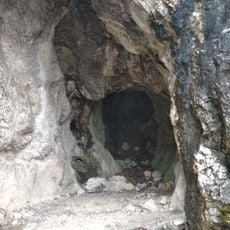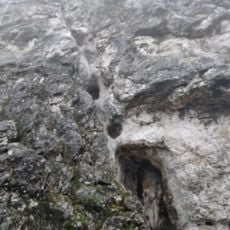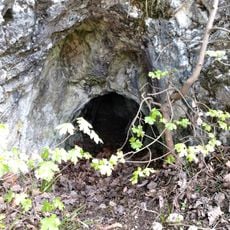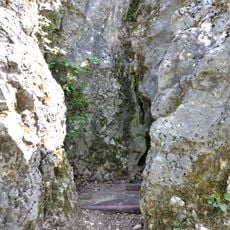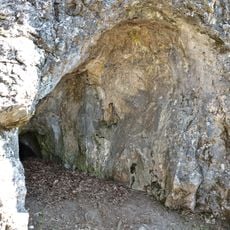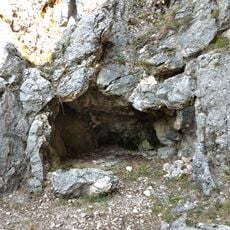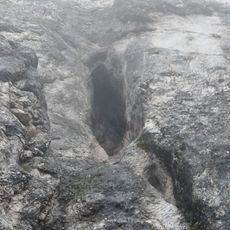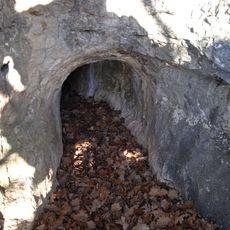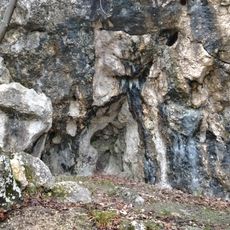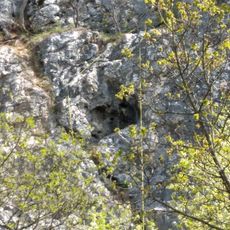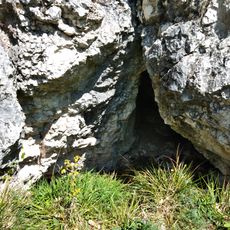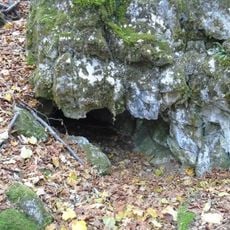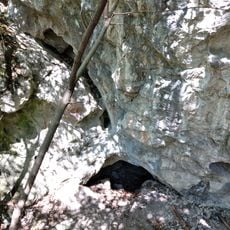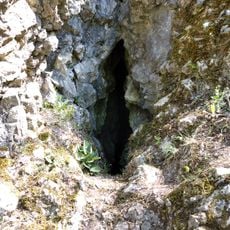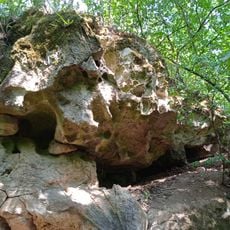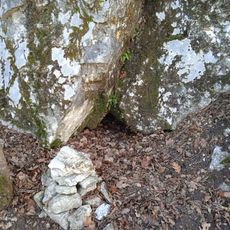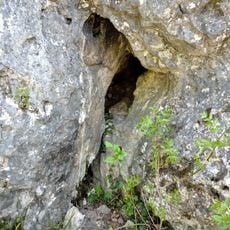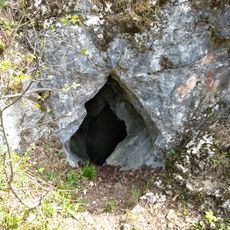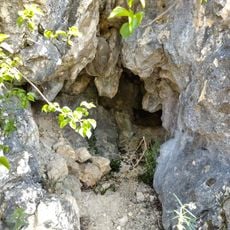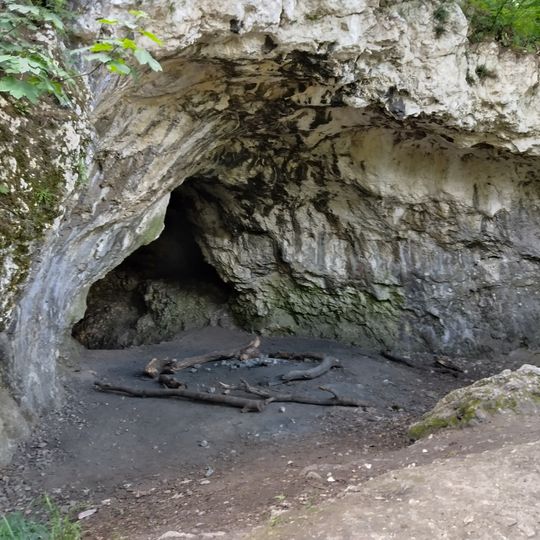
Mackó Cave, Natural cave formation in Csobánka, Hungary.
Mackó Cave is a natural limestone formation measuring approximately 65 meters in length and about 14 meters in depth. The passages wind through remarkable mineral formations that have developed over countless millennia.
In 1868, researcher Antal Koch conducted excavations that uncovered remains of cave bears, woolly rhinoceroses, and aurochs within the passages. These discoveries established it as a significant site for understanding Paleolithic animal life.
The cave's name refers to a bear that once roamed this region in ancient times. Visitors walking through the passages can observe evidence of these early inhabitants that lived here.
The site is reached by following a marked trail of about 4 kilometers from the Oszoly rest area with an elevation gain of roughly 210 meters. It is important to wear sturdy footwear and bring a flashlight, as the path is challenging and the cave interior is dark.
The site received protected natural monument status in 1988 because of its substantial collection of Paleolithic era animal remains. This designation makes it an important research location for understanding Ice Age fauna in the region.
The community of curious travelers
AroundUs brings together thousands of curated places, local tips, and hidden gems, enriched daily by 91,562 contributors worldwide.