Vácrátót Botanical Garden, Botanical garden and research center in Vácrátót, Hungary.
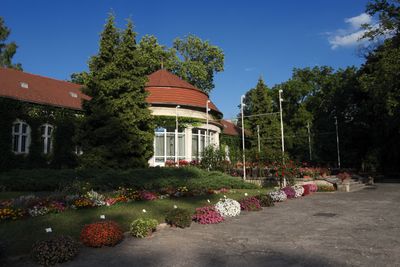
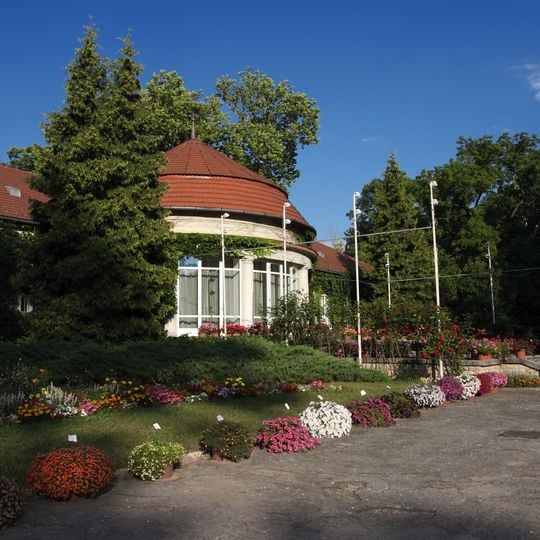
Vácrátót Botanical Garden is a research facility spanning roughly 27 hectares with over 13,000 plant species from Hungary and around the world. The collection is divided into separate areas that represent different habitats and climate zones.
The garden grew out of the Vácrátót castle park, first documented in writing in 1827 and probably laid out by István Géczy in the manner of English landscape parks. Count Sándor Vigyázó bought the estate in 1871 and had it rebuilt from 1872 under the gardener Henrik Band, who served until his death in 1913. In early 1952 the Hungarian Academy of Sciences took over the park and founded its Botanical Research Institute there.
The watermill on the Sződ–Rákos stream bank is still called the "singing mill" after a film shot here before World War II. On the island stand Gothic-style artificial ruins, and the Ferenc-halom hill and the Rock Lake with its waterfall were laid out in the romantic spirit of the 19th century. The greenhouse collection won diplomas at national horticultural exhibitions in the 1880s.
The garden is best visited in spring and summer when most plants are in full bloom and the pathways are easy to walk. The grounds are extensive, so allow between two and four hours depending on your interest level.
The rock garden displays plants from six vegetation zones and 25 mountain regions, with each plant linked by QR code to detailed information. This connection to digital databases makes it possible to learn more about individual species immediately during your visit.
The community of curious travelers
AroundUs brings together thousands of curated places, local tips, and hidden gems, enriched daily by 92,786 contributors worldwide.