Orava Castle, Medieval castle in Oravský Podzámok, Slovakia
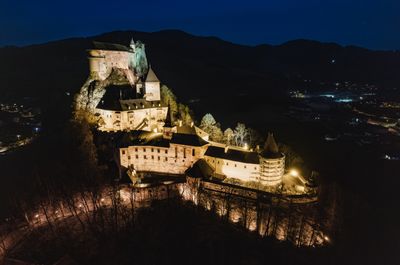
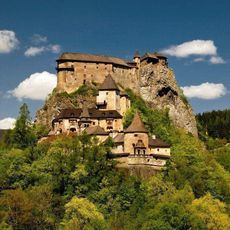
Orava Castle sits on a limestone cliff roughly 112 meters above the Orava River, divided into three sections built at different elevation levels. The complex features defensive walls, towers, a chapel, and interior rooms that visitors can explore.
A wooden fortification stood here after the Mongol invasion of 1241; by 1267 a stone castle is first recorded, when King Béla IV took it from Mika Balaša in exchange for Žilina, Varín and Sučany. From 1370 it was the seat of Árva County. The Thurzo family rebuilt it between 1556 and 1621, and its present form was completed by 1611.
The castle is the seat of the Orava Museum, founded after the first exhibition in the Thurzo Palace in 1868. Its ethnographic collection, reinstalled in 2007, presents the material and spiritual culture of the Orava region, while the chapel holds the Renaissance tomb of György Thurzó and a Baroque altar of 1751–1752.
The steep climb to the castle requires sturdy footwear, as the pathways can be uneven and demanding. Guided tours are regularly offered, though it is wise to check seasonal opening times before visiting.
The location appeared in the German silent film Nosferatu from 1922, serving as the residence of Count Orlok. This connection to early cinema makes it of particular interest to fans of classic horror film.
The community of curious travelers
AroundUs brings together thousands of curated places, local tips, and hidden gems, enriched daily by 93,470 contributors worldwide.