Piszkéstető Station, Astronomical observatory in Mátra Mountains, Hungary
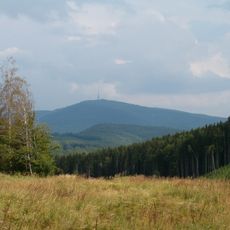
Piszkéstető Station is a research facility in the Mátra Mountains that operates multiple telescopes for monitoring space and observing astronomical phenomena. The site focuses on tracking objects in space and collecting data to support ongoing scientific work.
The station was founded in 1958 and received its first major telescope in 1962, after which additional scientific instruments were added over the following decades. This growth made it a significant center for astronomical observations in the region.
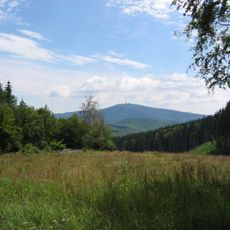
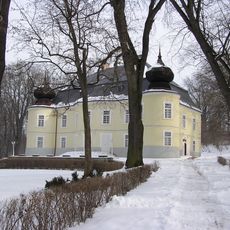
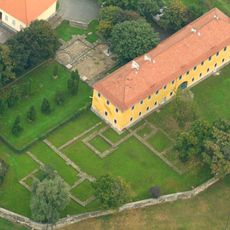
The station's name comes from the Piszkés-tető peak in the Mátra, and its buildings were designed by György Szrogh, with the main residential building shaped like the constellation Leo. A sundial with a copper dial was placed on a wooden post southeast of the main building in 1989. A memorial stone to László Detre, the observatory's founder and first director, was set up at Piszkéstető in 2002.
The observatory sits in a closed area on Piszkés-tető and cannot be visited; the gate is reached on foot via the blue trail from Galyatető and Mátraszentlászló or the red trail from Mátraszentimre. By bus, get off at the "Csillagvizsgáló, bejárati út" stop, from which an asphalt road leads to the gate. By car, leave Galyatető on the Mátrai út and take the first larger asphalt fork on the right, past the bus stop.
The station discovered several celestial objects before they reached Earth, including an asteroid that impacted in 2022. These discoveries highlight its role in detecting approaching cosmic events.
The community of curious travelers
AroundUs brings together thousands of curated places, local tips, and hidden gems, enriched daily by 93,276 contributors worldwide.