Jász-Nagykun-Szolnok County, Administrative county in Northern Great Plain, Hungary
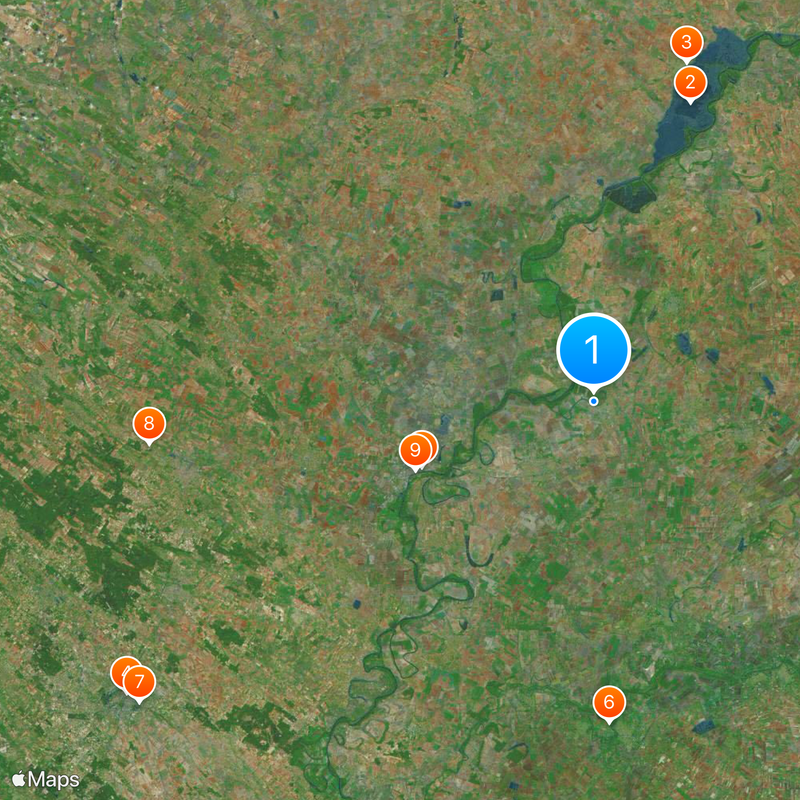
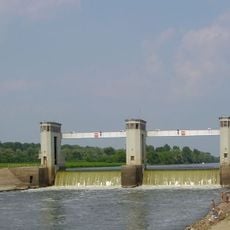
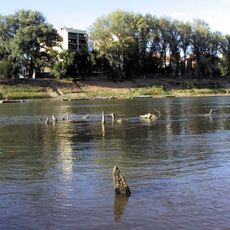
Jász-Nagykun-Szolnok County spans central Hungary and is crossed by the Tisza River, which flows through fertile plains and connects nine administrative districts across the landscape. The terrain is shaped by wide river valleys and agricultural fields that define the region's character.
The county was formed in 1876 by merging parts of the former Heves-Külső-Szolnok County, bringing together regions settled since the 13th century by Jassic people who migrated from the Pontic steppes. This population brought their own ways of living that shaped the local story over centuries.
The name reflects three distinct regional identities woven together: the Jász people, the Kun ethnic group, and the Szolnok territory. These three traditions remain visible in local customs and how communities across the county maintain their separate heritage today.
The region is well served by a network of public roads and railway lines that connect the main towns of Szolnok, Jászberény, and Karcag, making it straightforward to explore different parts of the area. These transport connections mean you can move around without much difficulty between the larger settlements.
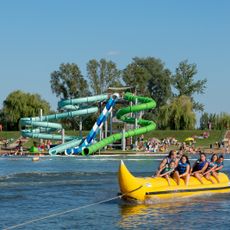
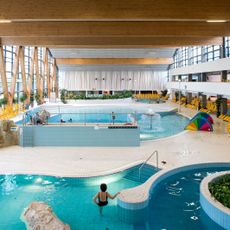
Hidden beneath the surface of the county are over 150 thermal springs discovered during oil drilling, with mineral-rich waters at places like Berekfürdő and Cserkeszőlő drawing visitors seeking healing properties. These waters are particularly notable for their high iodine content, which contributes to their therapeutic reputation.
The community of curious travelers
AroundUs brings together thousands of curated places, local tips, and hidden gems, enriched daily by 90,827 contributors worldwide.