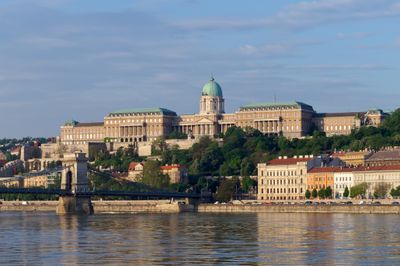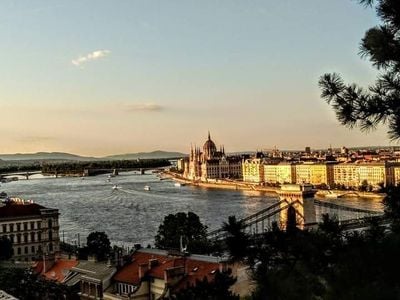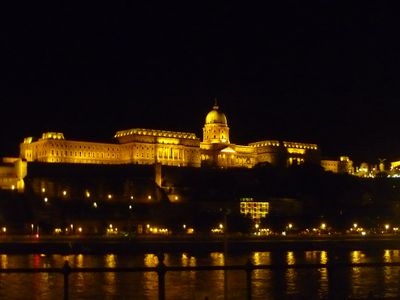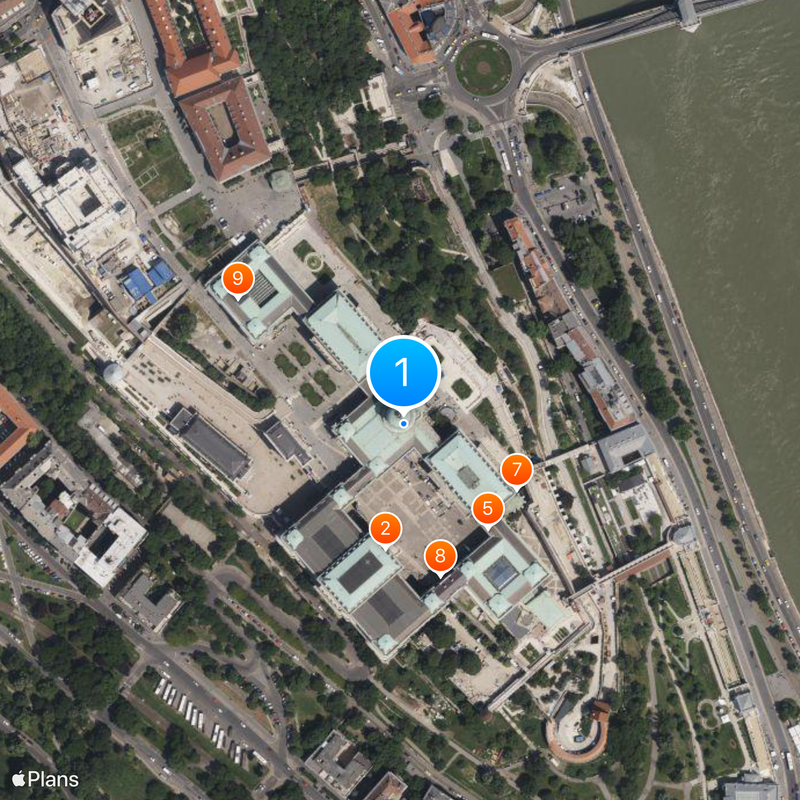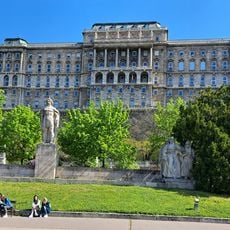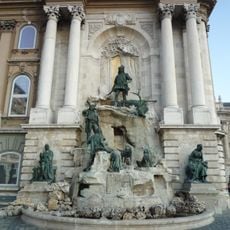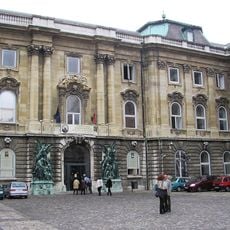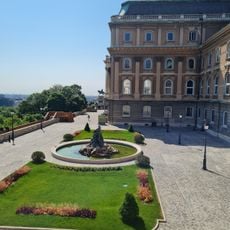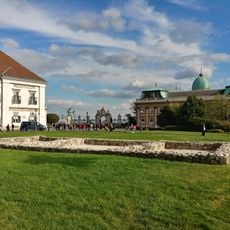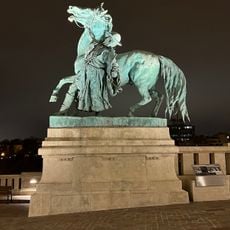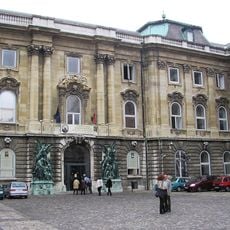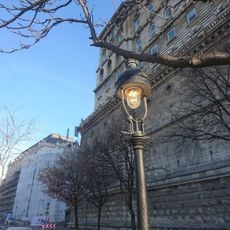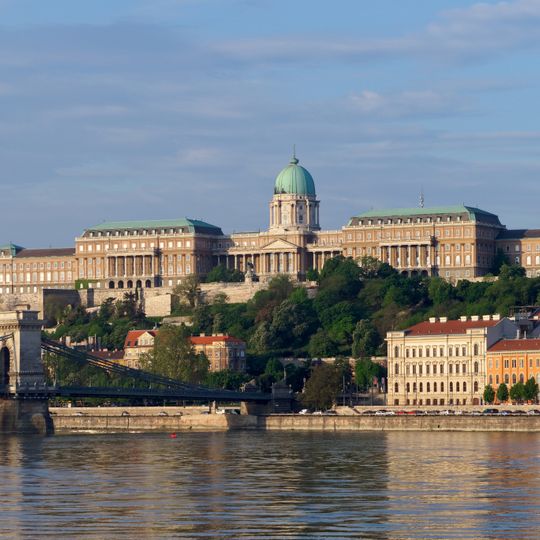
Buda Castle, Royal palace complex on Castle Hill, Budapest, Hungary.
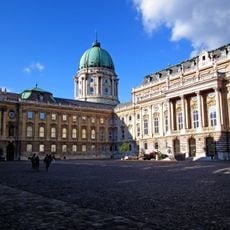
Buda Castle is a palace complex at the southern end of Castle Hill in Budapest that combines Gothic, Renaissance and Baroque building elements. The compound spreads across several interconnected courtyards and wings overlooking the Danube.
Construction began in 1265 under King Béla IV as a fortress following the Mongol invasions. Later rulers such as Louis I and Matthias Corvinus expanded the structure through the 18th century with grand halls and chapels.
The grounds today reflect centuries of rebuilding and house important state museums along with the national library. Visitors experience a meeting of government buildings with public exhibition spaces throughout the sprawling wings.
The funicular built in 1870 connects the Chain Bridge directly with the palace grounds and shortens the steep climb considerably. Alternatively, walkways and staircases lead up to the plateau from several sides.
Beneath the complex runs an extensive network of caves and tunnels that served as bomb shelters during World War II. Parts of these underground passages are now open for guided tours and still show the old refuge spaces.
Location: Budapest District I
Inception: January 1, 1714
Architects: Jean-Nicolas Jadot de Ville-Issey, Miklós Ybl, Alajos Hauszmann
Architectural style: Gothic architecture, Renaissance architecture, baroque architecture
Part of: Budapest, including the Banks of the Danube, the Buda Castle Quarter and Andrássy Avenue
Website: https://whc.unesco.org/en/list/400
GPS coordinates: 47.49611,19.03972
Latest update: December 14, 2025 21:13
Budapest is a city where history appears at every corner. The Danube River divides the city into two parts: the hilly Buda with its castle and the flatter Pest with its wide streets and squares. Walking through Budapest, you see medieval churches standing beside 19th-century buildings, thermal baths...
Castles and palaces from different periods and regions reveal how architecture adapted to military needs, royal ambitions, or religious purposes. Some were built as fortresses, others served as residences or symbols of power. Construction styles range from medieval defenses to grand estates of later...
Europe brings together signs of the past that tell thousands of years of human history. From Greek temples on the Acropolis in Athens to Roman arenas at the Colosseum, from the stone structures of Stonehenge to Renaissance palaces, each era has left buildings that still speak today. These sites help...
National Széchényi Library
88 m
Hungarian National Gallery
14 m
Hungarian National Gallery
19 m
Budapest History Museum
93 m
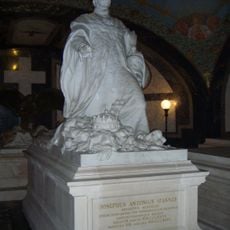
Palatinal Crypt
19 m
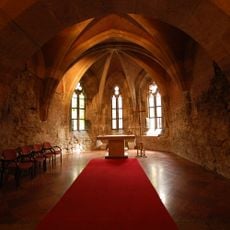
Palace Chapel
90 m
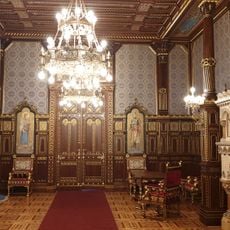
Saint Stephen’s Hall
109 m
Budavári Palota A épület
145 m
Buda Castle Museum
114 m
Oroszlános szobor
52 m
The rabbit with checkered ears
171 m
Kolduskapu
177 m
Fishing Children
131 m
Oroszlános szobor
43 m
Ágyúgolyók
133 m
Oroszlános szobor
48 m
Oroszlános szobor
47 m
Győzelmet hozó Istenanya
171 m
St. Stephen's Hall
113 m
Lófékező
117 m
Csongor
33 m
Tünde
23 m
Jeruzsálem park
173 m
Scenic viewpoint
178 m
Scenic viewpoint
69 m
Scenic viewpoint
99 m
Scenic viewpoint
149 m
Scenic viewpoint
175 mVisited this place? Tap the stars to rate it and share your experience / photos with the community! Try now! You can cancel it anytime.
Discover hidden gems everywhere you go!
From secret cafés to breathtaking viewpoints, skip the crowded tourist spots and find places that match your style. Our app makes it easy with voice search, smart filtering, route optimization, and insider tips from travelers worldwide. Download now for the complete mobile experience.
A unique approach to discovering new places❞
— Le Figaro
All the places worth exploring❞
— France Info
A tailor-made excursion in just a few clicks❞
— 20 Minutes