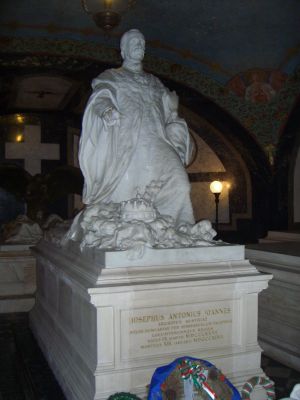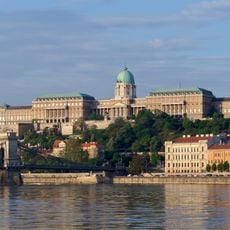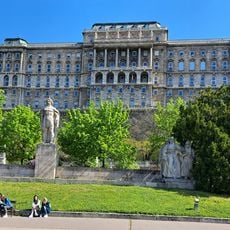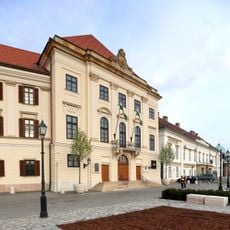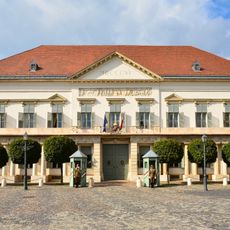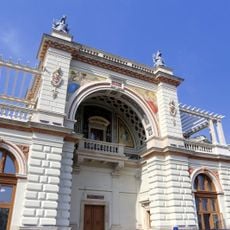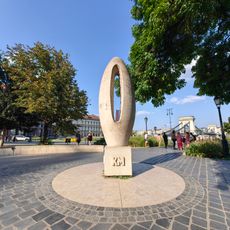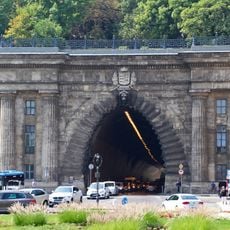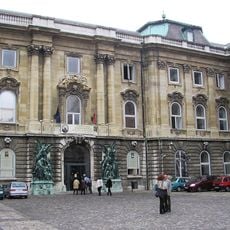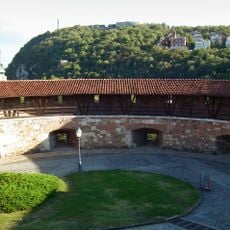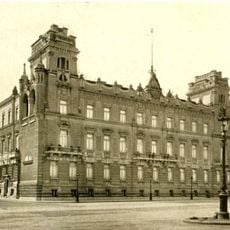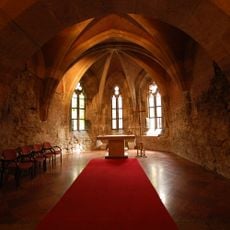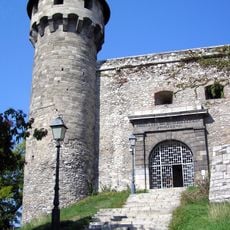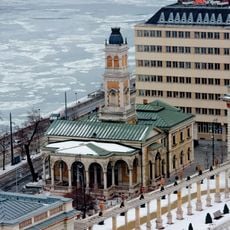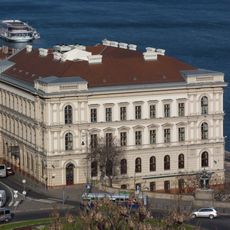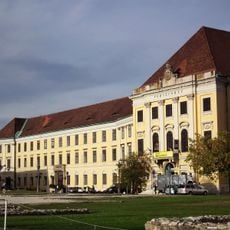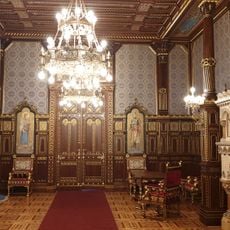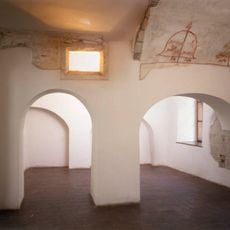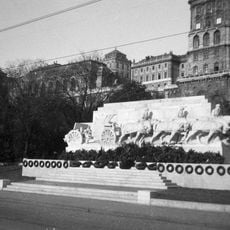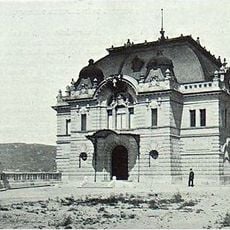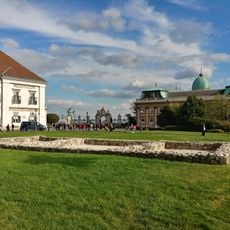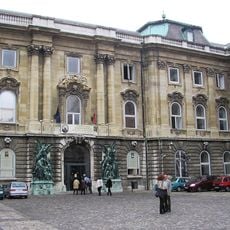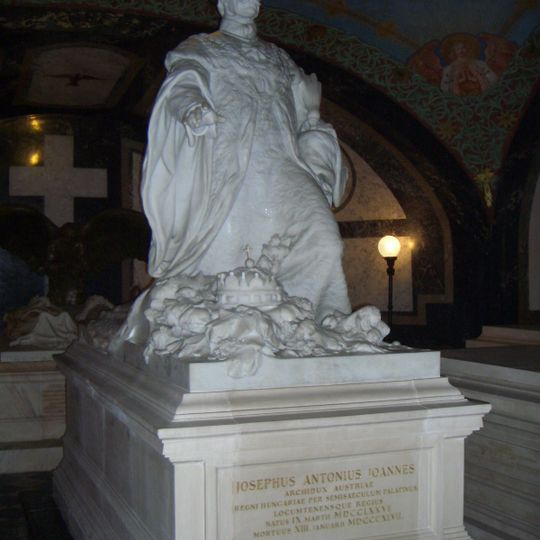
Palatinal Crypt, Royal burial crypt beneath Hungarian National Gallery in Budapest, Hungary.
The Palatinal Crypt is a royal burial chamber located beneath the Hungarian National Gallery, filled with marble sculptures and bronze statues positioned along its walls. These artworks feature religious and political symbols, including a double life-sized statue depicting Palatine Joseph kneeling.
The crypt was built in 1838 under architect Franz Hüppmann's direction and served as a burial place for Hungarian Habsburg dynasty members until 1973. The chamber survived intact through the World War II siege of Budapest.
The sculptures within the crypt were created by Hungarian artists György Zala and Alajos Stróbl, representing the fusion of religious and political symbolism.
Visiting the crypt requires advance booking through the Hungarian National Gallery, with guided tours organized for groups of no more than ten people. Contact the gallery ahead of time to confirm availability and current access arrangements.
The burial site holds members of the Habsburg family distributed across sixteen graves, making it a rare dynastic necropolis within an urban gallery space. Artists György Zala and Alajos Stróbl created the works that blend fine art with symbols of power.
The community of curious travelers
AroundUs brings together thousands of curated places, local tips, and hidden gems, enriched daily by 91,411 contributors worldwide.